

Products are selected by our editors, we may earn commission from links on this page.
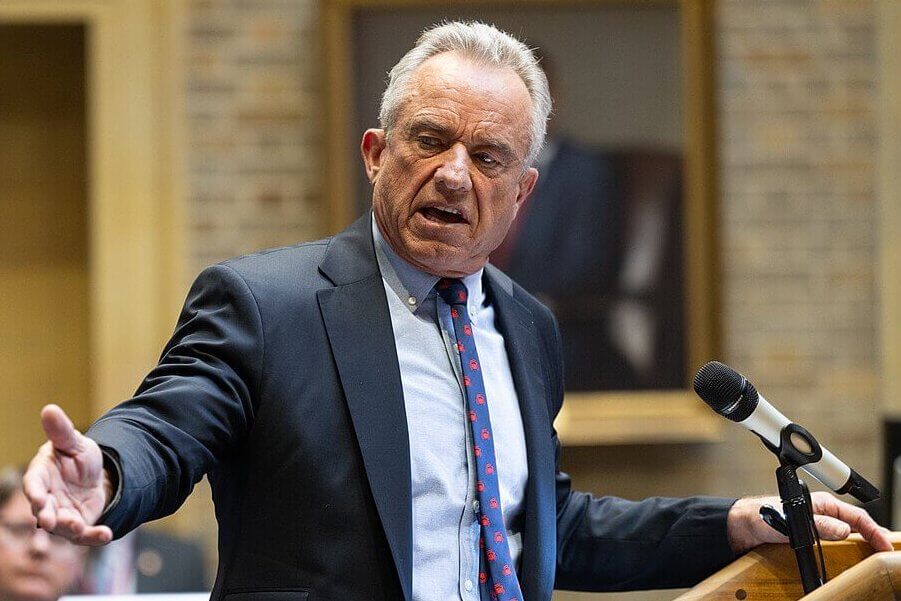
Fresh comments by U.S. Health and Human Services Secretary Robert F. Kennedy Jr. have reignited a familiar debate over vaccine safety and effectiveness, prompting immediate responses from physicians, epidemiologists, and public health organizations. While Kennedy has recently acknowledged that the measles, mumps and rubella (MMR) vaccine is effective, he also repeated several disputed claims about vaccines and autism, COVID-19, and other diseases that experts say are not supported by scientific evidence.
What Sparked the Latest Backlash
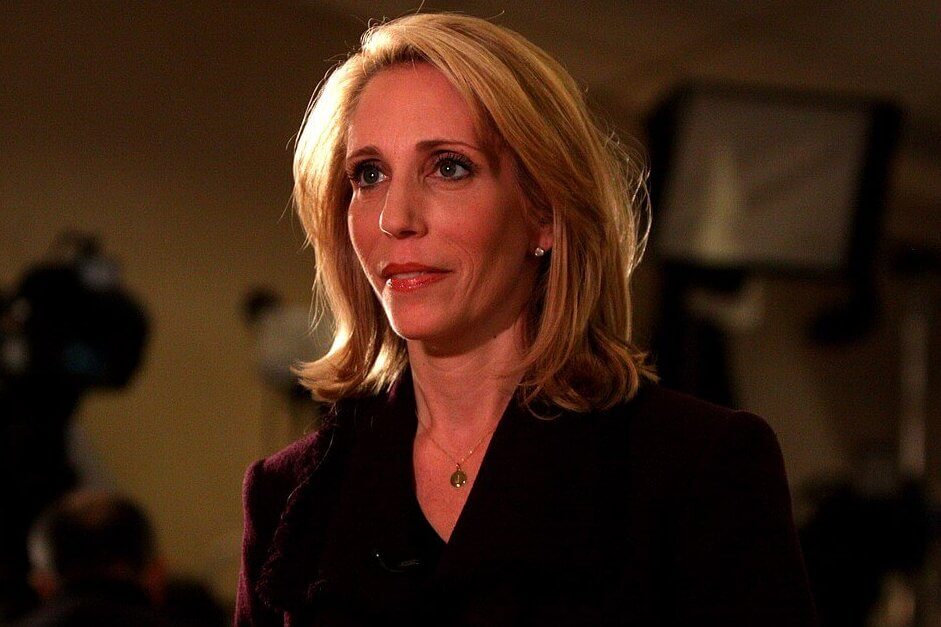
The latest controversy followed Kennedy’s appearance on CNN’s State of the Union with Dana Bash, where the health secretary defended his record while fielding questions about vaccines, autism, and a growing measles outbreak. After Bash urged him to use his position to address parents directly, Kennedy said, “Parents should get their kids vaccinated for measles.” Moments later, however, the interview turned combative as he continued defending disputed claims about vaccines and autism. At one point, Kennedy told Bash, “Dana, you probably don’t understand this because you’re not a scientist,” prompting Bash to reply, “Well, you’re not either.” The exchange quickly drew national attention and renewed criticism from public health experts.
Experts Say One Claim Remains Unsupported
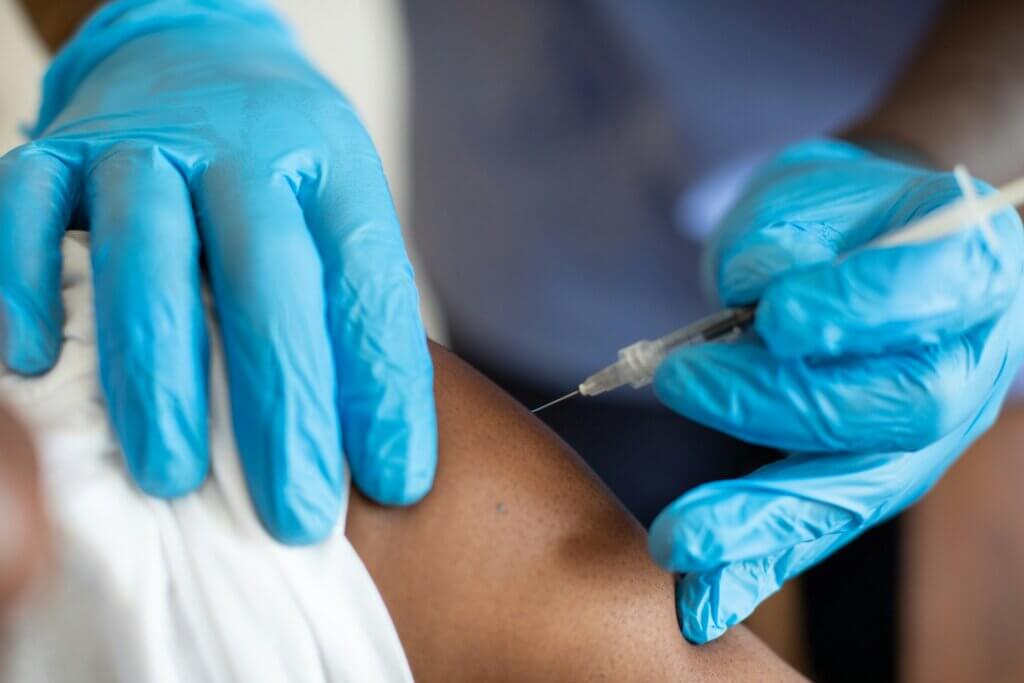
Although Kennedy’s recommendation that parents vaccinate their children against measles was welcomed by many physicians, public health experts said it was overshadowed by his continued defense of a long-disputed claim: that vaccines may be linked to autism. Former White House COVID-19 Response Coordinator Dr. Ashish Jha and numerous medical organizations responded by pointing to decades of research involving millions of children, which have found no credible evidence that routine childhood vaccines, including the MMR vaccine, cause autism. The Centers for Disease Control and Prevention, the American Academy of Pediatrics, and the World Health Organization have all consistently reached the same conclusion.
Measles Returns to the Spotlight
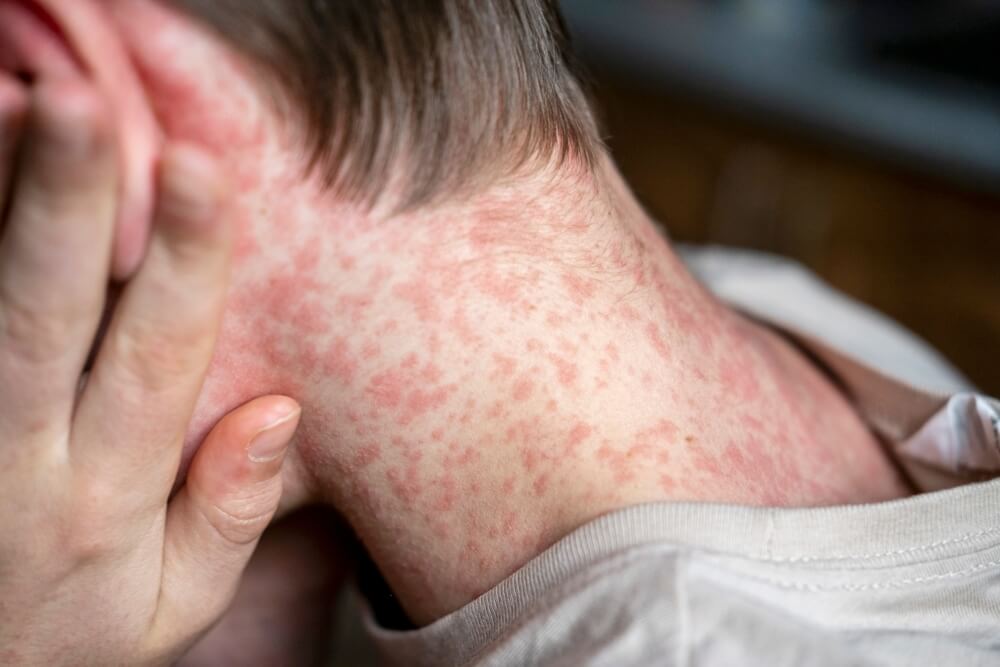
The debate comes as the United States continues to confront one of its largest measles outbreaks in decades. Health officials say measles spreads rapidly in communities with lower vaccination rates because the virus is among the most contagious infectious diseases. Kennedy recently urged parents to vaccinate their children against measles, a message welcomed by some experts, but many argued that it was undermined by his simultaneous repetition of disputed vaccine claims.
Why Scientists Say the Evidence Is Strong
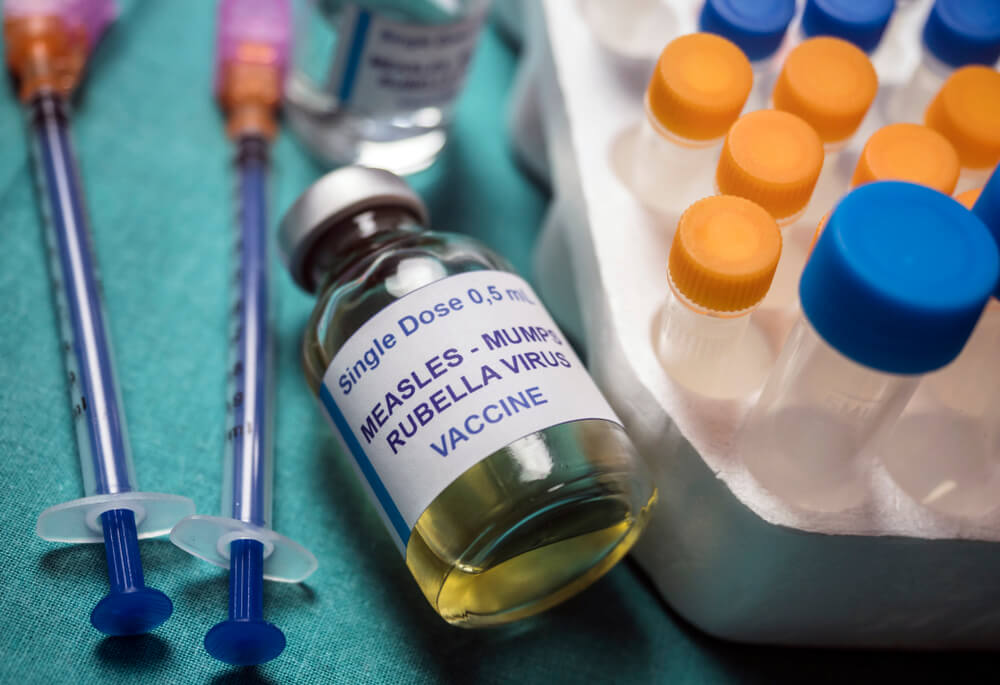
Researchers point to decades of international studies involving millions of children that have examined vaccine safety. Those studies have repeatedly found no causal relationship between childhood vaccines and autism. Several papers cited by Kennedy and his allies in support of vaccine policy changes have since been retracted, placed under investigation, or criticized for serious methodological flaws, further fueling concern among medical researchers.
Public Health Leaders Voice Concern

Medical professionals argue that disagreements over vaccine policy carry consequences beyond political debate because public confidence influences immunization rates. Former CDC Chief Medical Officer Dr. Debra Houry recently said Kennedy’s handling of vaccine issues was “not based on science or reality,” warning that promoting unsupported claims can make it harder for health officials to contain outbreaks of preventable diseases.
Kennedy’s Position Has Shifted
Kennedy has long been one of America’s most prominent vaccine skeptics, but his recent remarks have created a more complicated picture. In recent interviews and congressional testimony, he has stated that the government continues to recommend the measles vaccine and has encouraged parents to vaccinate against measles. Fact-checkers, however, note that these statements differ from many of his earlier public comments and advocacy, leading critics to describe his messaging as inconsistent.
The Policy Stakes Extend Beyond One Interview

The controversy also reflects broader changes within the Department of Health and Human Services under Kennedy’s leadership. His tenure has included revisions to federal vaccine recommendations and changes to advisory committees, moves that have drawn legal challenges and criticism from major medical organizations, which argue that long-standing scientific review processes should guide national immunization policy.
A Conversation With Real-World Consequences

Public health experts stress that vaccine debates influence more than public opinion. Vaccination decisions affect school immunization rates, hospital preparedness, outbreak control, and protection for people who cannot be vaccinated because of age or medical conditions. They argue that clear, evidence-based communication is especially important during periods of rising infectious disease activity.
The Scientific Debate Is Largely Settled, But The Public Debate Continues
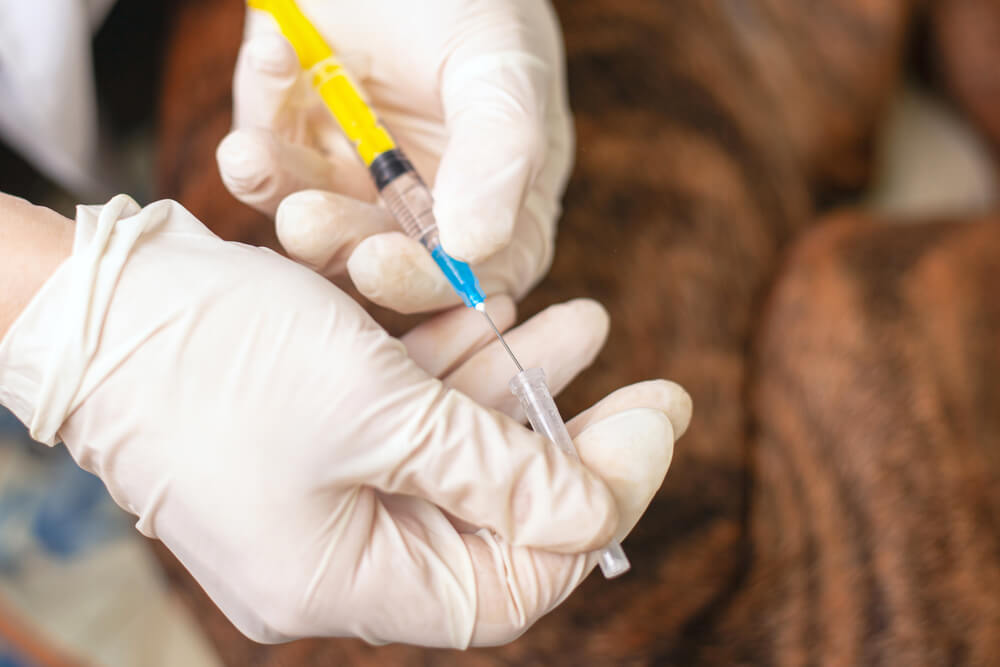
Although scientists say the evidence supporting routine childhood vaccines has been consistent for years, the public conversation remains highly visible because of Kennedy’s role as the nation’s top health official. Future policy decisions, responses to outbreaks, and public trust in federal health agencies will likely determine whether the divide between political messaging and scientific consensus narrows or continues to shape America’s vaccination landscape.