

Products are selected by our editors, we may earn commission from links on this page.
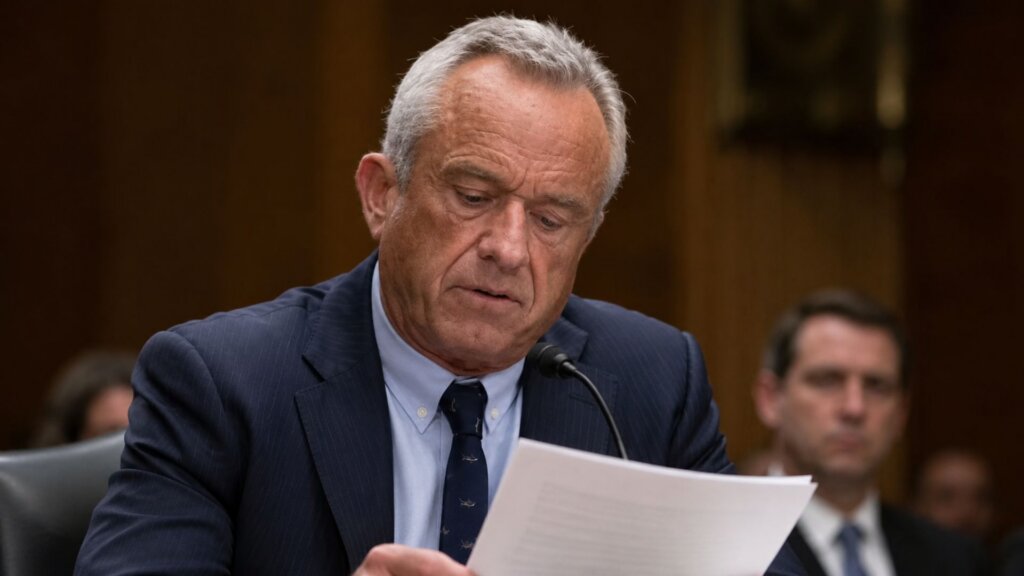
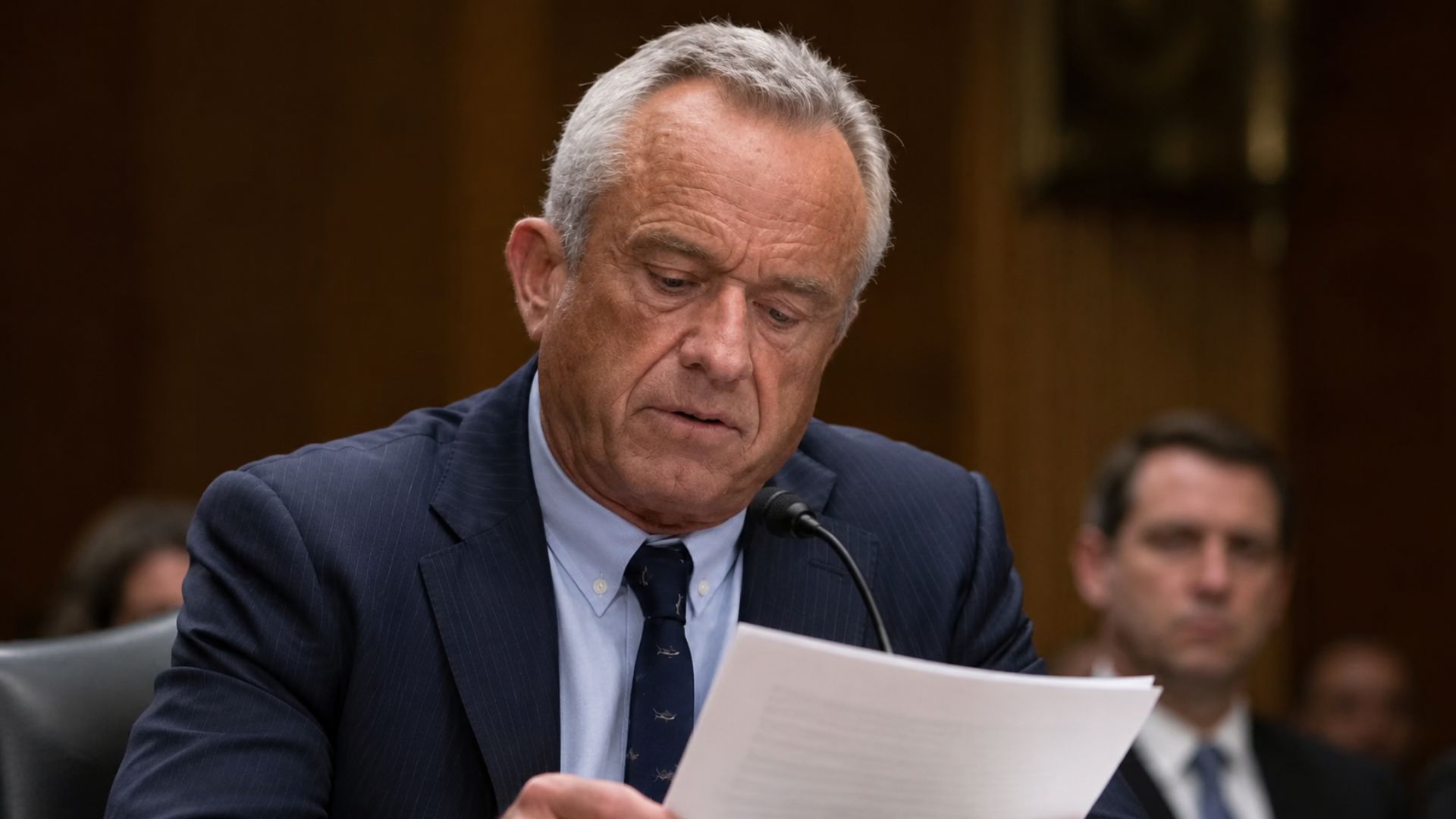
Your doctor’s notes, prescription history, and diagnoses could soon be in the hands of the federal government, and you would never be asked. Health and Human Services Secretary Robert F. Kennedy Jr. is quietly working to gain access to the medical records of most Americans, according to KFF Health News. The goal: find a link between vaccines and autism, a theory the medical establishment has investigated for decades and firmly rejected.
This article was created with the assistance of AI and reviewed by our editorial team for accuracy and clarity.
Kennedy Says the Existing Health Data Systems Are “Broken”

Kennedy has long been frustrated by the federal government’s limited access to patient data. In a May interview with KFF Health News, he said: “We’ve had to go to the states and, luckily, we’ve got a lot of cooperation from the states, but we now have databases together that we can actually do the studies on.” He claimed those studies were already underway and described “a whole pipeline” of research expected to be completed within the year. HHS made no public announcement about any of it.
HHS Is Targeting State-Run Systems That Hold Identifiable Patient Data
The records Kennedy’s team wants come from health information exchanges — little-known state-run systems that let hospitals and clinics share patients’ files with one another in real time. Nearly every state operates at least one. They hold highly detailed, identifiable information: visit summaries, lab results, prescriptions, and doctors’ notes. Federal officials met with state exchange leaders multiple times over the past year, asking how that data could be used for vaccine research, according to seven people with direct knowledge of the discussions.
Maryland’s Exchange Said No. Other States Are Still Deciding.

Craig Behm, who runs Maryland’s health information exchange, said a top HHS official asked directly whether his organization could help conduct research on vaccine effectiveness. Behm declined. Sharing records for that purpose would require approval from hospitals, state officials, and independent research boards — approvals that were never obtained. Most exchanges have strict contractual limits on who can access their data. Indiana’s exchange is still weighing participation. As of the time of publication, HHS has not disclosed how many states are cooperating.
The Plan Would Cover 90% of Americans’ Records by 2028

In October, exchange leaders pitched a surveillance system to HHS that would deliver real-time data feeds on chronic disease and opioid trends. Under the proposal, the federal government would pay exchanges $3 per person annually and gain access to medical records covering 90% of the U.S. population by 2028. Internal presentation slides reviewed by KFF Health News show officials planned to frame the arrangement publicly not as a new database, but as a “federated trust model” — language that obscures the scope of data collection involved.
Nebraska Became the Willing Partner and Received $18.7 Million

While most states hesitated, Nebraska moved forward. Its health information exchange, CyncHealth, was among the first to engage with Kennedy’s initiative. In December, the CDC awarded Nebraska’s state health department $18.7 million, more than any other state, despite Nebraska ranking 38th in population. Texas, with nearly seven times as many residents, received $9.2 million. California got $10.8 million. Weeks later, the state health department awarded CyncHealth three contracts totaling $13.6 million.
A Former CDC Official Confirmed the Money Was for Kennedy’s Vaccine Project
CyncHealth retained $2.4 million of the funding; the rest went to other participating states and implementation partners. The organization’s spokesperson described the work as a “proof-of-concept project” unrelated to autism. But a former CDC official, speaking on the condition of anonymity, told KFF Health News the money was intended specifically for CyncHealth to supply data for Kennedy’s effort to study vaccines and autism. HHS has not answered questions about who has access to the data or how patient privacy is being protected.
The Woman Who Designed the Data Pipeline Now Works for Kennedy’s Think Tank
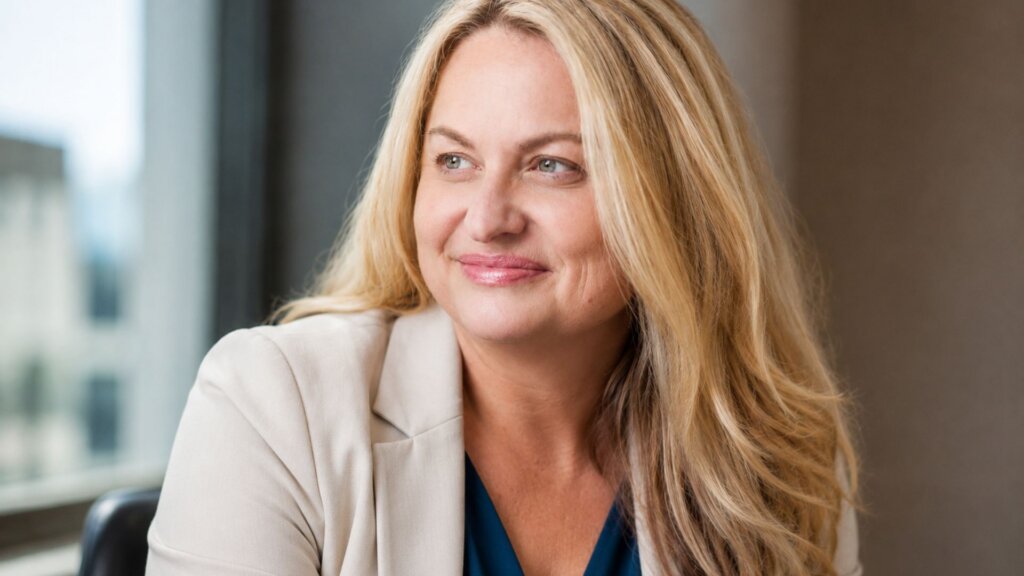
Jaime Bland, the former CEO of CyncHealth, helped design the framework for sharing state exchange data with federal agencies. She left her post in December, where she earned nearly $420,000 a year, and was appointed in April as chief data strategist for the MAHA Institute, a think tank founded by Kennedy and Trump allies. Bland told KFF Health News she supports Kennedy’s view that patient-level data could reveal new insights into autism’s causes, citing anecdotal accounts of adverse vaccine reactions as the kind of information that gets lost in aggregated public health data.
Former CDC Officials Say the Data Won’t Answer the Questions Kennedy Is Asking

Daniel Jernigan spent 31 years at the CDC overseeing public health surveillance. He said large, de-identified databases maintained by electronic health record companies could already provide Kennedy with what he says he’s looking for, but the secretary showed no interest. Kennedy’s team instead sent two advisers to CDC headquarters to download identifiable records directly from the Vaccine Safety Datalink. Jernigan told KFF Health News that electronic health records alone have real limits: “If they’re only looking at electronic health record data, all you’re going to get is what was captured in the encounter.”
Kennedy’s Medical Records Push Lands Amid a Broader White House Rollback on Vaccines
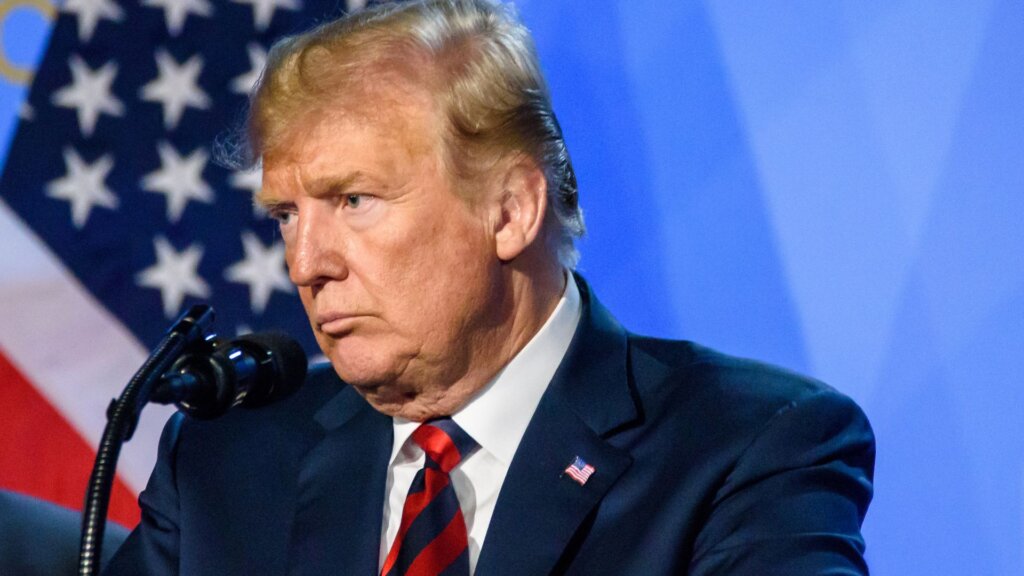
The records initiative is unfolding as the Trump administration moves aggressively on vaccine policy. On May 29, President Trump signed an executive order directing the CDC to reduce the number of vaccines recommended for children, from 17 to 11. Kennedy has asserted, without evidence, that vaccines cause chronic illness. A claim mainstream medicine rejects. What’s being built quietly through state data systems is the research architecture meant to prove it, funded with federal dollars and expanding despite widespread pushback from the public health community.