

Products are selected by our editors, we may earn commission from links on this page.
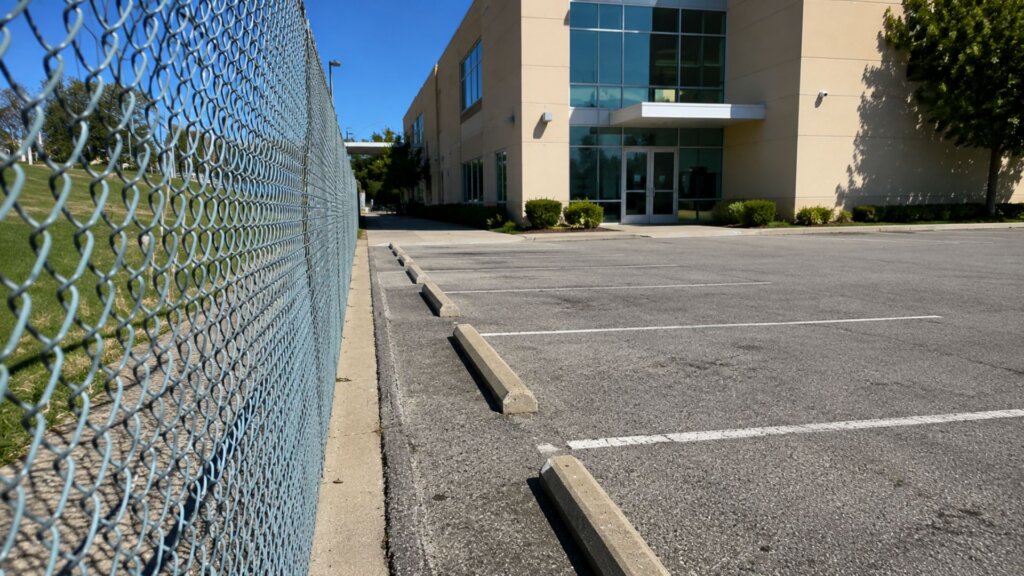
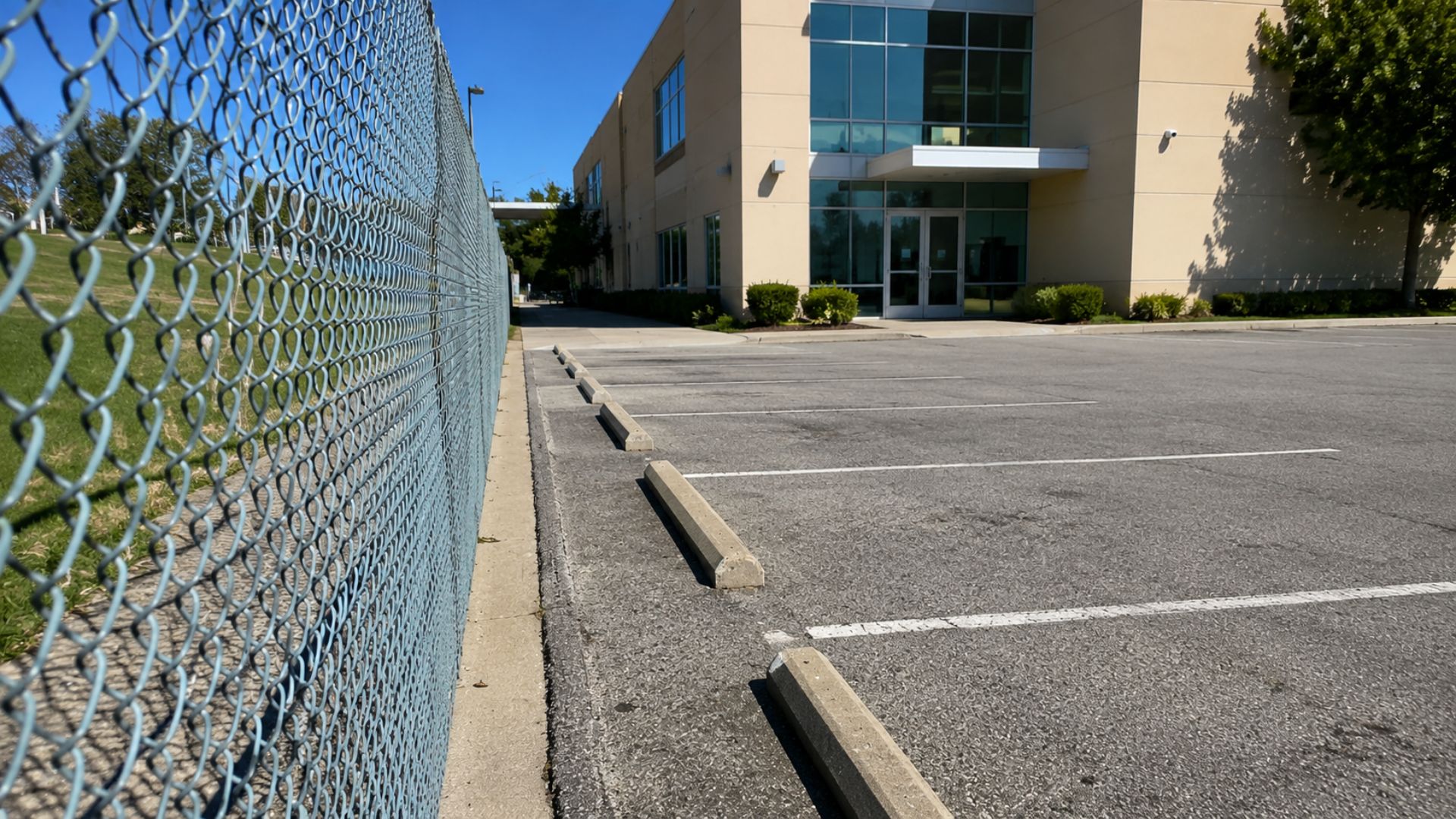
An 8-year-old boy rides his bicycle in figure eights on pavement that is, for now, his front yard. His mother plates dinner in a shared outdoor kitchen. At night, they sleep in an RV on a city-owned lot in San Diego. The family lost their apartment after a federal rental subsidy expired and their landlord raised rent by nearly a third. This parking lot, run by a school district and a nonprofit, is keeping them off the streets.
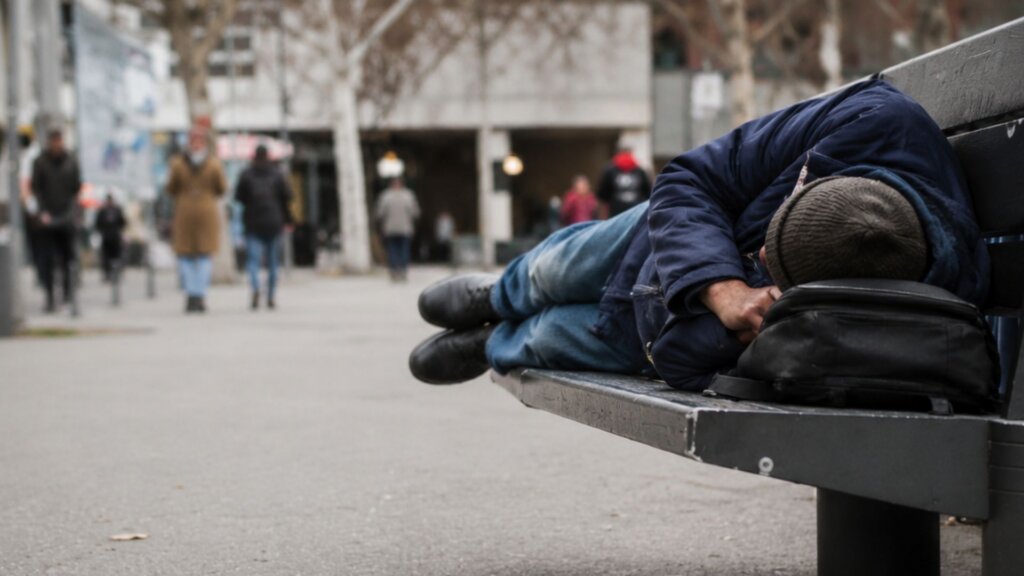
Family homelessness in the United States hit a record high in 2024, as the end of federal pandemic assistance and rising inflation pushed more families with children out of their homes. The Department of Housing and Urban Development’s January 2024 census counted nearly 260,000 people in families with children experiencing homelessness — a jump of more than 50% since before the pandemic. Experts warn those numbers are almost certainly undercounts, as many families cycle through motels, friends’ couches, or their own vehicles without ever appearing in official tallies.
Faced with a shortage of emergency shelter beds and nowhere else to turn, a handful of school districts are repurposing their own properties. San Diego Unified School District converted a vacant elementary school campus into a safe parking site for homeless families, giving students a secure place to sleep while staying enrolled in their schools. The model is already drawing attention from districts as far away as Ohio and Kentucky, and sharp criticism from Washington.
This article was created with the assistance of AI and reviewed by our editorial team for accuracy and clarity.
San Diego Built the Blueprint. Now Other Cities Are Copying It

San Diego began experimenting with the safe parking concept in 2017, when it partnered with nonprofit Jewish Family Service to convert the first of what are now four parking lots into places for homeless people to sleep safely. The city added its first lot prioritizing families in 2023. When the school district saw the model working, it offered its own idle land. Kristy Drake, the district’s liaison for homeless and foster youth, described the lot plainly: “We have this vacant land, sitting in the middle of a city struggling with the problem of homelessness. Why not put up this land?”
The Rose Canyon lot, the most developed of the sites, provides each family with their own trailer. A covered communal area includes a small library, dining space, charging stations, and a shared kitchen. Jesse Mendez, director of the safe parking program for Jewish Family Service, framed the goal in human terms: “Kids end up here by no choice of their own. I don’t want them to even realize they’re experiencing homelessness.” The school district’s version at Central Elementary, though more basic, gives families access to Wi-Fi, case managers, and a soccer field.
The model is now spreading beyond California. Cincinnati Public Schools will open its first safe parking lot for families at a downtown elementary school, equipped with security, private bathrooms, laundry, and shower facilities. The teachers union for Fayette County Public Schools in neighboring Kentucky has asked its school board to follow Cincinnati’s lead. Rebeka Beach, head of homeless services for Cincinnati schools, acknowledged the program is a stopgap but said it fills an urgent need: “We know it’s not a solution. It’s just a bridge and response to an immediate crisis.”
Federal Government Calls It “Dystopian”

The Trump administration has criticized safe parking lots as “dystopian” and “reprehensible.” The condemnation landed hard among housing advocates because it arrived alongside the administration’s plans for major cuts to the long-term housing programs that could make parking lots unnecessary. Critics noted the contradiction: dismissing a last-resort shelter as dystopian while proposing to defund the rental assistance, vouchers, and housing support that prevent homelessness in the first place.
Opposition also came from closer to home. Nearby residents and private developers raised concerns about crime and property values. Some progressive advocates quietly questioned whether the parking program shifted resources away from tackling the root causes of housing loss. The family of M., whose federal rental subsidy expired when the pandemic-era program ran out of funding, lived that contradiction directly. When her landlord planned to raise rent by nearly a third, she had nowhere to go. San Diego County had only a handful of emergency shelters offering space to families with children, and the housing voucher waiting list had been closed.
Research, however, offers a different lens on the program’s value. A 2024 study found that 40% of households that stayed at a Jewish Family Service site moved on to more stable housing. More recently, JFS reported that 53% of all households in the program and 76% at the Rose Canyon lot found more stable housing, compared to a national average of just under 34% and a local shelter rate of only 9%. Jennifer Erb-Downward, of the University of Michigan’s Poverty Solutions project, put it plainly: “Parking lots are a terrible option, but there are options that are worse.”
A Temporary Fix for a Permanent Crisis
For Dezarae S., the Rose Canyon lot was the difference between shelter and the streets. She had spent much of her childhood unhoused, cycling through San Diego’s emergency shelters with her own mother. When she arrived at the lot with her husband and four children, including twin 2-year-olds with autism who received specialist visits on-site, she was determined her children would not repeat her experience. After three years on a waiting list, the family finally secured a housing voucher and moved into a three-bedroom apartment in late March.
Early data from school districts and states around the country suggest youth homelessness continues to rise into 2025, even as HUD has yet to release its official count for that year. Drake, of San Diego Unified, described the parking lot plainly as a way station: “The goal is to move on. Hopefully no one’s there too long.” Meanwhile, M. and her son still wait. Her housing voucher program is closed. Savings are difficult with gas prices climbing and storage fees eating into her income. “There’s no getting ahead,” she said.
The parking lot programs exist because something else failed first: the rental assistance, the affordable housing supply, the wages that keep workers housed in the cities where they work. Schools are stepping in not by choice, but because the gap between what families need and what the system provides has grown too wide to ignore. As one education analyst put it, calling parking lots dystopian while dismantling the long-term housing programs that would make them unnecessary is not a housing policy — it is a cost shifted onto the one institution that cannot turn a child away. The question worth sitting with is: how long can schools carry what the rest of the system refuses to hold?