

Products are selected by our editors, we may earn commission from links on this page.
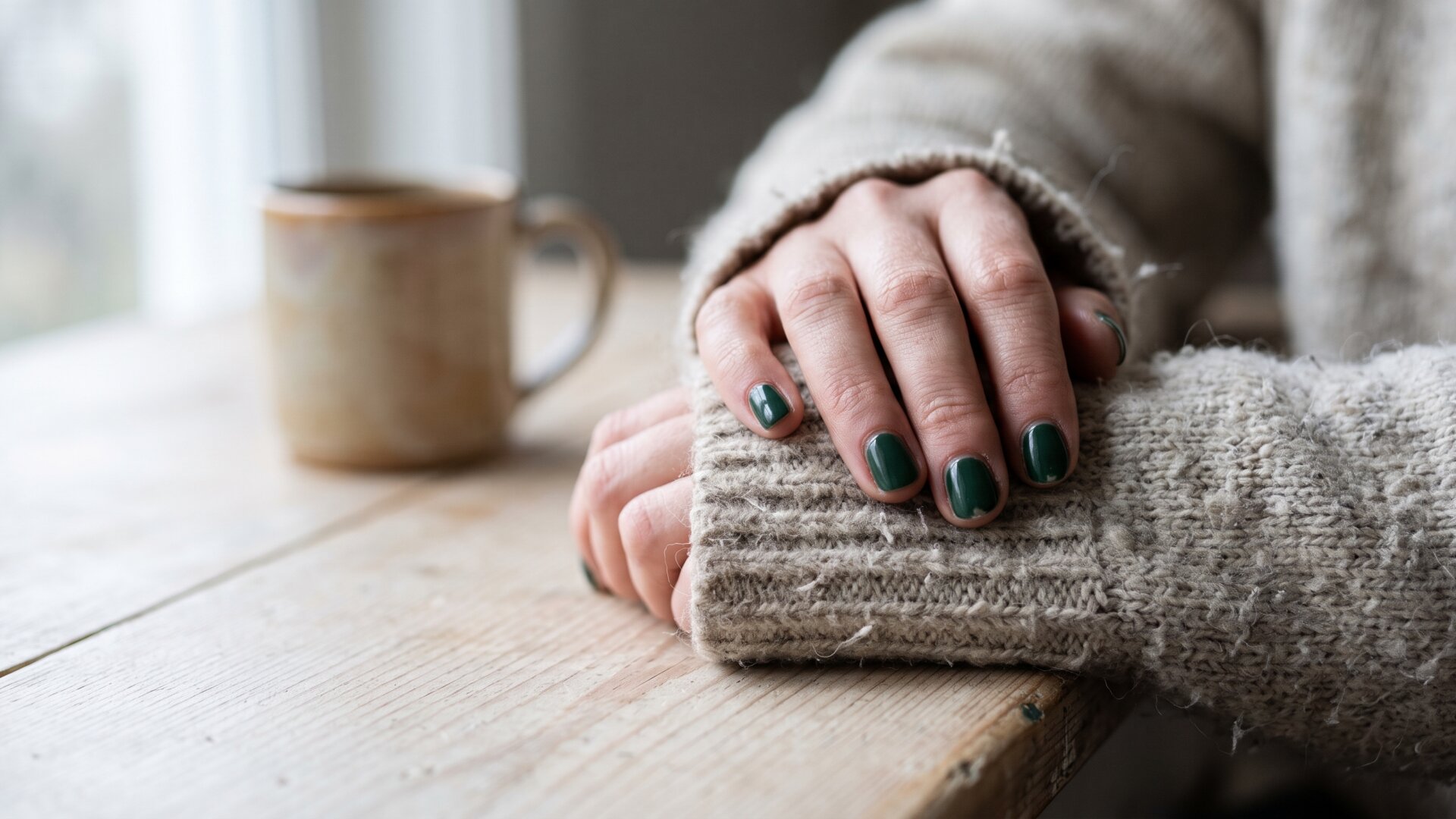
The winter 2026 palette narrows to five families: dark green in fir and emerald, bordeaux and wine red, chocolate brown, anthracite through black, and midnight blue into petrol. Nail wrap brand MANIFIX, which publishes seasonal trend guidance alongside its UV wrap range, groups them as the shades that read as luxurious against knitwear and wool coats. The lighter side has not disappeared. Milky white, beige, taupe and soft rosé hold their place, and metallics in silver, champagne and mother-of-pearl get pulled out for festive occasions. What has changed is the ratio. Deep shades dominate, and pale ones now function as deliberate contrast rather than the default.
This article was created with the assistance of AI and reviewed by our editorial team for accuracy and clarity.
Light nails get picked for short nails, not long ones
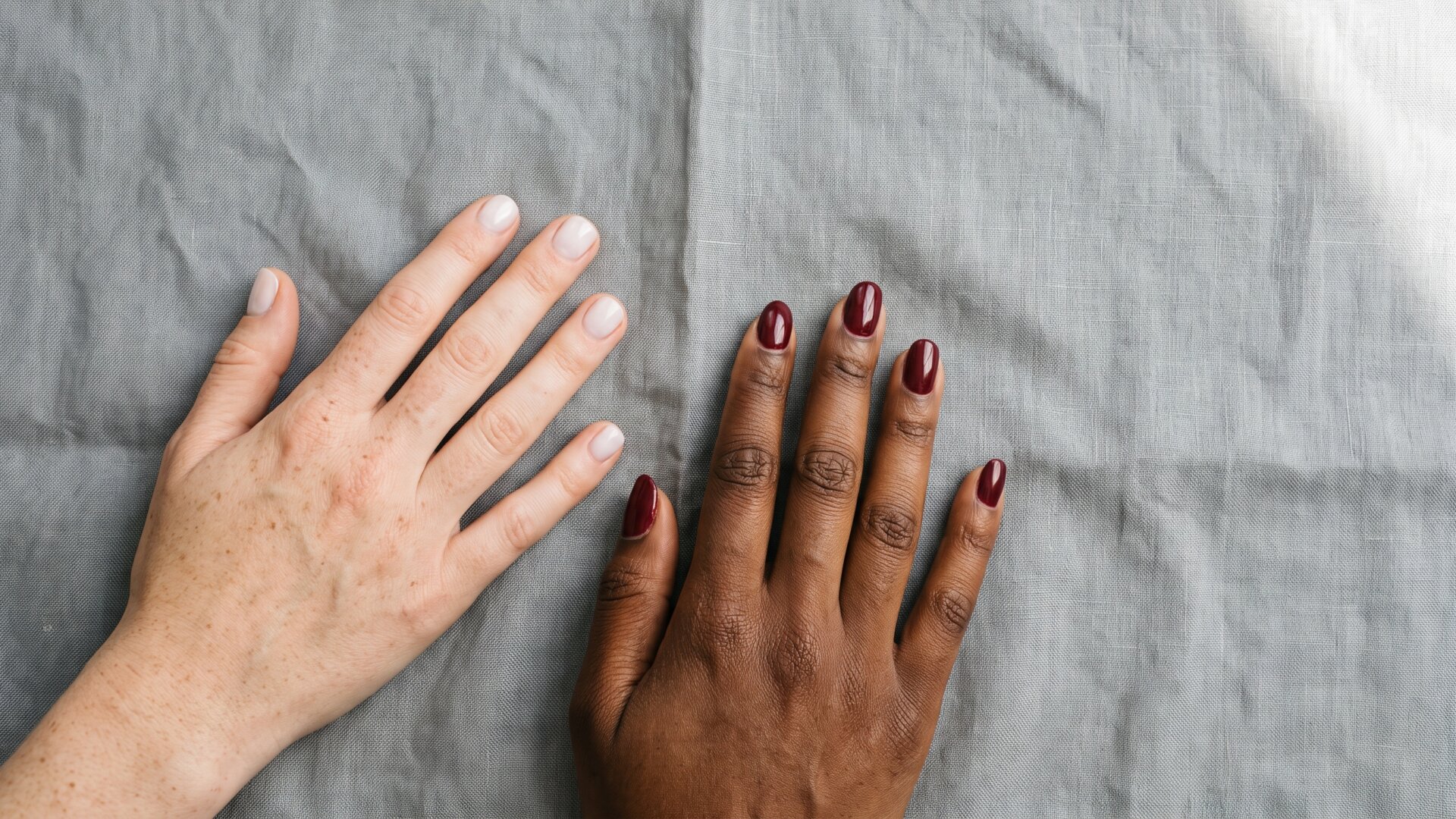
The instinct runs the other way. Dark polish is assumed to need length to carry it, and pale shades are assumed to be the beginner choice. The winter guidance reverses that logic. Milky nude and soft grey are recommended specifically for short nails, because a pale finish keeps a short nail plate from looking cropped. Dark shades do something different. Forest green, black and dark red fill the nail plate completely and even out ridges, dents and discoloration, which is why they read as groomed on almost any length. The choice is less about how long your nails are and more about what you want the color to hide or soften.
Glazed and velvet finishes both rely on light, not pigment
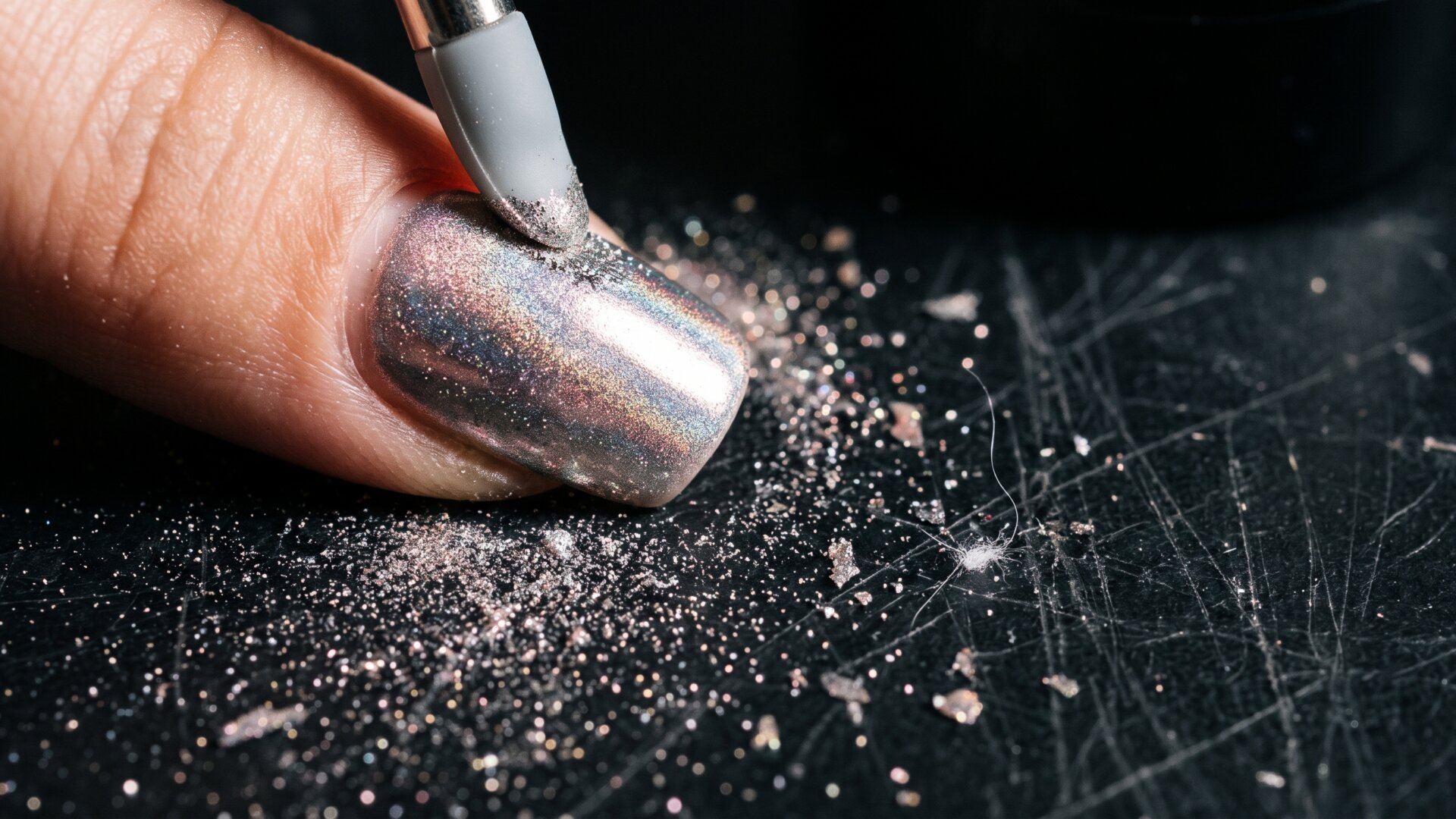
Two of the season’s named finishes work through optics rather than color. Glazed nails use a fine chrome powder buffed over a nude base, producing a thin iridescent film that shifts between pearl and pink as the hand moves. The powder sits on top of a cured gel layer and is sealed under a topcoat. Velvet nails use magnetic particles suspended in the polish. A magnet held over the wet surface for a few seconds drags those particles into a band, and the resulting light scatter reads as brushed fabric. The same bottle produces different effects depending on where the magnet sits, which is why no two velvet manicures match exactly.
Three shapes replace the pointed tips of recent seasons
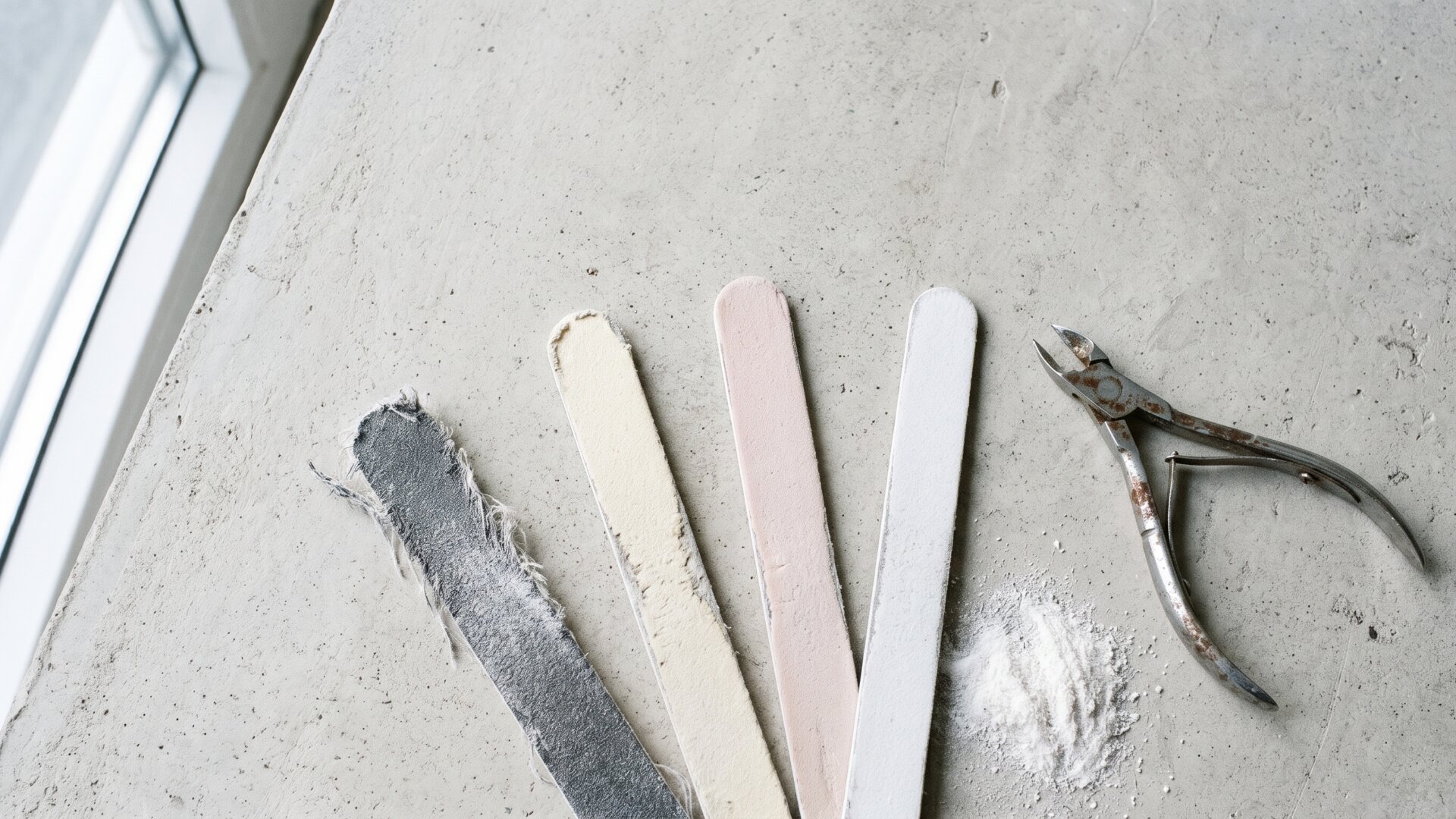
The 2026 shape list runs to three: oval, almond, and soft square, also called squoval. Oval reads as the most natural and works on short to medium length. Almond tapers toward a rounded point and visually lengthens the finger, and it is the shape most often recommended for gel and BIAB applications. Squoval keeps a flat free edge with the corners filed off, which makes it the most structurally stable of the three. Stiletto and coffin shapes, which dominated nail content for roughly a decade, appear far less in the 2026 guidance. The stated reason is practicality rather than taste.
Why squoval survives typing better than a pointed tip

The stability claim behind squoval is mechanical. A nail tip bears force unevenly, and a pointed shape concentrates that force on a narrow area with no supporting structure behind it. File the corners into a soft curve and the load spreads across a wider edge instead. That matters because of where nails actually break. The weakest point on a nail is the stress area just past the end of the nail bed, where the plate no longer has skin underneath it. The further the free edge extends past that line, and the narrower it gets, the more likely a knock splits it. Shorter rounded edges on keyboards, zips and car doors simply survive more contact.
Match your shade to the color under your skin
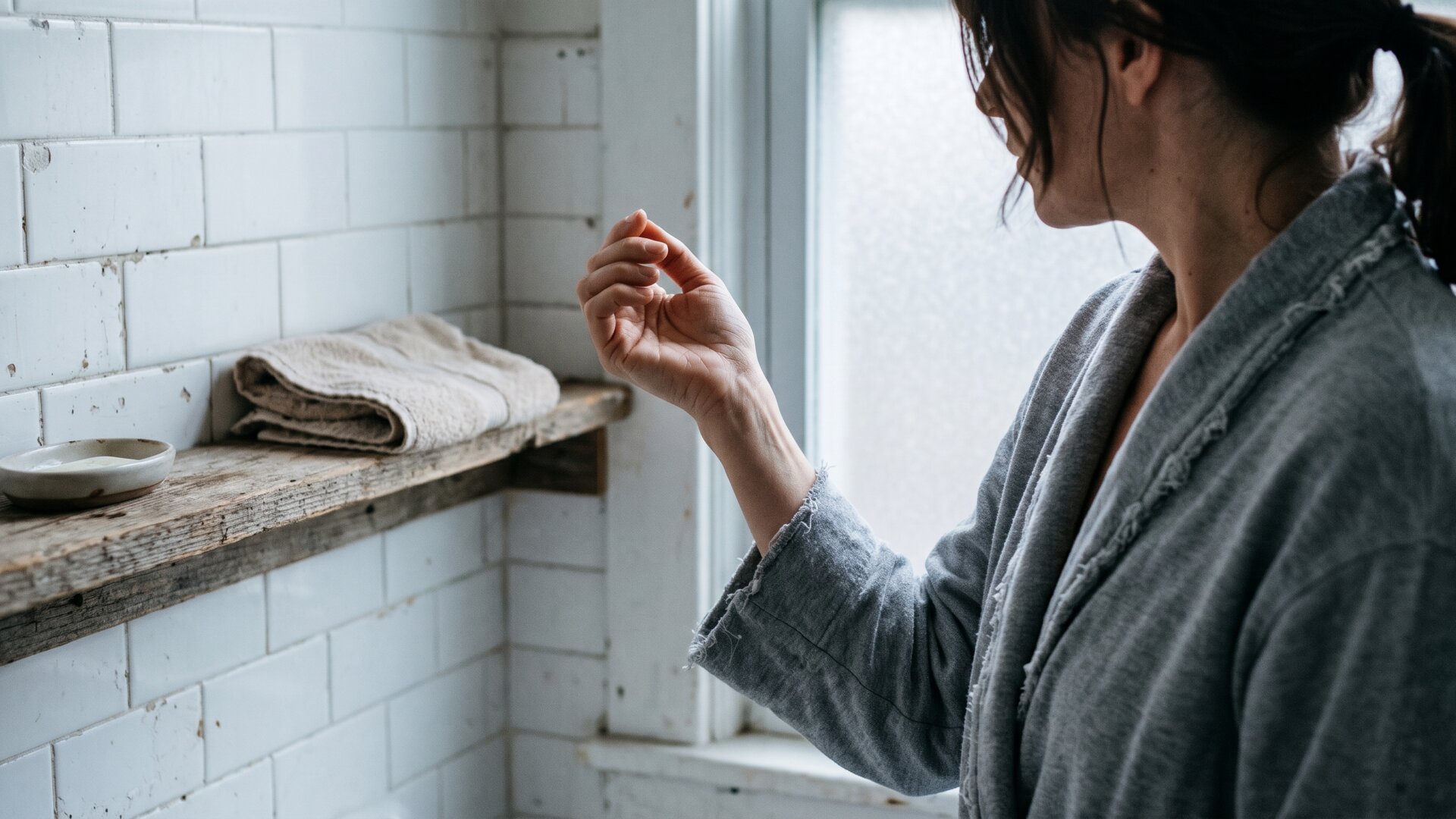
The trend guidance ties color choice to skin type, and the usable version of that is undertone. Check the inside of your wrist in daylight. Veins reading blue or purple suggest a cool undertone, green suggests warm, and a mix suggests neutral. Cool undertones tend to sit comfortably with the blue-based shades on the winter list: midnight blue, petrol, bordeaux, true black. Warm undertones pair more easily with chocolate brown, fir green and champagne. Neutral undertones carry most of the list. This is a starting point rather than a rule, and anyone who likes a shade that supposedly clashes should wear it, since the contrast is often the point.
Thin coats, not thick ones, keep dark polish from peeling
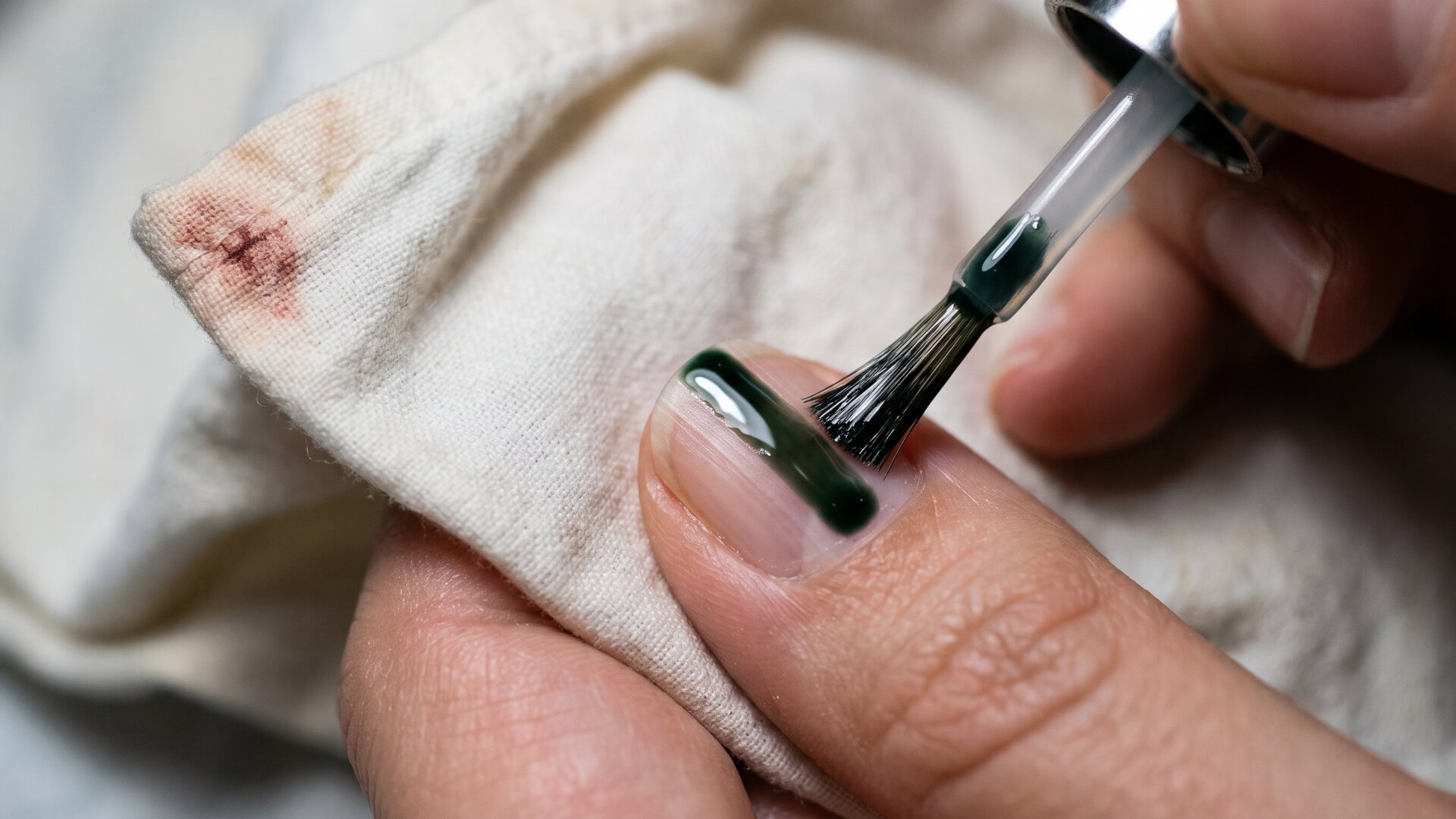
The common error with deep winter shades is loading on pigment to reach full opacity in one pass. Heavily pigmented polish already carries more solids than a sheer shade, and a thick coat dries from the surface inward, leaving the layer underneath soft. That soft layer is why black and dark green chip in sheets rather than flaking at the edge. Two thin coats cure more completely than one thick one. With gel, an overloaded layer can also fail to cure through under the lamp, which leaves uncured product trapped against the nail plate. Keeping polish off the cuticle line helps as well, since product bridging onto skin lifts as the skin moves.
French tips return, but almost never in white
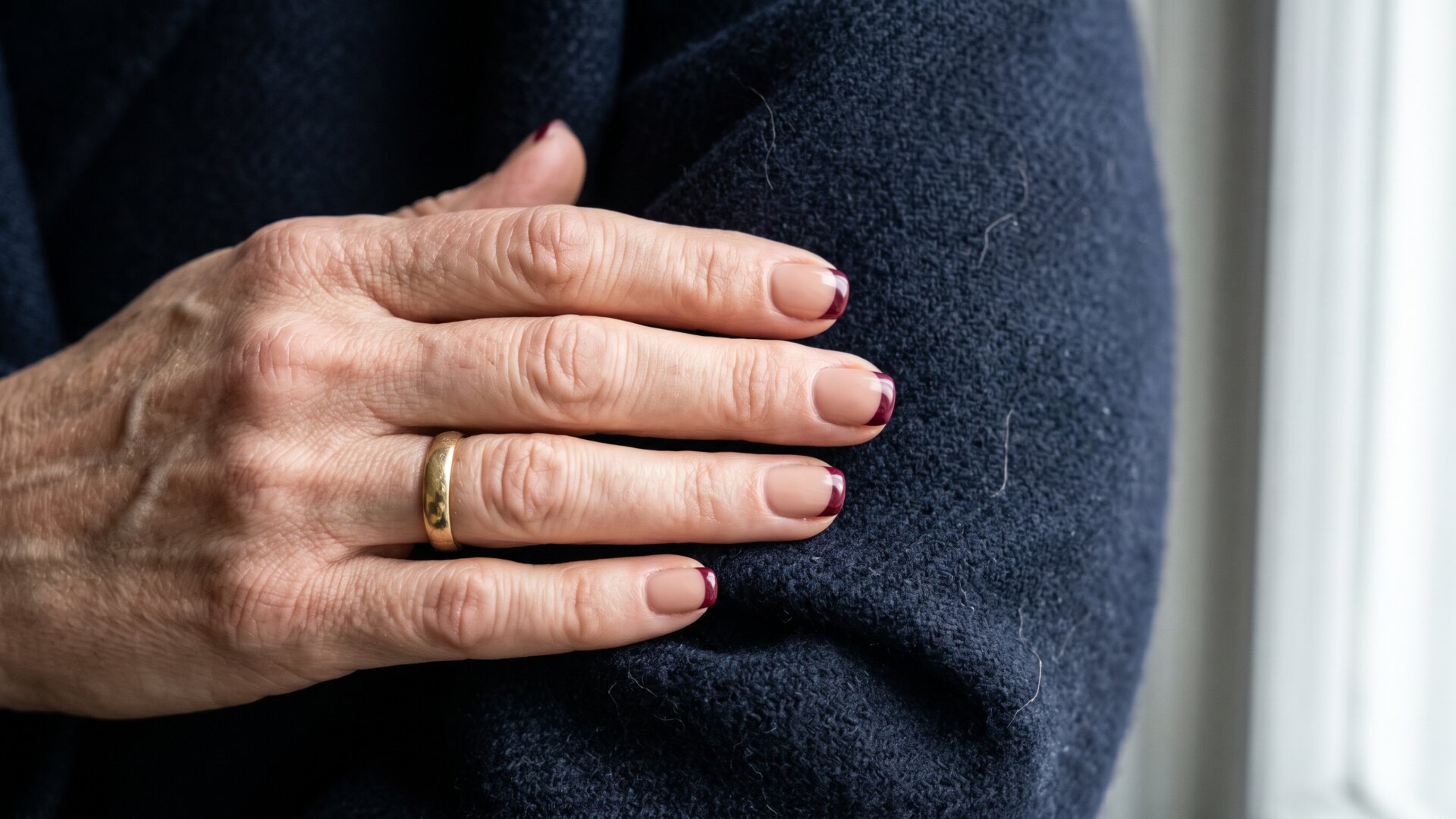
The French manicure is back in the 2026 lineup, and it has kept the shape while losing its defining feature. The modern versions use dark tips, metallic edges, or colored lines instead of the opaque white band the style was built on. That pulls it toward the season’s wider pattern. Deep bordeaux tips on a nude base, or a thin chrome line along the free edge, read as minimal from a distance and detailed up close. The structure also suits the new shapes, since a squoval or oval free edge gives a clean straight band to work along, while a stiletto tip forces the line into a curve that is harder to keep even across ten nails.
Clean nails is a finish, not an absence of one
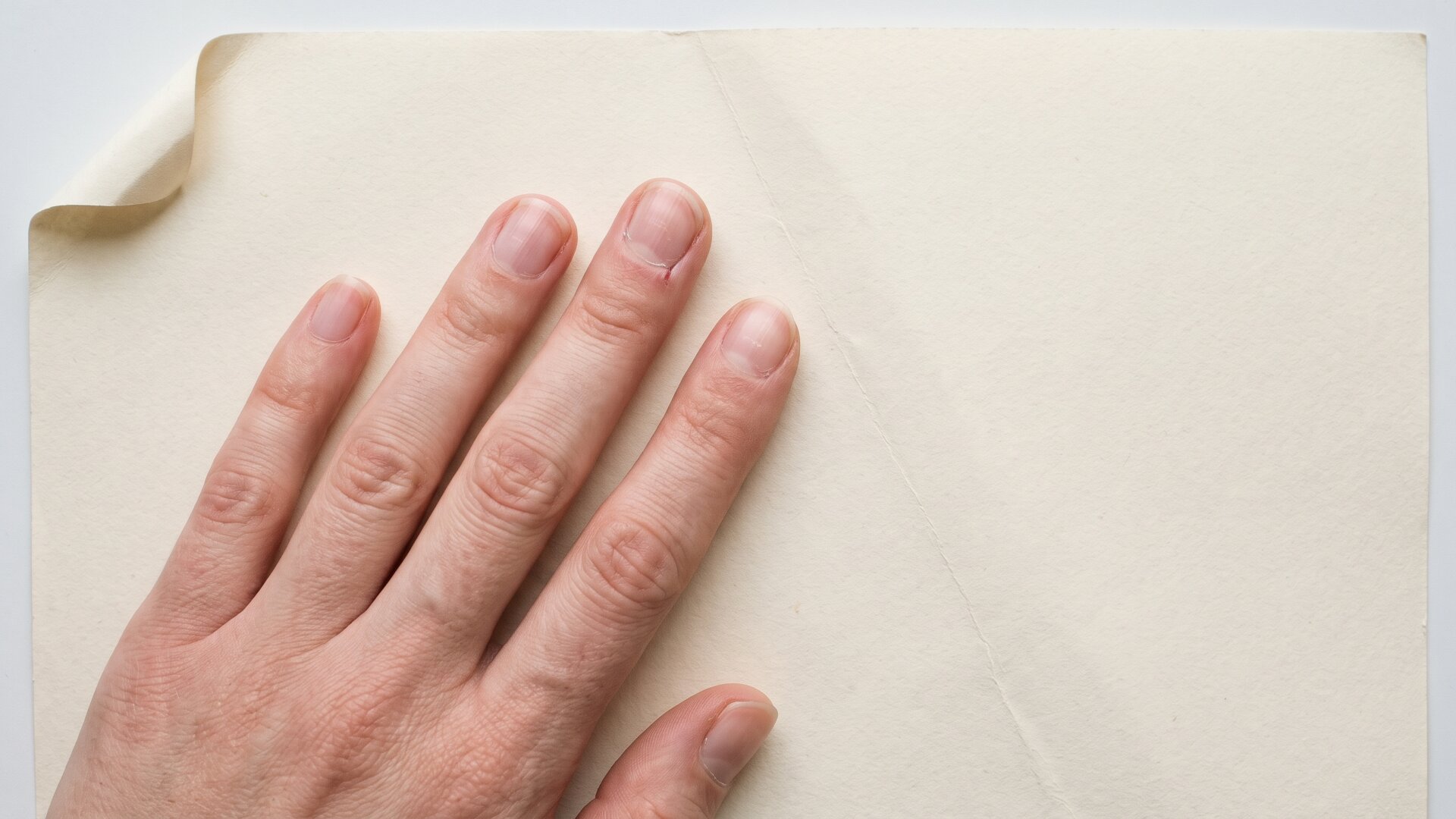
Clean nails sits at the top of the winter trend list, and it is easy to misread as doing nothing. The look is a natural nail finished in milky white or soft rosy sheer, applied evenly enough that the free edge, the cuticle line and the surface all read as one continuous plane. That is harder than a dark shade, because a sheer finish hides nothing. Ridges, staining and an uneven smile line all stay visible through it. The trend guidance frames it as a quality signal rather than a minimal one, which is why it appears alongside glazed and velvet finishes rather than in a separate low-effort category.
Nails grow slower in winter, which changes the regrowth gap
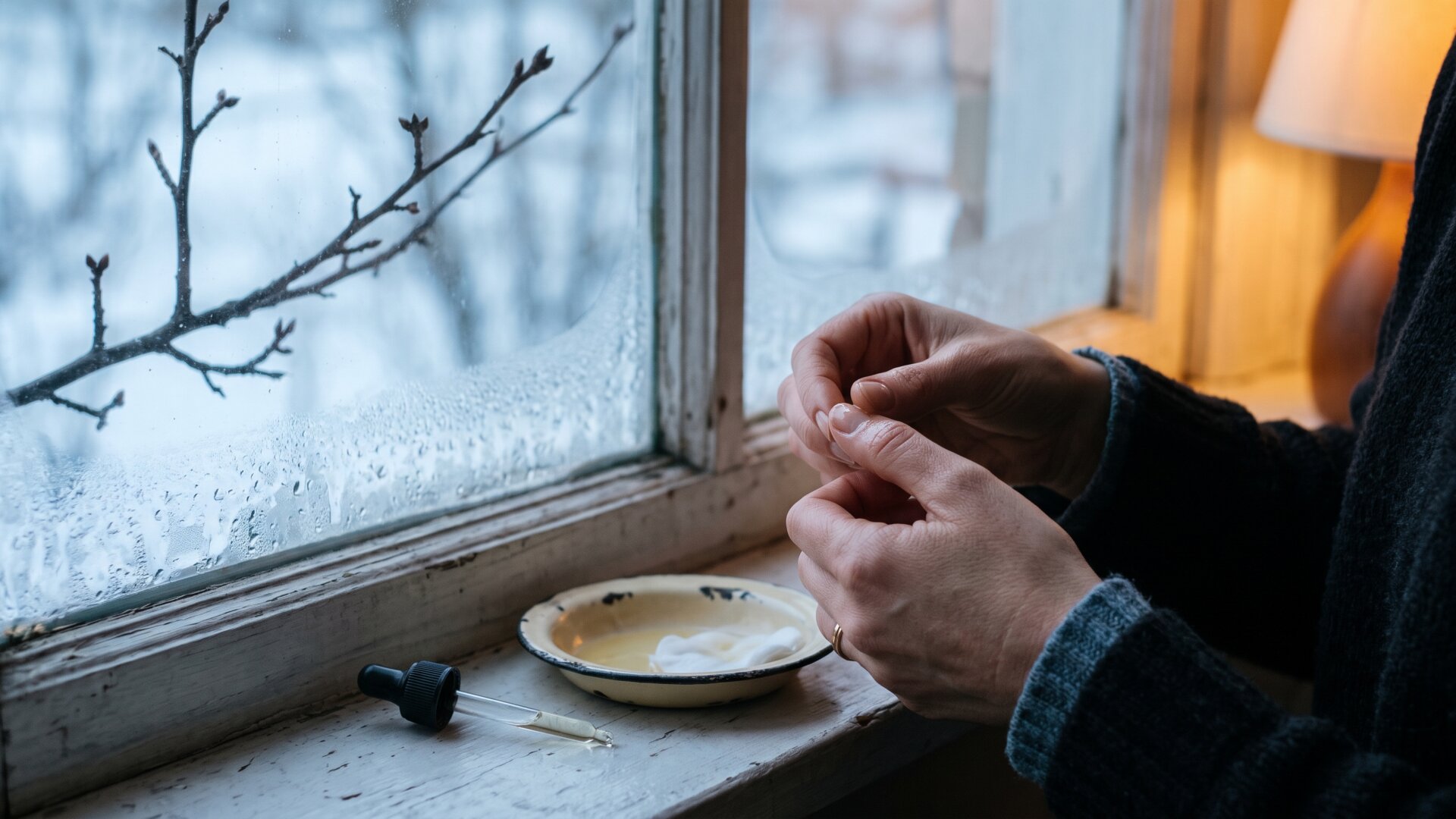
Fingernails grow roughly 3 to 3.5 millimeters a month, and that rate drops in cold weather as circulation to the fingertips narrows. Slower growth means a longer window before the regrowth line at the cuticle becomes obvious, which is one practical reason winter manicures tend to hold their look longer than summer ones. The tradeoff is that cold and indoor heating both pull moisture out of the nail plate, and a drier plate is more brittle. That favors exactly what the 2026 trend list recommends: shorter rounded shapes with less free edge to snap. Oil the cuticle daily through the cold months and the shape does the rest.