

Products are selected by our editors, we may earn commission from links on this page.
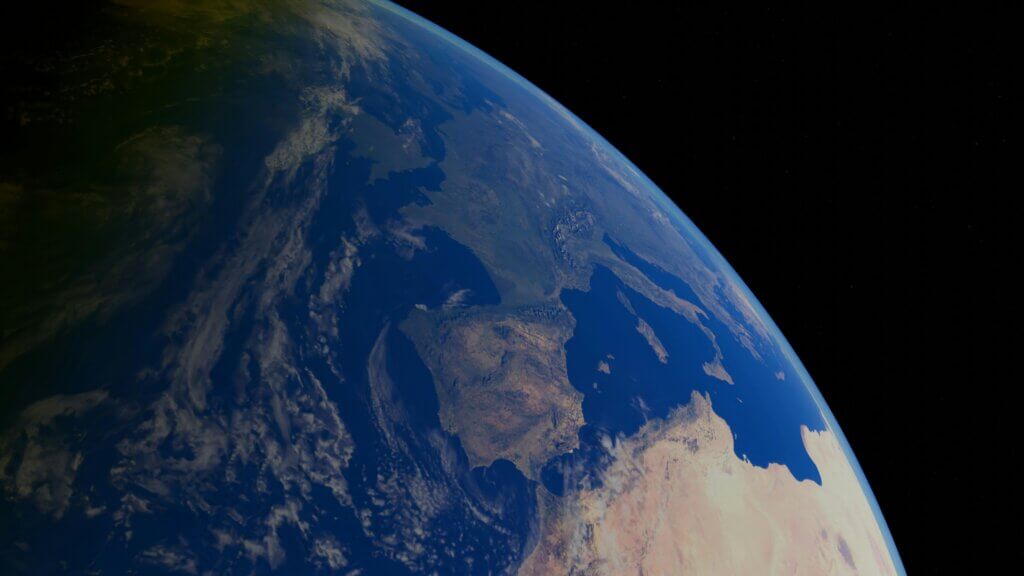
Most of us think a day on Earth is exactly 24 hours. But scientists say that’s not strictly true and the difference is quietly growing. New research suggests our planet’s days are slowly getting longer, and the rate of change is unlike anything seen in millions of years. The surprising cause isn’t just natural planetary forces. According to scientists, modern climate change is playing a growing role in slowing Earth’s rotation.
Earth Has Never Spun at Exactly the Same Speed

The idea that a day lasts precisely 24 hours is actually an approximation. Earth’s rotation constantly shifts due to several forces acting on the planet. These include the gravitational pull of the moon, movements deep inside Earth’s core, and changes in the atmosphere and oceans. Scientists have long known these factors can slightly alter the length of a day.
But Something New Is Now Affecting Earth’s Spin

A new factor is now entering the picture: climate change. As global temperatures rise, glaciers and massive polar ice sheets are melting at accelerating rates. The water from that melting ice flows into the oceans, raising sea levels and redistributing mass across the planet. That shift in weight subtly affects how Earth spins.
The Planet Is Slowing Down… Very Slightly
The change is incredibly small but scientifically significant. Researchers estimate that the length of a day is increasing by about 1.33 milliseconds per century because of climate-related changes. That means you won’t notice it in daily life. But scientists studying Earth’s rotation say it’s happening faster now than at almost any time in recent geological history.
A Surprising Analogy Explains What’s Happening

Scientists often explain the phenomenon using a figure skater. When a skater pulls their arms inward, they spin faster. But when they extend their arms outward, their rotation slows. According to University of Vienna geoscientist Mostafa Kiani Shahvandi, Earth behaves in a similar way when mass shifts outward—from polar ice toward the oceans.
Researchers Looked Back Millions of Years
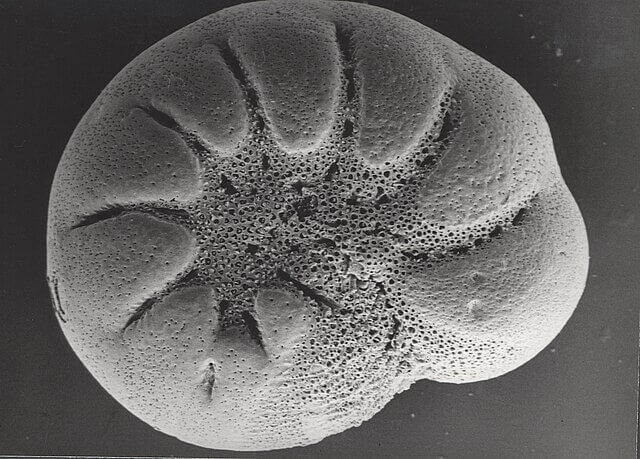
To understand whether this kind of slowdown had happened before, scientists turned to ancient climate records. The research team studied fossilized remains of tiny marine organisms called benthic foraminifera. These microscopic fossils contain chemical clues about past ocean conditions and sea levels. By analyzing them, researchers reconstructed how Earth’s rotation likely changed over the past 3.6 million years.
Today’s Rate Stands Out in Earth’s History
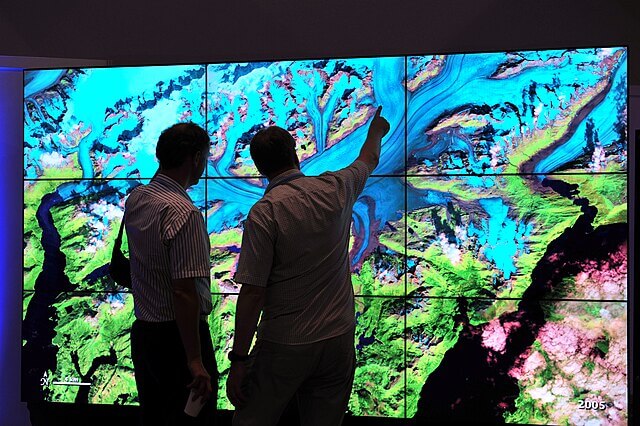
What they discovered surprised many scientists. While natural cycles of ice growth and melting have influenced Earth’s rotation before, today’s rate of change is unusually fast. In fact, researchers say the current increase in day length is unprecedented over the last 3.6 million years. Only one period roughly two million years ago came close to matching the pace seen today.
Climate Change Could Soon Rival the Moon
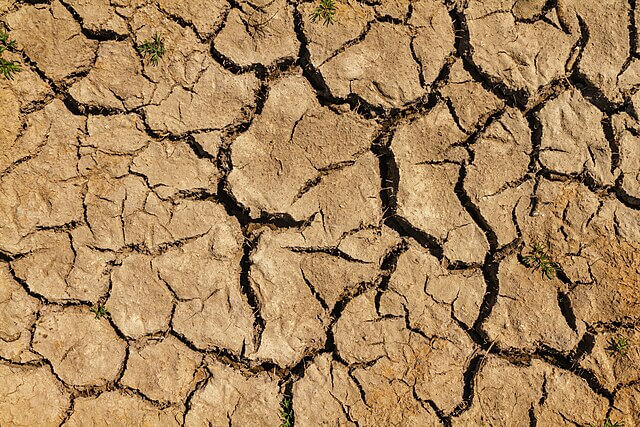
For most of Earth’s history, the moon has been the main force slowly altering our planet’s rotation. Its gravitational pull causes ocean tides that gradually slow the planet’s spin over long periods. But scientists now say climate change could soon rival or even exceed that influence. By the end of this century, melting ice and rising seas may play an even bigger role in shaping Earth’s rotation.
Why Even Tiny Time Shifts Matter
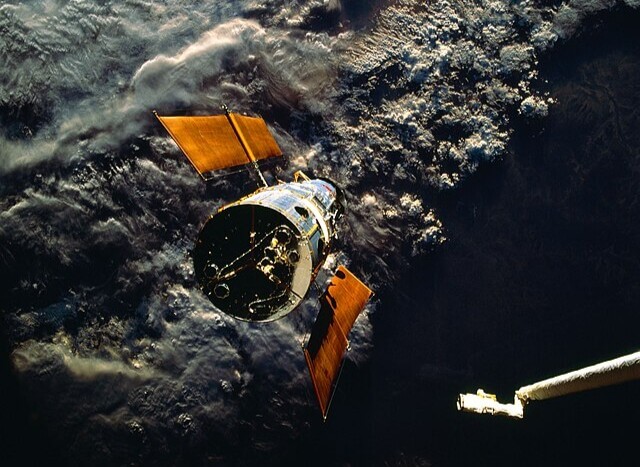
Even though the change is measured in milliseconds, it still matters for modern technology. Systems like satellite navigation, space missions, and astronomical measurements rely on extremely precise timing. Benedikt Soja, a geodesy professor at ETH Zurich, noted that even small shifts in Earth’s rotation can affect these calculations. That means scientists must track the planet’s spin with extraordinary accuracy.
A Subtle Signal of a Planet in Transition
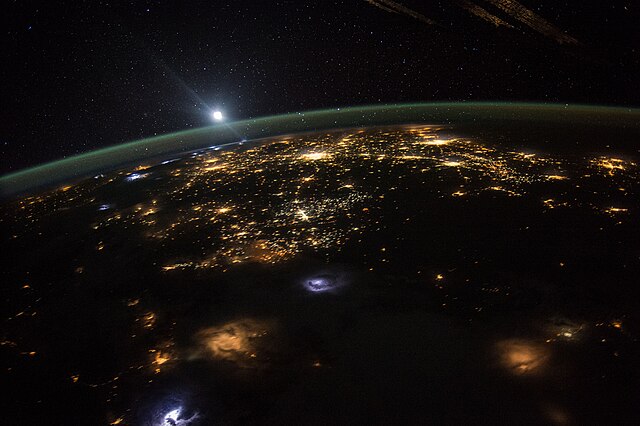
For most people, the idea that Earth’s days are getting longer may sound almost impossible to notice. And in everyday life, it truly is. But for scientists studying the planet, these tiny shifts reveal something much larger. The slow change in Earth’s rotation is another reminder that the climate system is influencing our world in ways we are only beginning to understand.