


Products are selected by our editors, we may earn commission from links on this page.

For decades, aging has often been viewed as a steady process of losing physical and mental abilities, but new research suggests that decline is not inevitable in every area of later life. A Yale study following more than 11,000 older Americans found that nearly half experienced measurable improvement in cognitive function, physical function, or both over time. The findings suggest that older adults may have more capacity for improvement than traditional ideas about aging have assumed.
Nearly Half of Older Adults Showed Measurable Improvement
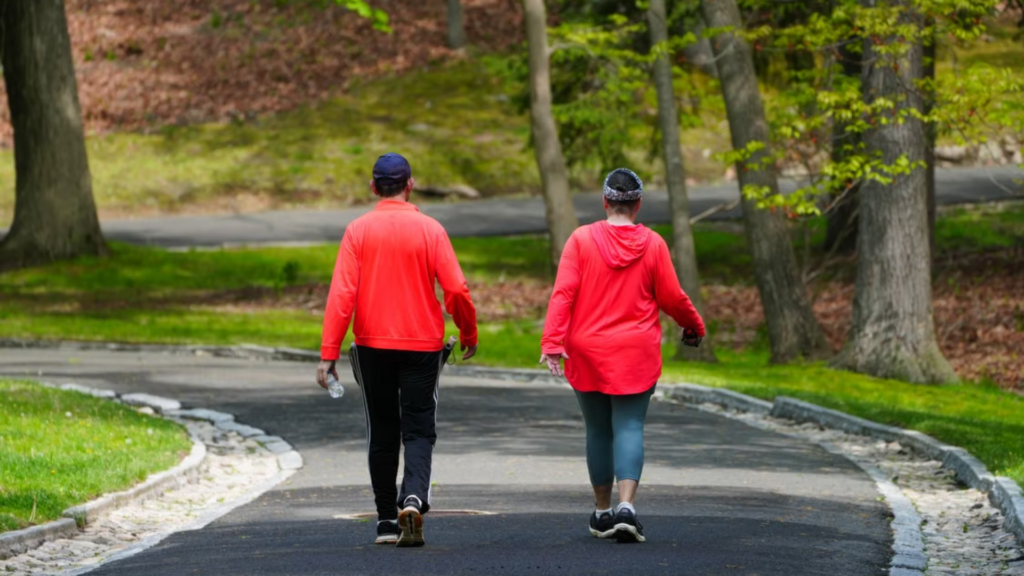
Researchers analyzed more than a decade of data from the federally funded Health and Retirement Study, following participants for as long as 12 years. About 45% of adults age 65 and older improved in at least one of the two areas researchers measured, with roughly 32% showing cognitive improvement and 28% showing physical improvement. The results challenge the assumption that growing older automatically means continuous deterioration in every aspect of health and function.
Cognitive Abilities Can Improve Later in Life

The study measured cognitive function using a global assessment and found that nearly one-third of participants improved in their mental abilities during the follow-up period. Importantly, the improvements were not limited to people who had started the study with significant cognitive problems, meaning some adults who were already functioning normally also showed gains. Researchers said these findings challenge the idea that improvement in later life is simply a temporary recovery from illness or another setback.
Physical Function Can Improve Too

Walking speed was one of the main measures researchers used to assess physical function because it is closely associated with disability, hospitalization and mortality in older adults. About 28% of participants improved physically, showing that some older adults can become stronger or more capable rather than simply losing physical function with every passing year. The researchers said these gains provide evidence of a reserve capacity for improvement even in later life.
Positive Beliefs About Aging May Play a Role
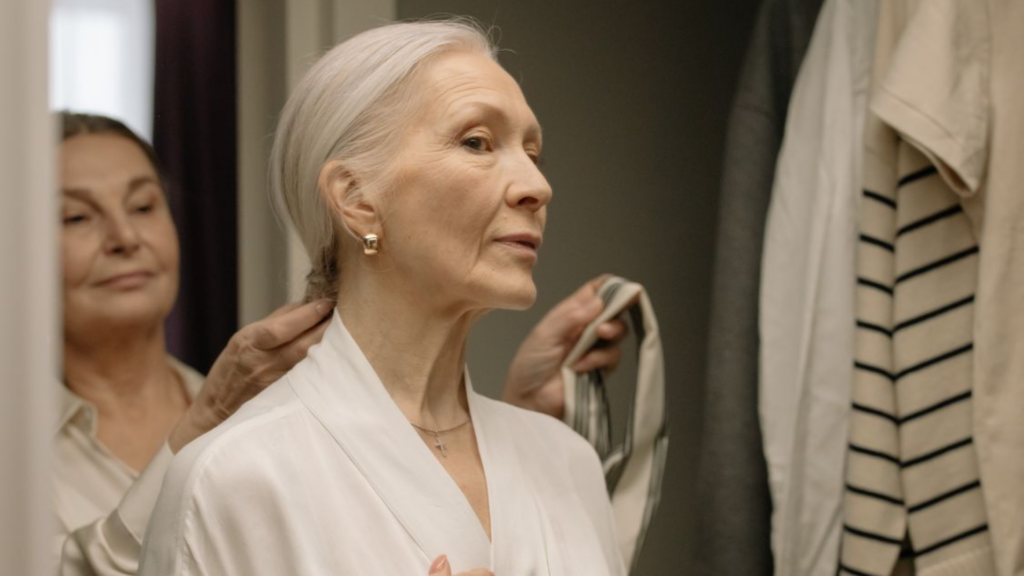
One of the study’s most interesting findings involved people’s beliefs about getting older, as participants with more positive age beliefs were significantly more likely to improve in both cognition and walking speed. The researchers accounted for factors including age, sex, education, chronic disease, depression and the length of follow-up, suggesting that the relationship could not simply be explained by those characteristics alone. The findings support the idea that attitudes toward aging may influence behavior or biological processes in ways that deserve further investigation.
The Brain and Body May Have More Reserve Than Expected
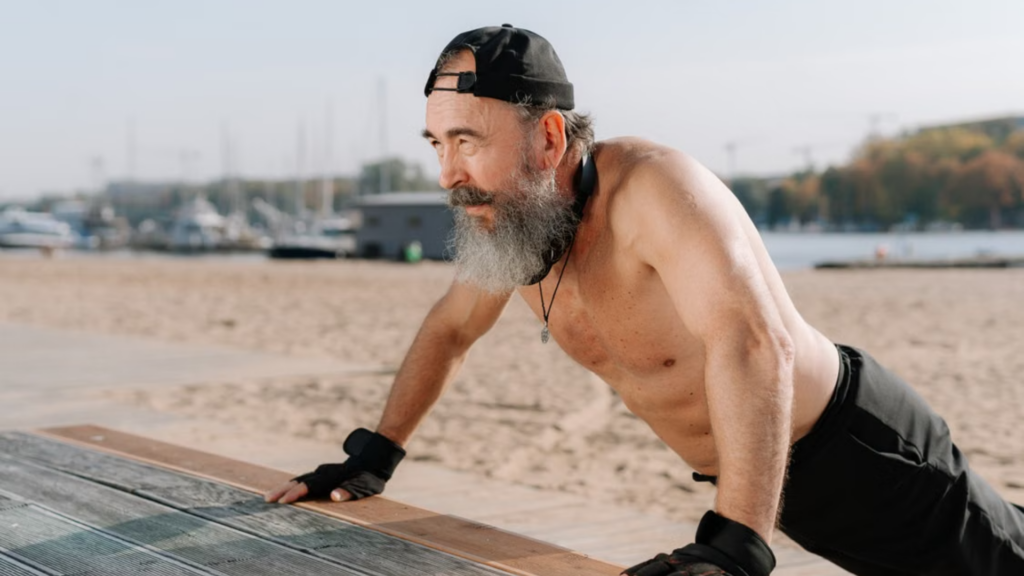
Yale researchers say their findings point to a potential reserve capacity for improvement in later life rather than a simple pattern of continuous decline. That does not mean aging can be completely reversed, but it does suggest that some age-related changes in cognition and physical ability may be more flexible than commonly assumed. The distinction matters because it shifts attention toward maintaining and potentially improving function instead of treating decline as unavoidable.
Other Research Points to Reversible Parts of Aging

Research in other areas has also raised questions about whether some biological effects associated with aging can be modified or reversed under certain circumstances. NIH has reported research suggesting that at least some consequences of aging may be reversible, while studies involving blood factors and biological aging markers have found that some age-related changes can shift in response to physiological conditions. Much of this evidence comes from laboratory or animal research, however, so it should not be interpreted as proof that scientists can currently reverse human aging.
Lifestyle Still Matters for Healthy Aging

The Yale findings do not replace established strategies for healthy aging, including regular physical activity, good nutrition, preventive health care, adequate sleep and treatment of chronic conditions. Instead, the results suggest that these efforts may be particularly valuable because older adults can retain or regain meaningful physical and cognitive abilities. Researchers hope the findings will encourage greater investment in prevention, rehabilitation and other programs that support resilience in later life.
Age Beliefs Could Become Part of Future Interventions

Because beliefs about aging can change, researchers say they could potentially become a target for interventions designed to encourage healthier outcomes among older adults. Earlier research led by Yale’s Becca Levy has linked negative age beliefs with poorer memory, slower walking speed, higher cardiovascular risk and biomarkers associated with Alzheimer’s disease. The new findings add to that body of research by suggesting that more positive views of aging may be associated with actual improvements in cognitive and physical performance.
Aging May Be More Flexible Than We Once Believed

The research does not show that people can simply think themselves younger or completely reverse the biological aging process, but it does challenge the idea that getting older automatically means relentless decline. Nearly half of the older adults studied improved in at least one important area, while positive attitudes toward aging were associated with a greater likelihood of those gains. The bigger message is that later life may offer more opportunities for recovery, adaptation and improvement than scientists and society have traditionally recognized.