

Products are selected by our editors, we may earn commission from links on this page.
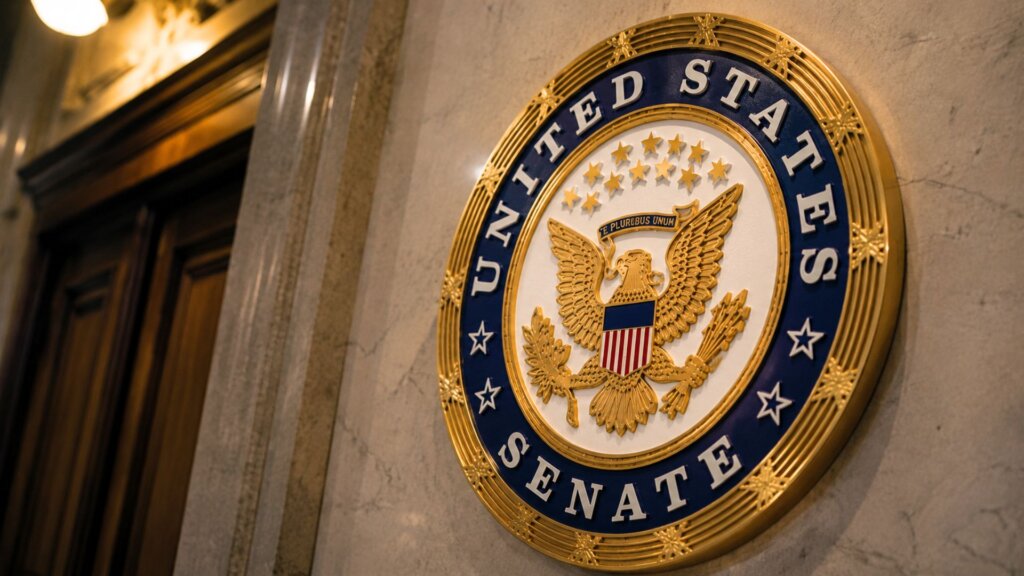
Three congressional candidates quietly logged onto a prediction market platform called Kalshi and placed bets on their own campaigns. One did it to make a point. One did it out of curiosity. And one simply lost. When Kalshi went public with its findings, the fallout was swift: the U.S. Senate voted unanimously to ban itself from these platforms entirely. It was a rare moment of bipartisan agreement, and it exposed how deeply prediction markets had already crept into American political life.
This article was created with the assistance of AI and reviewed by our editorial team for accuracy and clarity.
What Is a Prediction Market, Exactly?

Prediction markets are online platforms where users place bets on the outcomes of real-world events, from elections to military operations to economic announcements. Two of the largest, Kalshi and Polymarket, operate under federal oversight by the Commodity Futures Trading Commission. Rather than traditional gambling, their trades are structured as commodity contracts. This regulatory distinction has allowed them to operate nationally, even as several states have pushed back against their expansion.
The Candidates Who Bet on Themselves
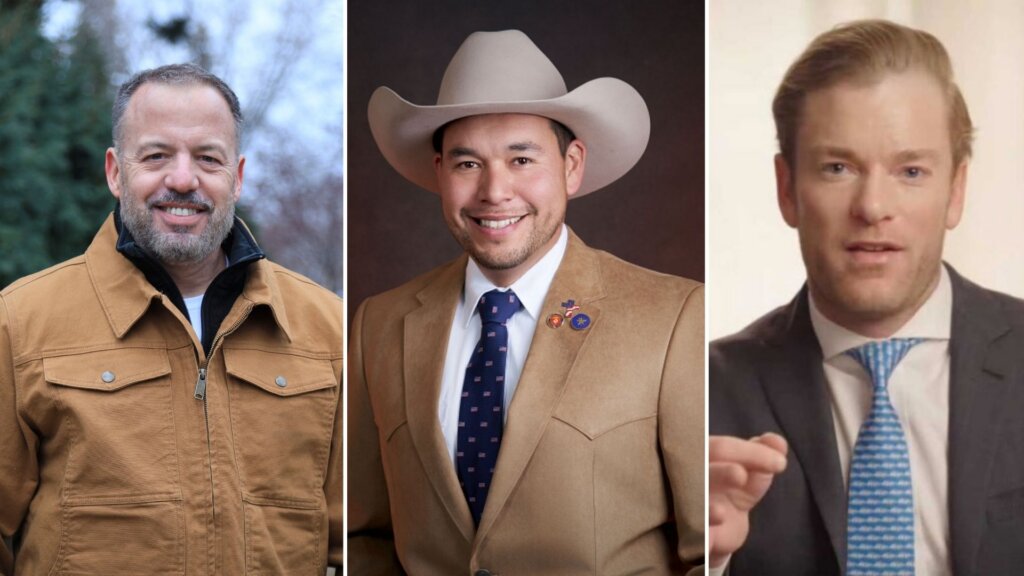
Kalshi announced enforcement actions against three congressional candidates in April 2026. Democrat Matt Klein, running for a Minnesota House seat, wagered $50 on his own primary victory. Republican Ezekiel Enriquez, who ran in a Texas House primary, placed a similarly small bet. Independent Virginia Senate candidate Mark Moran bet roughly $100 on himself and, unlike the others, said openly that he did it on purpose. All three received five-year platform suspensions from Kalshi.
The Fines Were Small, but the Point Was Not

Klein and Enriquez settled with Kalshi, paying fines of $539.85 and $784.20 respectively. Moran refused to settle and was fined $6,229.30. The penalties drew immediate criticism. As PBS reported, U.S. Representative Mike Levin called the punishments “a parking ticket.” The agreements were with the company, not federal regulators, and the CFTC took no independent action against any of the three candidates.
One Candidate Said He Wanted to Get Caught

Mark Moran was unusually candid. He told the Associated Press he placed the bet specifically to expose what he saw as a broken system, arguing that any well-funded candidate could move prediction market odds by betting heavily on themselves, and that media coverage of those odds could then influence actual voters. “For $100,” he posted online, “I just got more attention from CNN, Fox, WSJ, etc. than any media consultant ever.” He rejected a settlement that would have required him to issue a public statement.
A Soldier, Classified Information, and $400,000

The candidates’ small bets paled against a far more serious case unfolding simultaneously. U.S. Army Special Forces Master Sergeant Gannon Ken Van Dyke was charged with using classified knowledge of “Operation Absolute Resolve,” the January 2026 military mission that captured Venezuelan President Nicolás Maduro, to place approximately $34,000 in bets on Polymarket. He reportedly walked away with more than $400,000 in profit. Federal prosecutors said he later attempted to delete his account to cover his tracks.
The Senate Acts, But Enforcement Is Another Matter
On April 30, 2026, the U.S. Senate voted unanimously to ban its members and staff from trading on prediction markets, amending its internal conflict-of-interest rules. Senator Bernie Moreno of Ohio, who introduced the resolution, called such activity incompatible with public service. Senator Alex Padilla of California added an amendment covering Senate staff. The rule took effect immediately. However, critics have long noted that the Senate Ethics Committee’s enforcement record is considerably weaker than its House counterpart.
Democrats Want the Ban Extended Further
Padilla used the Senate vote to call for broader action, specifically targeting Trump administration officials he believes may be profiting from insider knowledge on prediction platforms. Both Polymarket and Kalshi count Donald Trump Jr. as an advisor, and a venture capital firm he backed has invested in Polymarket. A bipartisan bill introduced by Senators Todd Young and Elissa Slotkin would extend the trading ban to all federally elected officials and government employees, with Young describing the Senate resolution as “a good first step” but calling for more.
The Federal Government Is Fighting States That Try to Regulate
While Congress moved to restrict its own members, the Trump administration has simultaneously blocked states from imposing their own rules on prediction markets. The CFTC filed lawsuits against Arizona, Connecticut, and Illinois to challenge their regulations, with CFTC Chairman Michael Selig stating the agency would “safeguard its exclusive regulatory authority.” The federal government also won a court ruling preventing New Jersey from enforcing its own limits. The industry’s federal protections remain firmly in place.
Betting on Democracy Has a Real Cost
The Senate’s self-imposed ban addressed a narrow but real problem: officials with privileged knowledge making money from it. But the larger issues remain. An Army soldier allegedly turned a classified military mission into a $400,000 payday. Prediction market odds are increasingly treated as credible signals by journalists and voters alike. And the platforms most implicated in these scandals have financial ties to the sitting president’s family. The Senate closed one door. The more consequential ones are still wide open.