

Products are selected by our editors, we may earn commission from links on this page.
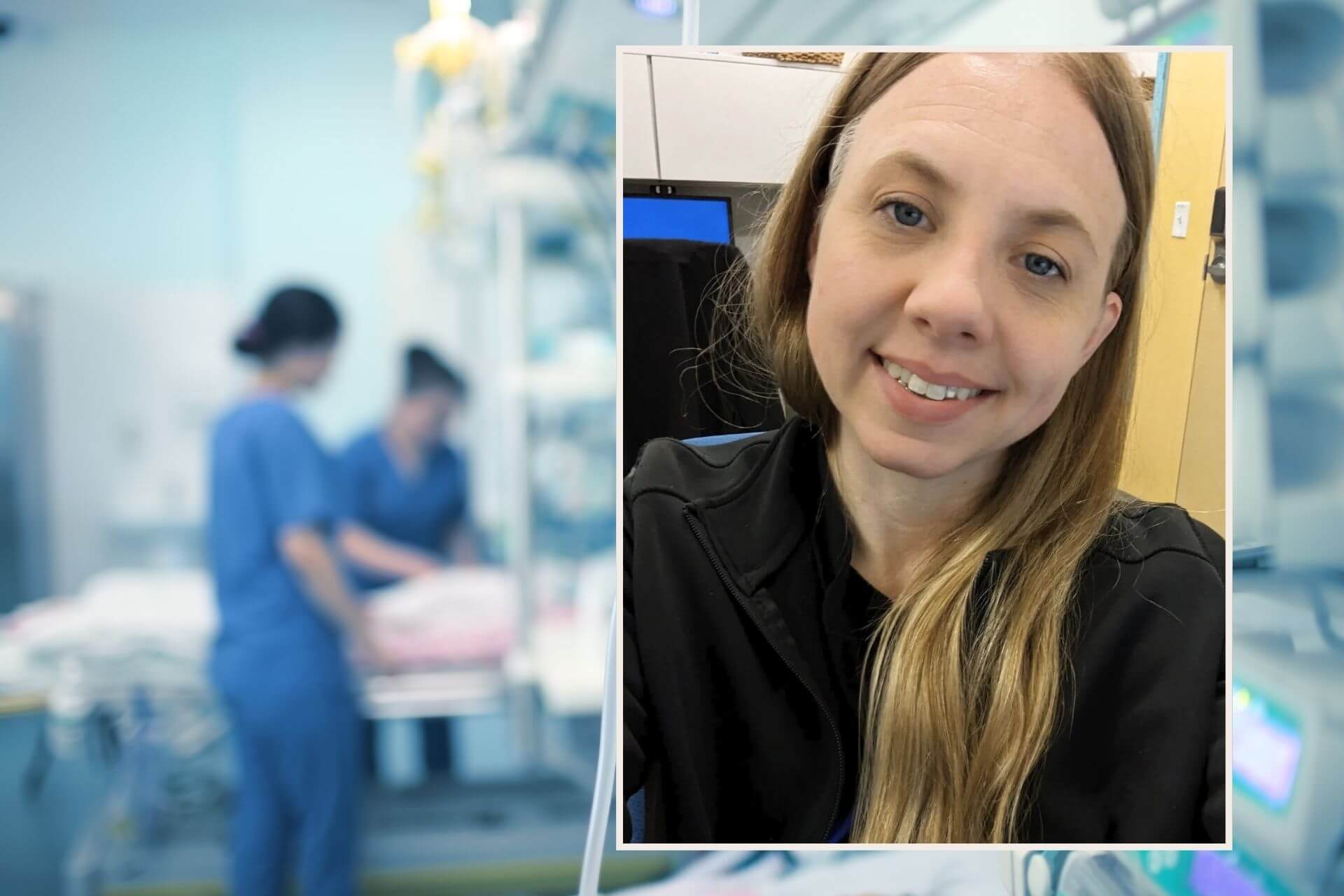
Melissa Main entered nursing with the same belief that draws many into the profession: the idea that caring for people, especially at their most vulnerable, is meaningful work. But in a deeply personal essay published by HuffPost, she describes how years inside hospital systems slowly pushed her away from that calling. What finally broke her wasn’t a single tragedy, but being asked to enforce rules that actively harmed patients and families.
Drawn to a Calling

Main writes that she understood nursing would be difficult, but not how completely it would drain her. Early in her career, she discovered that working three 12-hour shifts could leave her physically and emotionally unable to function on her days off. Exhaustion, she explains, wasn’t just physical—it was moral, the kind that lingers even when the shift ends.
Ratios That Made Safety Impossible

Her first job on a medical-surgical unit came with an eight-patient-to-one-nurse ratio. Medication passes stretched for hours, charting piled up at the end of already long shifts, and breaks were rare. In the essay, Main recalls realizing that no amount of personal dedication could make such conditions safe.
Speaking Up Came at a Cost

When a respected nurse made a medication error under the crushing workload, Main defended her colleague. She told a manager the system set nurses up to fail. His response, she wrote, was blunt: “If that is your opinion, you are never going to make it in nursing.” It was her first lesson in how honesty was discouraged when it challenged the system.
Emotional Labor in Pediatrics
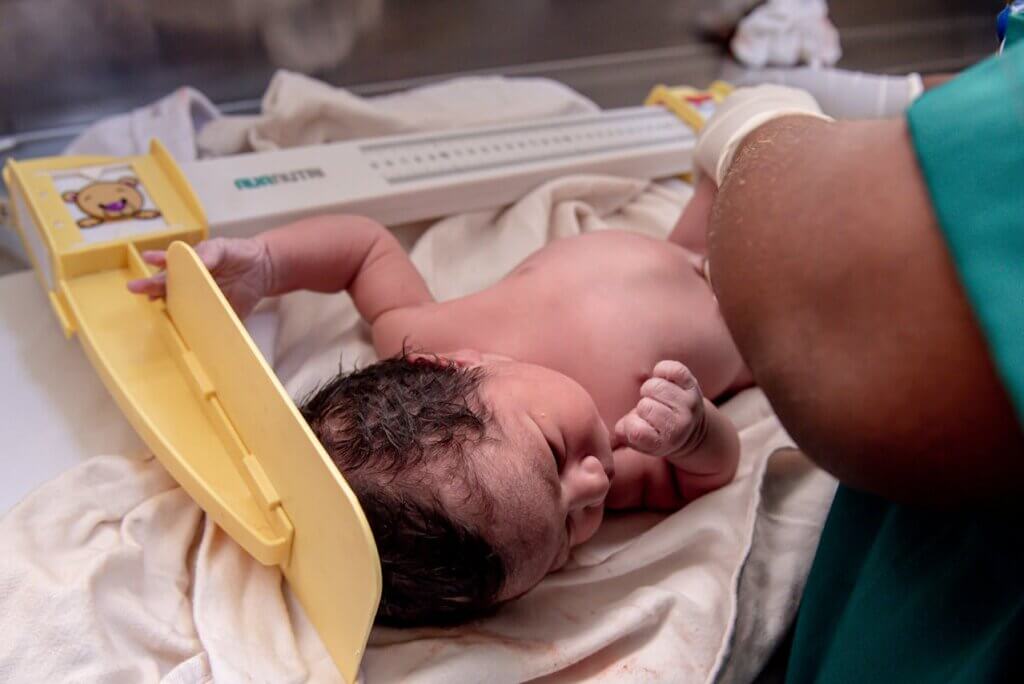
Later, Main moved into pediatrics, hoping better staffing would ease the pressure. The ratios improved, but the emotional load intensified as children’s conditions changed rapidly and parents relied on nurses for constant reassurance. She describes moments when communication failed so badly that families waited for hours, unaware their child had been transferred to intensive care.
Climbing the Ladder for Answers

Believing she could fix problems from higher up, Main became a house supervisor. Instead of gaining influence, she found herself trapped between overworked staff and upper management unwilling to approve additional help. Each night required justifying basic safety needs to leaders who often said no.
Enforcing Rules That Hurt

The turning point came when she was required to enforce policies she no longer believed in. Main recounts being escorted by security to remove family members, not because they were disruptive, but because policy demanded it. One night, she had to separate siblings in the middle of the night despite a parent’s pleas. She writes that was the moment she realized she was no longer practicing nursing, but policing it.
Burnout That Took a Physical Toll
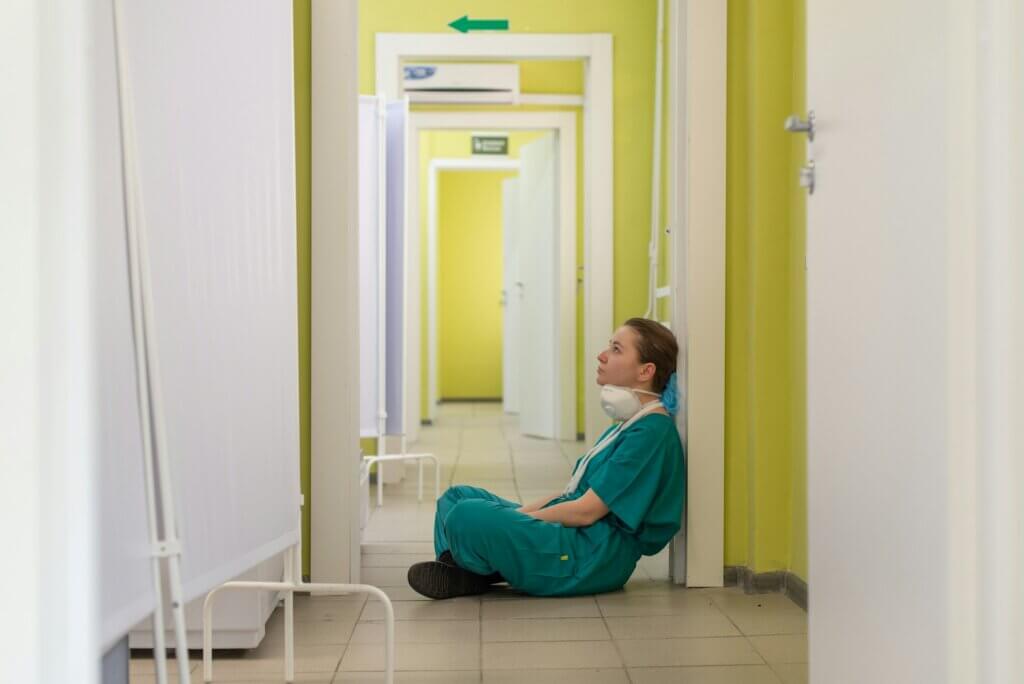
The moral conflict eventually manifested in her body. Main describes panic attacks, chest tightness, and hyperventilation on the drive to work. Medical tests ruled out heart problems, but she recognized the symptoms from years of caring for others. The stress wasn’t episodic—it had settled in permanently.
Searching for a Different Way to Help

Leaving bedside nursing didn’t end her desire to serve. Main moved into public health, becoming the sole public health nurse in a rural county. She hoped to address housing instability, food shortages, and basic infrastructure, but funding cuts and political constraints narrowed her work to smaller interventions.
Choosing to Step Away
Eventually, Main left formal nursing altogether. She writes about building a quieter life, one rooted in community and mutual support rather than institutional rules. Her essay closes with a reminder that nurses don’t lack resilience; they lack systems that protect patients and caregivers alike. “Nurses should not have to leave the bedside to save themselves,” she writes, a warning about what happens when care becomes secondary to policy