


Products are selected by our editors, we may earn commission from links on this page.

Over the past few years, Hollywood has shifted toward noticeably thinner silhouettes, sparking questions about whether a new beauty era has arrived. Some attribute the change to the growing visibility of weight-loss medications like GLP-1 agonists, while others see it as another cycle of longstanding body standards. The conversation is louder than ever, not because thinness is new, but because the stakes feel different in the Ozempic age.
A Familiar Trend With New Momentum

Beauty standards have swung back and forth for centuries, but the renewed prominence of very slim frames in entertainment has caught public attention. Commentators note that some celebrities now appear significantly smaller than they did just a few years ago, prompting concern from both fans and industry insiders. For many observers, it feels like a return to the early-2000s “skinny chic” era, only amplified by social media’s constant visibility.
When Celebrity Bodies Become Public Conversation
Celebrities themselves have addressed the scrutiny. Ariana Grande urged people to avoid comparing bodies, reminding fans that no one can know another person’s health from appearance alone. Emma Stone has echoed similar sentiments, saying that public commentary about her size throughout her career has been both invasive and inaccurate. Meghan Trainor has voiced the same struggle, sharing that online comments about her recent weight loss felt “evil” and deeply hurtful, admitting she “cried so much” after strangers attacked her appearance. Their responses highlight how body talk, even when well-intentioned, can easily drift into harmful territory.
Concerns Raised Within the Industry

Some figures in entertainment have voiced worry about the rise of increasingly thin bodies. In a TikTok video, actress Jameela Jamil shared her thoughts about the trend and said it has become “hyper-normalized,” describing how many peers look physically fragile in person and how difficult it is to address these shifts without being accused of body-shaming. Her comments reflect a tension many feel: a desire to discuss cultural patterns without criticizing individuals.
Understanding the Role of Ozempic and GLP-1 Medications

The emergence of medications like Ozempic and Wegovy has changed how people talk about weight loss. Originally developed to treat type 2 diabetes, these drugs suppress appetite and can produce substantial weight reduction, sometimes comparable to surgical outcomes. While effective, they also carry risks, including reports of gastrointestinal complications and instances of medication misuse when obtained without proper medical supervision.
Access, Popularity, and Public Perception
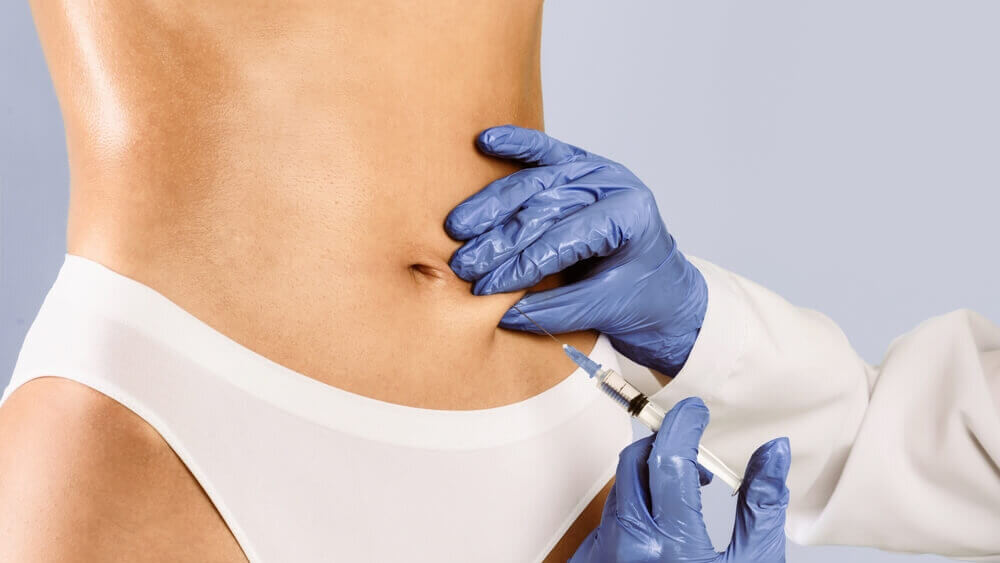
Rising demand has led to shortages, leaving some diabetic patients struggling to access their prescriptions. Meanwhile, policy proposals aim to make weight-loss drugs more widely available by expanding insurance coverage, potentially bringing millions more into the conversation. These developments complicate the public’s perception: Are these medications tools for better health, or products reshaping beauty culture in ways we don’t fully understand yet?
Why “Skinny Culture” Feels So Charged Today

Social media intensifies how bodies are viewed, compared, and discussed. What once appeared only on magazine covers now fills daily feeds, making shifts in appearance more noticeable and more easily scrutinized. Critics argue that online pressure can distort self-image and deepen insecurities, especially among younger audiences navigating ever-changing beauty norms.
The Emotional Weight of Body Standards

Health experts emphasize that body-shaming, whether directed at thin or larger bodies, carries serious psychological consequences. According to research cited by HelpGuide, shaming affects self-esteem, increases anxiety, and fuels unhealthy habits rather than improving well-being. This underscores why conversations about celebrity size must be handled with care, compassion, and context.
What Does “Healthy” Even Mean?
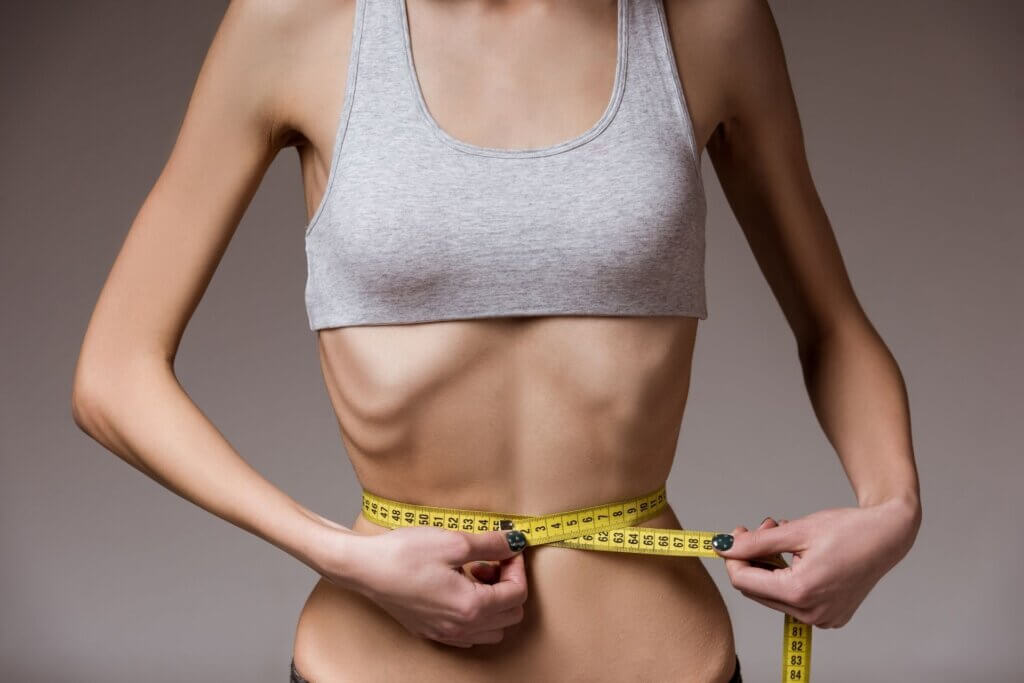
Medical guidance stresses that thinness alone is not a reliable indicator of health. Experts notes that healthy bodies vary widely, and weight makes up only one component of overall well-being. Factors like genetics, muscle mass, mental health, medication use, and lifestyle all influence physical condition—none of which can be assessed by appearance alone.
Youth Are Feeling the Pressure

Studies show that teens and young adults are increasingly curious about weight-loss medications and how celebrities use them. Researchers found that many young people see GLP-1 drugs as a shortcut to an “ideal” body, reflecting broader insecurities tied to digital culture and comparison. Their responses highlight the need for clear, balanced education around health rather than aesthetics.
Is This the New Beauty Standard — or Another Passing Era?

Some analysts believe that as Ozempic becomes more accessible, beauty ideals may shift again. They note that if thinness becomes widespread rather than exclusive, cultural preferences may evolve, as they have many times throughout history. Others argue that the fixation on slim bodies never truly disappeared — it simply adapted to new tools and social environments.
A Body Conversation Still in Progress

So, is this the “new healthy” or the cost of beauty in the Ozempic age? The truth sits somewhere in the middle. Medications can be valuable for people who need them, but they cannot define health or worth, and neither can celebrity trends. As the cultural landscape shifts, one thing remains clear: conversations about bodies work best when they center empathy, context, and respect rather than assumptions.