

Products are selected by our editors, we may earn commission from links on this page.
Could the shrubs and flower beds surrounding your property be harboring a hidden, high-tech eye tracking your family’s every move? Homeowners in upscale Southern California neighborhoods are facing a sophisticated new security threat as law enforcement officials issue urgent public safety alerts regarding covert surveillance devices planted directly into residential landscaping. What appears to be an innocent piece of garden foliage could actually be a tactical tool utilized by organized crime syndicates to execute targeted residential burglaries.
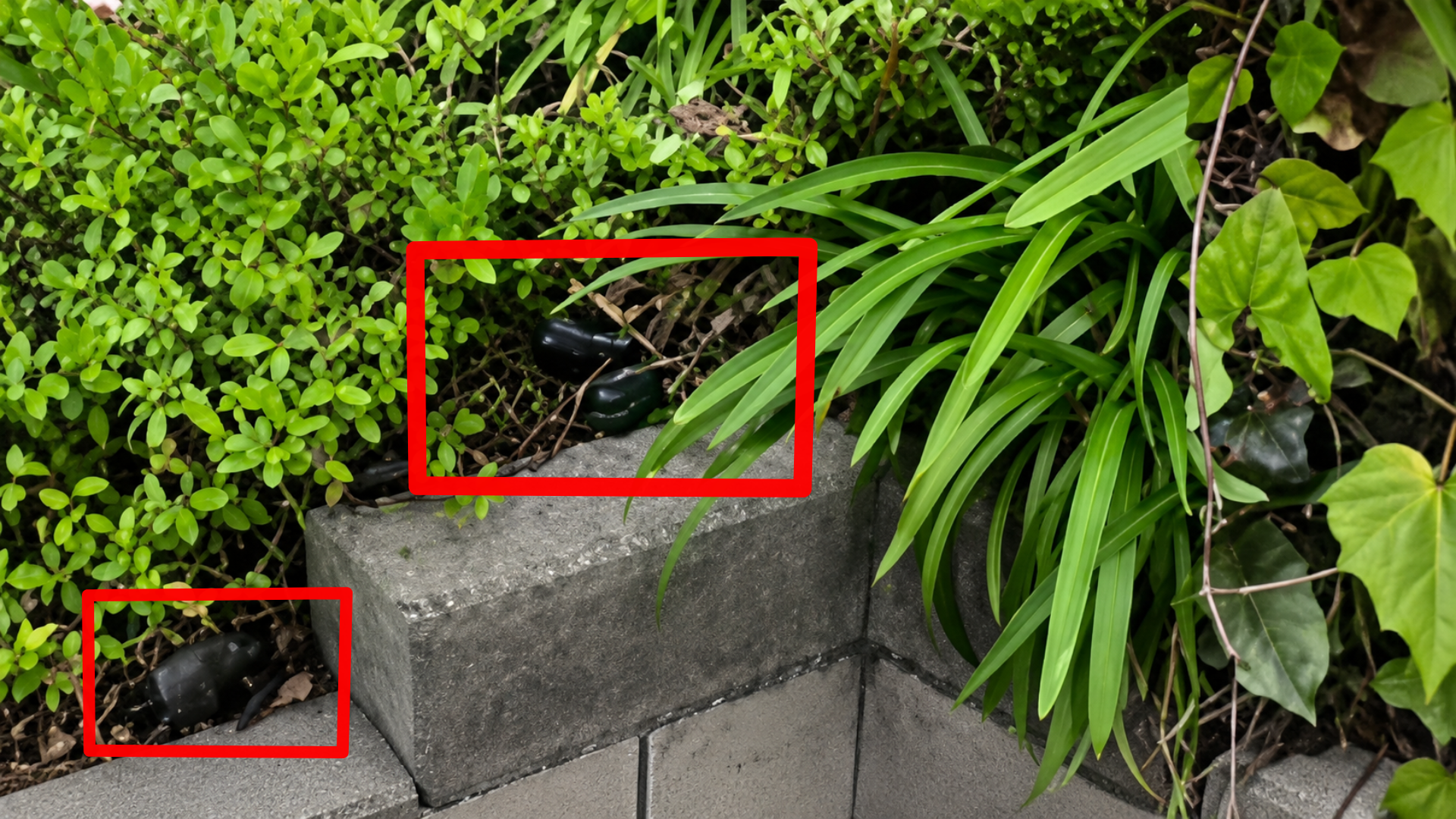
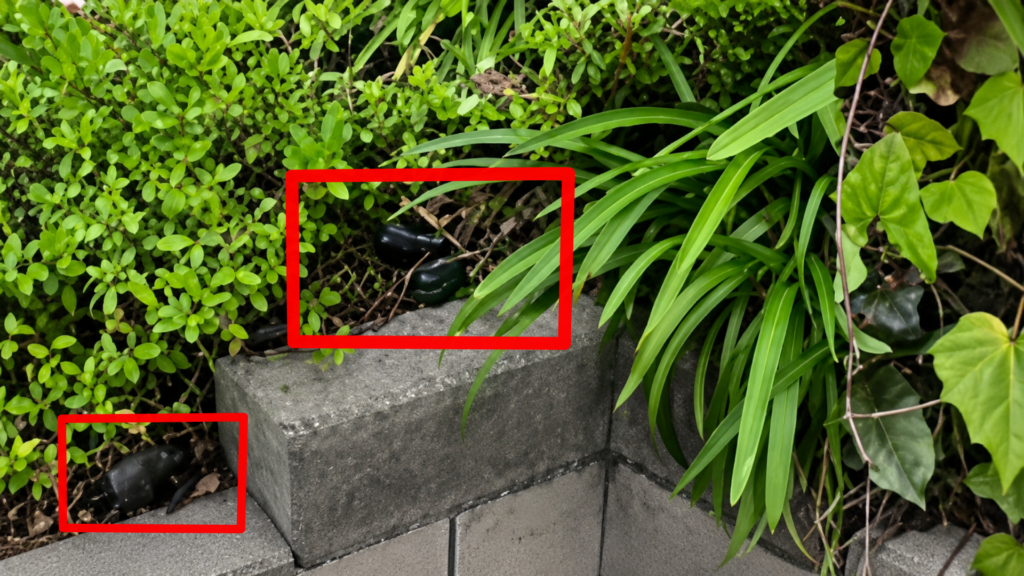
The localized panic intensified following a recent residential investigation handled by the San Dimas Sheriff’s Station, a regional division of the Los Angeles County Sheriff’s Department. On May 12, 2026, deputies responding to a reported break-in along the 800 block of Via Gregorio uncovered a fully functional, concealed surveillance apparatus hidden deep inside the manicured bushes directly across from the victim’s driveway. The customized spying assembly consisted of a miniature high-definition camera connected to a portable Wi-Fi hotspot and an external battery pack.
Remarkably, investigators revealed that the high-tech discovery was not an isolated incident within the wealthy Los Angeles suburb. Just one week prior, an independent landscaper trimming overgrown hedges near another home in the exact same neighborhood uncovered a secondary operational device. In that instance, the suspects had used a mobile phone hooked up to a high-capacity power bank, wrapping the entire rig in thick green camouflage tape and masking the lens with intricate layers of artificial foliage to mimic natural vegetation.
The Anatomy of a High-Tech Camouflage Stakeout
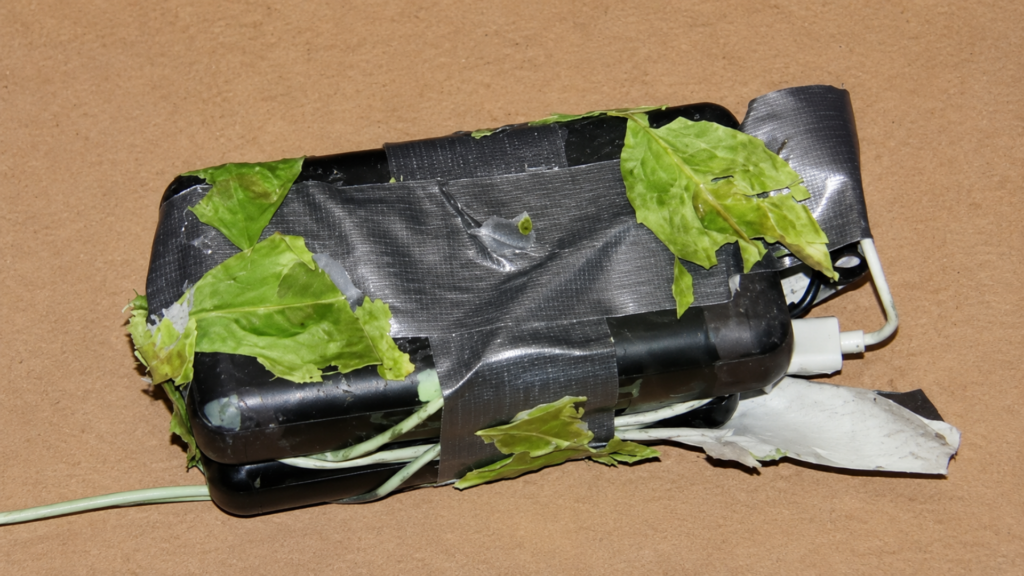
Law enforcement technical units analyzing the retrieved equipment warn that these tactical surveillance rigs are specifically engineered to blend seamlessly into residential plant beds. By utilizing portable cellular hotspots, organized theft crews can stream real-time, continuous video feeds directly to remote mobile devices miles away from the target zone. This allows scout teams to maintain an active digital stakeout without raising suspicion by parking unfamiliar vehicles on neighborhood streets.
The primary purpose behind these hidden garden cameras is to gather granular, long-term intelligence on high-value properties. Rather than executing random, opportunistic break-ins, modern burglary rings use the cameras to map out the daily routines of homeowners, establish precise departure windows, and pinpoint exactly when a luxury estate is completely vacant. The digital feeds also allow criminals to monitor local police response times and identify specific blind spots in a property’s primary security perimeter.
The discovery of these disguised devices has prompted regional civic organizations to quickly organize grass-roots defensive measures, with residents establishing updated neighborhood watch initiatives to systematically inspect community infrastructure. Local homeowners expressed shock at the deliberate placement of the tech, noting that the equipment was positioned so expertly within the dense shrubbery that everyday property owners would have walked past it for weeks without ever noticing a discrepancy.
Tactical Shifts in Regional Property Crimes
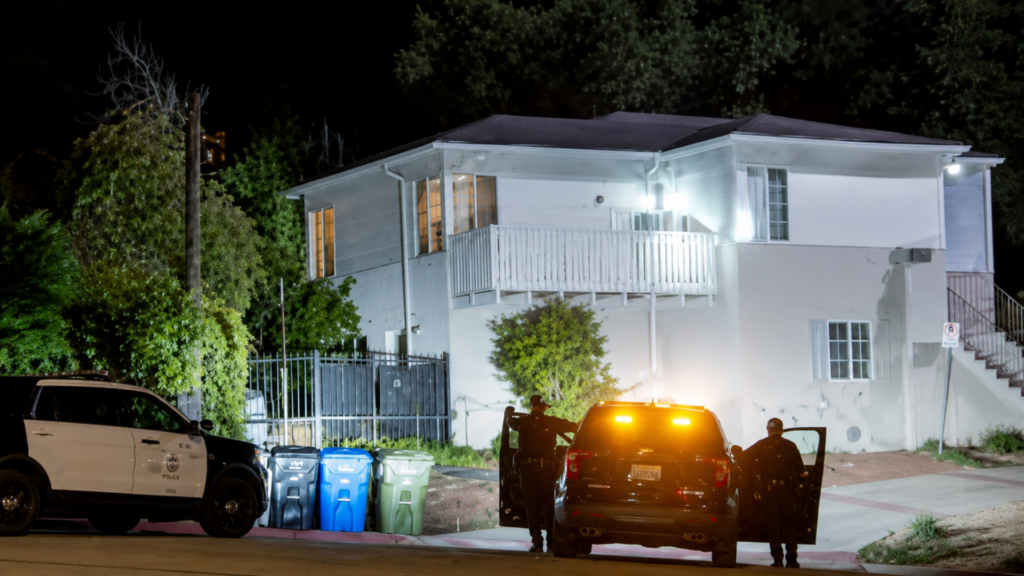
The unfolding situation in the San Gabriel Valley highlights a broader, highly sophisticated trend in American property crime, where specialized networks rely heavily on advanced technology to execute high-stakes heists. Law enforcement officials have traced multiple similar camera operations back to sophisticated transnational theft groups, often referred to as burglary tourists. These highly organized crews frequently secure temporary visas to enter the United States from South America, targeting affluent coastal and suburban neighborhoods across Southern California, Arizona, and Nevada.
According to senior administrative briefings from the Los Angeles Police Department, these international crews operate with corporate-level planning, utilizing rental cars, cloned license plates, and sophisticated Wi-Fi jamming equipment alongside hidden cameras to disable traditional residential alarms. While overall, low-level property crimes have experienced a downward trend across the wider metropolitan region, the financial severity and technical execution of targeted luxury residential break-ins have risen sharply, posing a unique challenge for local precinct detectives.
The strategic use of camouflaged trail cameras and cell phone rigs first surfaced in neighboring municipalities over the past two years, but the latest discoveries in San Dimas suggest the tactic has become standard operational procedure for professional crews. Because these networks move rapidly between states and quickly funnel stolen jewelry, high-end watches, and physical currency out of the country, local police departments are relying heavily on preventative community alerts to disrupt the scouting phase.
Practical Protection Protocols for Homeowners

To counter the threat of automated surveillance, public safety agencies are issuing specific, proactive security protocols for property owners throughout the region. Homeowners are being surged to conduct meticulous, physical sweeps of their property perimeters at least once a week, paying close attention to dense planters, tree crotches, and low-lying flower beds. Security experts recommend keeping all exterior trees and decorative hedges neatly manicured, effectively removing the dense foliage layers required to conceal a recording rig.
“Residents are encouraged to remain vigilant and be aware of suspicious or hidden cameras that may be placed in or around yards, entryways, or exterior areas of homes,” the San Dimas Sheriff’s Station advised in an official community directive. “If you observe anything suspicious or unusual, please report it to local law enforcement immediately.”
Detectives emphasize that if a homeowner happens to locate an unfamiliar electronic device, power bank, or wrapped bundle hidden in their yard, they must strictly avoid touching, moving, or tampering with the item. The physical apparatus can yield vital forensic evidence, including latent fingerprints, localized DNA profiles, or digital metadata from the cellular hotspot that can help investigators track down the handlers. Instead, residents should maintain a safe distance and immediately contact their local sheriff’s station to dispatch a forensics officer to safely retrieve the unit.