


Products are selected by our editors, we may earn commission from links on this page.
A golf-ball-sized hailstorm tore through Tulsa County, Oklahoma, in May 2024, and when Tim Willard stepped outside, his shingles were gone, and his lawn was blanketed in ice. His insurer, State Farm, initially agreed his roof needed replacing. Then, within the same day, the company reversed its decision, denied his claim, and canceled his policy. Willard was left holding a battered roof and a bill he could not cover out of pocket.
Willard’s story is not isolated. Hundreds of homeowners across the country have filed similar lawsuits against State Farm, the largest home insurer in the United States, alleging the company denied legitimate claims for hail and wind damage. Oklahoma alone had more than 600 pending lawsuits against State Farm as of this past spring, according to a law firm managing some of those cases. Several suits have ended in multimillion-dollar settlements, with homeowners bound by confidentiality agreements.
What makes these allegations especially striking is who has joined the legal fight. Oklahoma’s Republican attorney general, Gentner Drummond, has intervened in one of the lawsuits, accusing State Farm of running a coordinated, secret scheme to deny and minimize payouts for roof damage. Drummond put it plainly: when a valid claim is denied, homeowners are forced to borrow money or let their homes deteriorate, creating serious financial harm across entire communities.
How The Denials Allegedly Work

According to court filings reviewed by NPR, State Farm began a cost-cutting initiative in Texas in 2020 and quickly expanded it to Oklahoma and other states. The alleged scheme relies on two tactics. First, the company applies internal definitions and exclusions when evaluating wind and hail claims, criteria that do not appear anywhere in the policies customers actually signed. Homeowners, in other words, are being judged against rules they were never shown.
Nicole Maziasz of Wisconsin filed a claim after a 2023 hailstorm damaged her roof. State Farm hired an engineer who determined the roof lacked what he called “functional damage,” since shingles were not fractured or punctured all the way through. Her policy contained no such definition of functional damage and no language describing what a covered hail loss actually required. After denying her claim, State Farm threatened to drop her coverage unless she replaced the roof at her own expense.
Maziasz eventually sued and settled, recovering the roughly $30,000 she had spent on a new roof plus attorney fees. Her message to State Farm was pointed: the company would cash her premiums but fight her at every turn when she needed help. Carole Dulisse, a plaintiffs’ attorney in Oklahoma, put the strategy more bluntly, saying State Farm was effectively rewriting customers’ policies to insert exclusions that simply do not exist.
“My Conscience Was Really Getting to Me”
The second tactic alleged in the lawsuits targets State Farm’s own adjusters. Rather than letting field adjusters decide independently when a roof should be replaced, the company allegedly required managers to review their assessments and ensure those assessments aligned with State Farm’s internal damage definitions, the same definitions absent from customers’ policies. In a 2022 deposition, former State Farm claims specialist Amy Lanier said her team was directed to deny claims even when adjusters believed the damage warranted payment.
“My conscience was really getting to me,” Lanier said in the deposition, describing moments when she had to call homeowners to tell them their ruined roofs were being written off as wear and tear. She also recalled colleagues raising early warnings that the company’s approach would invite lawsuits. State Farm’s lawyers denied that the company has any broad requirement for managers to review adjusters’ roof replacement decisions.
Ryan Graff, a Wisconsin attorney who represented Maziasz, argues the solution is straightforward: State Farm could simply disclose its internal coverage restrictions in the policies it sells. He says the company does not do this because vague policies attract more customers and generate more revenue. The coverage exclusions that drive denials remain invisible to policyholders until the moment they file a claim, and the rejections begin. State Farm declined to address his argument directly.
A System Under Strain and A Reckoning That May Be Coming
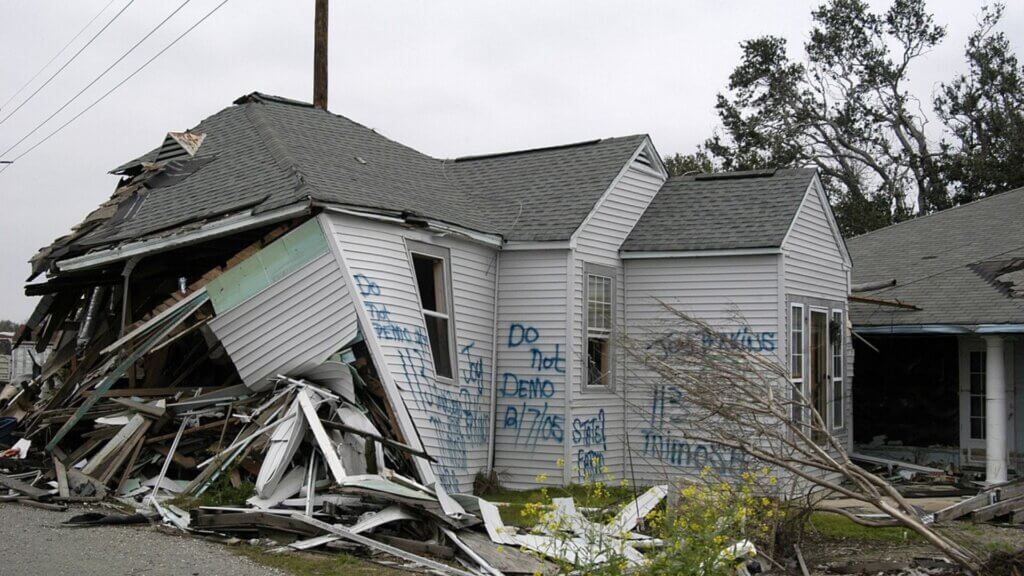
The State Farm controversy unfolds against a backdrop of a home insurance market under significant stress. Since 2021, average U.S. home insurance costs have risen 46%, roughly three times the rate of inflation, according to Insurify. Hail alone contributed to $51 billion in insured losses last year from severe storms, accounting for up to 80% of annual severe storm claims. Insurers have responded by dropping policyholders in high-risk areas at alarming rates, leaving millions of homes without coverage.
State Farm has not been immune to legal consequences. In 2022, it paid the federal government $100 million to settle allegations of fraud tied to its handling of Hurricane Katrina claims. More recently, juries in Oklahoma have ordered the insurer to pay homeowners $2 million and $3 million, respectively, for bad-faith claim denials. Despite those verdicts, plaintiffs’ lawyers say State Farm has not changed its approach, treating settlements as a cost of doing business rather than a signal to reform.
Attorney General Drummond says that is precisely why state intervention is necessary: settlements that require silence from plaintiffs and return of discovery documents to State Farm allow the insurer to avoid the public accountability that might actually change its behavior. He has made clear his office is also examining other insurers.