

Products are selected by our editors, we may earn commission from links on this page.
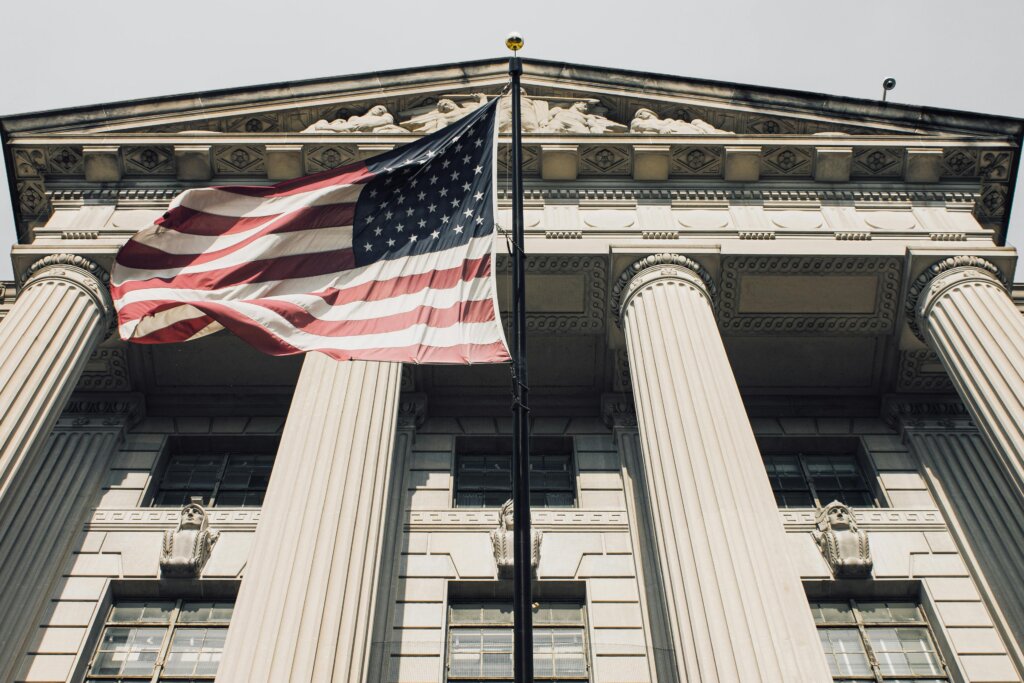
More than half a century after the Voting Rights Act became one of the defining achievements of the civil rights movement, a new Supreme Court ruling has reignited national debate over how far federal protections for minority voters should extend. Legal scholars, civil rights advocates, and conservative legal thinkers are now sharply divided over whether the court’s latest decision reflects constitutional restraint or a significant rollback of voting protections.
The ruling, centered on the Louisiana v. Callais case, narrowed the legal standard used to challenge electoral maps under Section 2 of the Voting Rights Act. In practical terms, challengers alleging racial vote dilution will now face a higher burden in court. Rather than relying primarily on discriminatory outcomes, plaintiffs may need to demonstrate evidence of intentional discrimination by lawmakers.
Supporters of the decision argue the court is reinforcing a “color-blind Constitution,” maintaining that race should not dominate the drawing of electoral districts. Critics, however, contend the ruling weakens one of the last major enforcement tools protecting minority voting power, particularly in states with long histories of racial discrimination in elections.
The Decision Builds on Years of Voting Rights Battles

The latest ruling did not emerge in isolation. It follows more than a decade of Supreme Court decisions that have steadily reshaped the scope of the Voting Rights Act. Much of that legal transformation traces back to the court’s 2013 Shelby County v. Holder decision, which struck down the formula used to determine which states required federal oversight before changing voting laws.
At the time, Chief Justice John Roberts wrote that “things have changed dramatically” since the law’s passage in 1965, arguing the coverage formula relied on outdated conditions from earlier decades. The ruling effectively rendered Section 5’s federal preclearance system inoperative unless Congress created a new formula — something lawmakers have not done.
Civil rights organizations and voting advocates have long argued that the weakening of preclearance opened the door for states to implement stricter voting rules and redraw district maps with less federal scrutiny. Some conservative legal scholars, meanwhile, maintain the original law imposed unfair burdens on certain states despite major progress in minority voter participation over the last several decades.
Louisiana Case Highlights Redistricting Tensions
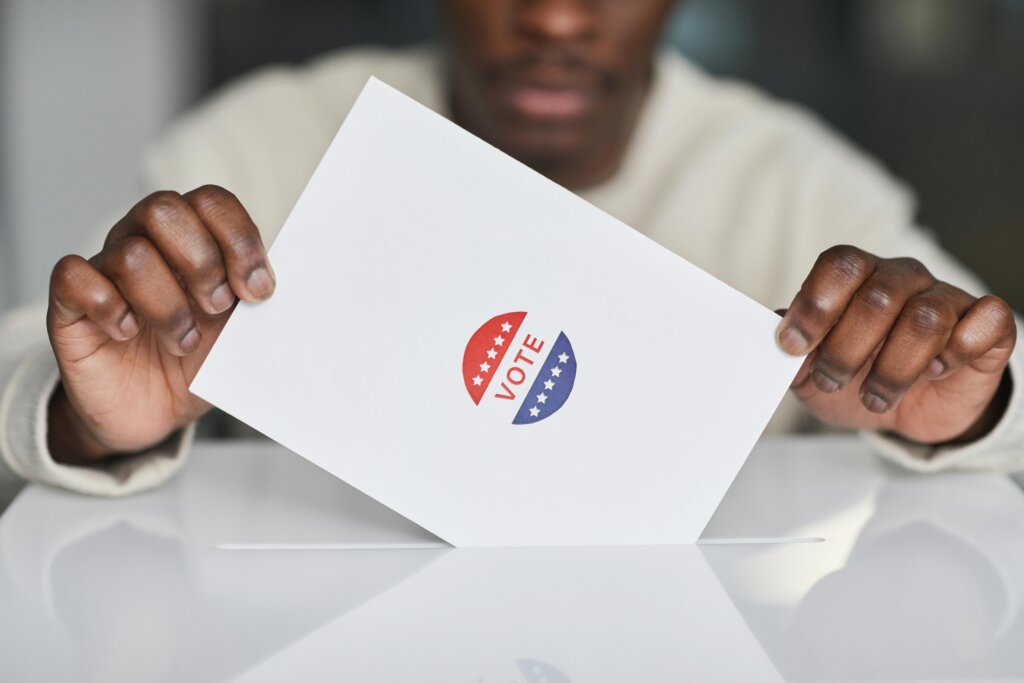
The Louisiana dispute that led to the ruling focused on congressional district maps drawn after the 2020 Census. A lower federal court previously found the state likely violated Section 2 by creating only one Black-majority congressional district despite Louisiana’s sizable Black population. Lawmakers later redrew the map to include a second majority-Black district.
That revised map was then challenged by a group of non-Black voters who argued the state had relied too heavily on race in designing the districts, violating constitutional equal protection principles. The Supreme Court ultimately sided with those challengers, concluding the revised district configuration could not be justified under the narrower interpretation of the Voting Rights Act adopted by the majority.
Justice Samuel Alito, writing for the majority, said the Constitution’s protections focus on intentional racial discrimination rather than electoral outcomes alone. In dissent, Justice Elena Kagan warned the ruling could make it far harder for minority communities to challenge district maps that dilute their political influence, describing the decision as another step in what she characterized as the court’s long-running effort to narrow the Voting Rights Act.
What the Ruling Could Mean for Future Elections
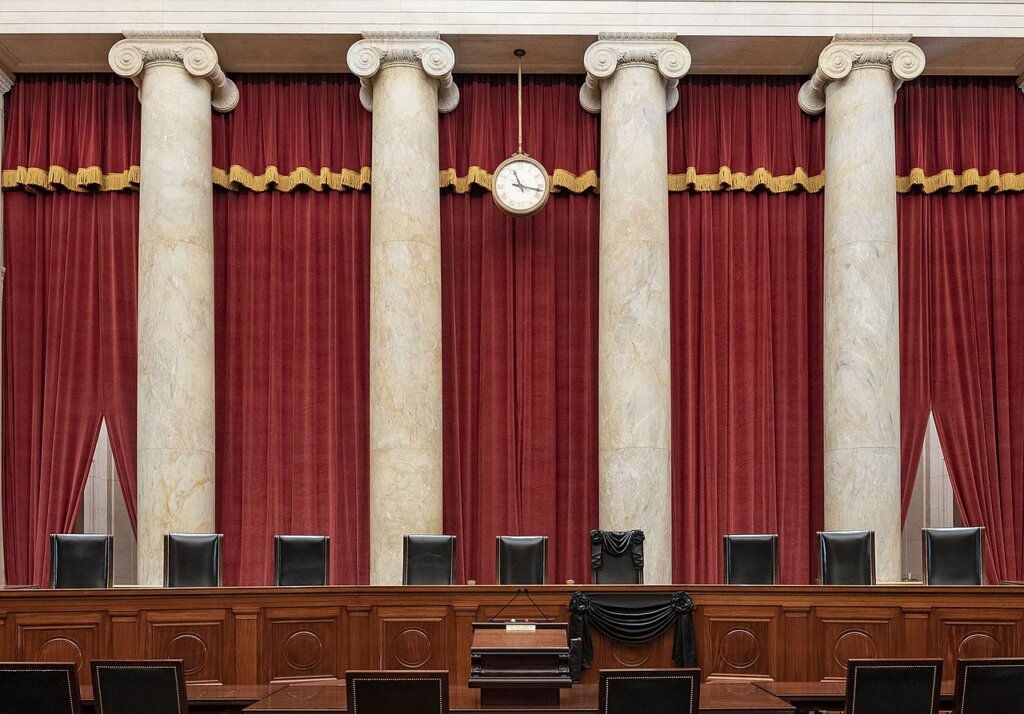
Election law experts say the ruling could reshape future redistricting battles nationwide, particularly as states prepare for upcoming congressional elections. Some analysts believe the decision may encourage more aggressive partisan map-drawing strategies, since proving intentional racial discrimination in court is often significantly harder than demonstrating discriminatory effects.
Several Republican-led states have already signaled interest in revisiting district boundaries following the decision. At the same time, civil rights advocates warn that minority representation in Congress and state legislatures could decline if courts become less willing to intervene in cases involving racial vote dilution.
The broader debate surrounding the ruling reflects two competing constitutional visions that have shaped voting rights disputes for decades. One side argues the Constitution demands race-neutral governance wherever possible, while the other contends that race-conscious protections remain necessary to address enduring inequalities in political representation. With Congress divided and future election litigation almost certain, the Supreme Court’s latest decision is likely to remain at the center of America’s voting rights debate for years to come.