

Products are selected by our editors, we may earn commission from links on this page.
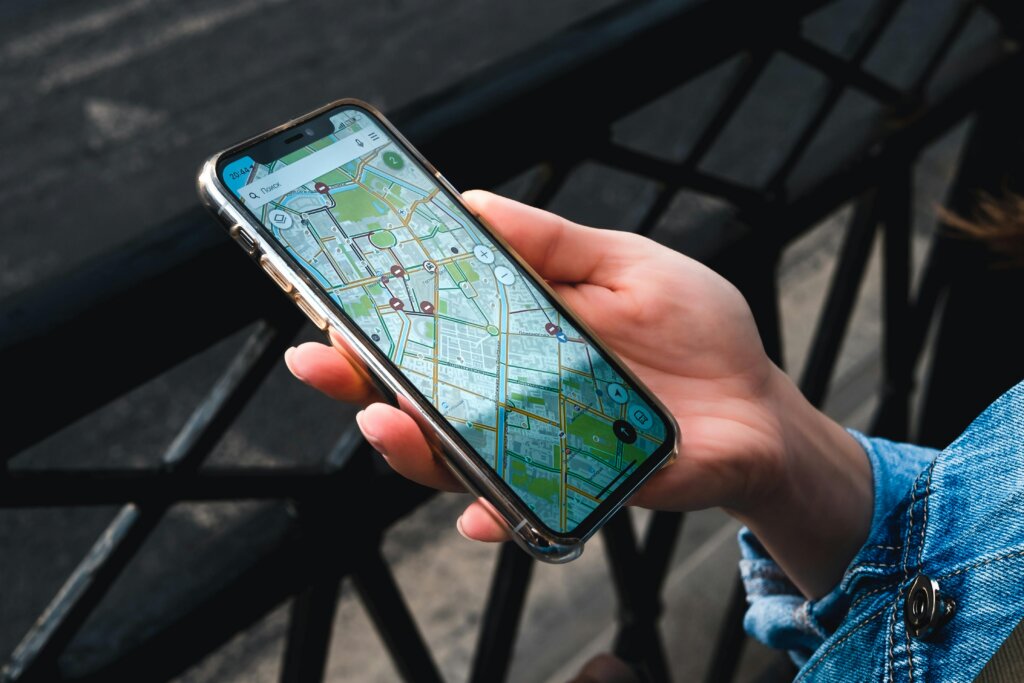
Your smartphone quietly logs where you shop, drive, worship, protest, and sleep, often with remarkable precision. Now the U.S. Supreme Court is deciding whether police can legally use that digital trail to place people at crime scenes through sweeping “geofence warrants” sent to companies like Google. The outcome could shape how much privacy Americans still have once their location history leaves their pocket and enters the cloud.
The Case Started With a Virginia Bank Robbery

The dispute centers on Chatrie v. United States, a case tied to a 2019 armed robbery at a credit union near Richmond, Virginia. Investigators had little physical evidence, but surveillance footage suggested the robber carried a phone. Police obtained a geofence warrant compelling Google to identify devices located within roughly 150 meters of the bank during the robbery. That search initially returned data tied to 19 users before investigators narrowed the list to three possible suspects, including Okello Chatrie, who later pleaded guilty while reserving the right to challenge the search itself.
What Exactly Is a Geofence Warrant?
Unlike traditional warrants targeting a known suspect, geofence warrants begin with a location and time period, then work backward to identify everyone nearby. Google historically stored massive quantities of location information through services such as Google Maps and Android devices, allowing police to ask who was present near a crime scene. Critics say the process resembles a digital dragnet because innocent bystanders are swept into investigations despite no prior suspicion. Supporters argue it has become an important investigative tool for difficult crimes where no immediate suspect exists.
The Fourth Amendment Is at the Center of the Fight
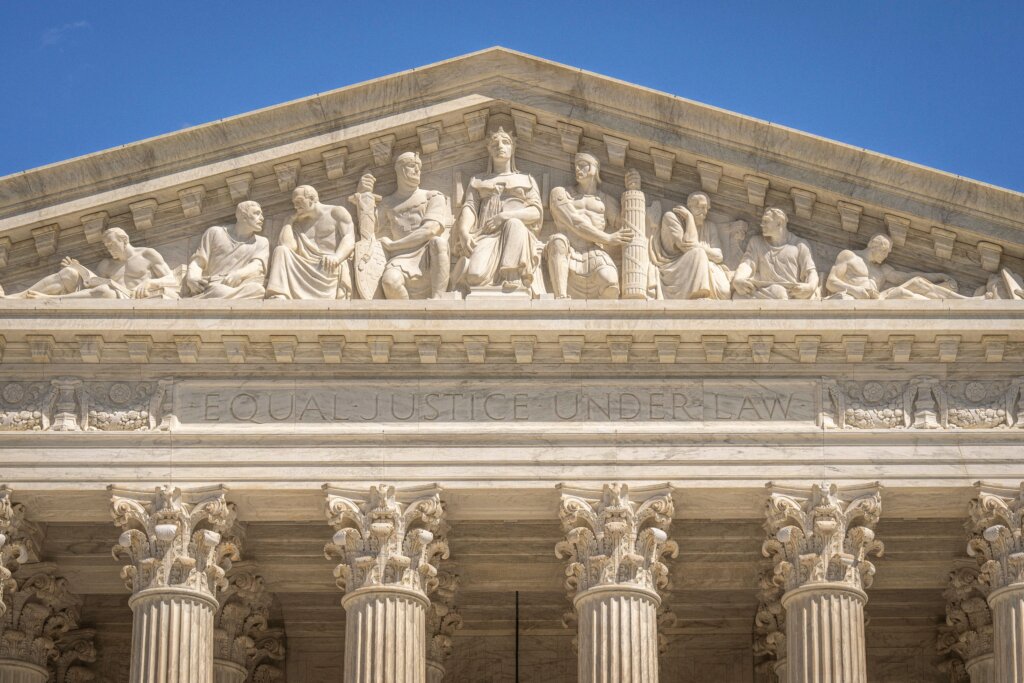
The constitutional battle revolves around the Fourth Amendment, which protects against unreasonable searches and requires warrants to be specific and supported by probable cause. Chatrie’s attorneys argue that geofence warrants violate both principles because police collect data from many uninvolved people before identifying a suspect. The Justice Department counters that users voluntarily shared their data with Google, weakening their expectation of privacy under the long-standing “third-party doctrine.” Several justices appeared uneasy during oral arguments over how modern technology fits constitutional protections written centuries before smartphones existed.
A 2018 Supreme Court Ruling Looms Over the Case
Much of the legal debate traces back to Carpenter v. United States, the Supreme Court’s landmark 2018 decision holding that police generally need warrants to obtain historical cellphone location data from wireless carriers. That ruling recognized how revealing location records can be, describing them as a near-perfect chronicle of someone’s life. But Carpenter involves targeted records of a known suspect, while Chatrie involves reverse searches affecting groups of unknown people. The Court must now decide whether the same privacy logic extends to Google’s location databases.
Lower Courts Could Not Agree on the Rules
Federal courts have sharply divided over geofence warrants. The Fourth Circuit ultimately upheld Chatrie’s conviction largely through the “good faith exception,” concluding that investigators relied on warrants they believed were lawful at the time. Meanwhile, the Fifth Circuit ruled that geofence warrants are categorically unconstitutional under the Fourth Amendment. That split between appellate courts helped push the Supreme Court to intervene. Legal scholars say the decision could become one of the most important digital privacy rulings since Carpenter.
Privacy Advocates Warn About Mass Surveillance

Civil liberties groups, including the Electronic Frontier Foundation and the Cato Institute, argue that geofence warrants risk turning routine movement into searchable government records. During arguments, some justices raised concerns that police could theoretically identify everyone attending a protest, political meeting, medical clinic, or religious service. Critics also point to real-world cases where innocent people became suspects simply because fitness apps or phones recorded them near crimes. One widely cited example involved a Florida cyclist whose ride-tracking data placed him near a burglary scene despite no involvement.
Law Enforcement Says the Technology Solves Serious Crimes

Police agencies and prosecutors argue that geofence warrants are often used carefully and only after other investigative methods fail. In the Chatrie investigation, authorities say the location data led to a search warrant that uncovered cash, a handgun, and robbery notes connected to the crime. Supporters compare digital location evidence to physical clues such as fingerprints, tire tracks, or surveillance footage. More than 30 state attorneys general backed the federal government, warning that sharply restricting geofence warrants could make violent crimes harder to solve.
Google Has Already Changed How It Stores Data
The case arrives as Google itself shifts its practices. The company has moved away from storing users’ location histories centrally in the cloud, instead keeping much of that information directly on personal devices. Google did not fully side with either party in Chatrie, but it warned the Court that failing to protect location history could expose “the intimate details of millions of Americans’ daily lives” to broad government surveillance. Even so, many apps beyond Google continue collecting detailed location data, meaning the broader privacy questions will not disappear.
The Decision Could Reshape Digital Privacy Far Beyond Google
The Supreme Court’s eventual ruling may determine more than whether one robbery conviction stands. A broad decision could influence how courts treat search histories, smart-device records, fitness app tracking, and future AI-driven data collection systems. If the justices impose stricter limits, investigators may need narrower, more individualized warrants before accessing location databases. If the Court sides strongly with law enforcement, companies storing behavioral data may become even more central to criminal investigations. Either way, the case reflects a larger reality already confronting modern society: our devices know where we are, and the law is still struggling to decide who else should know too.