


Products are selected by our editors, we may earn commission from links on this page.

The rapid expansion of artificial intelligence infrastructure has introduced a new environmental concern: the “data heat island” effect. Researchers led by the University of Cambridge found that large AI data centers are associated with measurable increases in land surface temperatures around their sites. On average, temperatures rose by about 2°C (3.6°F) after facilities began operating, with some extreme cases reaching as high as 9.1°C (16.4°F). The study frames this warming as comparable in scale, though different in origin, to traditional urban heat islands.
To isolate the effect, researchers examined more than 6,000 data centers located outside dense urban areas, analyzing satellite-based land surface temperature data from 2004 to 2024. By filtering out seasonal variation and broader climate trends, they aimed to measure temperature changes specifically linked to the start of data center operations. The analysis revealed a clear step-like increase in temperatures coinciding with operational launch dates.
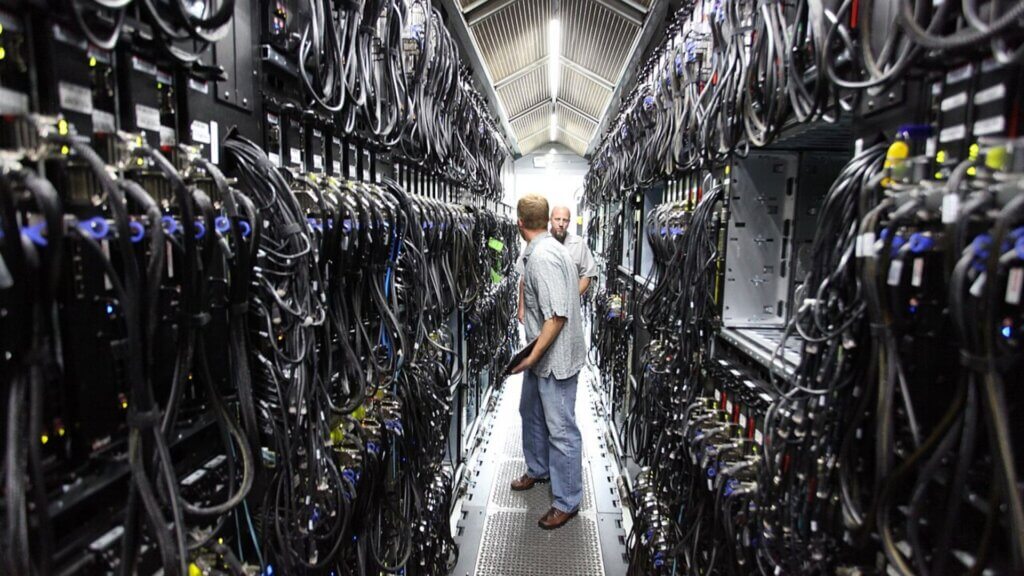
Unlike carbon emissions, which contribute indirectly to global warming, this phenomenon reflects direct heat dissipation from energy-intensive computing and cooling systems. AI hyperscale facilities rely on clusters of high-performance processors that generate substantial waste heat. Even with advanced ventilation and cooling infrastructure, significant thermal energy is released into the surrounding environment.
How Far and How Many

One of the study’s most striking findings is that the warming effect extends well beyond the physical boundaries of the buildings. Temperature increases were detected several kilometers away, in some cases up to 10 kilometers (about 6 miles) from data center locations. While the intensity decreases with distance, researchers reported an average 1°C rise measurable several kilometers from certain facilities.
Because many data centers are intentionally built outside major cities, the findings initially suggest limited human exposure. However, population modeling indicates that more than 340 million people globally live within zones that experienced measurable temperature increases after nearby data centers began operating . This figure represents potential exposure rather than documented health effects, but it underscores the broad geographic footprint of hyperscale computing infrastructure.
The temperature shifts documented in the research are localized rather than global in scope. Still, in regions already facing intensifying heat waves, even modest increases in land surface temperatures could contribute to cumulative stress on energy systems, agriculture, and public health. Researchers note that further study is needed to assess long-term impacts.
Energy, Water, and Infrastructure Pressures
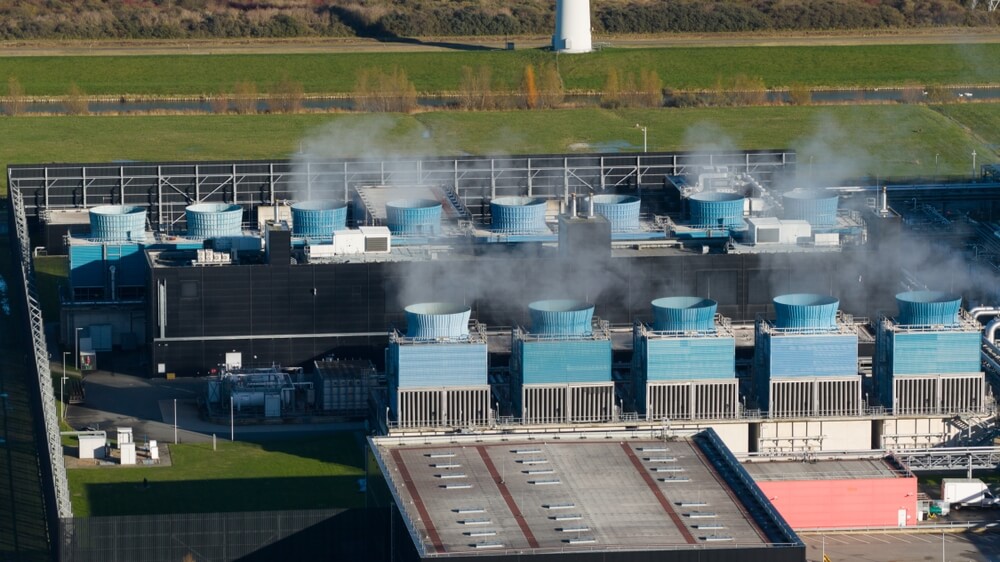
The heat island effect is part of a wider conversation about the environmental demands of AI data centers. Modern AI workloads require enormous amounts of electricity to power high-density GPU clusters. In some cases, single facilities can draw power comparable to that consumed by hundreds of thousands of homes. This energy use not only produces waste heat but can also strain regional grids.
Water consumption is another area of concern. In Virginia, for example, conservation groups have warned that data centers currently withdraw significant volumes from the Potomac River, with projections suggesting steep increases if expansion continues. On peak days, usage has already reached millions of gallons, raising questions about sustainability during drought conditions.
Energy grid infrastructure must also expand to meet rising demand. Reports indicate that utilities have received requests for tens of gigawatts of additional capacity linked to data center growth. These infrastructure expansions often involve new transmission lines and generation capacity, sometimes sparking local opposition due to land use and environmental concerns.
Debate, Mitigation, and the Path Forward
While the findings have drawn attention, some experts urge caution. The study has not yet undergone full peer review, and independent researchers have questioned whether some of the observed temperature changes may partly reflect construction impacts or broader land-use shifts. Others argue that carbon emissions from electricity generation remain the more pressing climate concern.
Researchers involved in the study emphasize that mitigation strategies are available. Proposed solutions include improving chip efficiency, implementing hybrid cooling systems that combine liquid and air methods, and adopting passive radiative cooling coatings to reduce structural heat loads. Software optimization and “carbon-aware” computing practices could also reduce overall energy demand.
As AI infrastructure continues to expand, policymakers and industry leaders face a balancing act. The economic and technological benefits of hyperscale computing are significant, yet the environmental footprint, now including localized heat impacts, demands closer scrutiny. The concept of a “data heat island” adds a new dimension to discussions about sustainable AI, raising questions about how innovation can proceed without intensifying climate and community pressures.