

Products are selected by our editors, we may earn commission from links on this page.
Popular anti-aging supplements marketed to support cellular health, energy, and longevity are raising new questions about their potential effects on cancer. Researchers have found that certain compounds used to increase levels of nicotinamide adenine dinucleotide, commonly known as NAD+, may also help some cancer cells survive and resist chemotherapy in laboratory experiments. The findings are particularly concerning because products containing nicotinamide mononucleotide (NMN) and nicotinamide riboside (NR) are promoted as ways to counteract age-related changes in the body. However, the research does not establish that these supplements cause cancer in humans, and scientists say more evidence is needed to understand their long-term safety.
NAD+ Supplements Have Become Popular for Anti-Aging
NAD+ is a naturally occurring molecule found in living cells, where it plays an essential role in energy production, metabolism, and processes involved in maintaining cellular health. Because NAD+ levels can decline with age, supplements designed to increase its availability have attracted attention from people hoping to maintain energy and support healthy aging. Two commonly marketed ingredients are NMN and NR, both of which the body can use to produce NAD+. Although these compounds can increase certain NAD-related biomarkers, research has not established that taking them reliably slows aging or extends human lifespan.
Researchers Found a Concerning Effect on Cancer Cells
A study examining vitamin B3 derivatives found that compounds commonly used in NAD+-boosting supplements could influence the survival of pancreatic cancer cells. Researchers investigated nicotinamide, NR, and NMN using laboratory experiments and animal models to better understand how these substances might affect cancer biology and treatment response. Their findings suggested that increasing the availability of certain NAD+ precursors could help cancer cells withstand stressful conditions, including exposure to chemotherapy drugs. The results raise important questions about supplement use among people with cancer, although laboratory findings cannot automatically be applied to humans taking these products.
NMN Showed the Strongest Effect in the Experiments
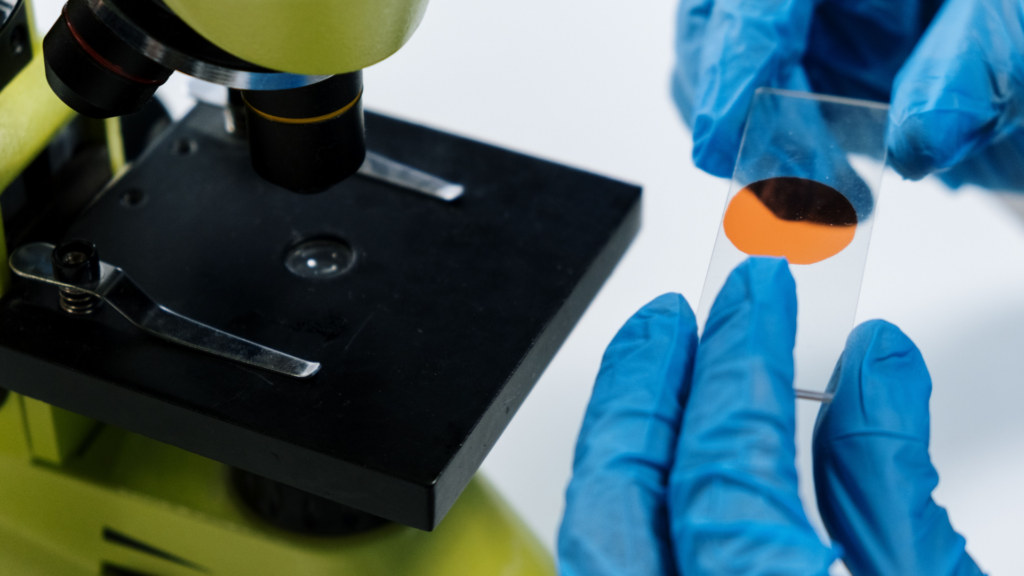
Among the compounds examined, NMN demonstrated the strongest protective effect on pancreatic cancer cells in the laboratory experiments. Researchers observed that NMN increased resistance to several chemotherapy medications, suggesting that the compound could help certain cancer cells survive treatments intended to destroy them. This is significant because NMN is frequently marketed as a longevity supplement, with advertisements emphasizing its potential benefits for cellular energy and healthy aging. However, the experiments do not prove that NMN supplements cause cancer or reduce chemotherapy effectiveness in patients, and clinical research is needed to determine whether the same effects occur in people.
Three Common Chemotherapy Drugs Were Examined

The researchers specifically examined how pancreatic cancer cells responded to oxaliplatin, 5-fluorouracil, and gemcitabine, three medications used in cancer treatment. In laboratory experiments, NMN increased the cells’ resistance to all three drugs, raising concerns that certain NAD+-boosting compounds could interfere with the intended effects of chemotherapy under particular conditions. Chemotherapy works through different mechanisms depending on the medication, but many treatments rely on damaging cancer cells or disrupting their ability to multiply. If a supplement helps those cells tolerate treatment-related stress, it could potentially complicate cancer therapy, although this possibility has not been established through clinical trials in humans.
Healthy Cells and Cancer Cells Both Depend on NAD+
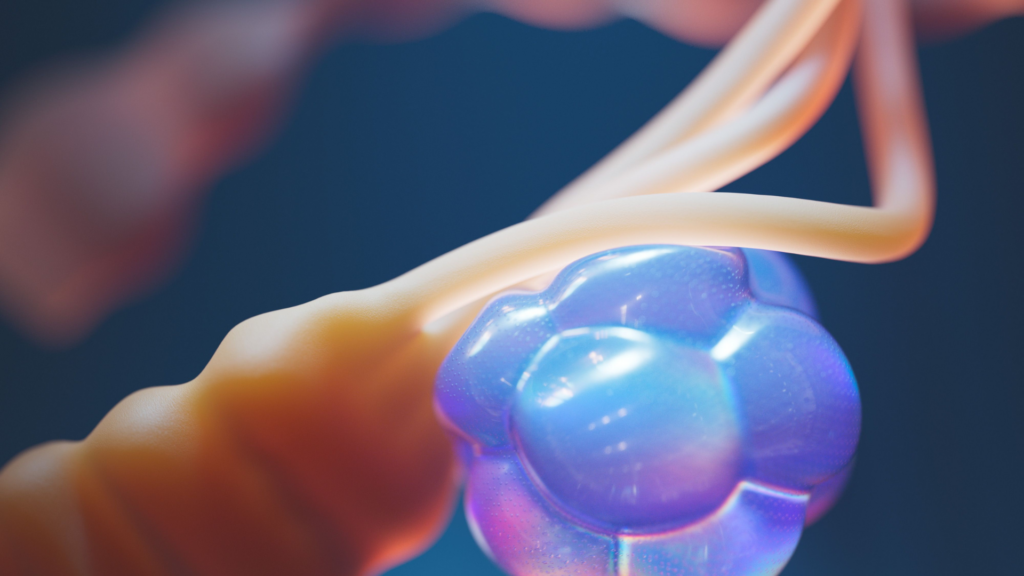
One reason the findings are complicated is that NAD+ is essential for the survival and normal functioning of healthy cells, not just cancer cells. It helps support metabolic processes and cellular responses to stress, which explains why researchers have investigated NAD+-boosting compounds for potential benefits related to aging and other health conditions. However, cancer cells also depend on cellular energy and repair mechanisms to survive, meaning that supporting these processes could have unintended consequences in certain circumstances. This biological overlap helps explain why a substance that appears beneficial in one setting might produce concerning effects in another.
The Findings Do Not Mean Supplements Automatically Cause Cancer

Although the study identified potentially concerning effects involving pancreatic cancer cells, it is important to distinguish between helping existing cancer cells survive and causing cancer to develop in the first place. The research does not demonstrate that taking NMN, NR, or other NAD+-boosting supplements causes cancer in otherwise healthy people. It also does not establish that every type of cancer responds to these compounds in the same way, since tumors can differ considerably in their metabolism and treatment sensitivity. Scientists must conduct additional studies, particularly well-designed human research, before determining whether the laboratory findings translate into meaningful clinical risks.
Other Research Has Raised Questions About Supplement Safety

Concerns about supplements and cancer treatment are not limited to NAD+-boosting products, as researchers have also examined whether certain antioxidant supplements can interfere with cancer therapies. The National Cancer Institute notes that some studies have identified worse outcomes among patients taking particular antioxidant supplements during treatment, although findings vary depending on the supplement, cancer type, and therapy involved. This does not mean that every vitamin or supplement is dangerous, but it demonstrates why products marketed as beneficial for general health may require additional scrutiny in people receiving cancer treatment. Patients should inform their oncology teams about all supplements they use, including products advertised for energy, immunity, and anti-aging.
Human Research Has Not Confirmed the Promised Longevity Benefits
A 2026 systematic review of NAD+-boosting interventions found that oral NR and NMN supplements generally increased NAD-related biomarkers in human studies, but evidence of meaningful improvements in physical function, metabolism, and other health outcomes remained inconsistent. Many available human trials were relatively short, leaving important questions about long-term effectiveness and safety unanswered. The review also found insufficient clinical outcomes evidence supporting intravenous or intramuscular NAD+ treatments marketed for anti-aging and wellness purposes. These limitations are important because increasing a biological marker does not necessarily mean a supplement improves health, prevents disease, or helps people live longer.
What Consumers Should Know Before Taking Anti-Aging Supplements

The latest findings highlight the importance of approaching anti-aging supplements with caution, particularly when their advertised benefits are stronger than the available scientific evidence. Laboratory research suggests that certain NAD+-boosting compounds may help pancreatic cancer cells resist chemotherapy, but researchers have not established that these products cause cancer in humans or that the same effects occur in patients. People undergoing cancer treatment, those with a cancer diagnosis, and anyone considering high-dose longevity supplements should discuss the products with a qualified healthcare professional before using them. Until larger and longer human studies provide clearer answers, consumers should avoid assuming that supplements marketed for cellular health are automatically safe or effective simply because they are widely available.