

Products are selected by our editors, we may earn commission from links on this page.
Modern warfare has reached a point where a single weapon could unleash destruction on an unprecedented scale. Among the most feared are intercontinental ballistic missiles, or ICBMs, which are designed to travel thousands of miles and deliver nuclear warheads in a matter of minutes. These weapons have long been considered the backbone of nuclear deterrence, capable of striking targets across continents with devastating force. Intercontinental ballistic missile
Recent discussions about the “deadliest missile ever built” often point to next-generation systems that can carry multiple nuclear warheads, evade detection, and strike several targets in a single launch. These advanced weapons represent a significant leap in destructive capability, raising concerns among experts about how they could reshape global security.
The idea that one launch could cause catastrophic, widespread destruction is not theoretical. Many of today’s most powerful missiles are designed with multiple independently targetable reentry vehicles, meaning a single missile can deliver several warheads to different locations, dramatically increasing its impact.
What Makes These Missiles So Dangerous
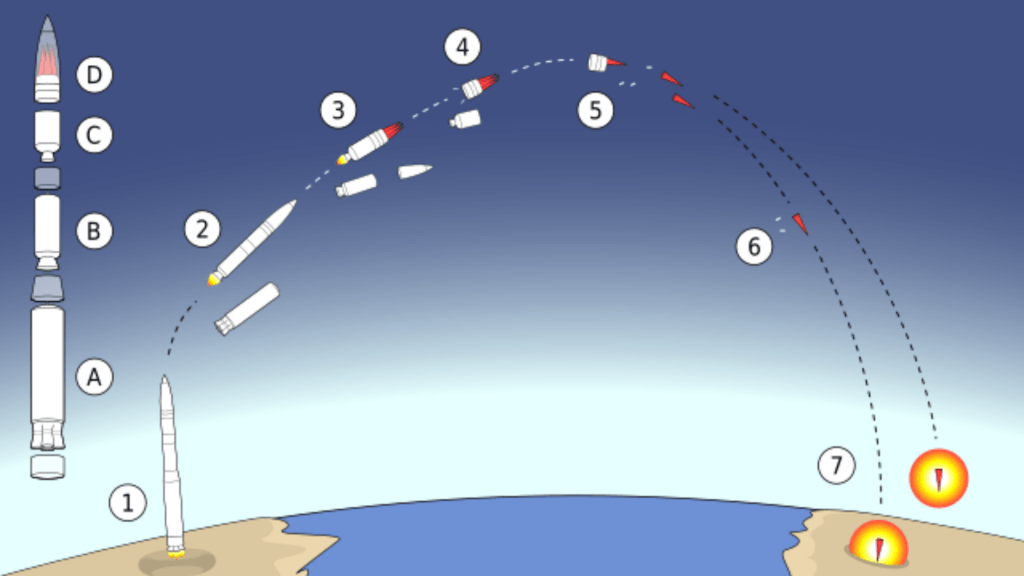
One of the most significant advancements in missile technology is the ability to carry multiple warheads, often referred to as MIRVs. This means a single missile can strike several cities or military targets at once, multiplying its destructive potential far beyond earlier generations of weapons.
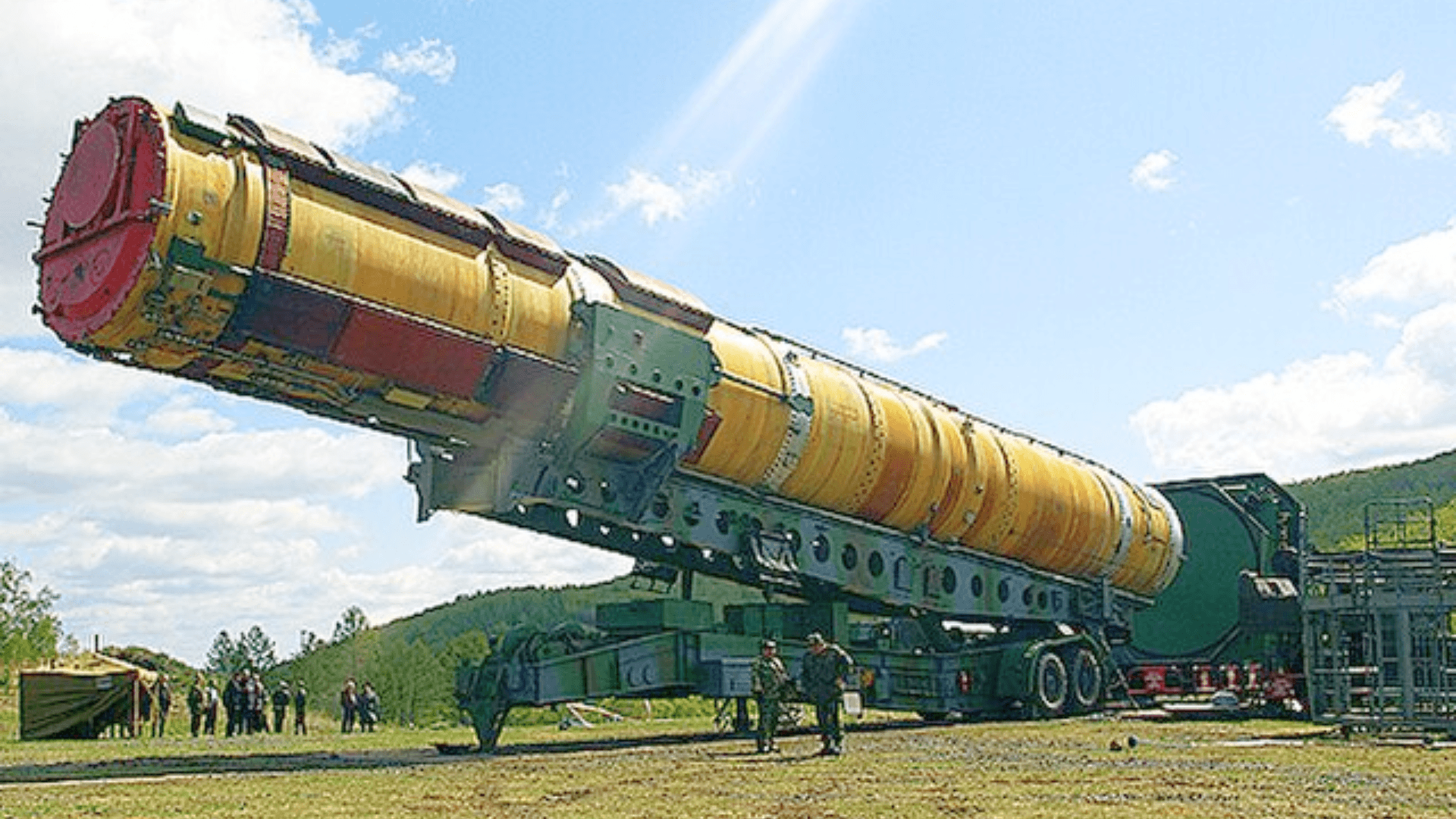
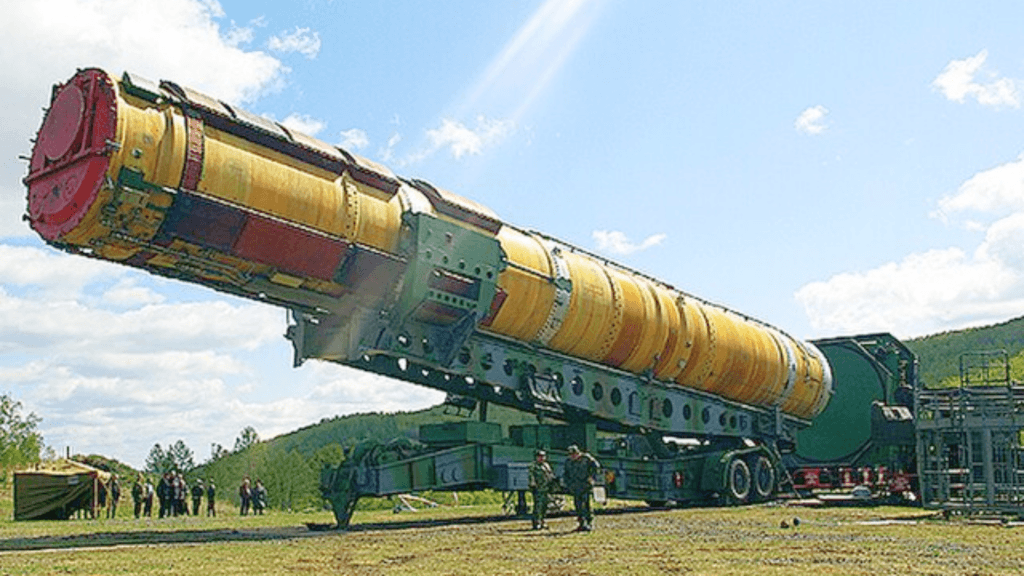
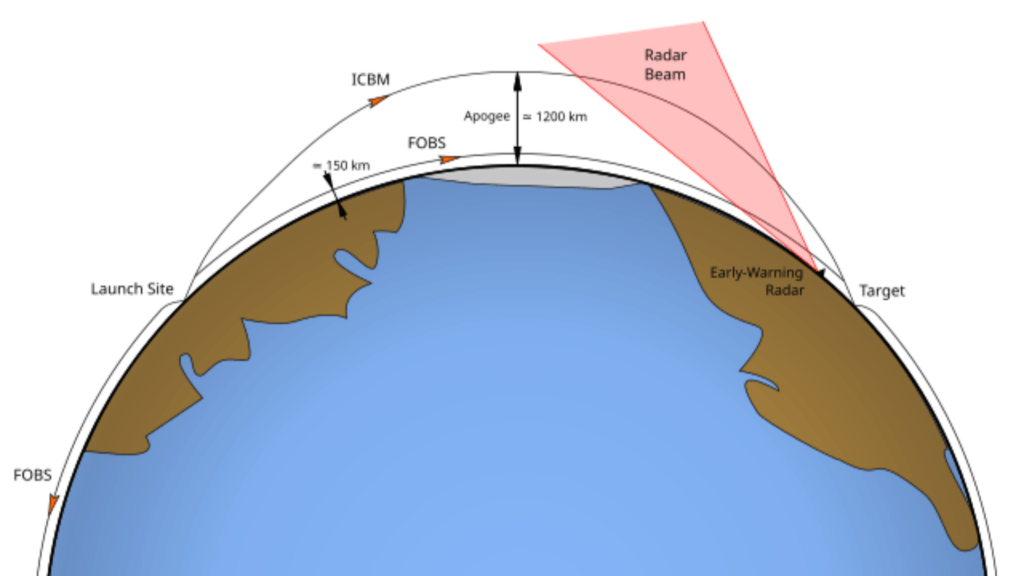
Some of the most powerful missiles today, such as Russia’s RS-28 Sarmat, are designed to carry up to a dozen or more nuclear warheads. These systems can travel over 18,000 kilometers and may even use unconventional flight paths that make them harder to detect and intercept.
In addition to their payload, modern missiles are engineered for speed and survivability. Many can travel at hypersonic speeds and deploy decoys or maneuverable warheads, reducing the chances that defense systems can stop them before impact.
How One Launch Could Change Warfare
The ability to launch a single missile that can hit multiple targets across vast distances fundamentally changes military strategy. Instead of relying on large numbers of weapons, countries can achieve massive destructive capability with fewer launches, increasing both efficiency and risk.
Submarine-launched ballistic missiles add another layer of complexity, as they can be fired from hidden positions at sea. This makes them extremely difficult to detect before launch, reinforcing their role as a key part of nuclear deterrence strategies around the world.
Because these weapons can be deployed quickly and travel across the globe in a short time, decision-making windows during a crisis become dangerously narrow. This raises the risk of miscalculation, where a single launch could escalate into a much larger conflict within minutes.
The Global Impact and Ongoing Concerns
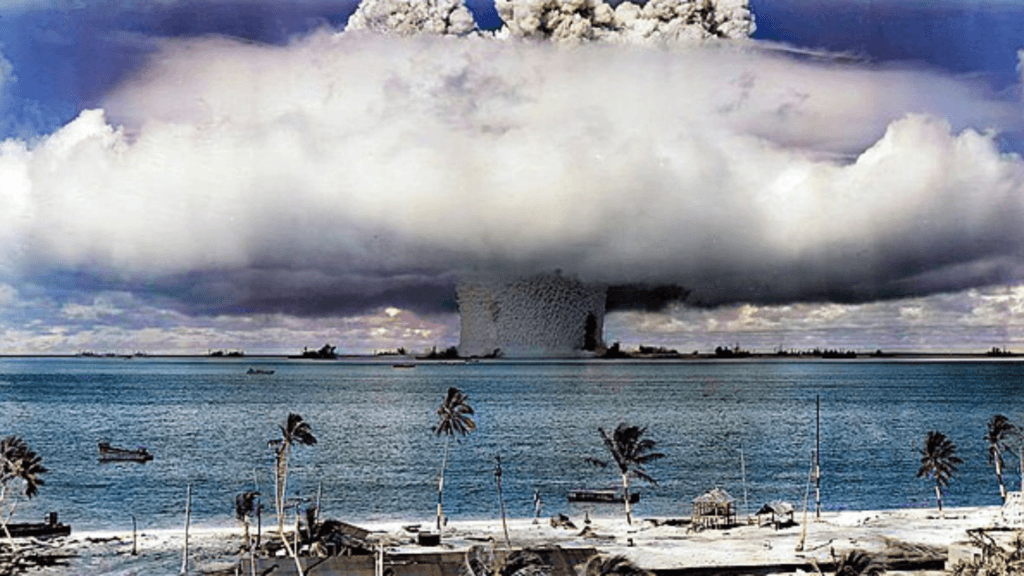
The existence of such powerful weapons continues to shape global politics and military planning. Nations maintain these arsenals primarily as a deterrent, under the principle that their destructive capability discourages adversaries from launching an attack in the first place.
However, experts warn that the increasing sophistication of missile technology could destabilize this balance. As countries develop faster, more precise, and harder-to-intercept systems, the risk of escalation and arms races may grow.
Ultimately, the concept of a missile capable of changing warfare with a single launch underscores both the power and the danger of modern military technology. While these weapons are designed to prevent conflict, their existence serves as a constant reminder of how quickly global security could be transformed by a single decision.