

Products are selected by our editors, we may earn commission from links on this page.
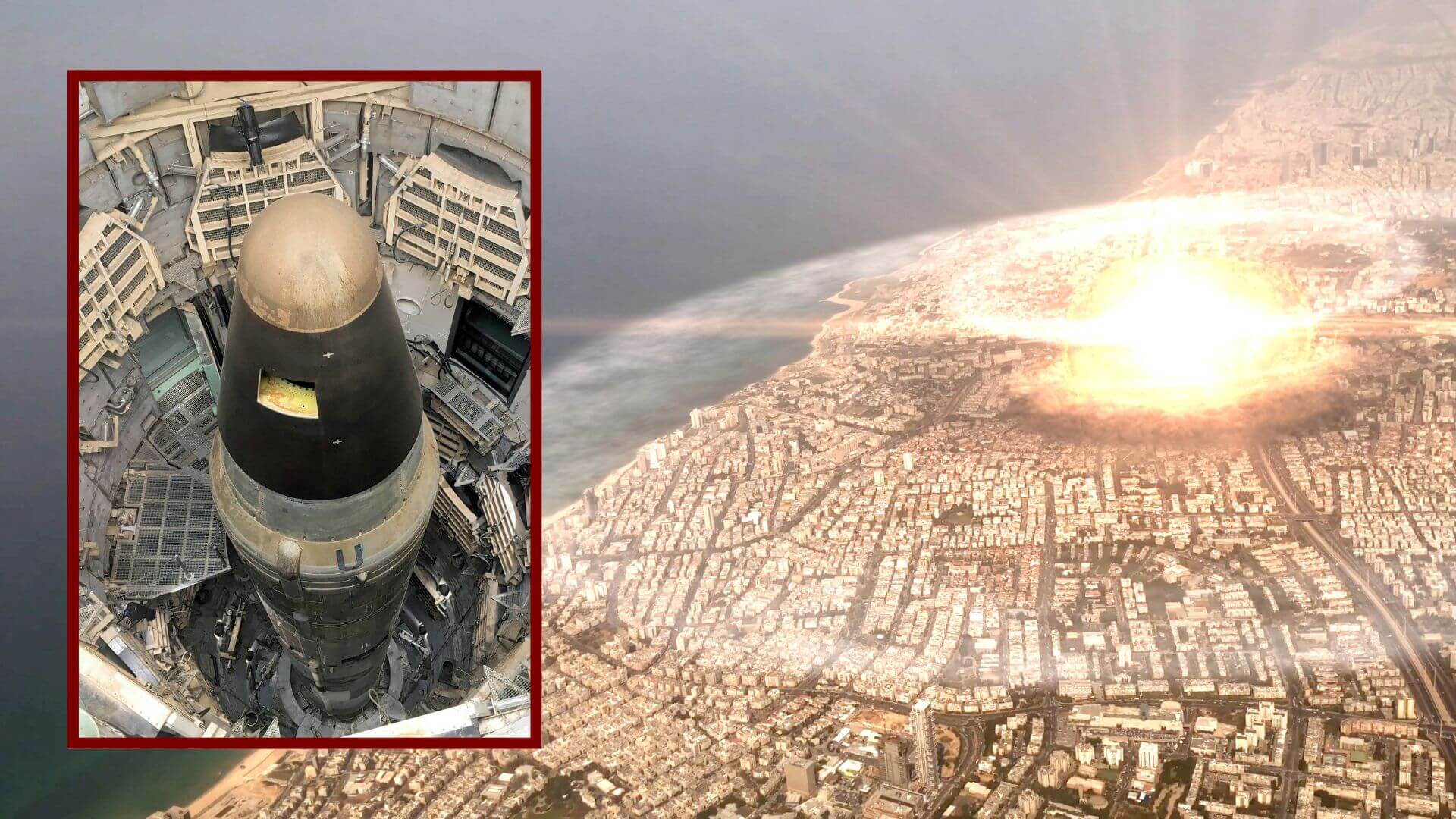
Discussions about nuclear war often remain distant for many Americans, though past research attempted to calculate what such a disaster might mean across the United States. During the closing years of the Cold War, scientists began mapping how radiation from large-scale nuclear strikes could travel across the country.
Those findings now appear in a nuclear war simulation that outlines which states would face the heaviest consequences in a hypothetical World War III scenario. Researchers focused less on the initial explosions and more on how radioactive fallout would move once it entered the atmosphere.
The model centers on attacks targeting America’s network of missile silos and launch control centers. Those installations stretch across multiple states, and a concentrated strike on them would send massive quantities of radioactive debris upward before winds carry that fallout across much of the country.
Minuteman Missile Silo Targets Across The United States
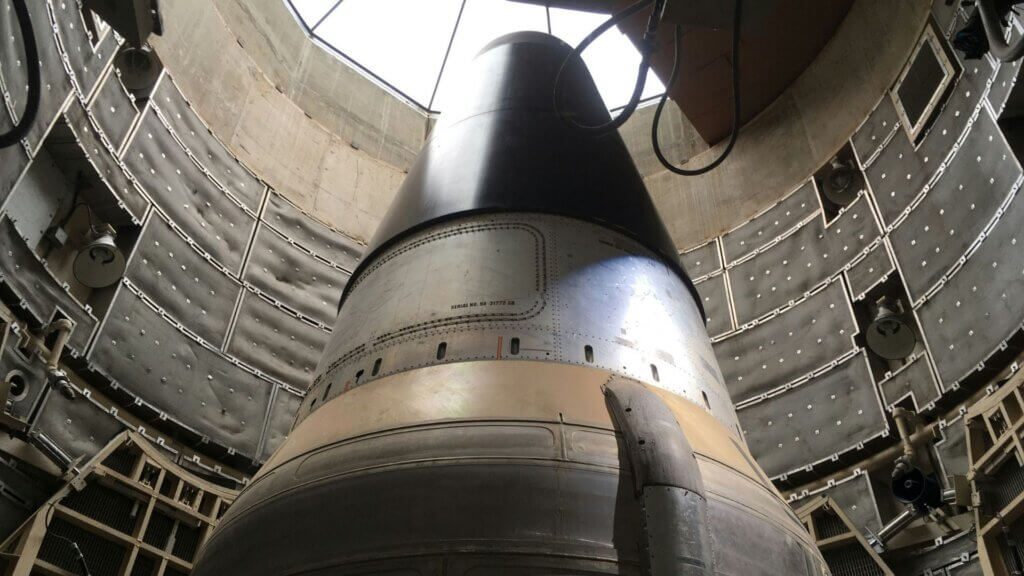
Cold War military planners long treated America’s missile silo network as a primary target during a large-scale nuclear exchange. During the 1980s, researchers began modeling how a coordinated strike against those installations could unfold across the United States and what damage such an attack could produce.
Researchers based their simulation on a coordinated strike against 1,116 silos and launch facilities located within the United States. According to the study, each installation would likely receive two 0.5 megaton warheads, a calculation designed to represent the destructive capacity available during the height of Soviet nuclear stockpiles.
Such targeting patterns would trigger detonations directly over hardened missile sites, and those ground-level explosions would pull soil and debris into massive fireballs. Radioactive material would rise high into the atmosphere before winds carried contaminated particles across large portions of the country.
Radioactive Fallout Patterns Driven By Prevailing Winds
Scientists studying Cold War nuclear strike scenarios examined how radioactive debris would move through the atmosphere after large detonations. Their modeling focused on fallout rather than blast zones, since airborne radiation could travel far beyond the original targets once winds carried contaminated particles across the country.
Researchers explained that explosions near hardened missile facilities would pull surface material into the rising nuclear fireball. That debris would mix with vaporized bomb products before climbing high into the atmosphere, where cooling conditions allow radioactive particles to begin forming.
Those particles would then descend along downwind corridors, and large portions could reach the ground within roughly 24 hours. The study describes that pattern as “local fallout,” a concentrated band of radioactive material spreading outward from the target area and exposing nearby regions to radiation levels above 3,500 rads.
States Near Major Minuteman Missile Fields

Minuteman missile fields sit across wide stretches of the American interior, and those installations appear repeatedly in nuclear war modeling that examines how a large-scale strike might unfold. As the research explains, those sites form part of the country’s ground-based nuclear deterrent, which places them high on any opposing strike list.
Because of that network, large clusters of silos operate in states across the northern and central United States, including Montana, North Dakota, Wyoming, Colorado, and Nebraska. Those locations contain launch facilities and control centers connected to the Minuteman system, and analysts studying Cold War targeting patterns assumed each site would attract multiple incoming warheads.
Researchers, therefore, built their scenario around those concentrated missile fields and calculated what would happen if each facility absorbed two 0.5 megaton detonations. That assumption reflects the scale of nuclear arsenals maintained during the Cold War, when Soviet forces held roughly 3,000 warheads capable of reaching American targets.