

Products are selected by our editors, we may earn commission from links on this page.
If you’ve been wondering where your share of the government’s $100 billion in tariff refunds is, you’re asking the same question thousands of Americans are asking online. The frustrating answer comes down to one legal detail: you probably never paid the tariff directly. While businesses are receiving massive refund checks after the Supreme Court struck down President Donald Trump’s sweeping IEEPA tariffs, consumers who ultimately paid higher prices at checkout are largely being left out. The result has sparked outrage, confusion, and a wave of online discussions questioning whether the system is rewarding corporations while everyday shoppers foot the bill.
The Trump administration has now refunded roughly $100 billion in tariffs collected under the International Emergency Economic Powers Act (IEEPA), following a Supreme Court ruling that found the law did not authorize the president to impose those broad import taxes. The refunds represent more than half of the approximately $166 billion that customs officials say must eventually be returned to importers.
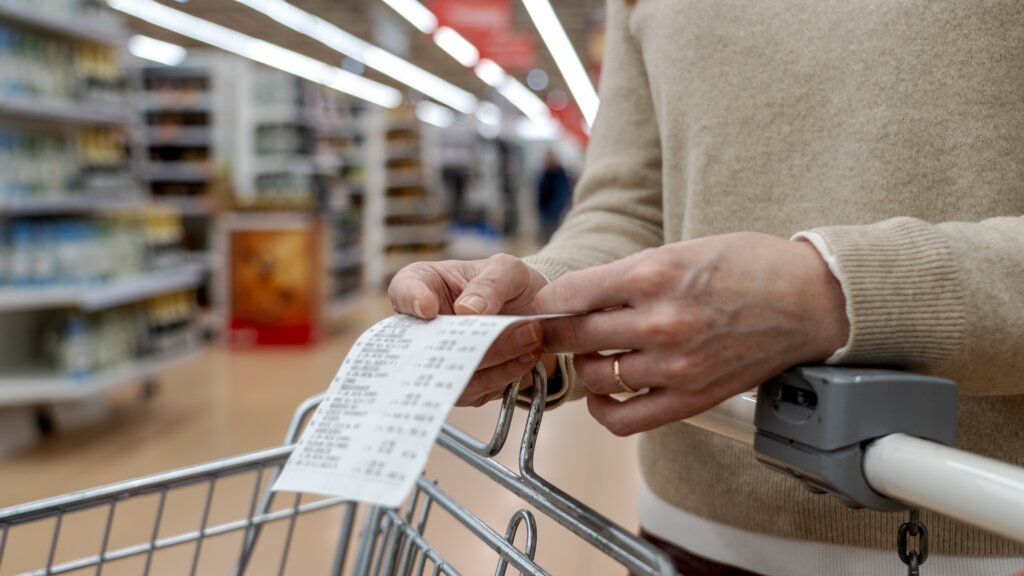
That headline figure sounds like welcome news for consumers who endured higher prices over the past year. But there’s a catch: the government is refunding the companies that legally paid the tariffs at customs, not the shoppers who later absorbed higher retail prices. Under U.S. customs law, the importer of record, not the final customer is the party entitled to seek reimbursement.
Why Businesses Qualify and Consumers Usually Don’t
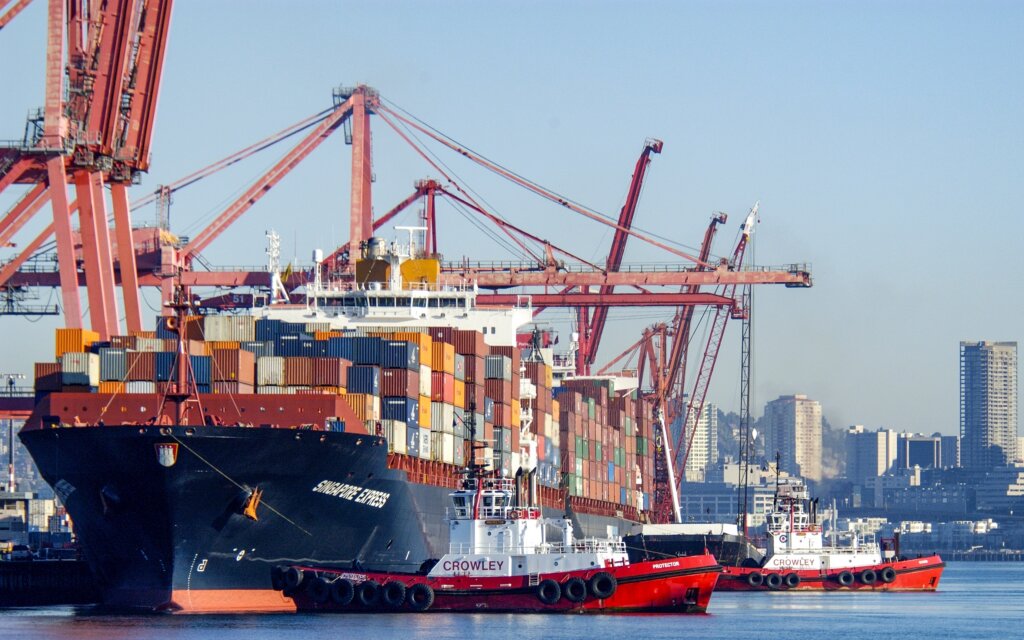
The reason is surprisingly simple from a legal standpoint. Tariffs are collected when imported goods enter the United States, and the importer pays the government directly. Even if a company later raises prices to offset that expense, consumers are paying the retailer, not the U.S. Treasury.
Because businesses have customs records documenting exactly how much tariff they paid, they can file claims and receive refunds after the Supreme Court’s decision. Consumers, meanwhile, generally have no documentation proving what portion of a purchase reflected tariff costs, making individual refunds nearly impossible under the current system.
There are limited exceptions. People who personally imported goods and directly paid tariffs as the importer of record may have standing to seek refunds themselves. But for the overwhelming majority of shoppers who simply bought products at higher prices, there is no legal mechanism requiring companies, or the government to reimburse them.
Reddit Users Are Asking the Same Question

The issue has exploded across Reddit, where users have debated whether consumers are effectively paying twice: first through higher prices and then by watching corporations receive refund checks.
Many commenters acknowledged that the legal explanation makes sense even if it feels unfair. One widely upvoted response explained that businesses sued because they were the entities that paid the tariffs directly, while raising prices to cover costs was not itself illegal. Others argued companies have no legal obligation to return refund money to customers, even if consumers ultimately bore much of the financial burden.
Another recurring point was that shoppers generally can’t prove how much of any purchase reflected tariffs. Multiple Reddit users also noted that people who personally paid import duties on international purchases could, in principle, have stronger refund claims because they were the direct payer. The broader sentiment, however, was one of frustration with many commenters believing businesses are likely to keep much of the money rather than issue widespread rebates.
Will Anyone Actually Pass the Savings Along?
Not every company plans to treat the refunds the same way. Amazon has said it identified a limited number of cases where it can trace specific tariff-related charges passed directly to customers and intends to automatically refund those shoppers. Beyond those instances, the company says it will use much of the refund to support lower prices across its marketplace.
Other major retailers have made broader promises. Walmart and Costco have indicated they intend to use at least part of their refunds to lower prices or provide additional value to customers, while Apple has said it plans to reinvest its refund into U.S. manufacturing and innovation. At the same time, many businesses argue that rising freight, energy, and operating costs continue to offset the financial benefit of receiving tariff refunds.
For consumers hoping for a surprise payment, though, expectations should remain modest. The refunds are flowing to the companies that legally paid the tariffs, not the shoppers who later encountered higher prices at the register. Unless businesses voluntarily return those savings through direct rebates or lower prices, the average household is unlikely to see any immediate financial windfall—even as billions continue flowing back into corporate accounts.