


Products are selected by our editors, we may earn commission from links on this page.

Red hair has puzzled scientists for a strange reason: the pigment behind it raises melanoma risk even without sun exposure, yet it never disappeared from the human gene pool. A new study offers a possible explanation. Researchers found that the same pigment causing red hair, called pheomelanin, may actually protect cells from a different kind of damage. The discovery does not cancel out the cancer risk, but it may finally explain why the trait survived this long.
The Pigment Behind Red Hair Is Built From Something the Body Fears in Excess
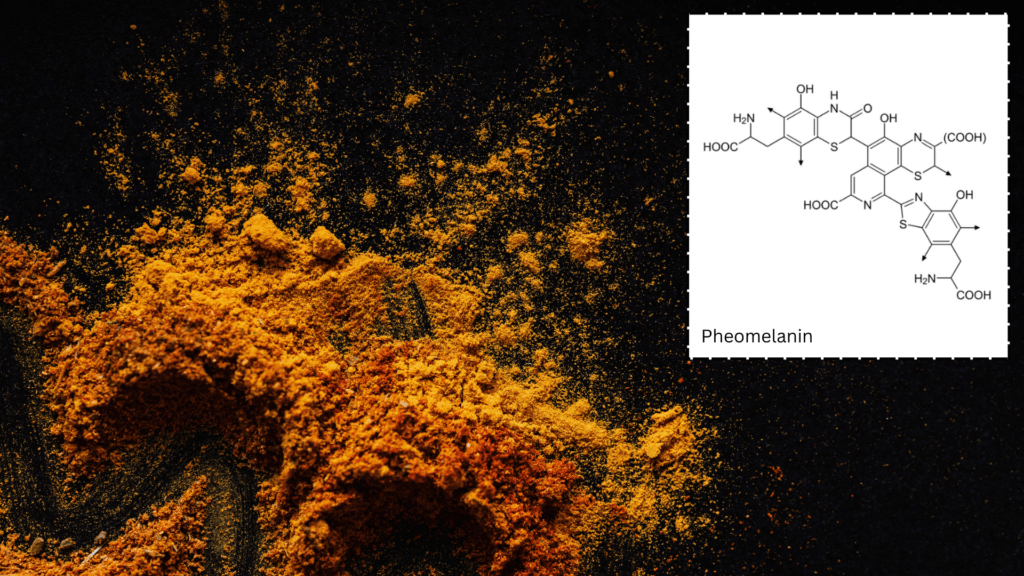
Pheomelanin is the orange-to-red pigment responsible for red hair, fair skin, and even orange feathers in some bird species. The body builds it using cysteine, a molecule essential for making proteins but dangerous in excess. Cells must keep cysteine levels below a specific threshold, since too much of it has been linked to a distinct form of cell death. Pheomelanin production appears to soak up that extra cysteine before it can cause harm.
The Actual Study Subjects Were Birds, Not Redheaded People
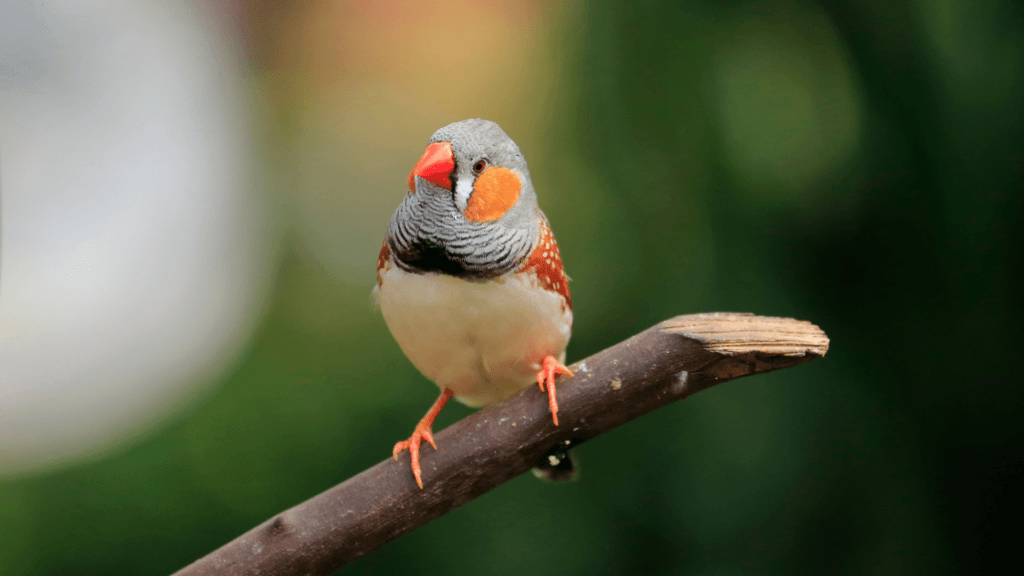
This research was not conducted on human redheads directly, it centered on zebra finches. Researchers led by Ismael Galván studied 65 adult zebra finches, a species where only males naturally produce pheomelanin in their orange cheek patches and plumage. That built-in sex difference gave researchers a natural comparison group already available within the same species, without needing to introduce the trait artificially.
A Newly Discovered Drug Let Scientists Switch the Pigment Off
The experiment relied on a drug called ML349, discovered recently, that can specifically block pheomelanin production in the body. Male zebra finches were split into groups: some received dietary cysteine alone, while others received cysteine combined with ML349 to shut down their pheomelanin synthesis. Comparing outcomes between these groups let researchers isolate exactly what pheomelanin itself was contributing to the birds’ cellular health.
Blocking the Pigment Led to Measurably More Cell Damage
Male birds that received both cysteine and ML349, blocking their pheomelanin production, showed significantly more oxidative damage in their blood plasma than males who received cysteine alone and could still produce the pigment normally. That gap suggests pheomelanin was actively protecting the birds that could still make it, absorbing excess cysteine into an inert pigment rather than letting it damage cells directly.
Female Birds Offered a Useful, if Inconclusive, Comparison

Female zebra finches added an important comparison point, since they do not naturally produce pheomelanin at all. Blocking pheomelanin synthesis with ML349 had no additional effect on females, as expected. Females given extra dietary cysteine did show slightly more cellular damage than females on a normal diet, though researchers described that particular difference as statistically insignificant rather than a clear-cut finding.
Researchers Call This the First Real Proof of a Benefit

The researchers described their results in direct terms. “These findings represent the first experimental demonstration of a physiological role for pheomelanin,” they wrote in the study, published in the journal PNAS Nexus. That statement matters because, until now, pheomelanin’s only well-documented association with health was negative, tied specifically to increased melanoma risk rather than any protective function scientists could point to.
The Pigment Works More Like a Pressure Valve Than a Filter
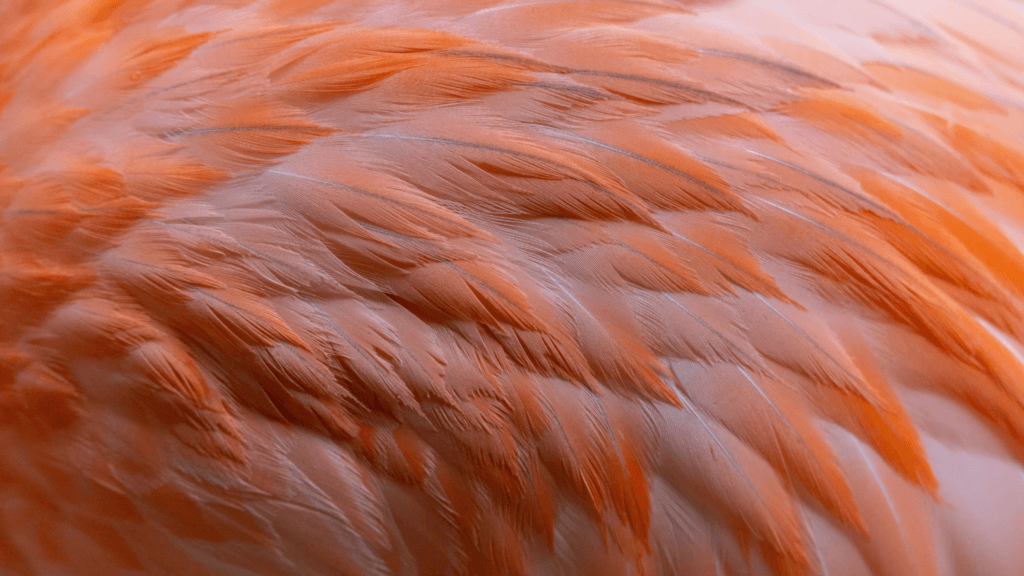
The mechanism researchers describe works almost like a pressure valve rather than a filter. “These results demonstrate that pheomelanin synthesis avoids cellular damage by excreting excess cysteine to inert keratinous structures such as feathers,” the scientists wrote. In humans, hair itself is also a keratinous structure, suggesting a similar process could plausibly apply to how the body manages cysteine through red hair pigment production.
The Researchers Themselves Call This a Starting Point, Not an Answer

Importantly, this study did not test human redheads directly, and its authors frame the findings as a foundation for future research rather than a settled answer for people. “These findings prove a role of pheomelanin in cysteine homeostasis, opening a better understanding of melanoma risk through environmental factors affecting cysteine availability,” the researchers wrote, pointing toward further study rather than an immediate health recommendation.
This Isn’t a Built-In Detox, and the Cancer Risk Hasn’t Changed

This research does not suggest red hair works like a built-in detox supplement, and it does not reduce the documented melanoma risk tied to pheomelanin. What it offers instead is a long-missing explanation for why a trait linked to cancer risk never disappeared through natural selection. If pheomelanin genuinely helps manage cysteine toxicity, the trade-off between that protection and elevated cancer risk may be what kept red hair genes in the population all along.