

Products are selected by our editors, we may earn commission from links on this page.

Roughly 80.7 million Americans traveled internationally in 2022, according to U.S. Commerce Department data, and not every destination is thrilled to see them coming. Cultural friction over loud conversations and impatience with service is only part of the story. In several nations on this list, decades of American foreign policy, military intervention, or Cold War alignment shape how locals view US visitors. Here are the 25 countries least fond of American tourists, counting down from mildly annoyed to deeply resentful.
This article was created with the assistance of AI and reviewed by our editorial team for accuracy and clarity.
Austria’s Reserved Culture Has Little Patience for Loud Americans
Austrian social norms lean discreet and reserved, prizing quiet conversation and personal space in public settings. American tourists, by contrast, tend to speak more loudly and engage more freely with strangers, a habit that reads as brash rather than friendly to many Austrians. Reddit threads on annoying American tourist habits echo this same complaint across Europe: volume, not malice, is often the root of the irritation. It ranks Austria among the mildest entries on this list.
Norwegians Aren’t Fond of Any Tourists, But Americans Rank Lowest
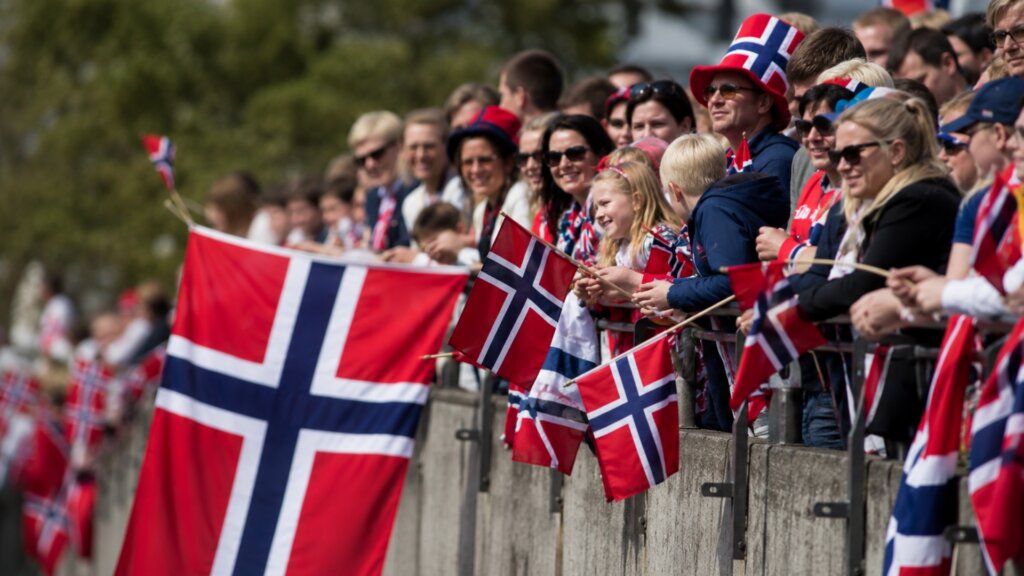
Norway’s coolness toward American visitors isn’t personal. Researchers studying Norwegian attitudes toward tourism found that residents generally show limited enthusiasm for outsiders of any nationality, with a notable exception for fellow Scandinavians. When ranked against other visitor groups, though, American and Chinese tourists consistently scored as the least welcome nationalities in these surveys. Norway’s famously reserved culture simply doesn’t extend a warm invitation to crowds, and Americans happen to sit near the bottom.
Half of Serbians Surveyed Call Americans Adversaries
Serbian resentment toward the United States traces back to American involvement in the Bosnian genocide and the Kosovo War during the 1990s, conflicts that reshaped the region and left lasting scars. A survey measuring Serbian sentiment toward Americans found that exactly half of respondents described the United States as an adversary rather than a partner or neutral party. That figure places Serbia well above the milder cultural friction seen in Austria or Norway.
A 60-Year US Embargo Still Shapes Cuban Views of Americans
The American trade embargo against Cuba has remained in place for more than six decades, cutting the island off from US goods, banking, and trade relationships since the early 1960s. Economists and historians point to the embargo as a major driver of Cuba’s prolonged economic hardship. Given that history, it is not surprising that many Cubans hold complicated or unfavorable views of American visitors, even as tourism remains one of the country’s few reliable income sources.
Slovenia’s Wariness of American Politics Persists Despite Improving Ties
Slovenians have long approached American political positions and cultural exports with skepticism, a wariness rooted in decades of divergent values since the country’s independence. Researchers tracking public sentiment note that attitudes have gradually softened over recent years. Even so, favorability toward the United States remains net negative in Slovenia, placing it firmly among nations where American tourists shouldn’t expect an especially warm welcome, regardless of recent improvement.
Belarus Still Blames Washington for Post-Soviet Economic Struggles
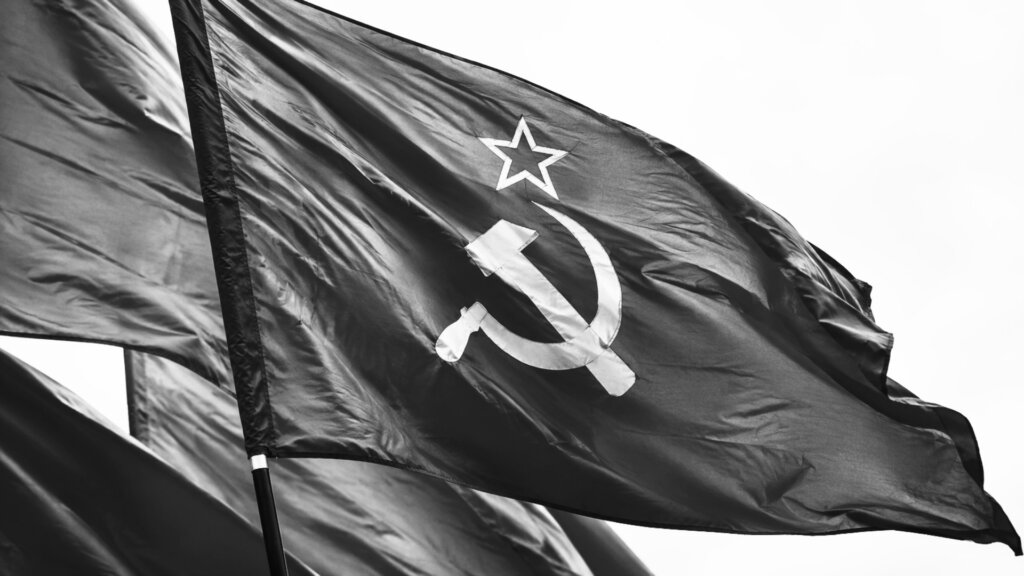
Cold War loyalties die hard in former Soviet states, and Belarus is no exception. Economic instability that has plagued the country in the decades since the USSR’s collapse is frequently attributed, at least in part, to American influence and Western sanctions policy. That framing shapes how ordinary Belarusians perceive American visitors, who can become an unintentional stand-in for broader grievances about the country’s economic and political isolation from the West.
Pinochet’s US-Backed Coup Still Colors Chilean Views of Americans
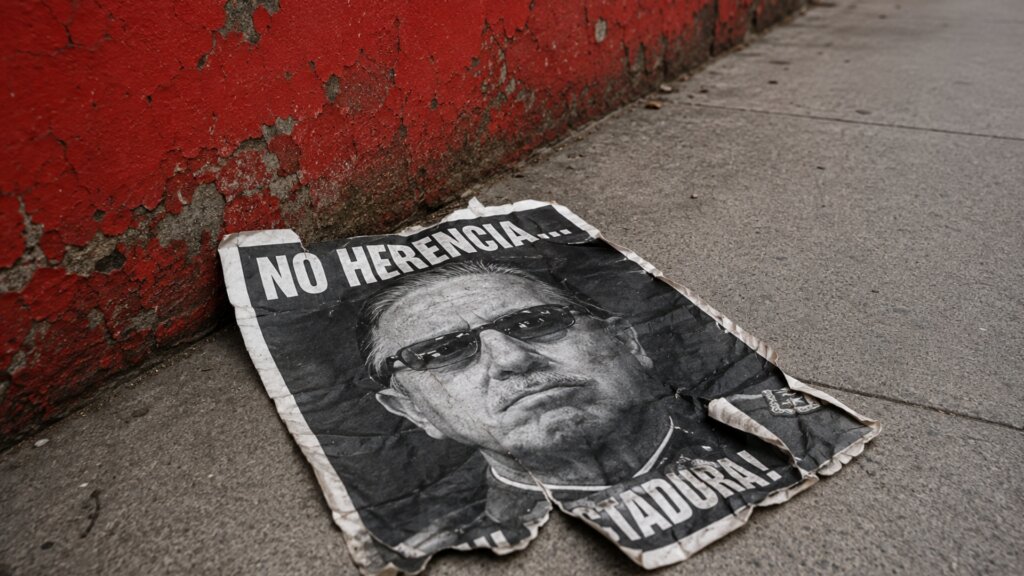
Washington’s fingerprints are all over one of Chile’s darkest chapters. The 1973 coup that installed dictator Augusto Pinochet was backed by the United States, ushering in nearly two decades of rule marked by mass executions, forced disappearances, and widespread torture of civilians. That history of American-backed intervention in Latin American politics remains a defining reference point for Chileans weighing how they feel about US visitors today.
Singapore’s Vietnam War Memories Still Sour Views of Americans
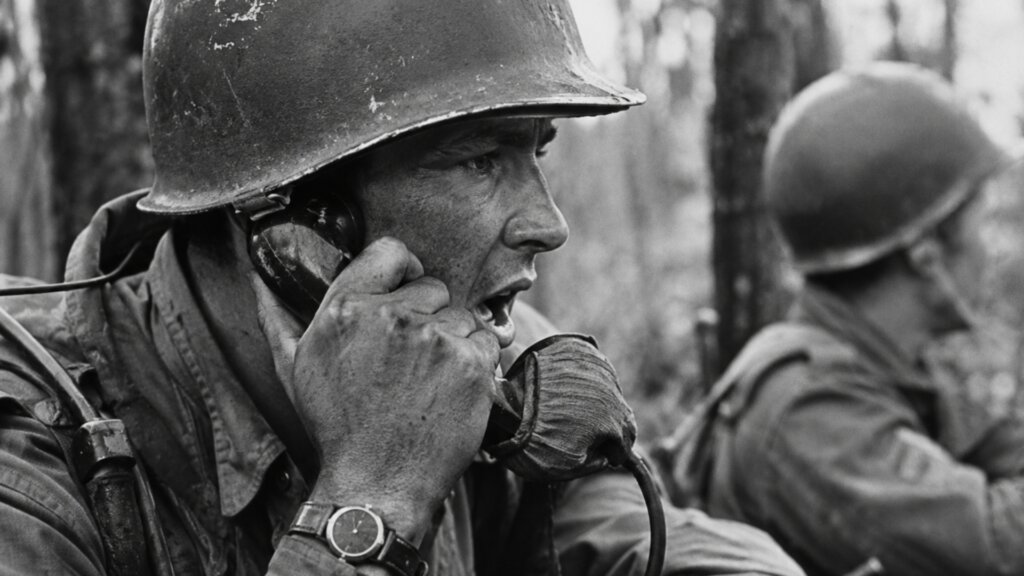
The Vietnam War left a mark on public opinion across much of Southeast Asia, and Singapore is no exception. Lingering resentment over the conflict, along with broader frustration toward American foreign policy decisions in the region, continues to inform how Singaporeans view US visitors decades later. It’s a pattern that echoes the Cold War-era grievances seen elsewhere on this list, tied less to individual tourists and more to national memory.
Post-9/11 Wars in the Region Fuel Pakistani Resentment
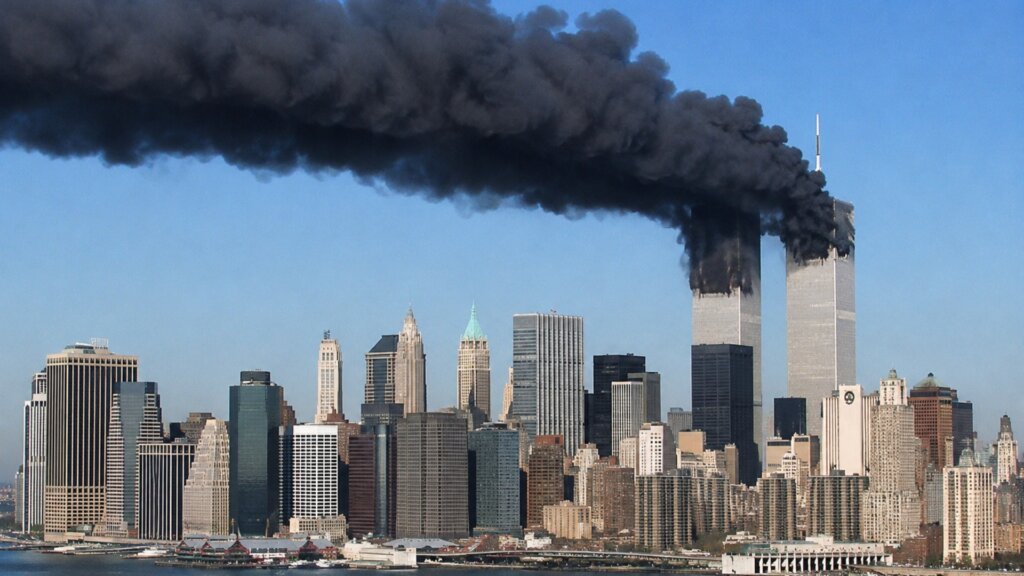
Several overlapping grievances shape Pakistani attitudes toward American visitors. US military ties with India, perceptions of Western Islamophobia, and the fallout from post-9/11 operations in Afghanistan and Iraq all factor into public sentiment. American backing for interventions in the broader region, including Palestine, adds another layer. Together, these geopolitical tensions have made Pakistan one of the more openly critical nations on this list toward US foreign policy.
New Zealanders Say Loud, Entitled Americans Refuse to Adapt

Cultural friction, not foreign policy, drives New Zealand’s cool reception of American tourists. Kiwis frequently describe US visitors as loud and demanding, with limited willingness to adjust to local customs and pace. That resistance to blending in, rather than any political grievance, is the primary complaint voiced by New Zealanders when asked about their least favorite type of foreign tourist, according to accounts collected in surveys and online discussions on the topic.
Mexicans Say American Media Stereotypes Them Despite Shared Tourism
Mexico’s high ranking may surprise Americans, given that most of the country’s international visitors come from the United States and Canada. Still, many Mexicans feel unfairly portrayed by American media and stereotyped by American tourists themselves. Add tensions over border policy and periodic US military rhetoric toward Mexico, and the result is a more complicated relationship than the steady flow of American vacationers might suggest at first glance.
Argentina’s ‘Dirty War’ Memories Keep Anti-American Sentiment Alive
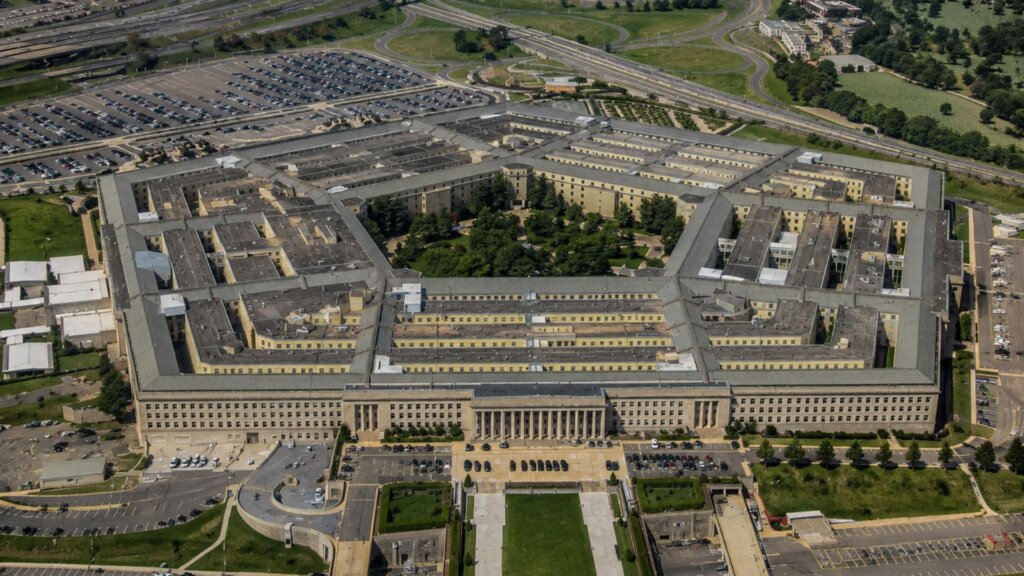
American support for Argentina’s military dictatorship during its so-called Dirty War remains a defining source of resentment. Tens of thousands of people were forcibly disappeared, tortured, or executed under the regime the United States backed. Mothers of the disappeared have marched for decades demanding answers, a movement known as the March for Life. That history of US-supported state violence continues to inform how many Argentinians regard American visitors.
Malaysians Cite Anti-Muslim Bias in American Foreign Policy
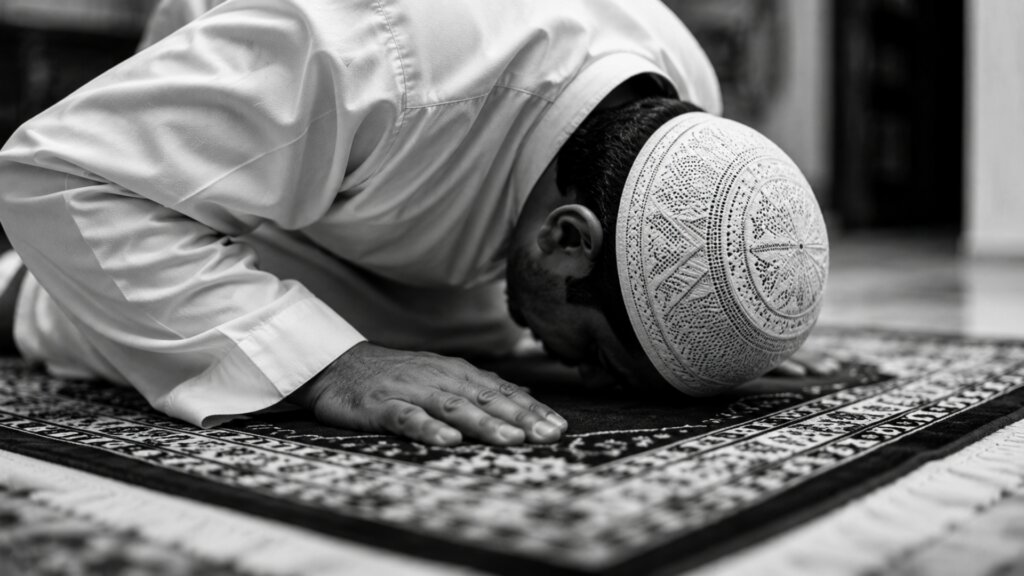
American foreign policy carries real weight in shaping Malaysian public opinion, particularly around perceived anti-Muslim sentiment in US rhetoric and policy decisions. That distrust extends to how ordinary Malaysians view American tourists, even those with no connection to government decisions. It’s a pattern consistent with several other Muslim-majority nations on this list, where geopolitics abroad translates into everyday wariness toward American visitors passing through.
Afghanistan’s Two-Decade War Left Deep Scars on Civilian Life
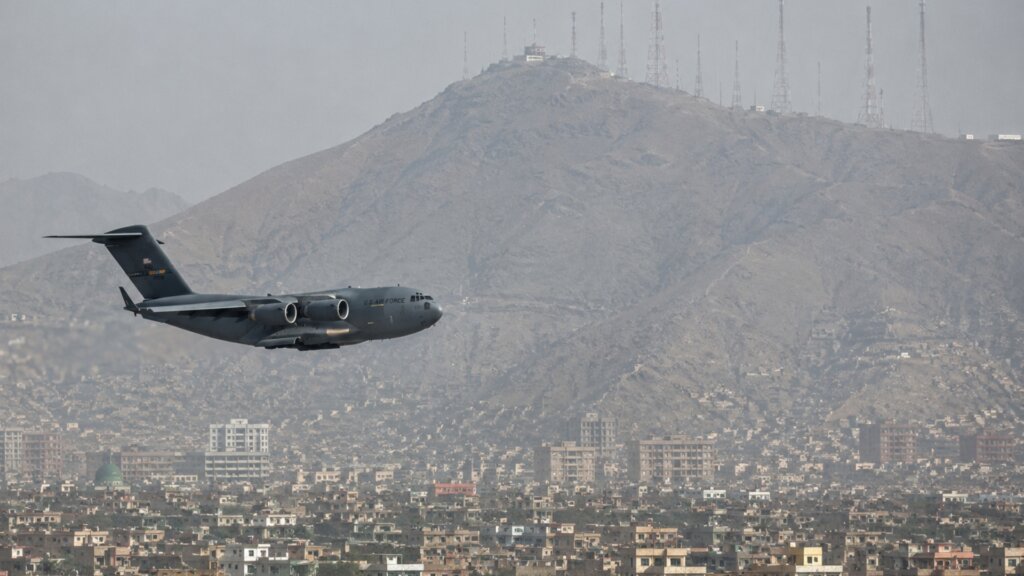
More than two decades of conflict in Afghanistan, launched by the United States after September 11, left well over 150,000 people dead across all sides, according to estimates from Brown University’s Costs of War Project. Civilians, Afghan security forces, and opposition fighters all figure into that toll. That devastating and prolonged war continues to shape how many Afghans view American visitors and US foreign policy more broadly.
China’s State Media Frames American Culture as a Threat

Tense diplomatic relations between Washington and Beijing have shaped mutual public perception for years, with each country’s media often portraying the other unfavorably. American political rhetoric frequently casts China in a negative light, while Chinese state media returns the favor regarding American culture and values. That two-way negative framing feeds into broader Chinese skepticism toward American tourists, layered on top of ongoing trade and security disputes between the two nations.
Russians Cite Ukraine Sanctions and Cold War Baggage
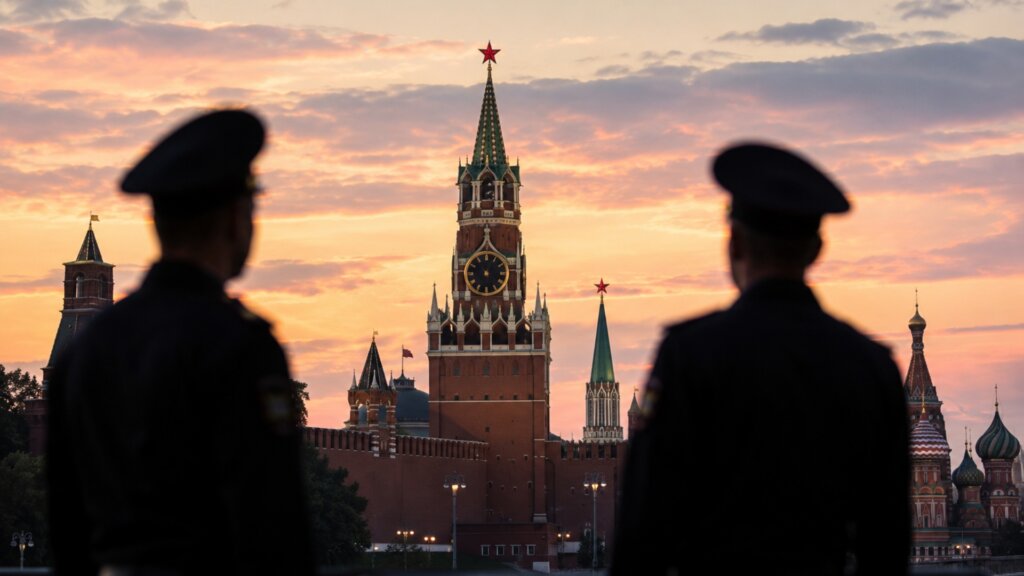
Russian attitudes toward American visitors carry the weight of decades of tension. Lingering Cold War suspicion, American media’s often unflattering portrayal of Russians, and Washington’s response to the Ukraine conflict, including sweeping sanctions, all feed into public sentiment. Those layered grievances, some historical and some current, have pushed Russia further up this list than nations where the friction is rooted mainly in cultural habits rather than politics.
Turkish Resentment Traces Back to US Foreign Policy Choices
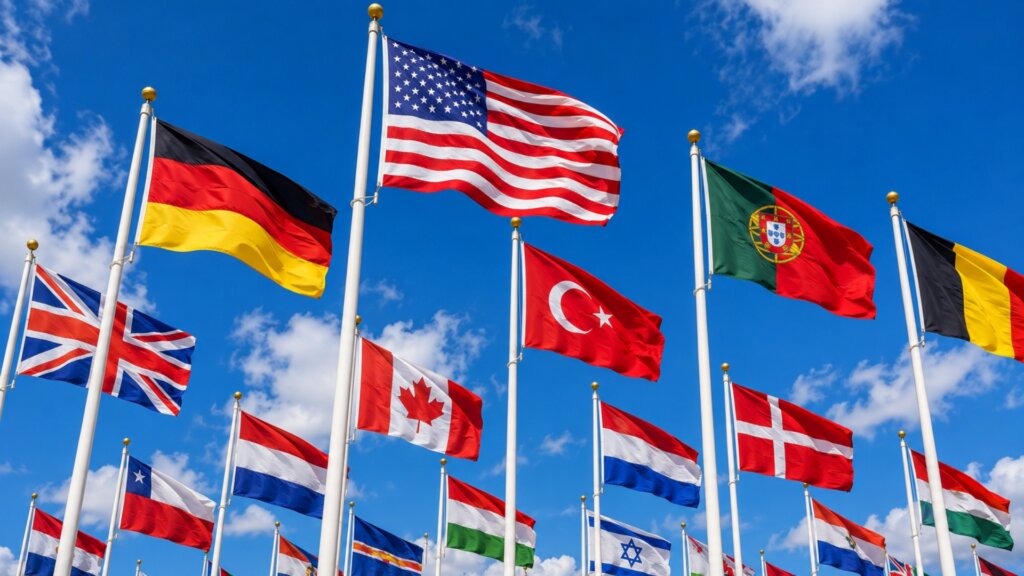
American foreign policy decisions carry particular weight in shaping Turkish public opinion toward US visitors. Research into regional attitudes consistently points to specific American positions and interventions as the primary driver of unfavorable sentiment, more so than any cultural clash over tourist behavior. That pattern places Turkey solidly in the upper half of this ranking, alongside other nations where geopolitics outweighs everyday friction.
Tunisians Point to US Military Involvement in the Region
Like Turkey, Tunisia’s unfavorable view of American tourists stems largely from foreign policy rather than cultural friction. US military interventions across the broader region have left a lasting impression on public opinion, with many Tunisians associating American visitors with the country’s foreign policy choices rather than judging them individually. That regional pattern of politically driven resentment runs through several of the remaining entries on this list.
Lebanon Cites US Backing for Israeli Actions in the South
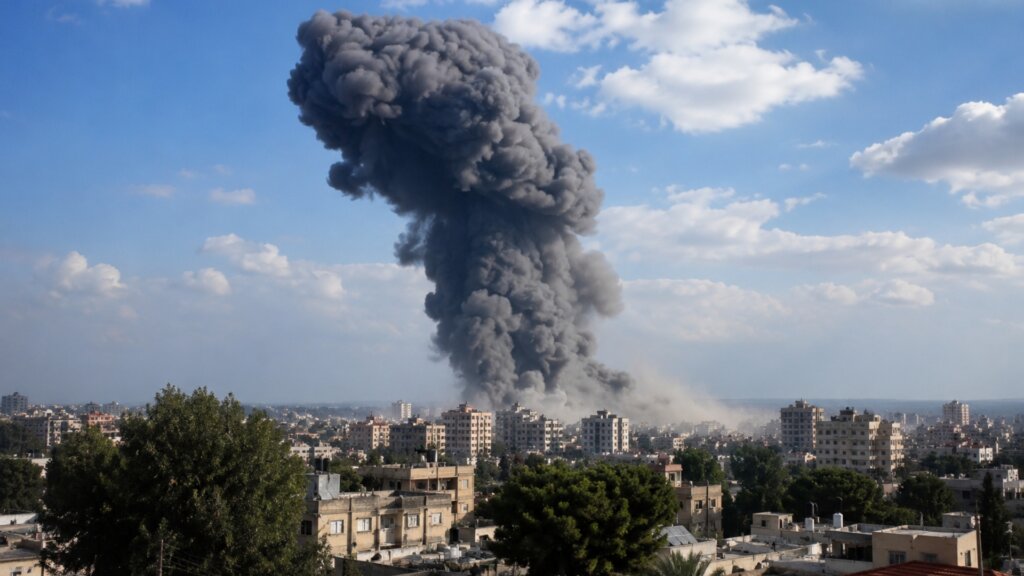
Lebanese resentment centers on America’s support for Israel’s occupation and invasion of southern Lebanon, along with bombing campaigns across several Lebanese regions. US backing for the assassination of Lebanese leaders adds another layer of grievance. Combined with broader American foreign policy positions in the region, these specific historical events have left Lebanon with one of the more pointed cases of anti-American sentiment on this list.
A Disputed Study Put Iraq War Deaths Near 655,000
Both the 1991 Gulf War and the 2003 US-led invasion left deep marks on Iraqi public opinion. A 2006 study published in The Lancet estimated that roughly 655,000 Iraqis died as a consequence of the war, though the US and Iraqi governments disputed the methodology at the time. Regardless of the exact toll, the devastation of the invasion and its aftermath continues to shape how many Iraqis view American visitors.
Jordanians Cite US Support for Israeli Occupation of Palestine
Jordan’s proximity to the Israeli-Palestinian conflict places American foreign policy at the center of local sentiment toward US tourists. Washington’s backing of Israel’s occupation of Palestine stands out as the primary grievance cited by Jordanians surveyed on the subject. Broader American positions across the Middle East compound that resentment, pushing Jordan higher on this list than nations where the friction is rooted mainly in cultural differences.
North Koreans Can’t Meet American Tourists, But Resent Them Anyway
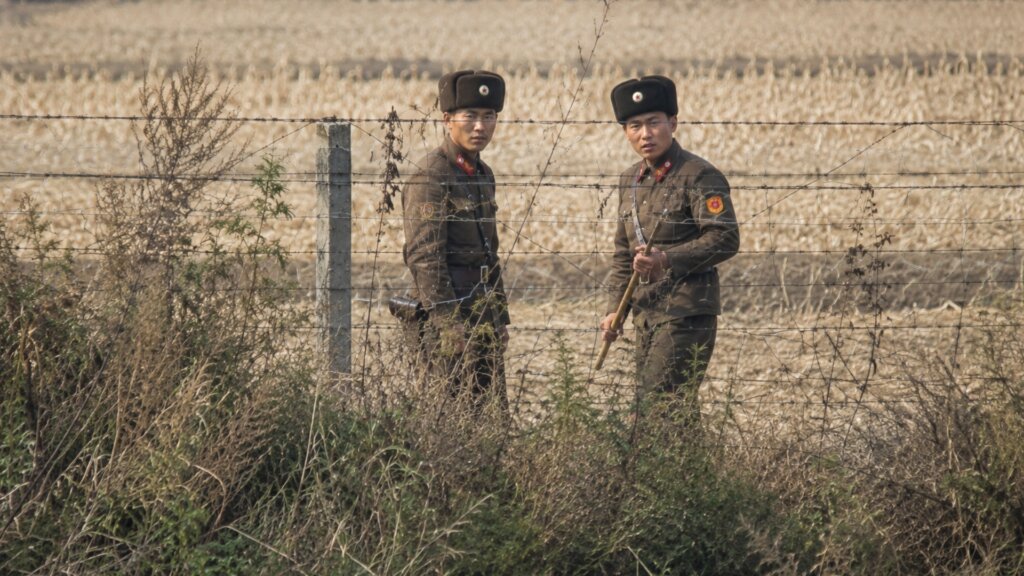
American travelers are barred from visiting North Korea entirely, a restriction tied to the unresolved legacy of the Korean War and Washington’s deepening alliance with South Korea. Despite the lack of direct contact, North Korean state media’s portrayal of Americans, combined with decades of US-led sanctions, has shaped deeply unfavorable views of American visitors and the United States more broadly among the North Korean public.
Yemenis Cite US Support for Israel and Its Civil War Role
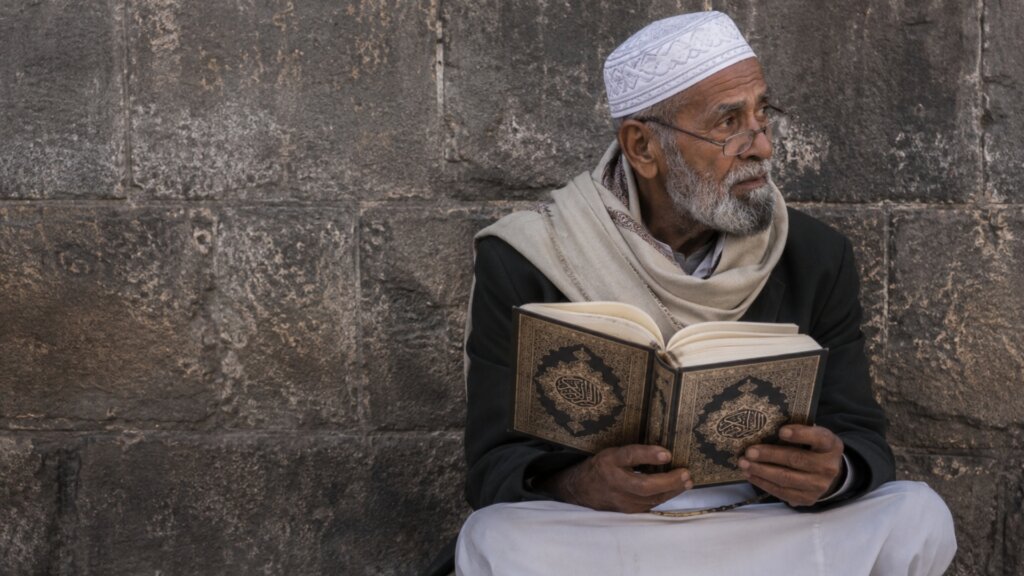
Yemen’s civil war has drawn in outside powers for years, and American involvement is a central grievance for many Yemenis. US support for Israel, paired with direct American involvement in aspects of Yemen’s ongoing conflict, has left locals with little goodwill toward American visitors or US foreign policy. That combination of regional and domestic grievances places Yemen near the very top of this ranking.
A 1953 CIA-Backed Coup Still Defines Iranian Views of Americans
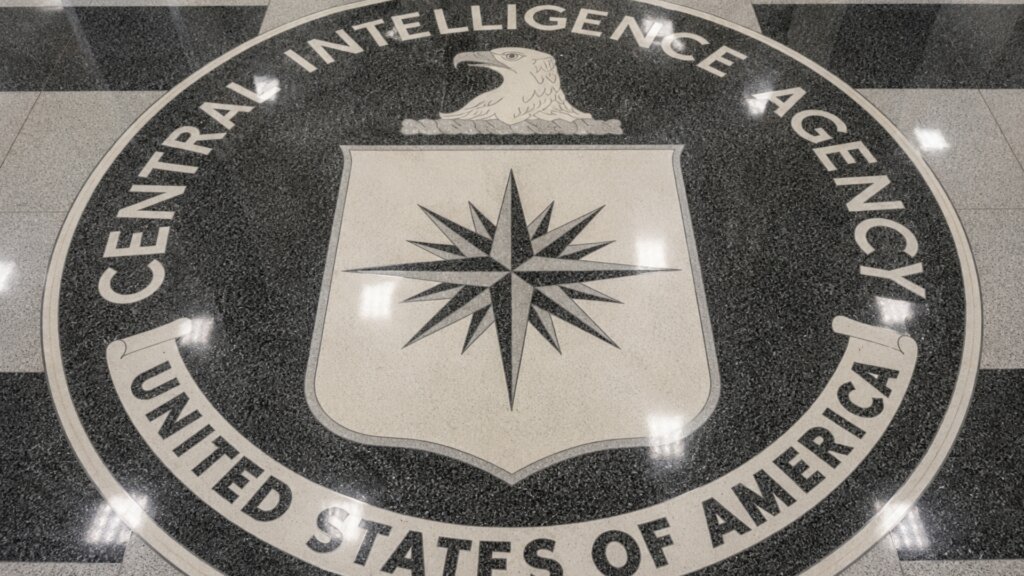
Iranian resentment toward the United States traces back more than 70 years to a pivotal moment: the 1953 coup that overthrew democratically elected Prime Minister Mohammad Mossadegh and installed the Shah in his place, engineered with American backing. Decades of hostile rhetoric in both American and Iranian media have reinforced that original grievance, making Iran one of the most consistently unfavorable nations toward US tourists on this list.
Egypt Tops the List Over US Support for the Sisi Regime

Egypt ranks as the least welcoming country to American tourists, and recent history explains why. US backing of the Mubarak regime, followed by American reluctance to support the 2011 Egyptian Revolution, left many Egyptians distrustful of Washington’s intentions. That distrust deepened after the United States supported the coup that removed democratically elected president Mohammed Morsi in favor of Abdel Fattah el-Sisi’s authoritarian government, a decision still felt across Egyptian public opinion today.