

Products are selected by our editors, we may earn commission from links on this page.
Life has often been described as a linear process: birth, existence, and eventually, death. But modern research reveals a more complex reality. At the cellular level, death may not be a definitive end. Cells appear capable of reorganizing themselves into new roles, raising questions about adaptability, intelligence, and even a form of consciousness.
Rethinking the Life Cycle
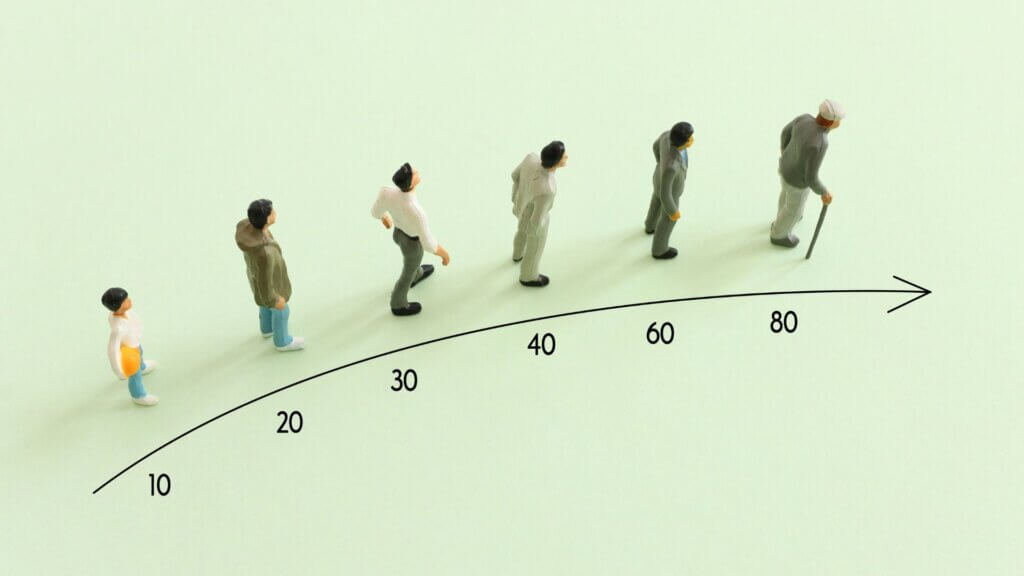
For centuries, the cycle of life has been framed as straightforward and final. Yet recent discoveries challenge this view, suggesting that after an organism dies, individual cells can remain active and adopt new behaviors. This perspective reframes death as a potential transformation rather than an absolute endpoint.
The Birth of Xenobots

One of the most compelling examples of this phenomenon comes from xenobots, artificially designed clusters of cells. Created with the help of AI, xenobots behave in ways that go beyond their original biological functions. They move independently, adapt to their environment, and occasionally self-assemble, hinting at hidden capacities within living matter.
Redefining Cellular Purpose
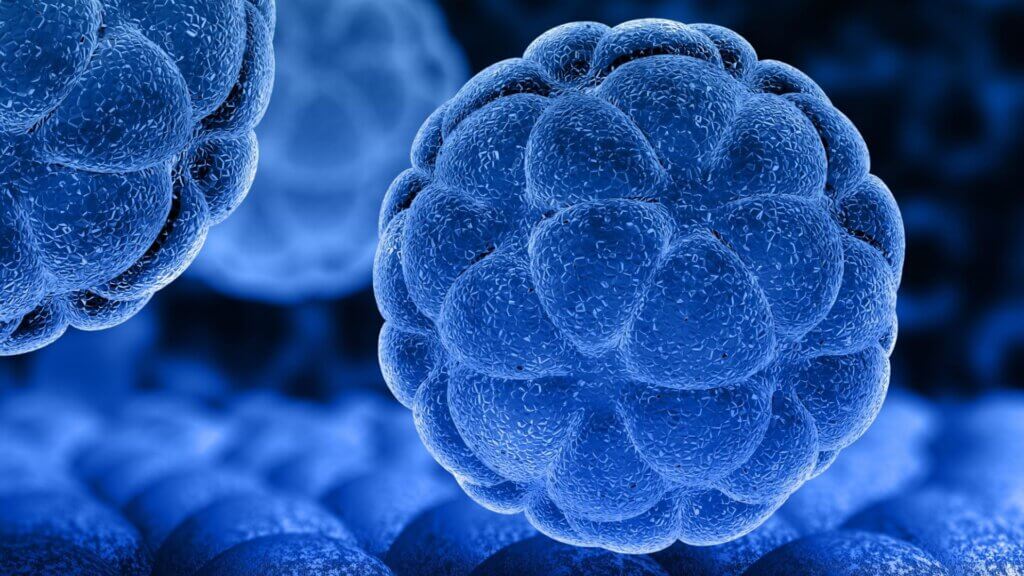
What sets xenobots apart is their ability to reassign biological tools. For example, cilia structures meant to transport mucus can instead propel these organisms through liquid. This reengineering demonstrates cellular flexibility, revealing that cells are not bound strictly to their evolutionary assignments.
The Concept of a “Third State”

Researchers describe this adaptability as a “third state” of existence: not fully alive in the traditional sense, yet far from inert. In this state, cells reorganize and form novel structures, challenging our definition of what it means to be alive and raising profound questions about biology’s boundaries.
The Sentient Cell Debate

Some scientists argue that cells may possess decision-making abilities, supporting the theory of the “sentient cell.” In this framework, cells act as agents capable of solving problems and adapting creatively. If true, consciousness may not be limited to brains but could be present in the very building blocks of life.
Shifting Philosophical Ground
This idea disrupts long-held philosophical views. Thinkers like Descartes once restricted consciousness to humans alone, but modern biology is broadening that horizon. If intelligence can be expressed at the cellular level, then our understanding of cognition, and even evolution, must expand.
Voices of Skepticism
Not all experts accept these bold claims. Critics argue that laboratory phenomena like xenobots resemble known processes of cellular reprogramming rather than evidence of cognition. They caution that without strict scientific validation, theories of cellular consciousness risk drifting into speculation.
Medicine and Future Possibilities

Despite the debate, researchers agree on the immense potential of this work. If cells can be guided to act in new ways, they could revolutionize medicine, offering therapies crafted from a patient’s own tissues, reducing rejection risks, and opening doors to unprecedented treatments.
Final Conclusion

Whether or not cells are truly conscious, their adaptability is undeniable. Xenobots and similar experiments show that life may extend beyond our traditional definitions, blurring the line between living and non-living states. The conversation is far from settled, but one thing is clear: exploring the hidden potential of cells will play a crucial role in shaping the future of science, medicine, and our understanding of what it means to be alive.