

Products are selected by our editors, we may earn commission from links on this page.
TJ Maxx closed three stores in 2026. At the same time, its parent company just raised its profit forecast and announced plans to grow toward a global footprint of 7,500 locations. On the surface, those two facts seem to pull in opposite directions, but they’re actually part of the exact same business strategy. Understanding how a retailer can shut down specific stores while aggressively expanding overall says a lot about how modern off price retail actually works, and offers some genuinely useful context for any shopper wondering whether their own local store might be next.
This article was created with the assistance of AI and reviewed by our editorial team for accuracy and clarity.
The Three Stores That Actually Closed This Year
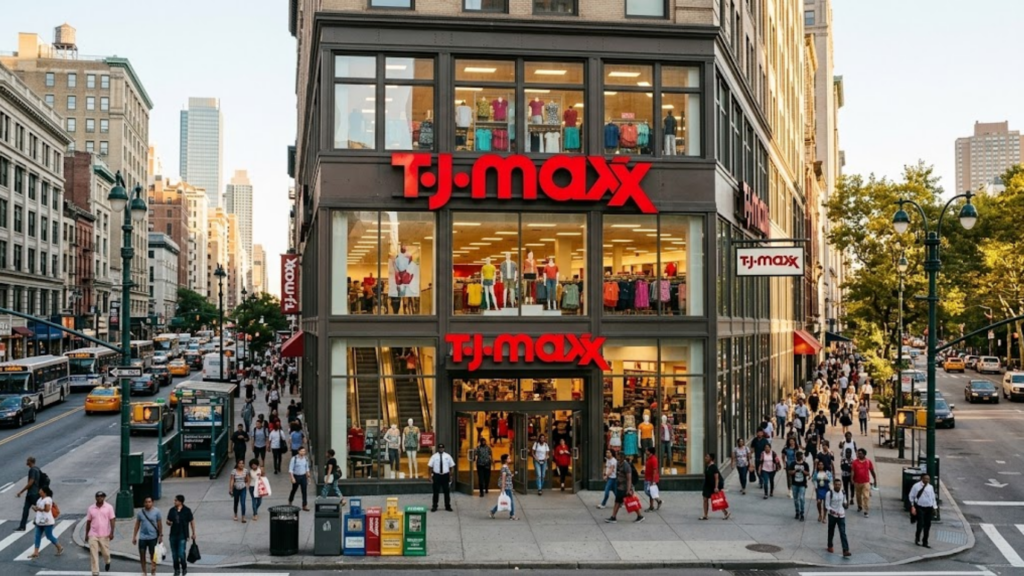
According to reporting from Inc. and other outlets, TJ Maxx closed three specific locations in 2026. The first was a three floor flagship style store on Newbury Street in Boston’s Downtown Crossing area, which stopped trading on January 5 after nearly a decade in operation. The second was the Ellsworth Place mall location in Silver Spring, Maryland, which closed after a similar ten year run, affecting roughly 60 employees. A third location on Vocke Road in Cumberland, Maryland, also shut its doors. That’s the complete confirmed list, a relatively small number given the chain’s overall size.
A Closer Look at the Boston Flagship
The Boston closure drew particular attention given the store’s scale and visibility. The Newbury Street location spanned three full floors, a considerably larger format than a typical TJ Maxx store, making it something of a flagship presence within the city’s busy Downtown Crossing shopping district. A Massachusetts WARN notice tied to the closure listed 117 affected workers, and according to reporting, most of those employees were offered positions at nearby TJ Maxx locations rather than simply being let go, a detail that softens the impact somewhat for the workers involved.
Why TJX Says These Closures Happened
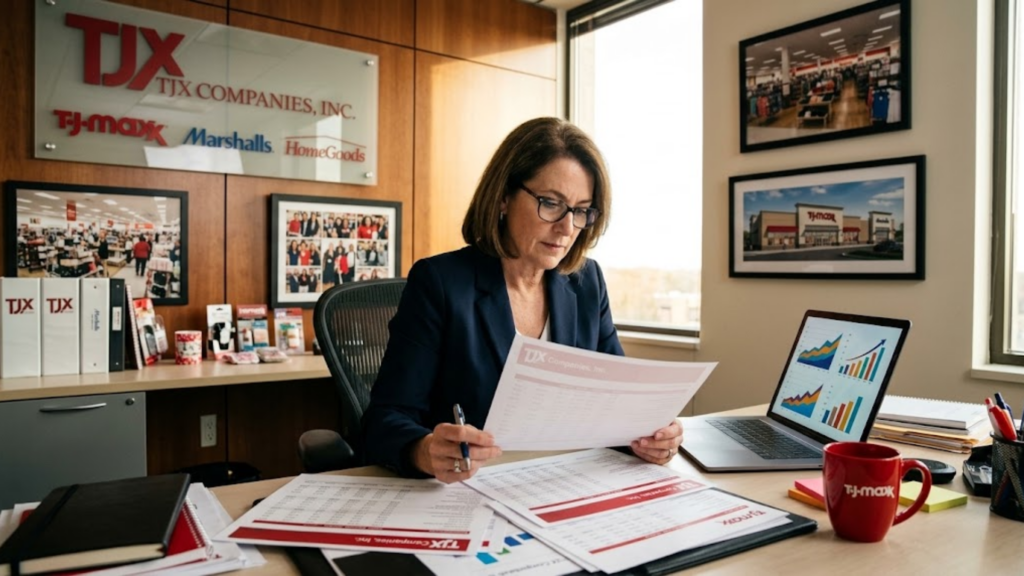
A spokesperson for the company addressed the closures directly, describing them as part of an ongoing, routine review of the chain’s overall real estate strategy rather than any signal of financial distress. That framing lines up with the broader financial picture. TJX Companies, the parent company behind TJ Maxx, isn’t struggling. The company raised its full year profit forecast and maintained its annual comparable store sales growth outlook of 3 to 4 percent, numbers that reflect a genuinely healthy business rather than one scaling back out of necessity.
The Chain Is Actually Growing, Not Shrinking
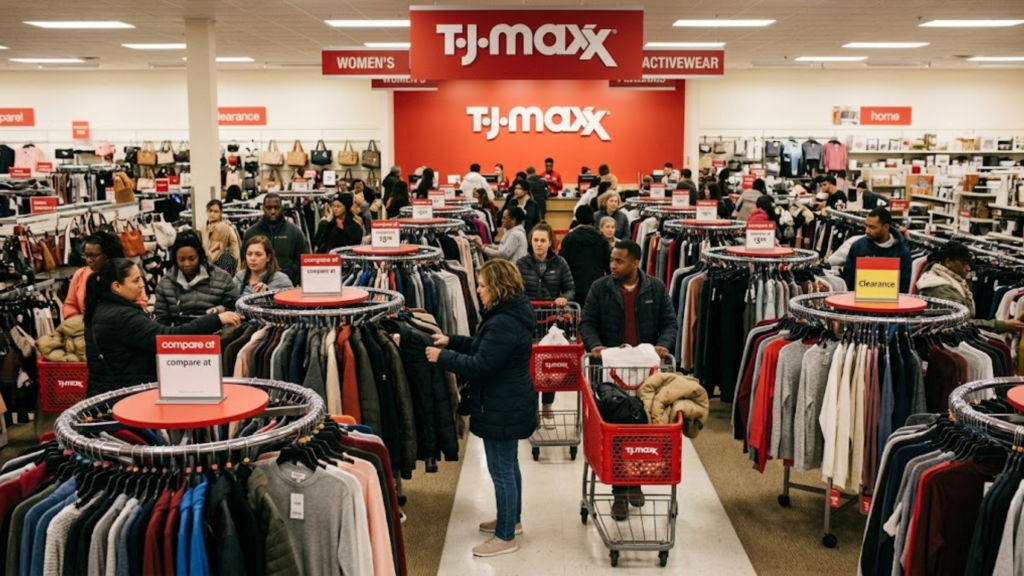
Despite the handful of closures making headlines, TJ Maxx has opened considerably more stores than it has closed throughout 2026. The chain added 11 net new locations during just the first half of the year alone, and currently operates more than 1,300 stores across the United States. That net growth figure puts the handful of 2026 closures into real perspective. For every store that shut its doors this year, TJ Maxx opened several more elsewhere, a pattern that reflects strategic repositioning rather than any kind of broad pullback.
Some Closures Are Actually Relocations in Disguise
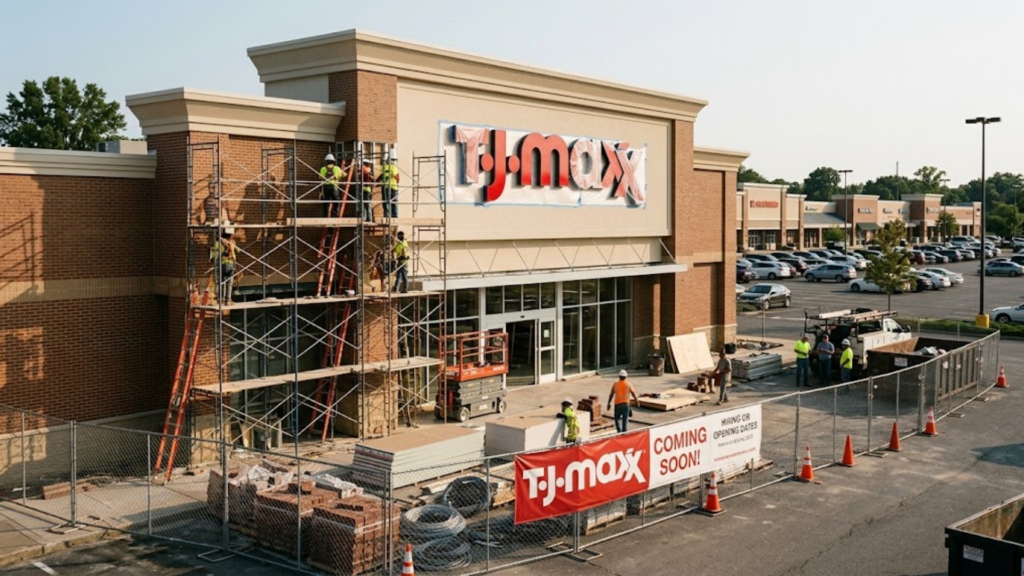
A closer look at the specific closures reveals an important nuance. Several TJ Maxx locations described as closing are actually relocating to nearby sites rather than disappearing from a market entirely. In Charlotte, North Carolina, the South Boulevard store relocated to Seneca Square, with the new location opening October 1. A similar pattern played out in Connecticut, where a TJ Maxx at Meriden Mall closed in March 2026 before reopening nearby at The Shops at Stone Bridge in Cheshire. These moves suggest the company is actively repositioning stores toward better performing retail locations rather than abandoning entire markets.
The Ambitious Growth Plan Behind the Scenes
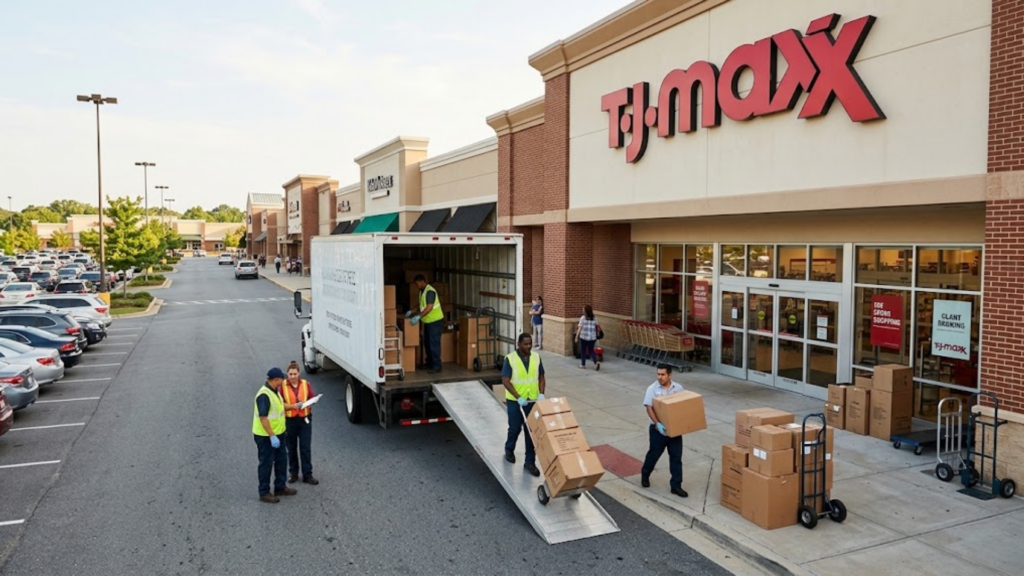
TJX has outlined genuinely ambitious expansion plans looking ahead. The company announced a long term global store count target of 7,500 locations, representing an addition of roughly 500 stores across its full portfolio of retail banners. Starting in fiscal year 2028, TJX plans to accelerate its pace of new store openings to 4 percent annually. That kind of sustained, planned growth requires constant evaluation of existing locations too, which helps explain why a small number of underperforming or poorly positioned stores get closed even as the broader company pushes toward considerably larger total store counts.
TJ Maxx Is Just One Piece of a Much Bigger Company
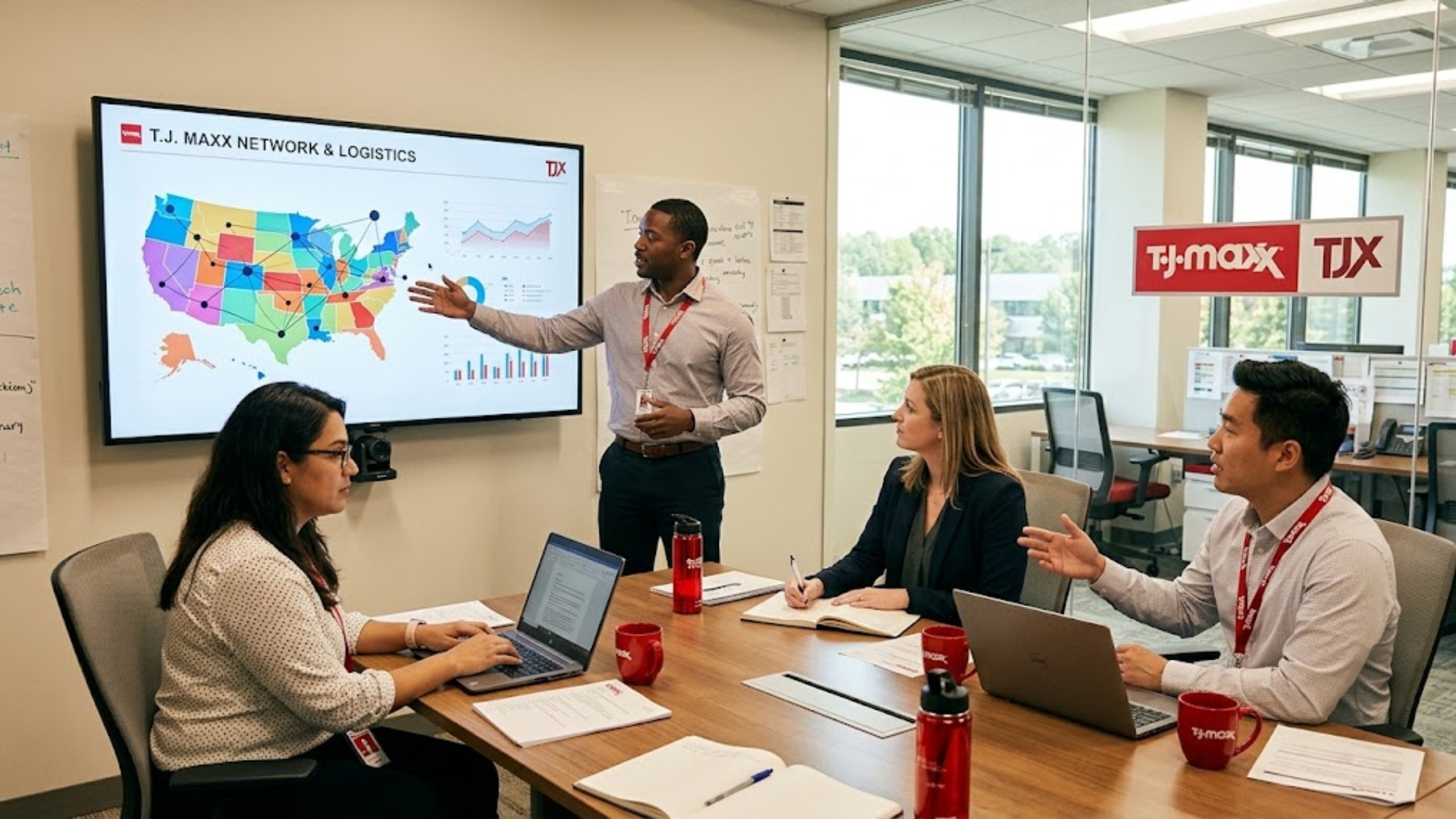
It’s worth understanding that TJ Maxx operates as the flagship brand within a considerably larger retail portfolio. Parent company TJX Companies also owns Marshalls, HomeGoods, HomeSense, and Sierra in the United States, along with Winners in Canada and TK Maxx across Australia and Europe. This diversified structure, spanning clothing, home goods, and outdoor gear across multiple distinct store brands, gives TJX considerable flexibility to shift resources and real estate investment toward whichever specific banner or location shows the strongest growth potential in a given market at any given time.
Why This Business Model Depends on Constant Adjustment
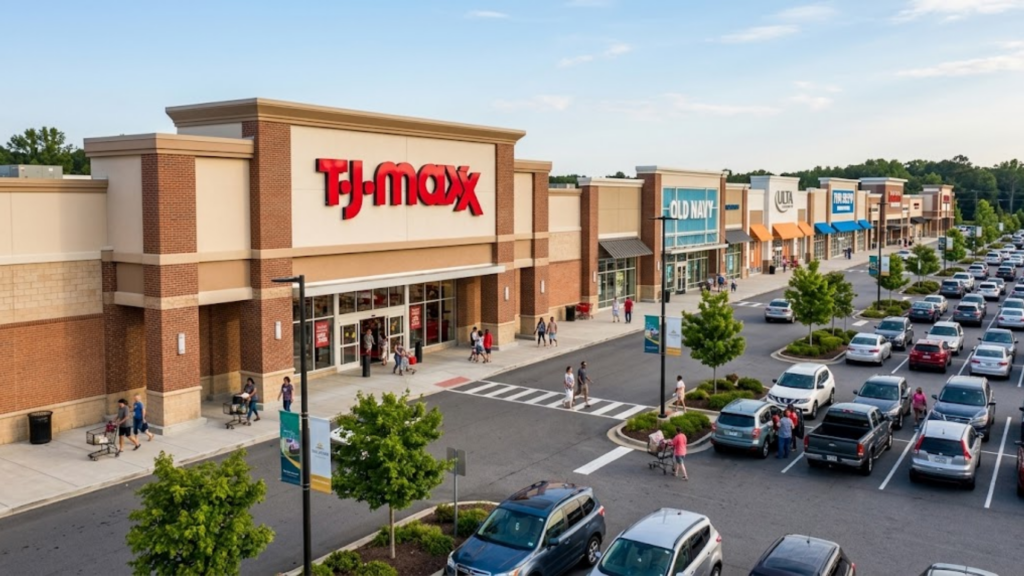
TJ Maxx’s entire business model as an off price retailer depends on quickly adapting to shifting shopping patterns and real estate opportunities. Unlike traditional retailers locked into long term, fixed format stores, off price chains like TJ Maxx have historically shown a willingness to test smaller store formats, relocate to better performing retail centers, and continuously reassess their footprint market by market. That operational flexibility is actually part of what has helped the off price retail sector remain relatively resilient even as many traditional department stores and mall anchors have struggled considerably over the same stretch of years.
What This Actually Means if You Shop There
For everyday shoppers, the practical takeaway here is reassuring rather than alarming. A handful of store closures making headlines doesn’t reflect any broader trouble at TJ Maxx, and in several specific cases, a closed location has simply reopened nearby in a better performing retail spot rather than disappearing from that market altogether. Shoppers wanting to confirm whether their own specific local store remains open can check the store locator tool available directly on TJ Maxx’s official website. Given the company’s stated plans to keep growing toward thousands of additional locations worldwide, this current wave of closures looks far more like routine fine tuning than any genuine sign of retreat.