

Products are selected by our editors, we may earn commission from links on this page.
A passenger was ejected from the Goliath roller coaster at Six Flags Over Georgia on a Monday and died, according to police. Six Flags shares fell roughly 14% the following day. The timing matters because the company was already under pressure from outside its own boardroom.
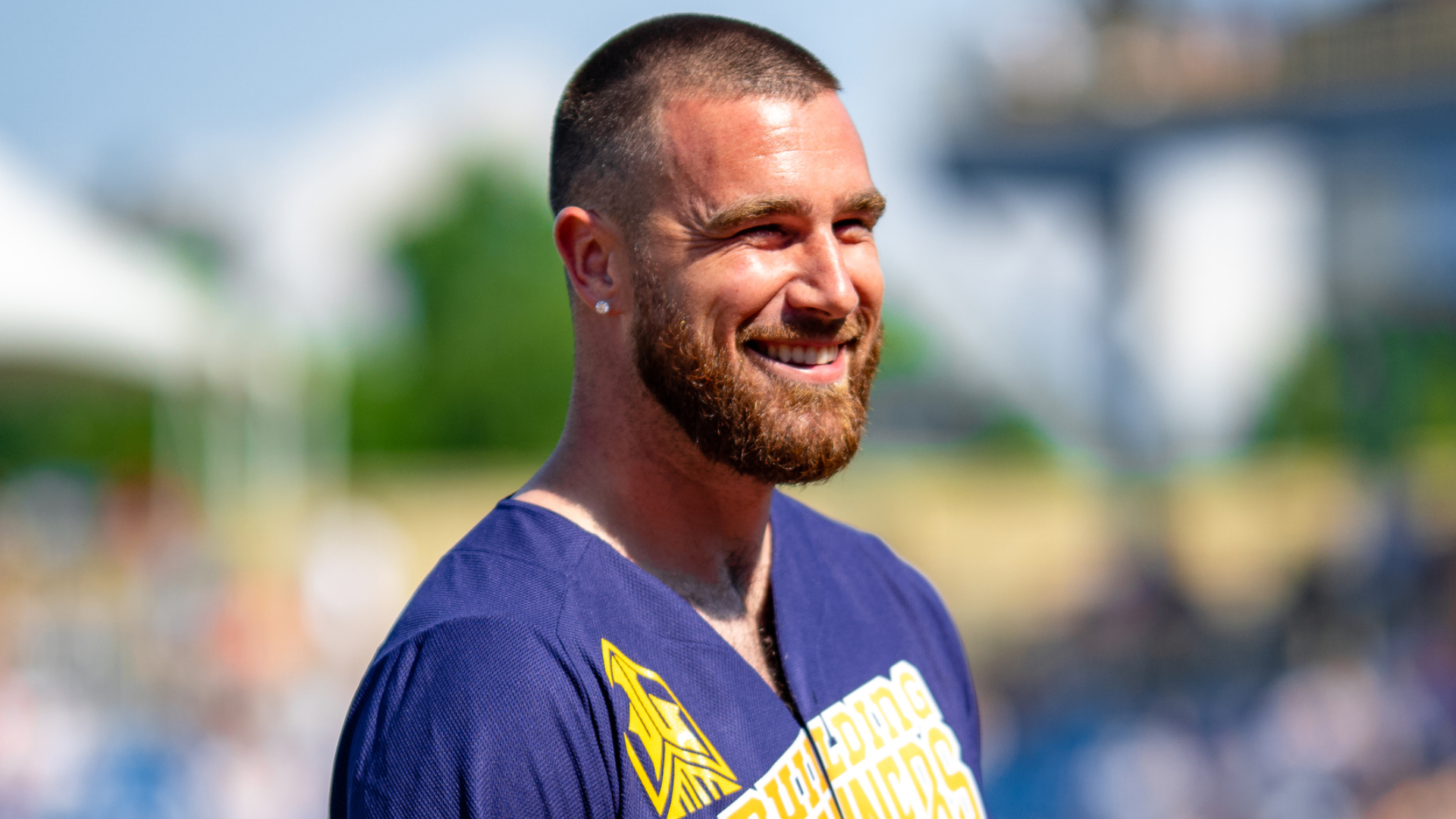
Travis Kelce, the NFL tight end, joined the activist hedge fund Jana Partners and other investors in October 2024 to take a stake of about 9% in Six Flags. In September 2025, Jana told the company to hire an investment bank and explore a sale. The death did not create that dispute. It landed on top of it.
This article was created with the assistance of AI and reviewed by our editorial team for accuracy and clarity.
The accident has not made a sale more likely

The instinct is to read a crisis as the thing that forces a deal. That is not where this stands. A fatality investigation with no published cause is an open-ended liability, and open-ended liabilities make buyers slower, not faster.
A prospective buyer would now have to price three things at once: the existing operating losses, the unresolved Georgia investigation, and whatever the investigation eventually finds. Nothing in the public record establishes that Six Flags’ financial problems contributed to the death. Nothing establishes that they did not. Jana’s argument for a sale was built on financial results, and the accident sharpens the argument over ownership without settling what the business is actually worth.
The losses started after an $8 billion merger
Six Flags completed an $8 billion merger with Cedar Fair in 2024, combining two of the largest regional park operators in North America. The company has not recorded a profitable quarter since the summer of that year.
Its second-quarter net loss came to roughly $203 million, more than double the loss in the same quarter a year earlier. The share price has lost more than 80% of its value since the merger closed, CNN reported the day after the Georgia accident. Earlier in 2025 the company sold seven parks for $331 million. That is the financial record Jana pointed to when it asked the board to bring in an investment bank, and it predates the coaster entirely.
Foot traffic fell about 15% in a single quarter
Citi analysts estimated that park attendance dropped 15% year over year across the April to June period. For a regional park operator, that figure does most of the work in explaining the losses.
Parks carry a fixed cost base that barely moves with crowd size. Ride operators, maintenance crews, electricity to run the lift hills, water, and insurance are all owed whether 20,000 people come through the gate or 17,000. Attendance is also where the second revenue stream lives, because food, parking, and merchandise only happen once someone is inside. A 15% attendance decline therefore hits twice in the same quarter, and it compounds across a season rather than averaging out.
The rider was a 42 year old Atlanta educator
Hassan Jihad Ibn Kariem was 42 and worked as an educator in Atlanta. Police said preliminary information from witness accounts and employee interviews indicated he was ejected from Goliath, struck other patrons, and fell beneath the ride.
Investigators have not publicly established why he left his seat. Georgia’s Office of the Commissioner of Insurance and Safety Fire opened an investigation alongside the police inquiry. Six Flags said it was deeply saddened and that it was cooperating with authorities. The company has not offered a cause, and no finding has been published connecting maintenance, financial pressure, or operator error to what happened. Everything beyond the sequence described by police remains unestablished.
Nine more coasters were shut across six parks
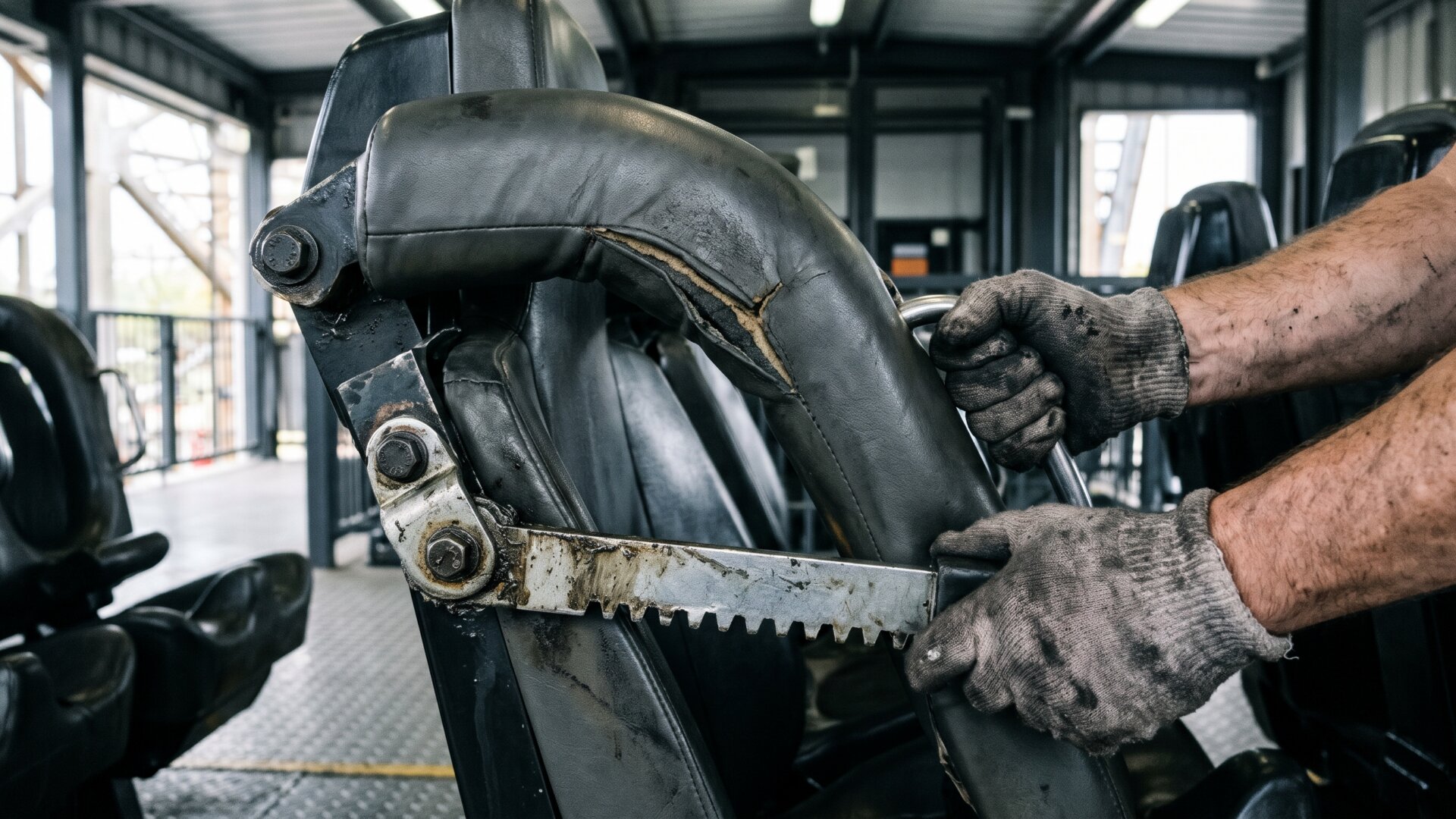
Six Flags temporarily closed nine roller coasters at six of its parks after the accident. The grouping was not arbitrary. Operators pull rides that share a restraint design, manufacturer, or train configuration with the one involved, because if a mechanism failed, every machine using that mechanism is suspect until proven otherwise.
Goliath itself will stay closed when the Georgia park reopens on the Friday following the accident. A rider who wants to know whether a specific attraction is running can check the park’s own ride status page, which operators update when rides go down for inspection. That is the only source that reflects a closure the same day it happens.
The common error is reading the stock drop as a verdict
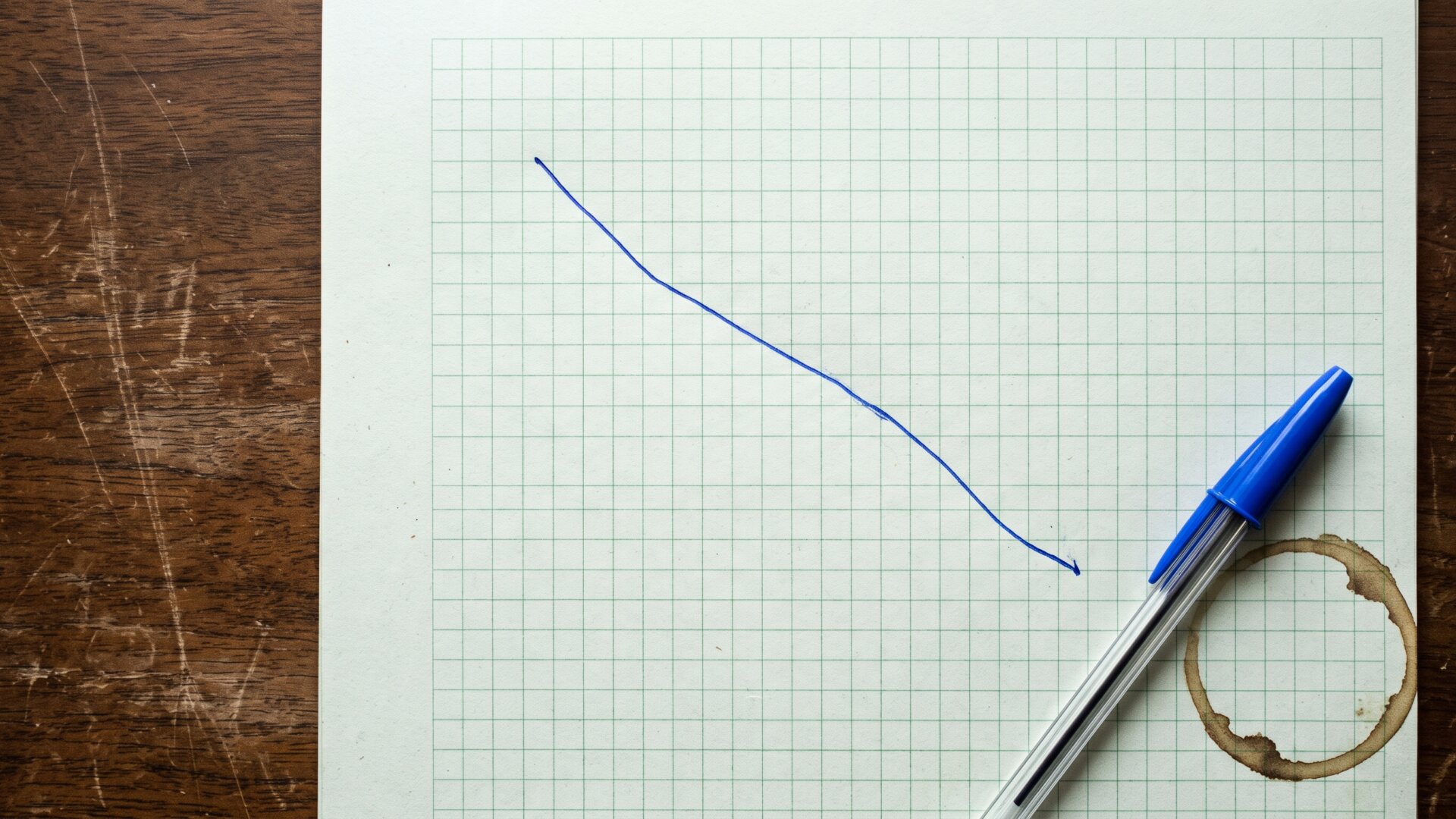
A 14% single-day decline looks like the market concluding something about Six Flags’ safety record. It is not that. Equity markets price uncertainty, and a fatality investigation with no published cause produces a lot of it at once.
The specific unknowns are countable. Investigators have not said why the rider was ejected. Six Flags has not said when the nine closed coasters reopen. Attendance effects over the remainder of the season are unmeasured. Legal exposure has no figure attached. The financial cost of the incident remains unknown. None of those has an answer yet, and a share price moves on the range of possible answers rather than on a conclusion nobody has reached.
The insurance may not cover everything
Six Flags has previously warned in its own disclosures that its liability insurance might not cover all potential liabilities, and that future coverage might not be available at commercially reasonable rates. That is unusually blunt language for a corporate filing, and it is the detail most likely to matter to a buyer.
Large park operators typically carry high self-insured retentions, meaning the company absorbs a substantial amount per incident before any outside coverage responds. The warning about future rates is the longer-tail problem. An insurer reviewing a renewal after a fatality can raise the price, narrow the terms, or decline, and none of those outcomes depends on the investigation assigning blame.
A California ride was already drawing lawsuits
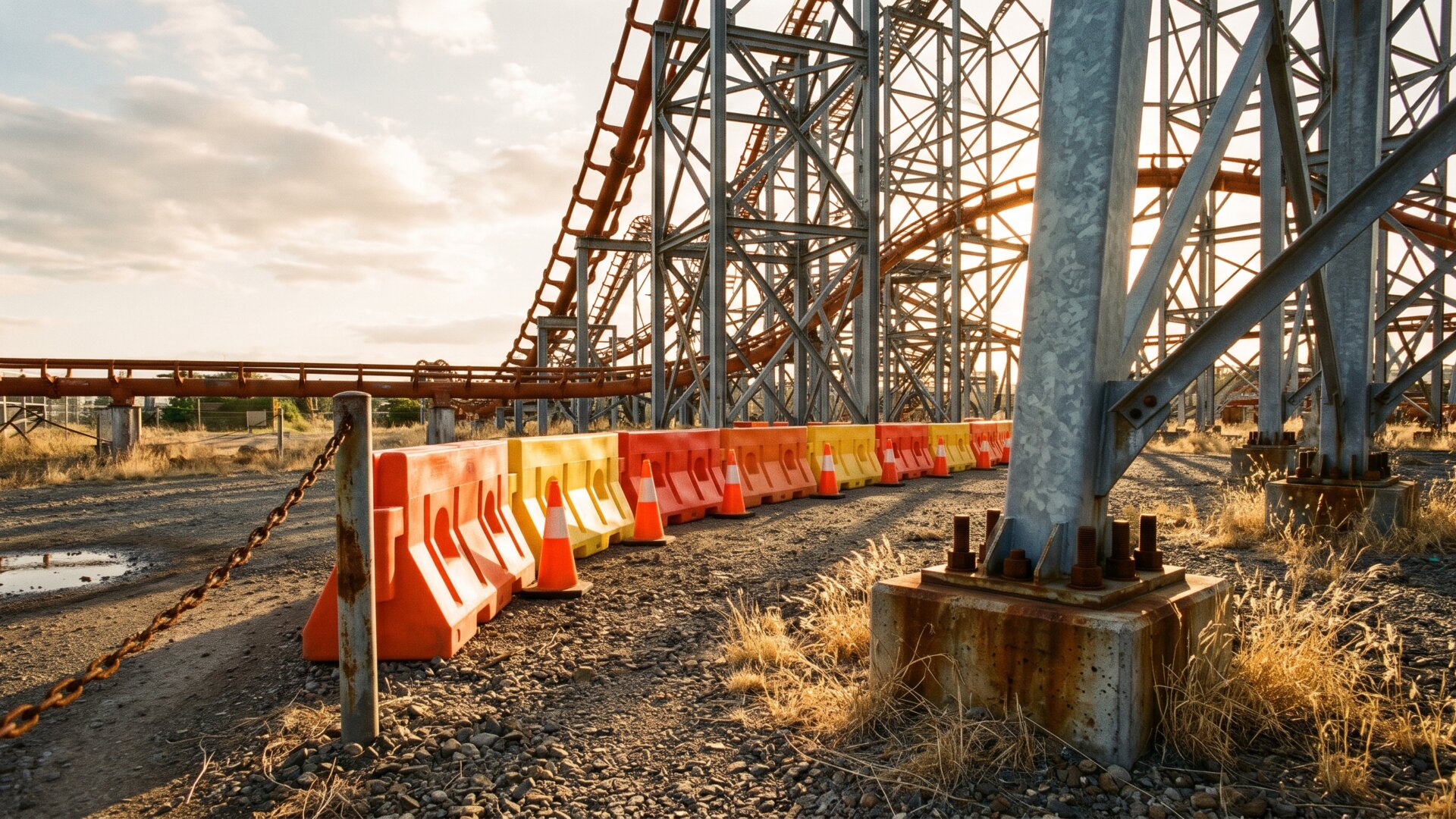
Separate lawsuits allege serious injuries on X2, a coaster at Six Flags Magic Mountain in California. The company announced in August 2025 that it would retire the ride. Six Flags has maintained that X2 passed its required safety tests.
Those allegations do not establish any connection to the Georgia death, and the two matters involve different parks, different rides, and different claims. What they share is a place on the same balance sheet. For Jana and for any bank the board might eventually hire, the X2 litigation is one more item that has to be valued before a price can be put on the company, alongside the losses and the open Georgia investigation.
Kelce was made a brand ambassador in March

Six Flags named Travis Kelce a brand ambassador in March 2025, which put the same person on both sides of the company’s recovery: a shareholder pressing for change and a public face promoting the parks. He framed the original investment personally when it was announced, saying he was a lifelong Six Flags fan who grew up going to the parks with family and friends.
That arrangement was straightforward when the problem was a weak quarter. It is less straightforward now. Management has to respond to a fatality investigation and persuade families the parks are safe, while a shareholder group holding roughly 9% keeps asking the board to find a buyer.