

Products are selected by our editors, we may earn commission from links on this page.
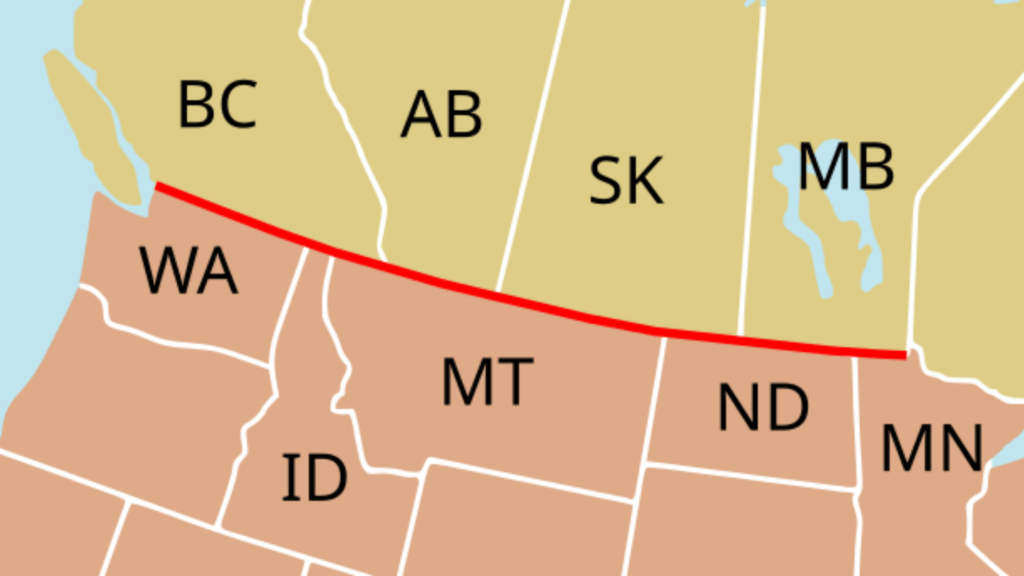
A quiet, decades-old border road connecting communities in Montana and Alberta is being shut down, sparking outrage among residents on both sides of the U.S.-Canada border. For nearly 80 years, locals have used this shared route freely, crossing back and forth to visit neighbors, tend farmland, and maintain close-knit relationships that ignored the invisible line between countries. Now, a new enforcement decision by U.S. authorities is bringing that tradition to an abrupt end, leaving many frustrated and questioning why such a long-standing arrangement is being dismantled.
What Is This Border Road and Why It Matters
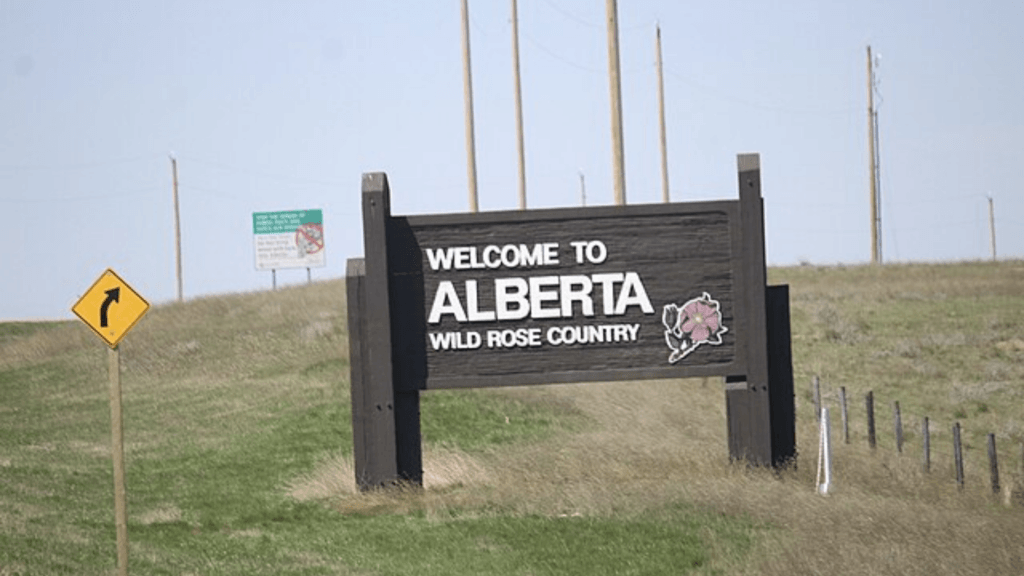
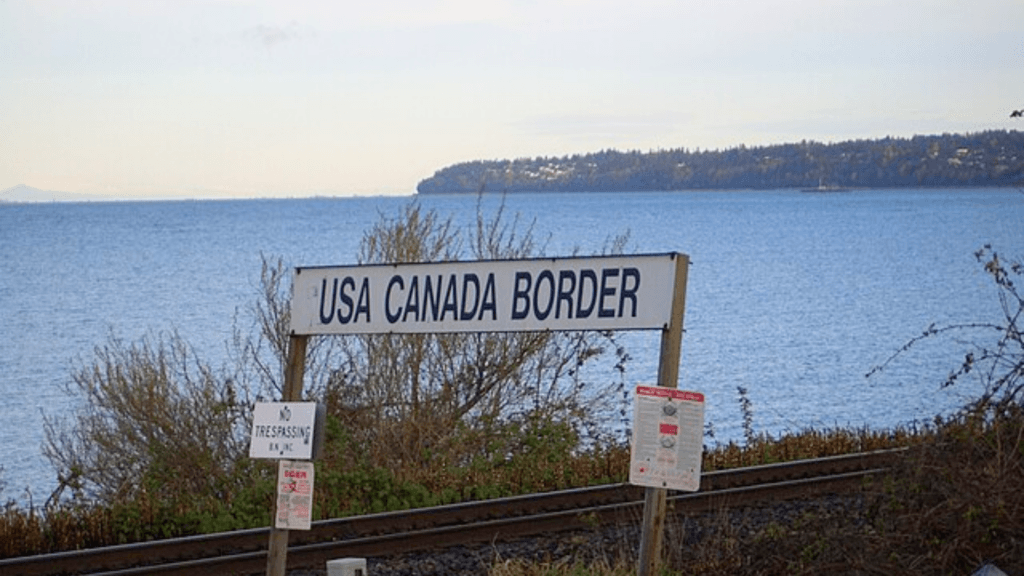
The road at the center of the controversy, commonly known as “Border Road,” runs along the Montana side of the border near the Sweet Grass, Coutts crossing. Despite being on U.S. soil, it has historically been maintained by Alberta and used by residents from both countries without strict enforcement. Over time, it became more than just a road, it served as a shared lifeline connecting farms, families, and communities that exist on opposite sides of the border.
Why the U.S. Is Closing the Road Now
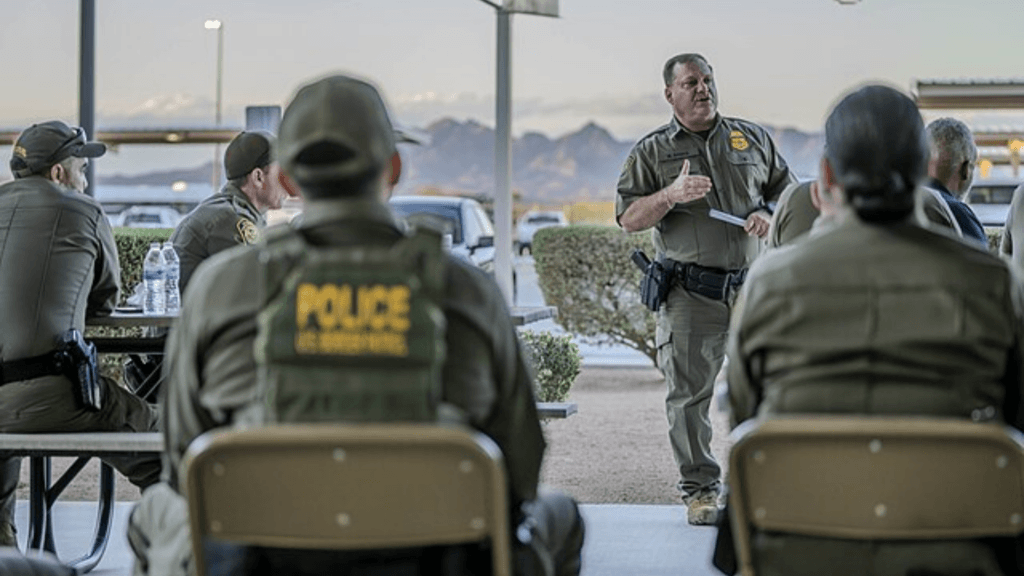
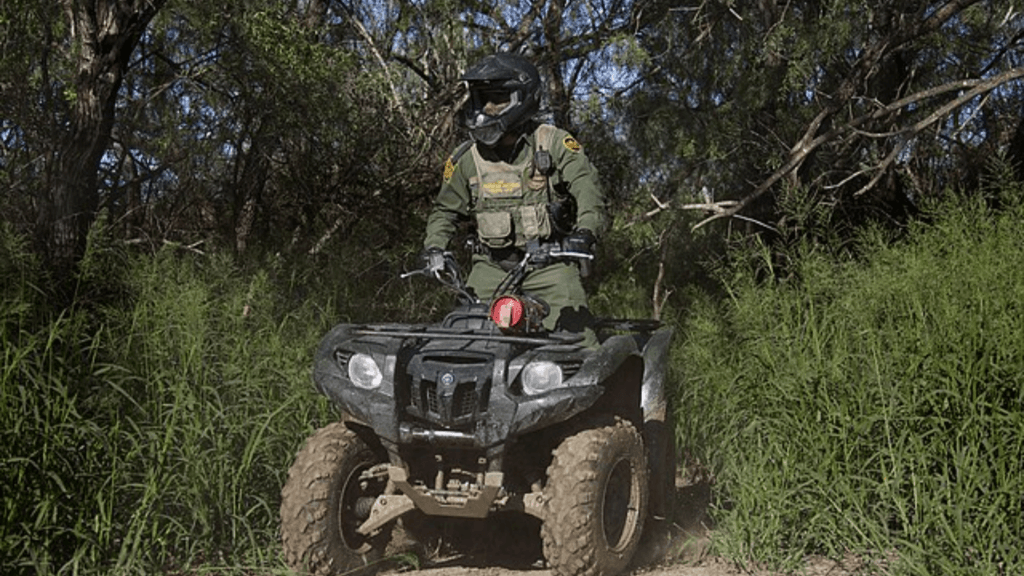
The decision to close the road is tied to increased enforcement efforts by U.S. Homeland Security, which has raised concerns about illegal crossings, drug trafficking, and broader border security issues. Officials have indicated that areas previously treated with flexibility will now be subject to stricter control, reflecting a shift toward tighter border management policies. While the move may align with national security priorities, it has come as a shock to residents who had grown accustomed to decades of informal access.
A Tradition That Spanned Generations
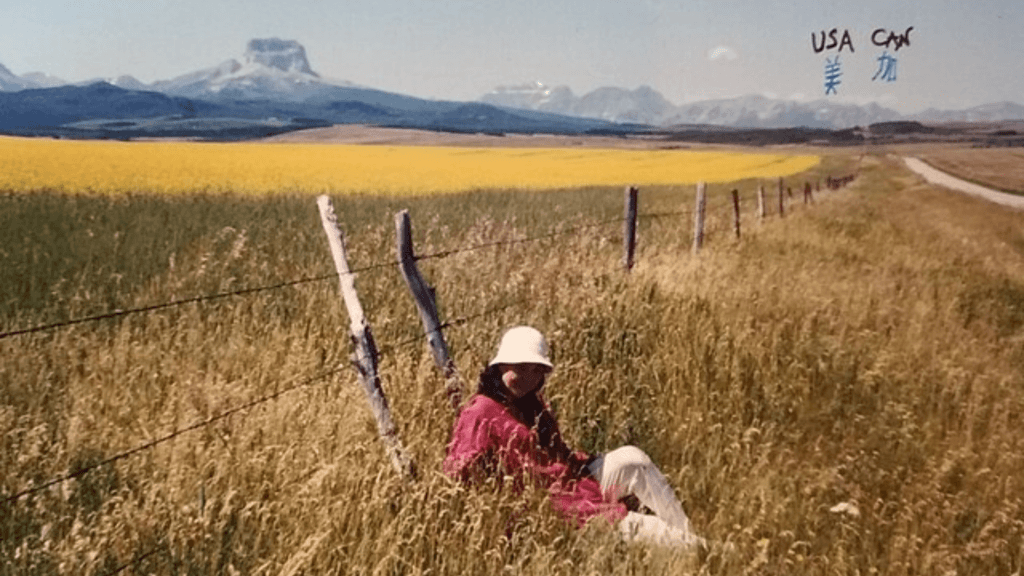
For many families living along the border, crossing the road was simply part of everyday life, with some residents recalling childhood memories of freely visiting neighbors across the line. The arrangement fostered a unique sense of community that blurred national boundaries, allowing relationships to flourish without bureaucratic barriers. This shared history makes the closure especially emotional, as it represents the end of a way of life that has existed for generations.
Why Locals on Both Sides Are Upset
Residents in both Canada and the United States have expressed frustration and disbelief over the decision, with many calling it unnecessary and disruptive. Farmers and landowners say the closure complicates daily routines, forcing them to take longer routes to access nearby properties or visit neighbors. Others have pointed out that there has been little evidence of the problems cited as justification, making the sudden change feel unjustified and abrupt.
What Will Replace the Shared Road
To address the loss of access, Canadian officials have announced plans to build a new parallel road entirely on the Canadian side of the border. Funded with an estimated $8 million, the new route will allow Canadian residents to travel locally without crossing into U.S. territory. However, while this solution maintains access, it also reinforces the division between the two countries, turning what was once a shared path into two separate roads.
How Daily Life Will Change for Residents
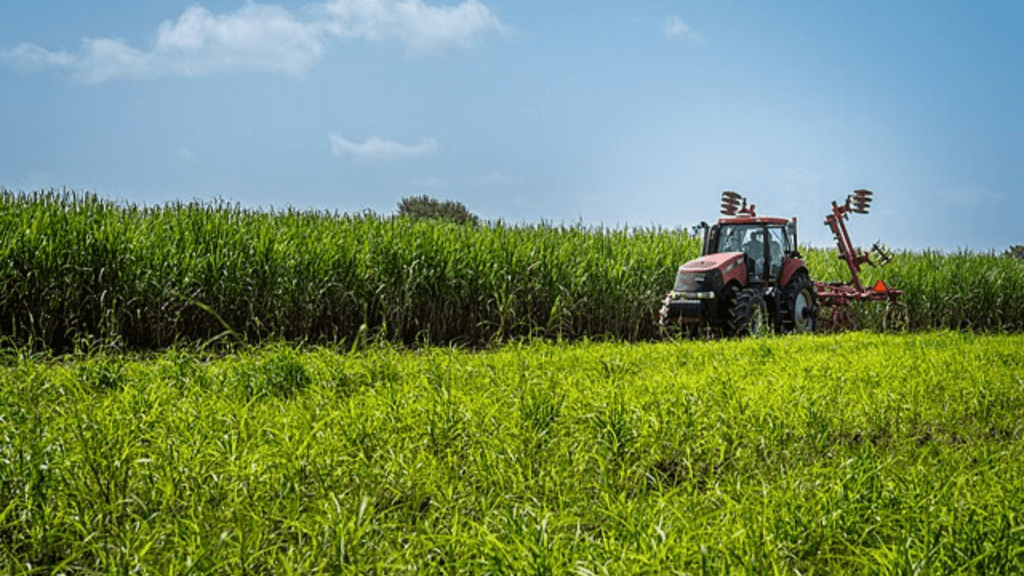
The closure is expected to significantly alter daily routines for those living along the border, particularly farmers and ranchers who rely on quick access to nearby land and resources. Instead of simply crossing the road, residents will now need to follow official border crossing procedures or take longer routes within their own country. These added steps could increase travel time, costs, and inconvenience for people who have long depended on the road’s accessibility.
A Symbol of Changing Border Policies
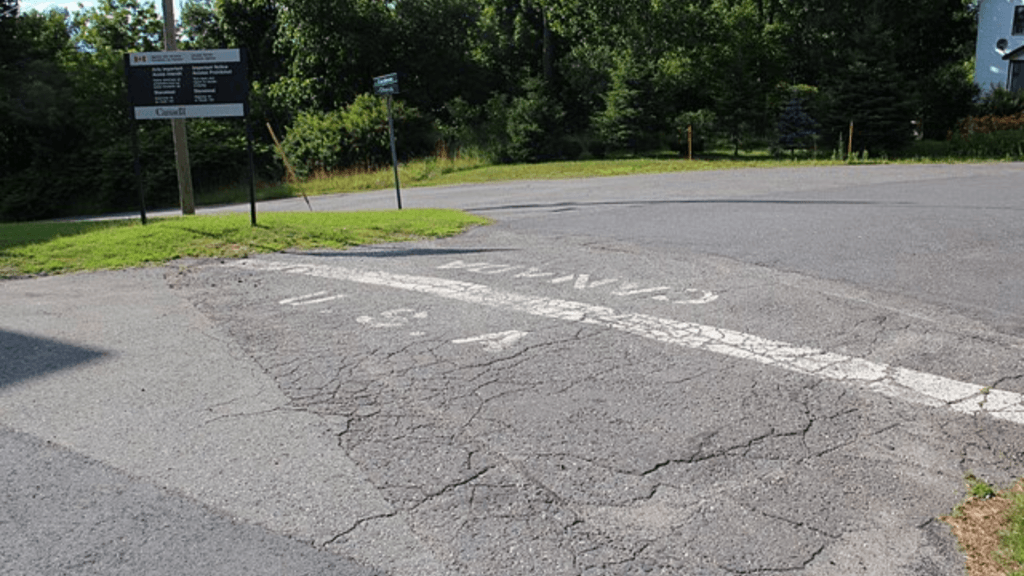
The decision reflects a broader shift toward stricter border enforcement policies, even in areas that were historically more relaxed. While the U.S.-Canada border is often described as the world’s longest “undefended” border, this situation highlights how changing political and security priorities can reshape long-standing arrangements. What was once a symbol of cooperation and trust is now becoming more tightly controlled.
The Bigger Debate: Security vs. Community
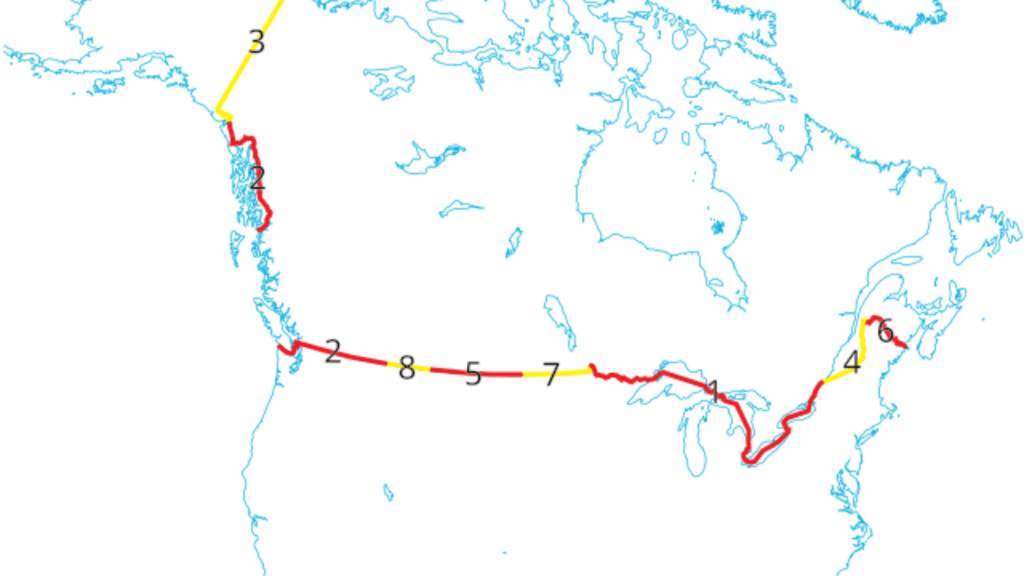
At the heart of the controversy is a larger debate between national security concerns and the preservation of local community ties. Supporters of the closure argue that stronger enforcement is necessary in today’s environment, while critics say it comes at the expense of relationships and traditions that have existed for decades. This tension underscores the challenge of balancing safety with the human realities of border communities.
What This Means for the Future of Border Communities
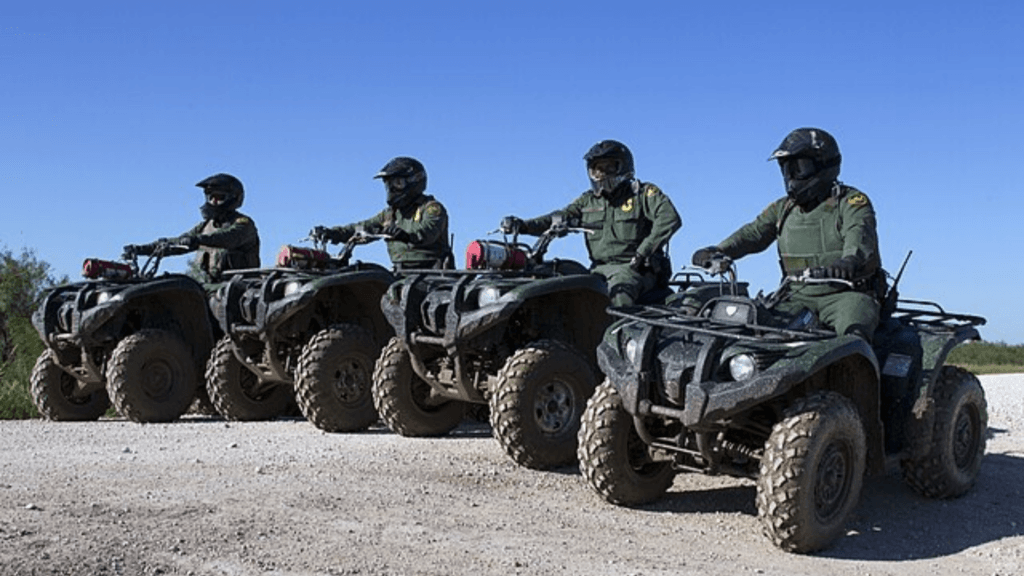
The closure of Border Road serves as a powerful reminder that even the most peaceful and long-standing cross-border arrangements can change quickly under shifting policies. For residents of Montana and Alberta, the decision marks the end of a unique chapter defined by cooperation and neighborly trust. Moving forward, communities will need to adapt to a new reality, one where the border is no longer just a line on a map, but a more firmly enforced divide.