

Products are selected by our editors, we may earn commission from links on this page.
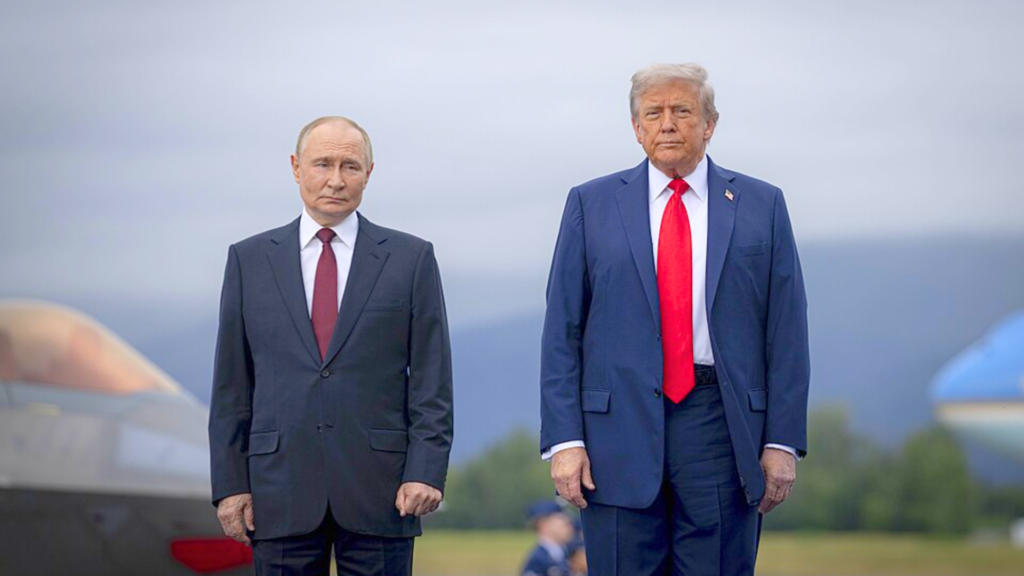
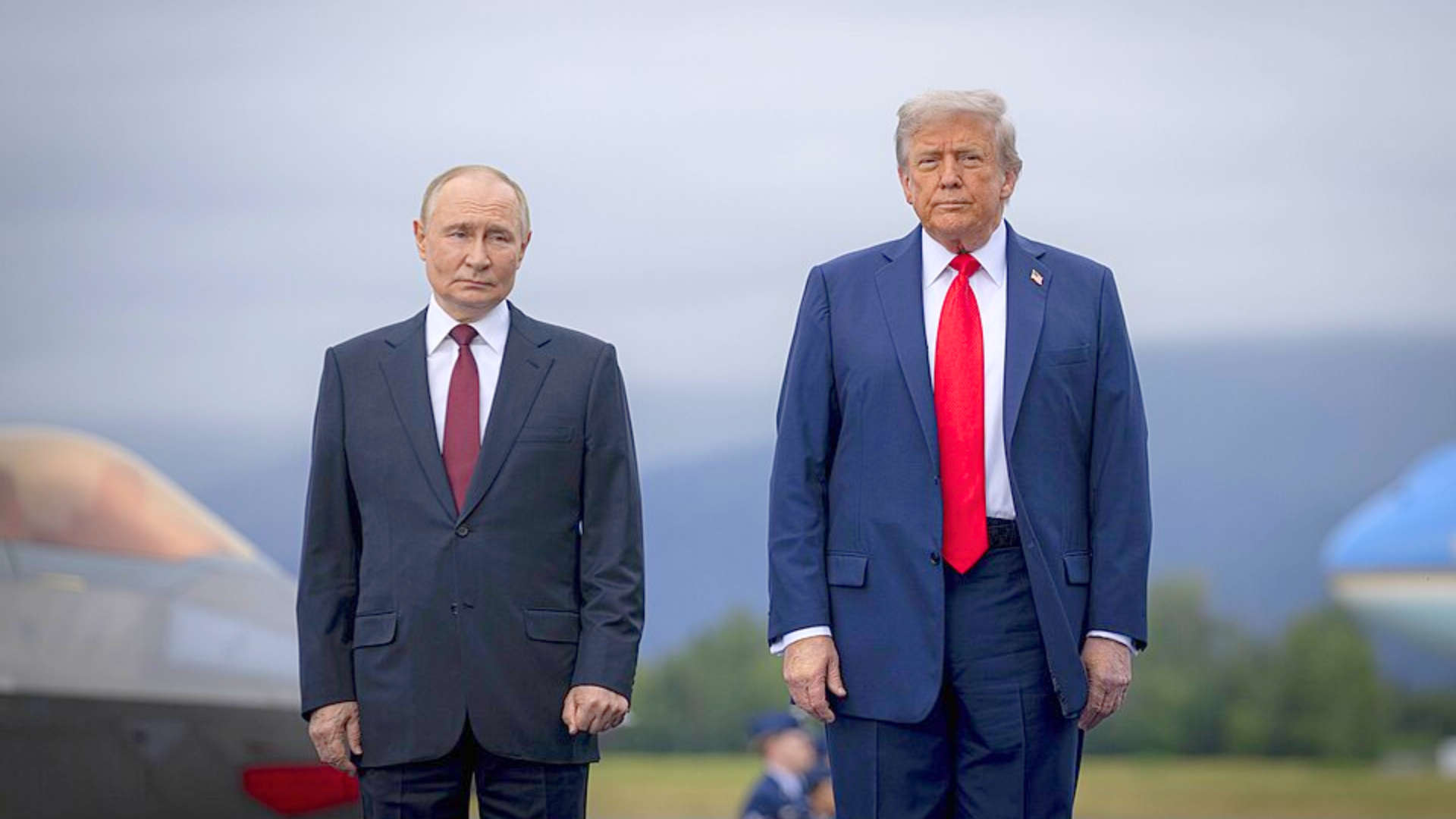
The Trump administration is facing criticism from several U.S. senators after reports emerged about sanctions relief tied to Russian oil operations, with critics arguing the move could benefit Russian President Vladimir Putin. Lawmakers opposing the policy described the decision as an “indefensible gift” to Russia during a period of heightened geopolitical tensions and ongoing scrutiny of global energy markets. The controversy quickly sparked debate in Washington over how sanctions policy should be handled in relation to Russia’s energy sector.
According to reports, critics argue the sanctions adjustments could ease financial pressure on Russian oil interests at a time when Western governments have attempted to restrict Moscow’s economic resources. Senators raising concerns claimed the decision risks undermining broader international efforts designed to limit Russian revenue connected to energy exports. The issue has since become part of a larger political debate involving foreign policy, energy markets, and U.S. relations with Russia.
Supporters of the administration’s approach, however, argue that energy sanctions decisions can involve complex economic and strategic considerations. Some officials and analysts note that adjustments to sanctions policies are sometimes made to avoid disruptions in global fuel supplies or unintended impacts on international markets. The disagreement has intensified political divisions over how aggressively the United States should target Russia’s energy economy.
Senators Criticize Russian Oil Sanctions Changes
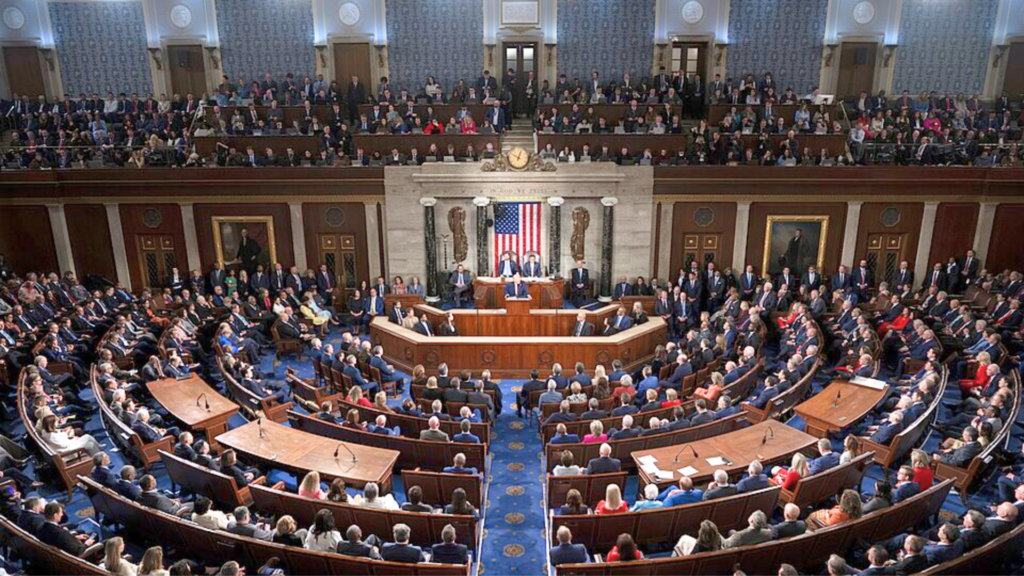
Several lawmakers publicly criticized the sanctions relief measures, arguing they could weaken pressure on the Russian government and its oil industry. Critics said the timing of the move raised concerns because sanctions have been viewed as a major economic tool for limiting Russia’s financial strength. Some senators warned that even limited adjustments could send the wrong message internationally regarding U.S. commitment to maintaining pressure on Moscow.
The debate centers heavily on the role energy exports play in supporting Russia’s economy. Oil and gas revenues remain among the country’s most important sources of national income, making sanctions targeting the energy sector particularly significant. Opponents of the policy argue that any reduction in restrictions could indirectly strengthen Russia’s financial position during ongoing international disputes.
Lawmakers also questioned whether the administration had fully explained the reasoning behind the reported sanctions adjustments. Some senators called for greater transparency regarding how the policy decision was made and what long-term effects officials expect it to have. The criticism quickly expanded into a broader conversation about U.S. strategy toward Russia and global energy security.
Energy Markets and Foreign Policy Remain Closely Linked
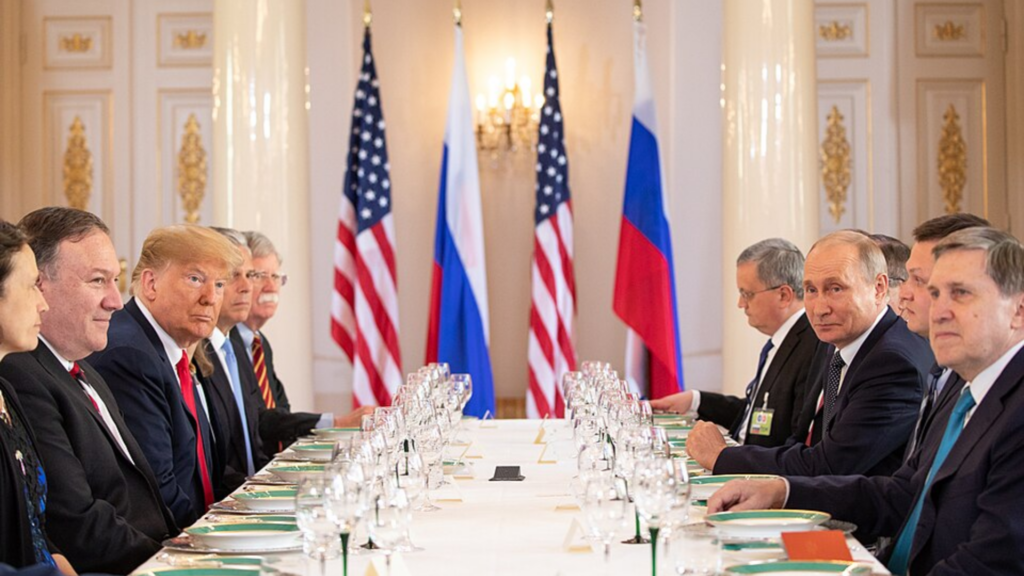
Energy analysts note that sanctions involving oil exports often carry major global economic implications beyond foreign policy considerations alone. Restrictions on major energy producers can affect fuel prices, supply chains, and market stability across multiple regions. Because Russia remains one of the world’s largest energy exporters, policy changes involving its oil industry frequently draw international attention.
Some experts argue that governments sometimes modify sanctions policies to balance political goals with economic realities. Sudden disruptions in energy markets can create inflation concerns and broader economic instability that affect consumers worldwide. Supporters of flexible sanctions strategies say policymakers must carefully weigh these risks when making decisions involving global oil supplies.
At the same time, critics maintain that easing restrictions on Russian energy operations could reduce the effectiveness of international pressure campaigns. They argue that maintaining consistent economic pressure is necessary if sanctions are intended to influence Russian behavior. The debate continues highlighting how closely energy policy and geopolitics remain connected in modern international relations.
Russian Oil Sanctions Debate Fuels Political and Economic Tensions
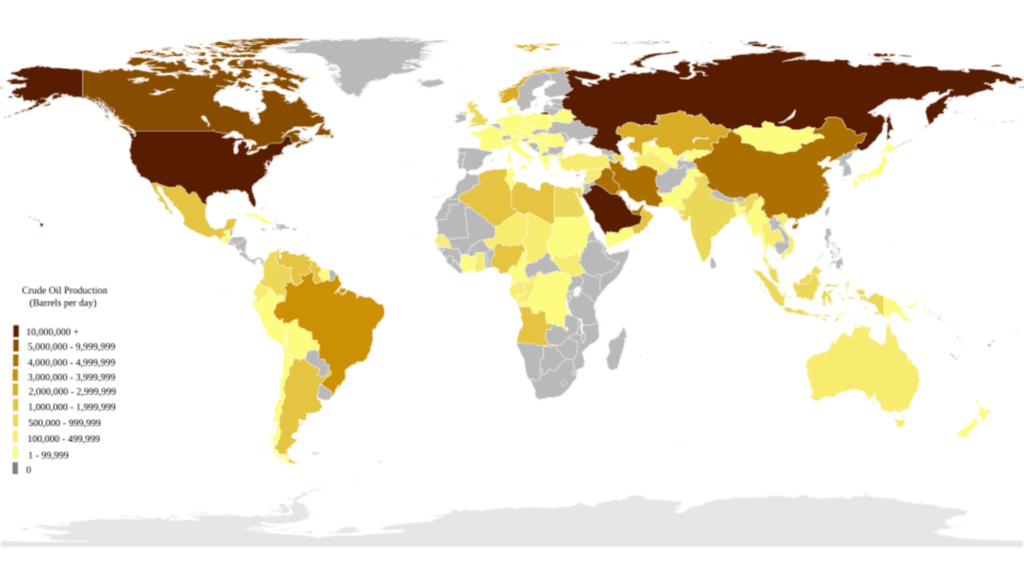
The controversy surrounding reported sanctions relief tied to Russian oil operations has intensified debate over U.S. foreign policy and energy strategy. Critics argue the move could provide economic advantages to Russia at a time when international pressure campaigns remain active. Supporters of the administration’s approach, however, contend that energy market stability must also be considered when shaping sanctions policies.
Senators opposing the decision continue demanding greater transparency about how the policy was developed and what impacts officials expect it to produce. The disagreement reflects broader divisions in Washington over how aggressively the United States should approach sanctions enforcement involving Russia’s economy. Oil exports remain a central part of that discussion because of their importance to both global markets and Russian national revenue.
The situation also underscores the broader challenge governments face when balancing geopolitical goals with economic realities tied to energy production and international trade. Sanctions involving major oil-producing nations often carry consequences far beyond diplomacy alone. As political debate continues, the issue remains closely tied to ongoing discussions about global energy security, inflation concerns, and U.S. relations with Russia.