

Products are selected by our editors, we may earn commission from links on this page.
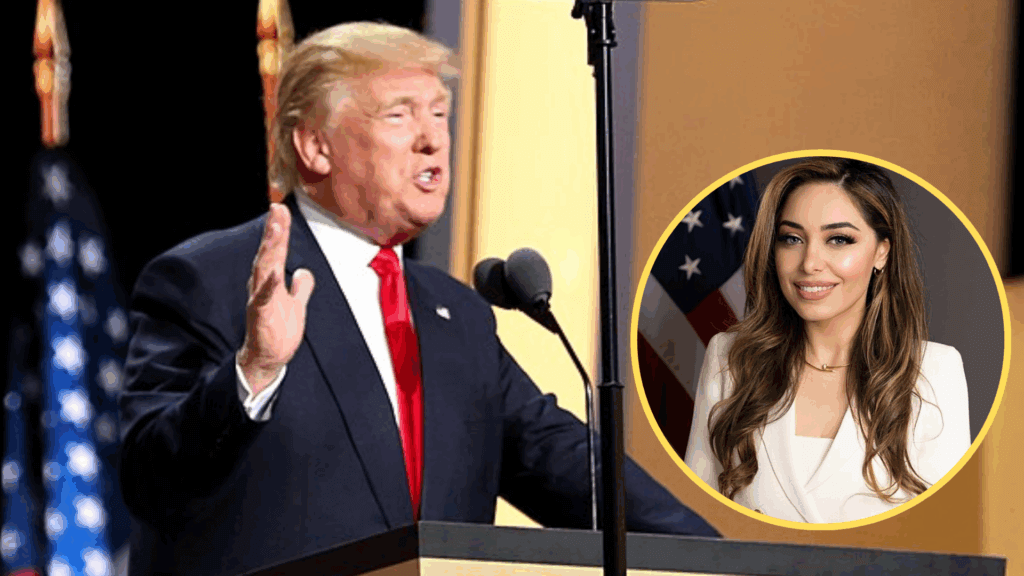
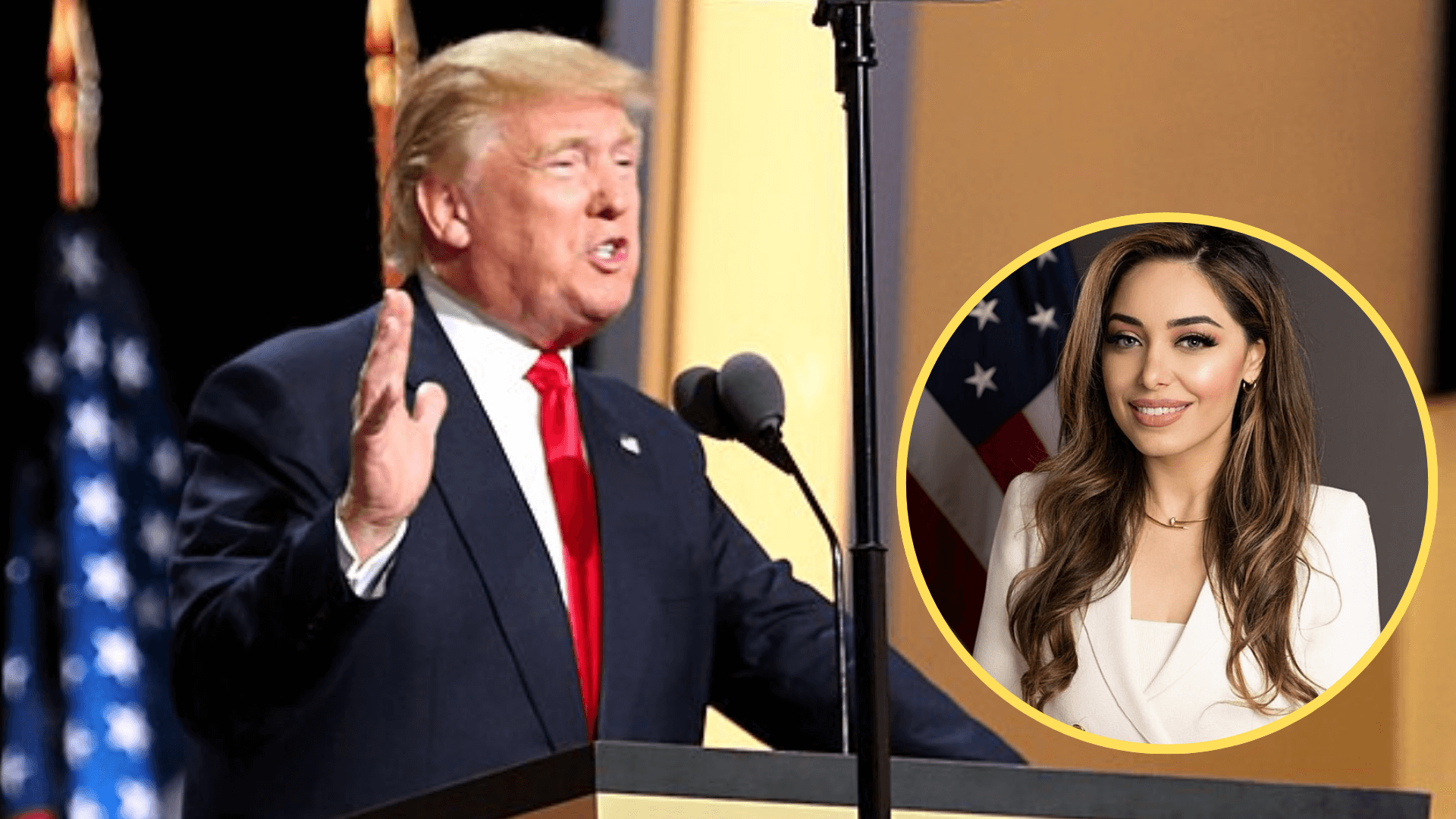
A surprising appointment inside the Trump administration is sparking debate over who gets to decide America’s borders. President Donald Trump has elevated an attorney who also owns a chain of beauty salons to a powerful role overseeing visas, passports, and entry bans. Supporters call her tough on national security. Critics say the choice raises serious questions about qualifications, ideology, and how immigration decisions are being made.
Mora Namdar was recently confirmed as assistant secretary for consular affairs, a position with enormous influence over who is allowed into the United States and who is turned away. The role oversees visa approvals, revocations, and enforcement tied to foreign policy priorities.
The appointment is already drawing attention not just for Namdar’s background, but for what it signals about how Trump’s second term is staffing key gatekeeping roles.
From beauty salons to border decisions
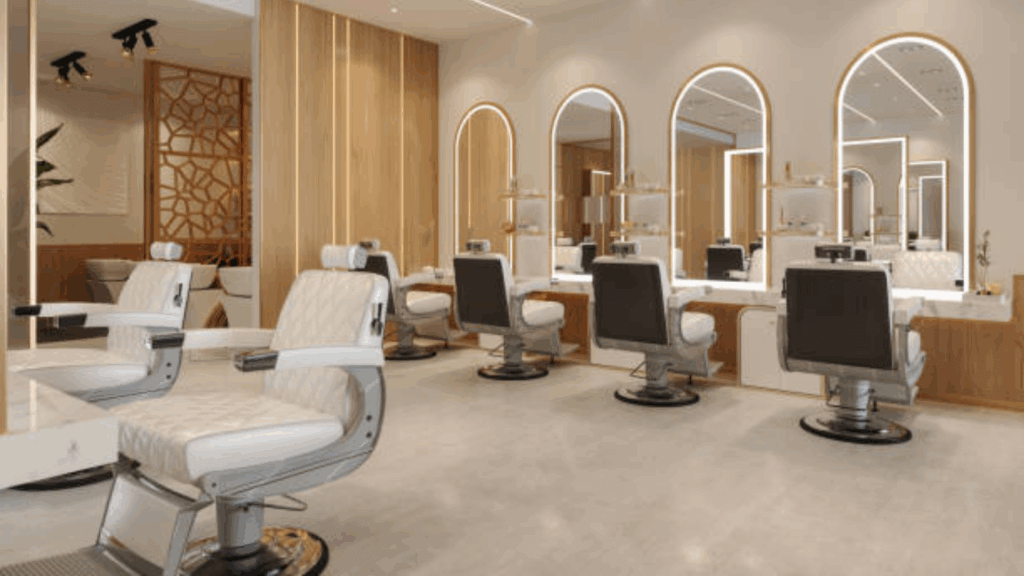
Namdar, 46, is the owner of Bam, a small but upscale chain of beauty salons in Texas with locations in Dallas, Fort Worth, and Plano. The business focuses on blowouts, makeup services, and event styling, with prices comparable to luxury salons in major cities.
At the same time, Namdar has worked as an attorney and held government roles tied to U.S. foreign policy, particularly in the Middle East and North Africa. She previously served in the same consular role on an interim basis during Trump’s first term in 2020.
Her dual background has become a flashpoint. Some see it as evidence of private-sector experience and versatility. Others argue that owning salons has little relevance to overseeing immigration enforcement for millions of travelers.
Why her confirmation is drawing scrutiny
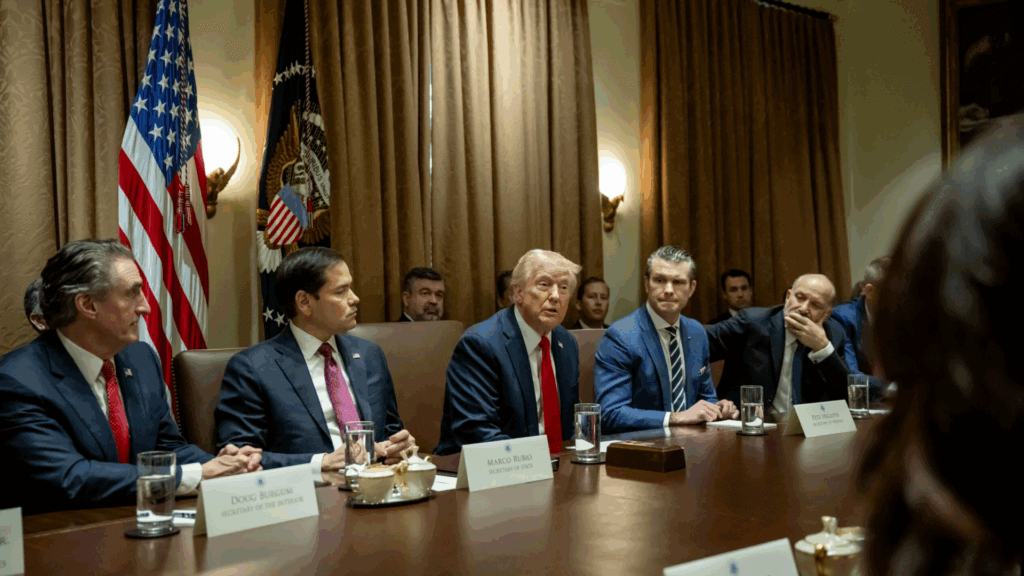
Namdar’s Senate confirmation earlier this month places her in charge of one of the most sensitive bureaus in the State Department. Consular affairs officers have the authority to deny or revoke visas, often with limited transparency or appeal.
In prepared testimony, Namdar framed visa decisions as a national security tool, aligning herself with Secretary of State Marco Rubio’s view that visas can be revoked if individuals undermine U.S. foreign policy. That stance comes as the administration moves to bar some foreign nationals over alleged censorship of American viewpoints online.
Her record inside government has also raised concerns. Reports from earlier this year cited internal complaints about management and morale during her interim leadership of the Near Eastern affairs bureau, adding to skepticism about her promotion.
Policy decision or political signal?
Namdar is also linked to Project 2025, the conservative policy blueprint that has shaped many of Trump’s second-term priorities. She contributed to sections calling for major reforms or closures of U.S.-funded media agencies, accusing them of mismanagement and bias.
Critics say her appointment fits a broader pattern of ideologically aligned hires in powerful regulatory roles. Supporters argue that loyalty, enforcement instincts, and alignment with the administration’s goals matter more than traditional credentials.
At its core, the controversy raises a simple but divisive question. Should immigration gatekeeping be handled by career technocrats, or by political appointees trusted to execute an administration’s agenda? With millions of visas and travel decisions at stake, Namdar’s role is likely to remain a lightning rod. What do you think — unconventional choice or dangerous precedent?