

Products are selected by our editors, we may earn commission from links on this page.
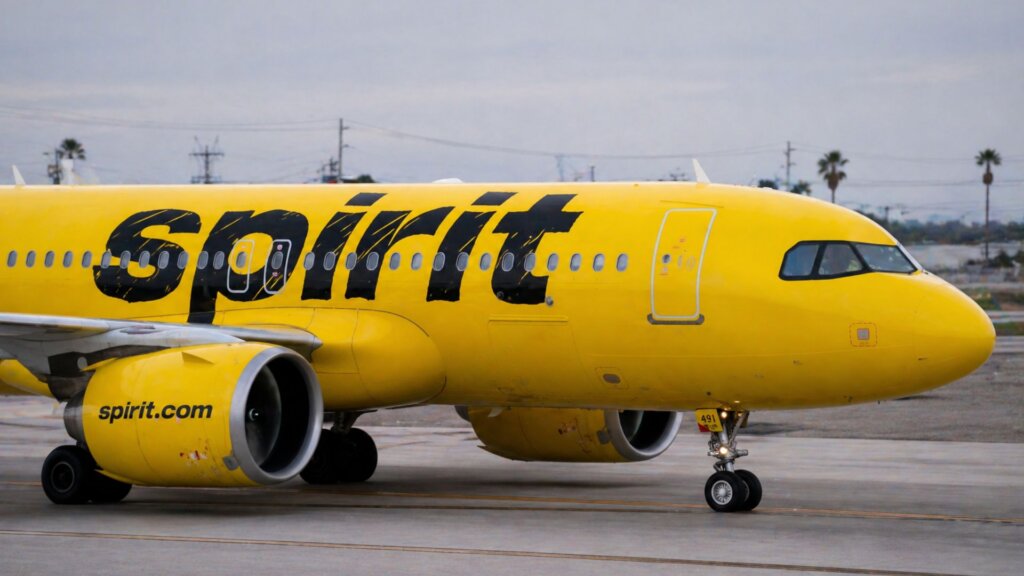
The U.S. government buying a bankrupt airline sounds like a plot twist nobody saw coming, but President Donald Trump floated exactly that idea on Thursday. Speaking to reporters, Trump said he would consider purchasing Spirit Airlines outright “if we can get it at the right price,” framing it as a jobs play with a potential upside: reselling the carrier for a profit once oil prices fall. It is a bold gamble on an airline that has spent years circling the drain.
Spirit Airlines is not a new crisis waiting to happen. The discount carrier has been financially troubled since the COVID-19 pandemic gutted air travel, and it has now filed for bankruptcy twice, most recently in August 2025. A deal with creditors reached in February looked like a lifeline, giving Spirit a path to emerge leaner and keep flying. Then, within days, the war in Iran sent jet fuel prices surging and erased those plans almost overnight.
Before Trump floated a buyout, his administration was already deep in talks over a more limited rescue. According to Marshall Huebner, an attorney for Spirit, negotiations with the federal government had reached a very advanced stage. The package being discussed could reach $500 million, a source familiar with the matter told CNN. But the president’s Thursday remarks suggest the White House is now weighing something far more drastic than a loan.
This article was created with the assistance of AI and reviewed by our editorial team for accuracy and clarity.
How a Budget Airline Ran Out of Runway
Spirit built its entire identity around ultra-cheap fares. For years, the model worked, filling planes with cost-conscious travelers willing to skip extras like legroom and complimentary snacks. But the pandemic essentially reset the airline industry, and Spirit never found solid ground again. When travel demand came back, passengers shifted their preferences, choosing a few extra comforts over the lowest possible price. Spirit’s core advantage started to erode before the airline could adapt.
The structural problems went deeper than passenger tastes. Airlines operate on razor-thin margins, and Spirit’s no-frills model left almost no buffer when costs spiked. Jet fuel, already a major expense, has roughly doubled in price since the Iran conflict began, according to NBC News. For an airline with limited cash reserves and mounting debt, that kind of cost shock is almost impossible to absorb. Analysts at JPMorgan Chase estimated the fuel surge could add $360 million in additional expenses alone.
Spirit also lost its best exit option. In 2022, JetBlue made a $3.7 billion offer to acquire the carrier, which would have given Spirit the financial stability of a larger partner. A federal court blocked the deal in January 2024 on antitrust grounds. The White House now blames the Biden administration for that decision, arguing Spirit would be in a far stronger position today had the merger been allowed to proceed. That argument, however, does not resolve the question of what comes next.
The Critics Lining Up Against a Government Rescue
Opposition to a Spirit bailout is unusually broad. Republican Senators Ted Cruz and Tom Cotton, along with Democratic Senator Elizabeth Warren, have all voiced concerns. Even Trump’s own Transportation Secretary Sean Duffy expressed public skepticism. “What we don’t want to do is put good money after bad,” Duffy told Reuters, questioning whether a bailout would simply delay an unavoidable collapse. That kind of internal dissent within the administration is rare and revealing.
Critics outside government have been equally sharp. United Airlines CEO Scott Kirby said Spirit’s business model was “fundamentally flawed” well before the Iran war-driven fuel crisis, and argued the current situation does not justify an industry bailout. Kirby pointed to United’s own recent profit gains as evidence that well-run carriers can weather the storm. The message was pointed: Spirit’s problems are not a symptom of a broader industry crisis, which is the traditional condition that has triggered federal intervention in the past.
The Cato Institute called the proposed deal “quasi-nationalization,” warning that a government equity stake of up to 90% would make Washington an owner rather than a temporary rescuer. Analysts at JPMorgan cautioned that approving the bailout could open the door to similar requests from JetBlue and Frontier. Past U.S. government interventions, including post-9/11 airline support and the pandemic relief package, applied across the entire industry, not to save a single struggling carrier.
A $500 Million Bet on an Airline That May Already Be Beyond Saving
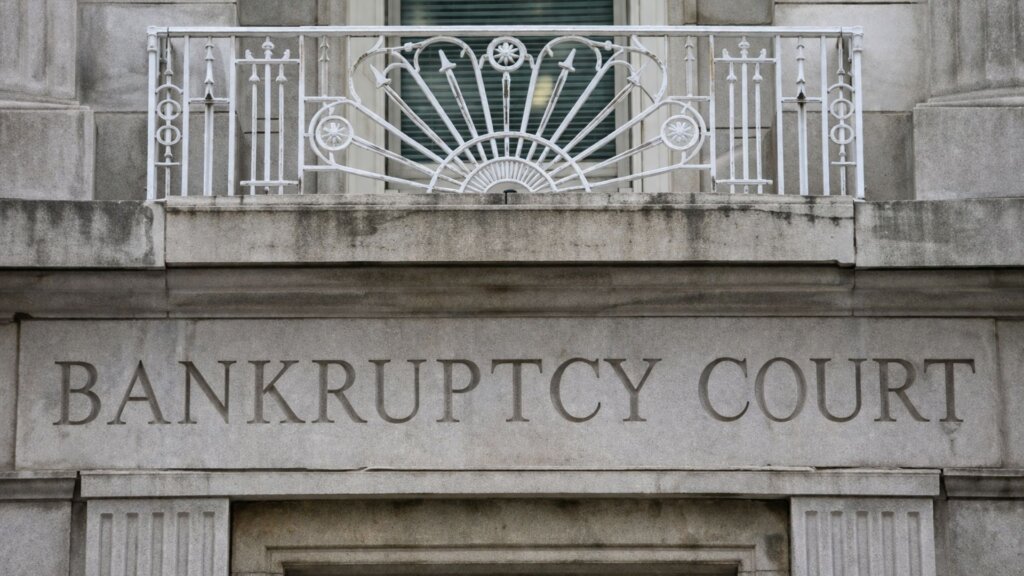
Spirit’s attorney argued in bankruptcy court that the airline was “in great fighting shape” before the Iran war disrupted everything, and that federal assistance would allow it to restructure debt and sell assets. But Spirit shareholder Steven McLean pushed back during the same hearing, saying high fuel costs are “only a small part of the picture” and that larger structural problems remain unresolved. Two people looking at the same company reached opposite conclusions, and taxpayers may be the ones left holding the difference.
The potential deal, as reported by the Washington Post, could give the federal government a stake of up to 90% in Spirit once it exits bankruptcy. That would make the U.S. government the airline’s dominant owner, responsible for its operations and exposed to its losses. Former Vice President Mike Pence’s advocacy group put it bluntly, stating that American families should not be forced to bail out Spirit’s shareholders or pay the costs of finding out whether Washington can run an airline.
Spirit CEO Dave Davis struck a grateful tone in a statement, thanking Trump for his support and expressing hope for a solution that protects jobs and preserves affordable fares. But gratitude is not a business plan, and the airline’s history suggests that goodwill and cash infusions alone have not been enough. A bankruptcy court hearing was tentatively set for April 30 to consider the terms of any deal. Whether this ends in a rescue, a buyout, or a liquidation, the question it leaves open is bigger than Spirit: when a business fails repeatedly, at what point does saving it stop being sound policy and start being something else entirely?