

Products are selected by our editors, we may earn commission from links on this page.
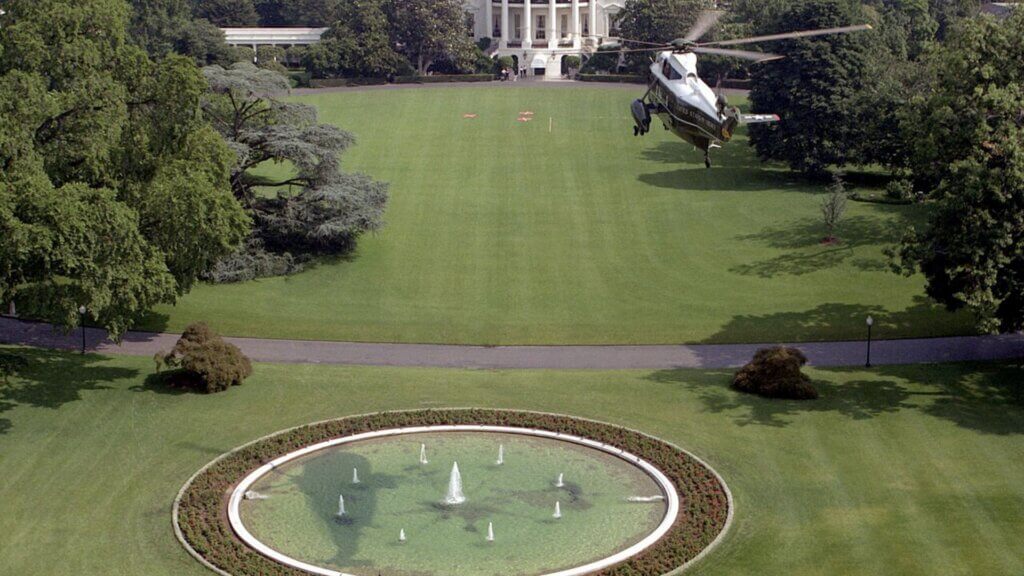
When most people think about restoring the nation’s capital, they picture monuments or museums. Not grass. But President Donald Trump has put the spotlight on something far more ordinary, announcing that a friend’s grass seed will help revive roughly 700 acres of lawn across Washington, D.C., turning a landscaping project into one of the administration’s more unexpected public initiatives.
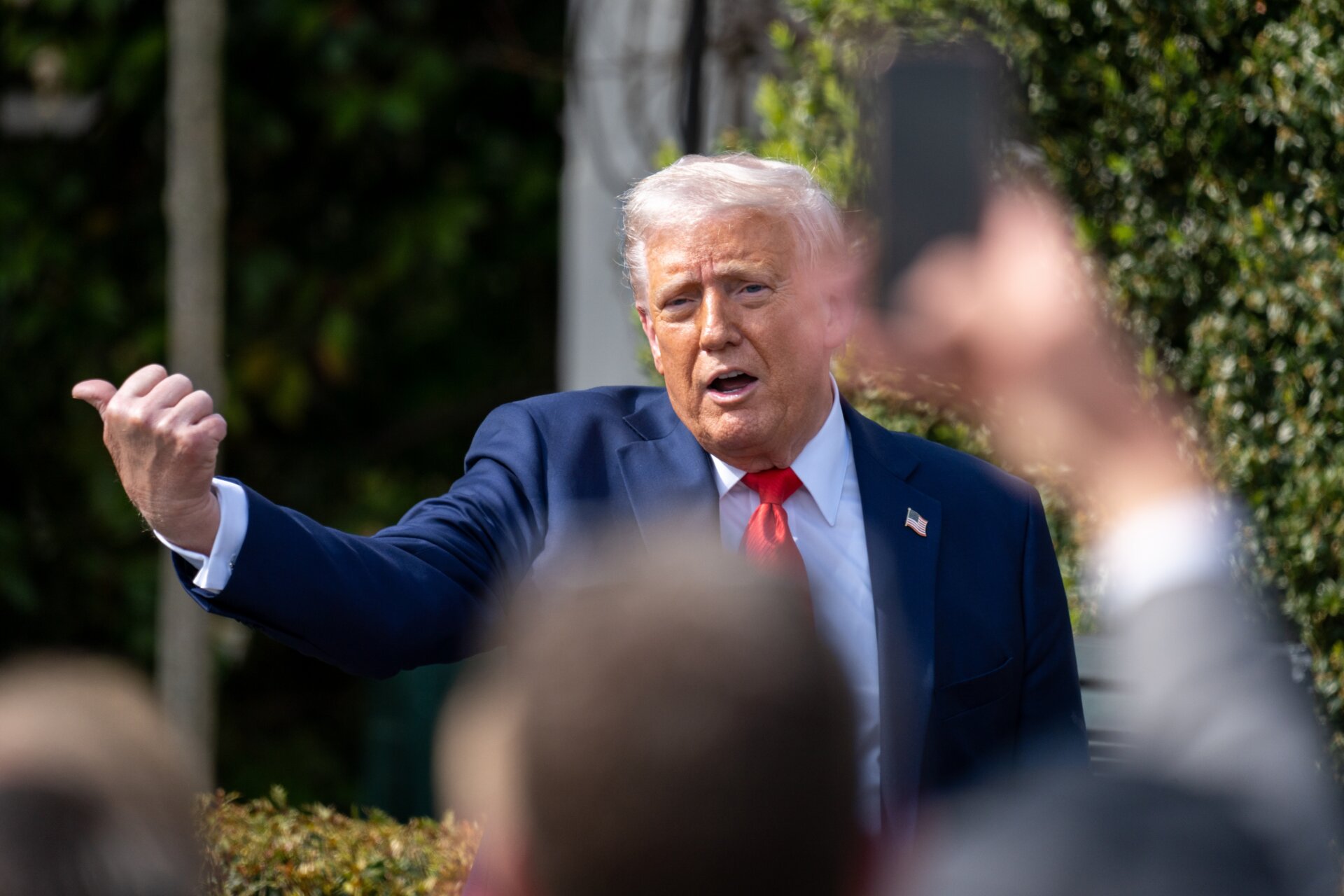
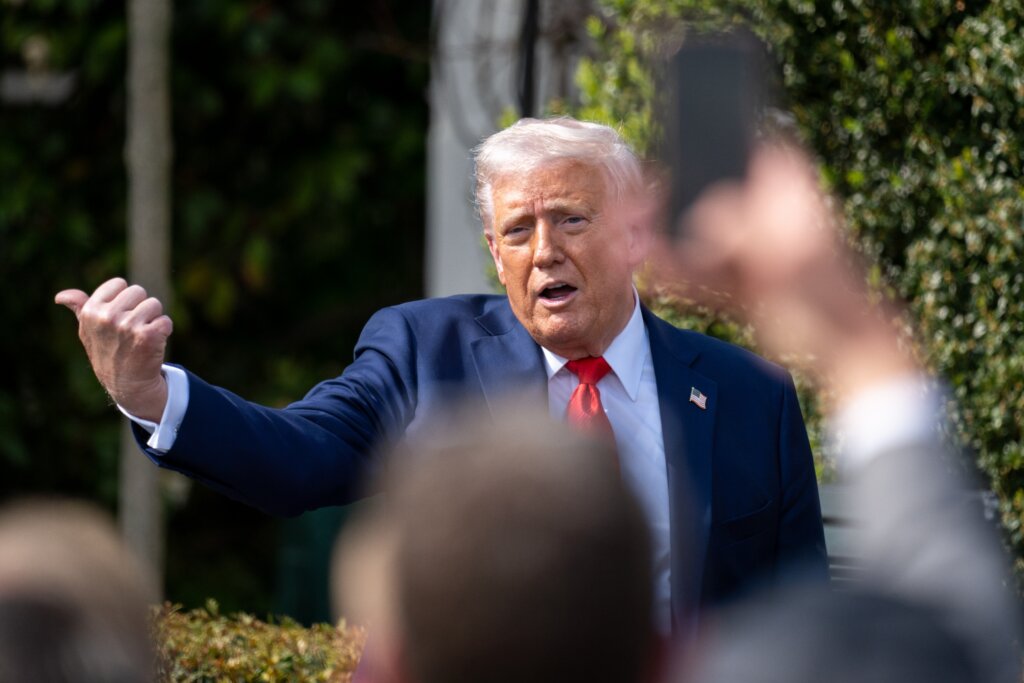
Speaking about the effort, Trump said the large-scale makeover will replace worn patches of turf across public spaces in the capital, with the goal of creating greener, healthier lawns that can better withstand heavy foot traffic and changing weather conditions. He also highlighted that the grass comes from a longtime friend, adding a personal connection to the project that quickly drew public attention.
The announcement blends infrastructure, public appearance, and presidential style into a single story. While replacing grass may sound routine, the sheer scale of the project and Trump’s emphasis on the seed’s source have made the landscaping effort a talking point beyond the groundskeepers responsible for maintaining it.
Why Washington’s Lawns Need Constant Attention
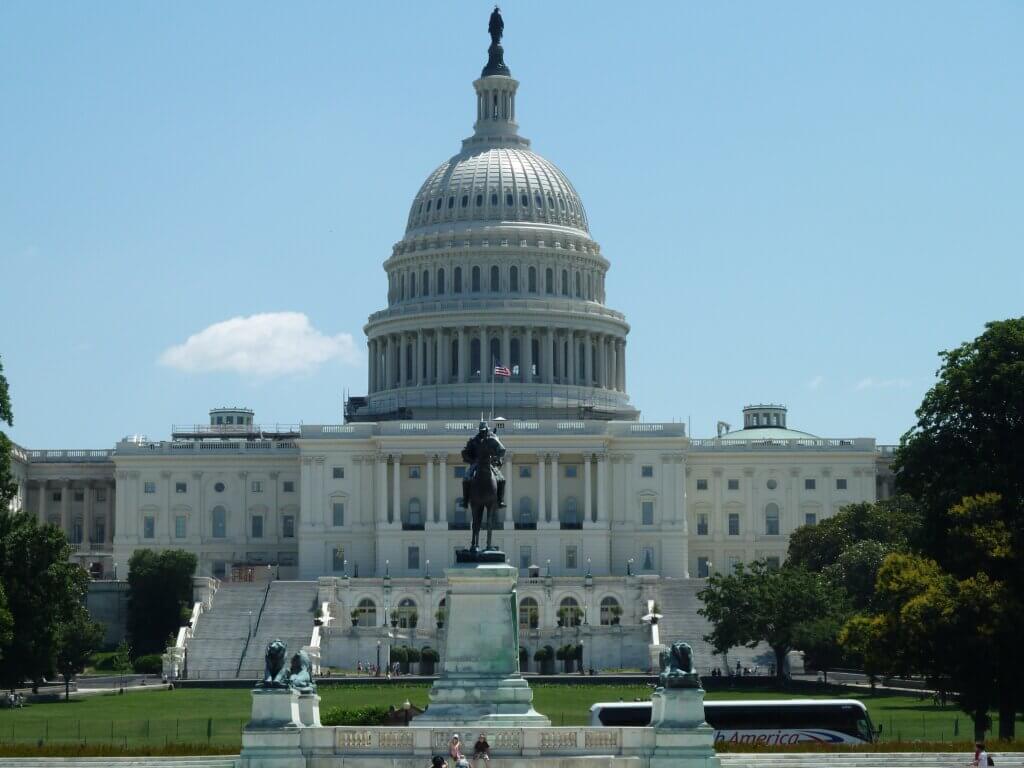
Maintaining hundreds of acres of public green space is far more complicated than simply mowing the grass. Parks and government grounds in Washington experience millions of visitors each year, placing constant stress on lawns that must also endure heat, drought, heavy rain, and seasonal temperature swings.
Grounds crews regularly reseed damaged areas, improve soil conditions, and replace turf that has deteriorated from major events, tourism, and everyday use. Large restoration efforts help preserve the appearance of some of the country’s most recognizable public spaces while preventing erosion and long-term landscape damage.
Choosing the right grass variety is a critical part of that process. Different blends are selected based on durability, climate tolerance, and maintenance needs, allowing lawns to recover more quickly after periods of heavy use.
Politics Meets Landscaping
Although lawn restoration is typically handled by landscape professionals, Trump’s comments have given the project an unusually political dimension. By emphasizing his personal relationship with the supplier, he transformed what would ordinarily be a maintenance announcement into a story about leadership, loyalty, and visibility.
Supporters have viewed the announcement as another example of Trump’s focus on improving the appearance of public spaces, while critics have questioned why a routine landscaping project became a presidential talking point. The discussion has extended beyond the grass itself to the symbolism surrounding the project.
The attention also illustrates how even relatively ordinary government maintenance projects can become national news when they are tied to high-profile political figures or presented through a personal narrative.
What the Lawn Project Could Leave Behind
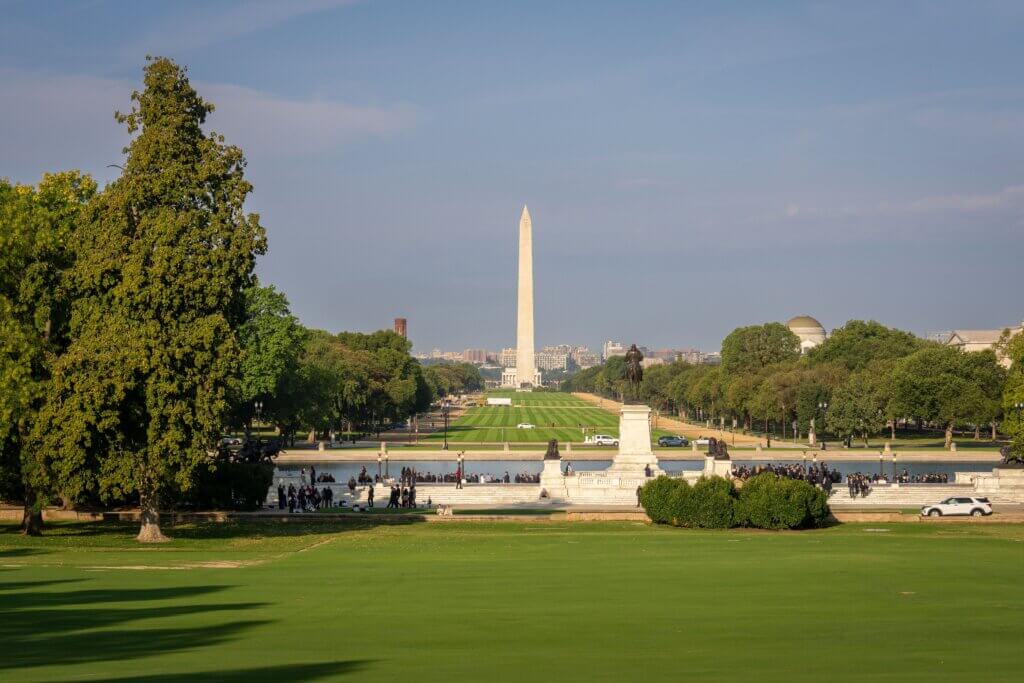
Whether the public remembers the project for its politics or its landscaping, the outcome will ultimately be visible across many of Washington’s busiest public areas. If successful, visitors may simply notice greener, healthier lawns without realizing the work that went into restoring them.
Large-scale turf replacement is an ongoing necessity in cities that host major public events, demonstrations, and millions of tourists each year. The project reflects the constant balance between preserving public spaces and accommodating the people who use them.
For now, what began as a discussion about grass has grown into a conversation about stewardship, public image, and the unexpected ways everyday maintenance can capture national attention.