


Products are selected by our editors, we may earn commission from links on this page.
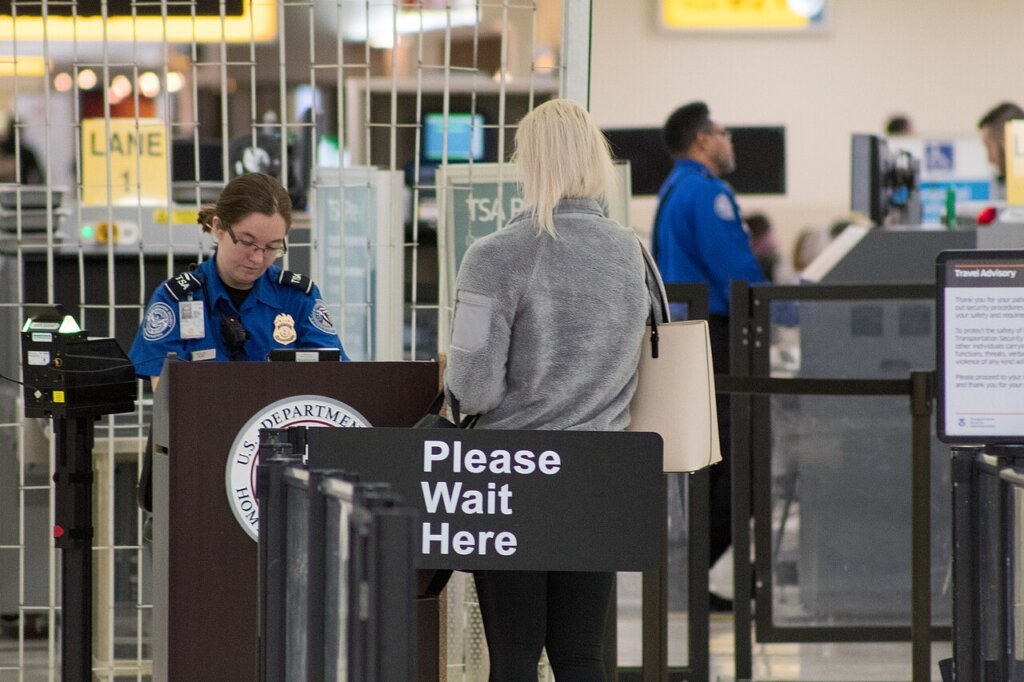
Travelers passing through three U.S. airports could soon encounter private security personnel instead of federal Transportation Security Administration (TSA) officers at screening checkpoints. The change would come through TSA Gold+, a new public-private partnership that expands an existing federal program while keeping TSA responsible for setting security standards and overseeing operations.
Which Airports Are Making the Switch?
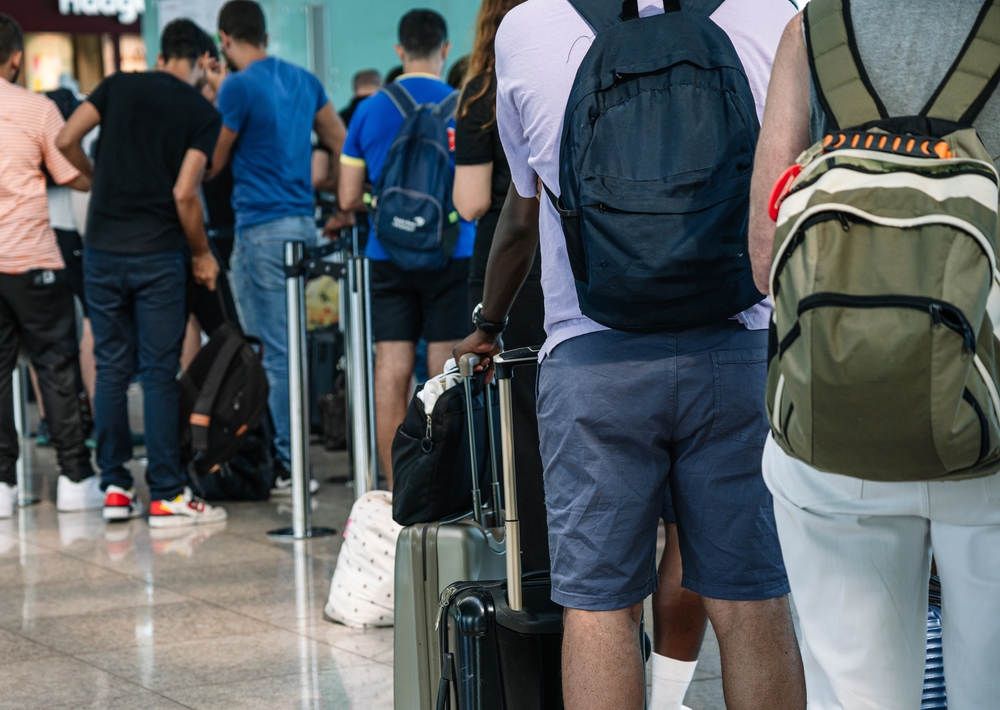
The first airports expected to join TSA Gold+ are Charleston International Airport in South Carolina, Tampa International Airport in Florida, and Des Moines International Airport in Iowa. According to airport officials, the program is intended to modernize checkpoint operations while maintaining the same federal security requirements passengers experience today.
What Is TSA Gold+?
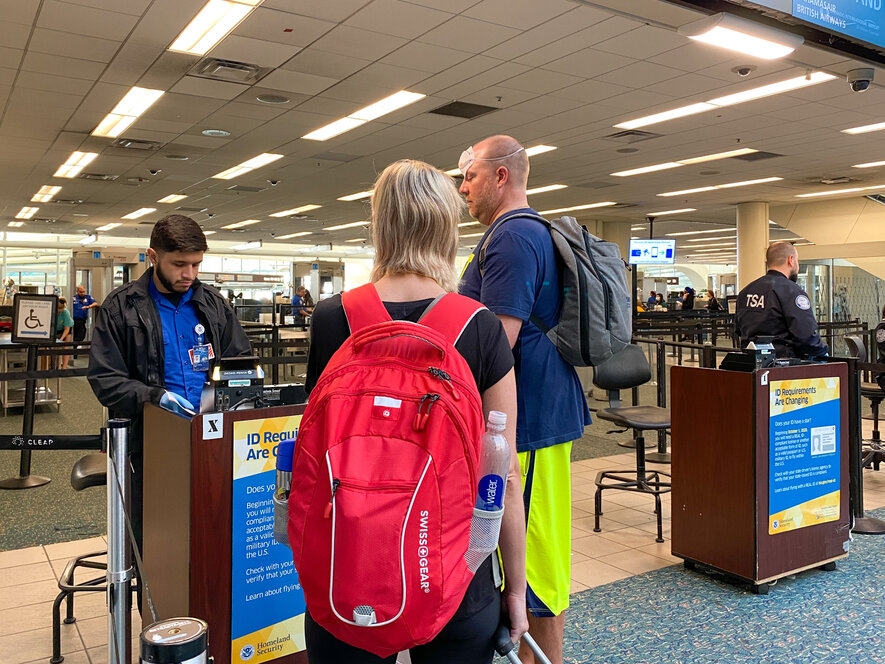
TSA describes Gold+ as an evolution of its long-running Screening Partnership Program (SPP), which already allows airports to use private contractors for passenger screening. Under Gold+, airports can work with private screening companies and TSA to deploy newer technology and tailor checkpoint operations to local needs, while TSA continues establishing security requirements, conducting inspections, and ensuring compliance with federal aviation regulations.
Private Screeners Already Operate at Some Airports

Although the proposal has drawn national attention, private screening is not a new concept. Around 20 U.S. airports already participate in the Screening Partnership Program, including San Francisco International, Kansas City International, Orlando Sanford International, and several smaller regional airports. Private employees perform screening duties, but TSA personnel remain onsite to audit operations and enforce the agency’s procedures.
Why Airports Are Interested
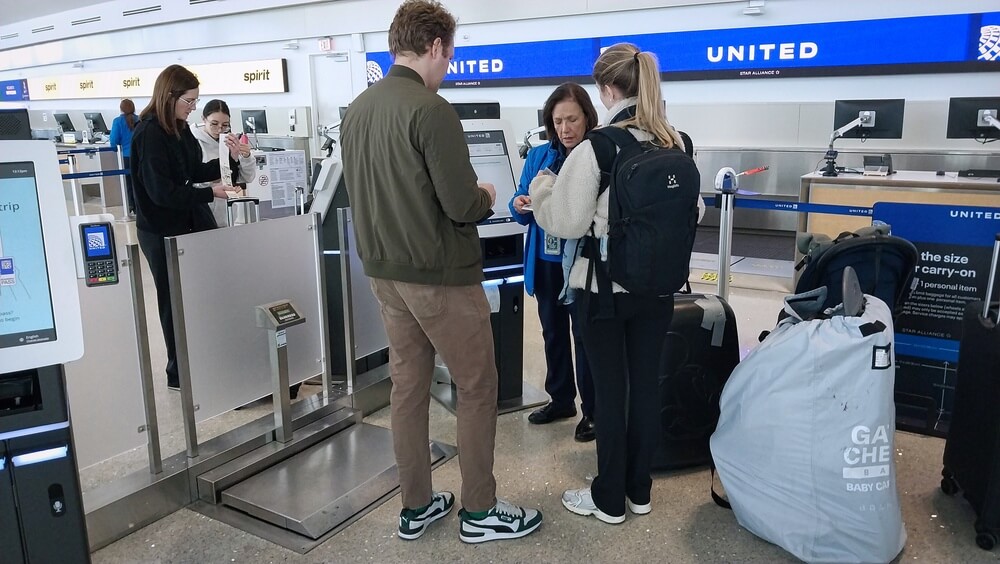
Several airports say the appeal extends beyond staffing. Charleston officials say Gold+ will allow them to maintain federal oversight while working with private contractors. Tampa says the program could reduce disruptions caused by government shutdowns and offer greater flexibility to introduce new checkpoint technology. Des Moines says the transition aligns with plans for its new terminal and could help improve passenger flow without changing screening standards.
Supporters Say It Can Improve Reliability
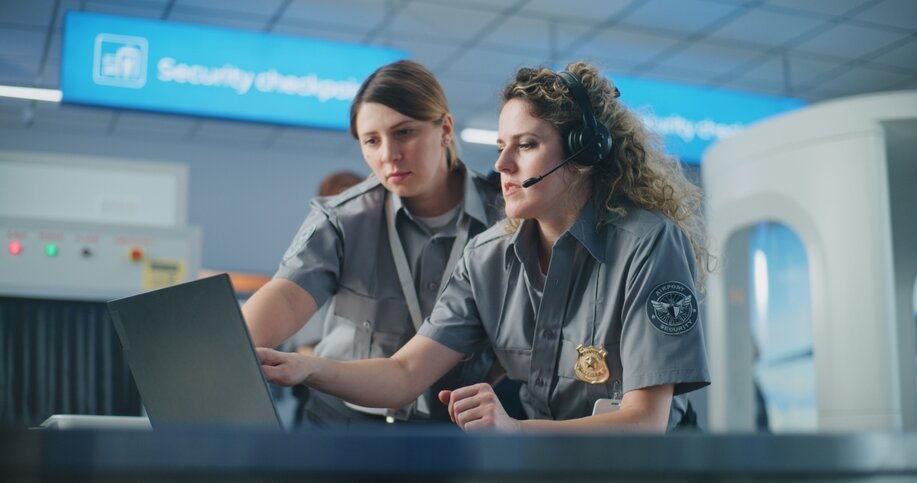
Advocates point to recent government shutdowns, when many federally staffed airports experienced long security lines because TSA officers continued working without pay, leading to higher absenteeism. Airports using private contractors generally avoided those staffing disruptions because contractor employees continued receiving pay through existing federal contracts. Aviation experts cited San Francisco International Airport as an example of a large airport that has successfully operated under the program for years.
Critics Say Oversight and Accountability Matter
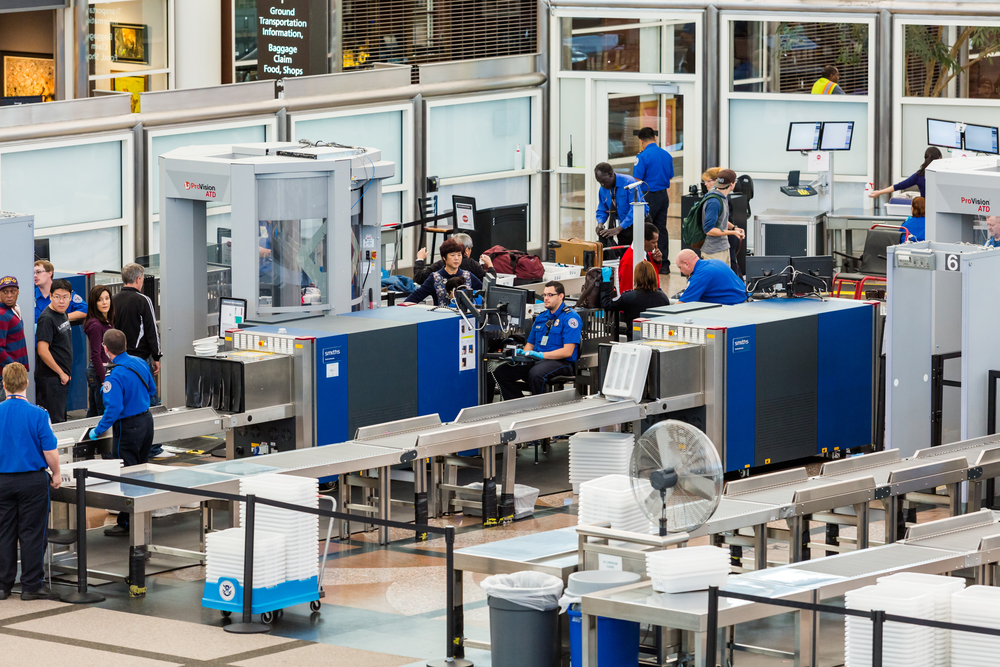
The American Federation of Government Employees (AFGE), which represents more than 47,000 Transportation Security Officers, argues the expansion is a step away from the federal screening system established after the September 11 attacks. Union leaders contend that major changes to airport security should involve Congress, airport authorities, TSA employees, and the traveling public, warning that private companies may face pressure to prioritize costs over public service.
Will Security Standards Change?
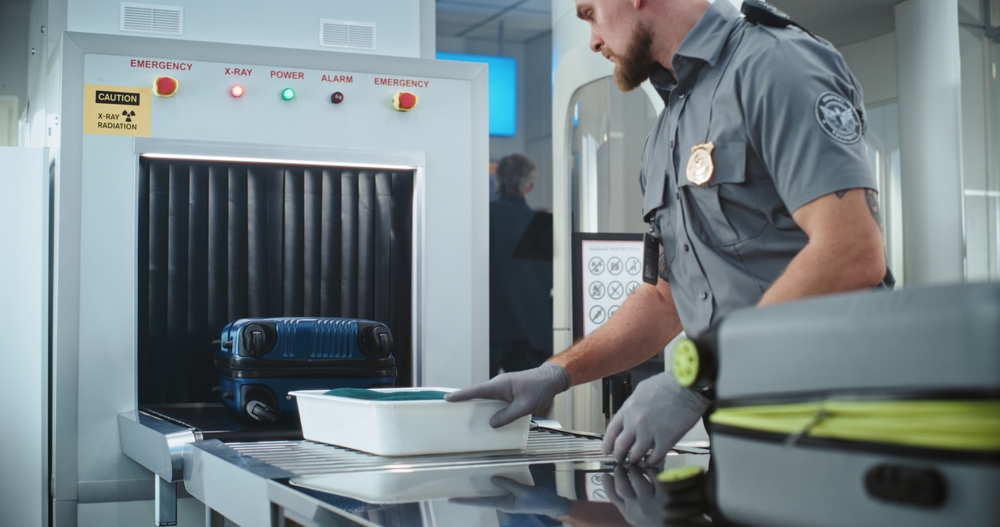
TSA says travelers should not expect different security procedures simply because screening is performed by a contractor. Private screeners must follow the same federal rules, receive comparable training, and operate under TSA supervision. Airports participating in Gold+ will continue to have federal oversight, and current TSA officers are expected to receive the first opportunity to transition to contractor positions with equivalent pay and benefits.
Most Travelers May Not Even Notice

At airports that already use private screeners, many passengers are unaware they are interacting with contractor employees rather than federal officers. NPR found that travelers at Kansas City International generally focused on wait times and customer service instead of who employed the screeners. Airport officials there emphasized that private employees follow TSA’s standard operating procedures while federal personnel continuously monitor compliance.
The Expansion Could Shape Future Airport Security
For now, Gold+ will begin with just three additional airports, but it represents a broader test of whether public-private partnerships can become a larger part of aviation security. The coming transitions at Charleston, Tampa, and Des Moines will likely be watched closely by other airports, lawmakers, unions, and travelers as they evaluate whether the model delivers the promised improvements without changing the federal standards that have governed airport screening for more than two decades.