

Products are selected by our editors, we may earn commission from links on this page.

Listen to the next commercial break and count how many ads sound like someone leaning over to tell you about something they happen to like. That tone is so standard now that it registers as neutral. Voice actor Tawny Platis, whose credits include Hulu, Warner Bros. and Disney+, says it has an origin, and she names one person: John Krasinski. In a video she posted in early 2026, she put it plainly. Jim from The Office, she says, is responsible for the millennial voice. Commercials sounded nothing like that before him, and Platis knows the old sound firsthand, because she was hired to make it.
This article was created with the assistance of AI and reviewed by our editorial team for accuracy and clarity.
The bright commercial voice she used to record
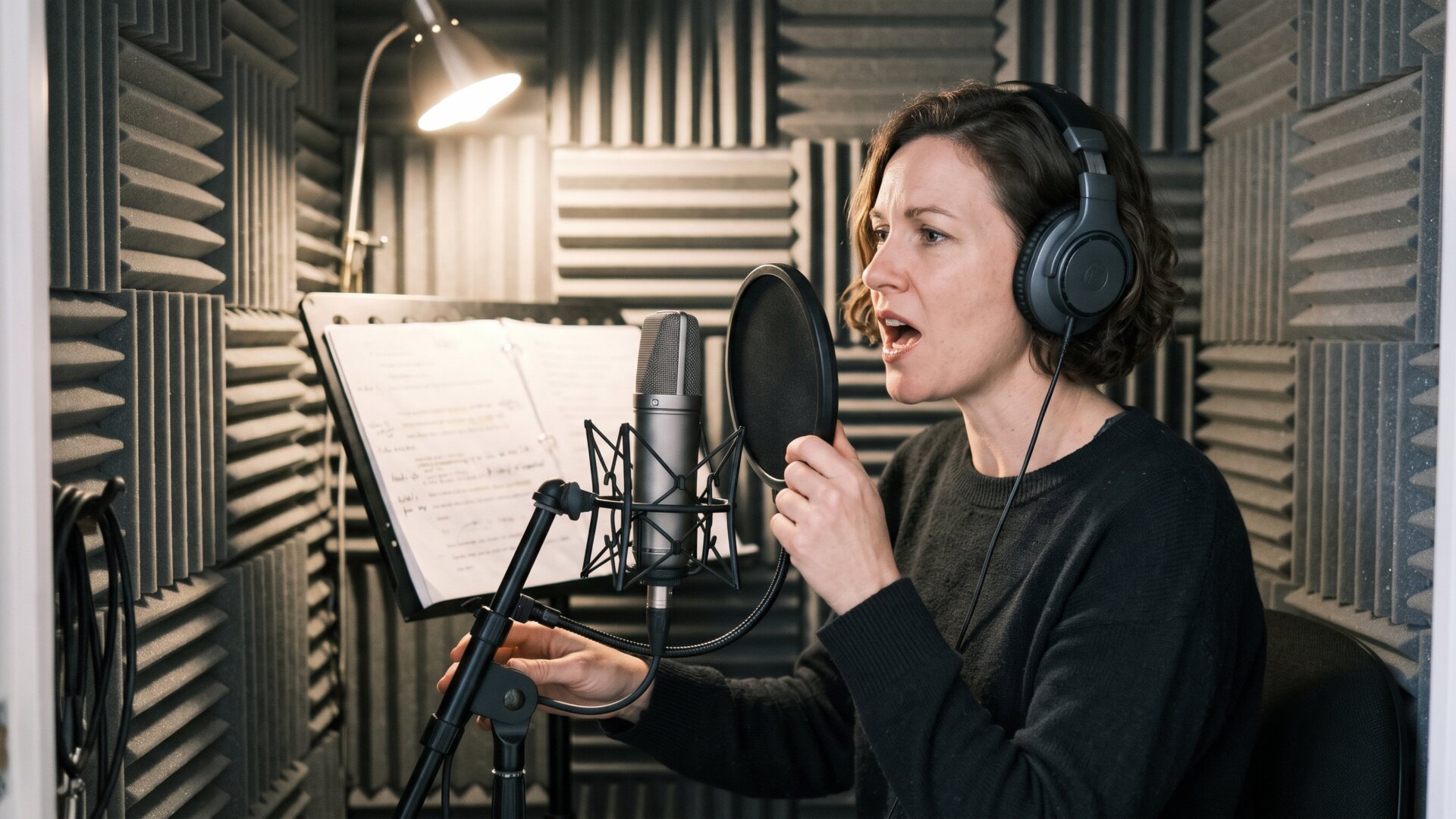
Platis spent years on the other side of this. The reads she performs in the video are the ones she used to book: the bright, up-tempo announcer delivery brands like Macy’s and PetSmart ran for years, pitched a step above a normal speaking voice. Nobody talks that way in a kitchen, and that was the point. “TV commercials were always very performative. There were a lot of bright voices,” Platis said. The style announced that you were being sold something, and audiences accepted the trade. The voice that replaced it belonged to a man reading copy about mobile phones.
John Krasinski was already selling you phones
Krasinski had another job in those years: advertising. He voiced spots for Verizon, BlackBerry and Apple TV, campaigns that ran through the early 2000s and 2010s, and he did not perform them. He read them the way Jim Halpert talks to the camera, flat and amused and about a half step from a shrug. Platis sums up the pitch underneath that delivery as, “Hey, I’m just a guy. I’m not really an actor.” A product sounds different when the person describing it seems to have nothing riding on it. Casting directors noticed, and the industry soon had one instruction it gave almost everybody.
The conversational read became the only instruction
That instruction was conversational, and Platis says it stopped being one option among several. By her account the note held from about 2010 until roughly four years before she posted the video in early 2026, and nearly every commercial script she auditioned for asked for it. Krasinski’s reads had become the reference point, the thing a casting director could name instead of describe. Worth being clear about what this is: Platis is describing more than a decade of her own audition pipeline, not a study of the advertising business. Her evidence is the scripts she was sent. One group of voice professionals found the new note almost unworkable.
Radio DJs struggled with the new note
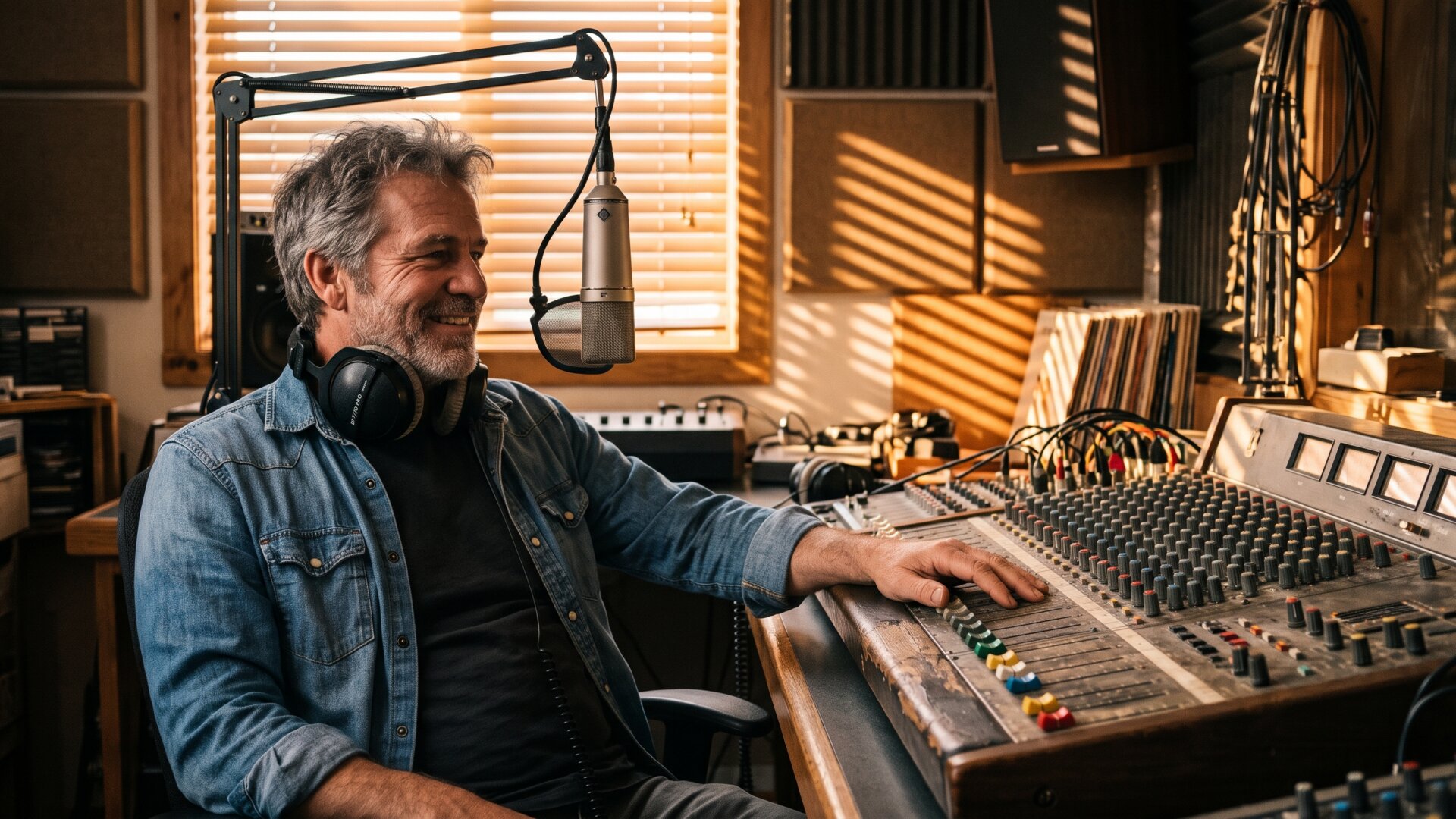
The performers with the most impressive voices had the hardest time with it. Platis points to radio DJs moving into voiceover, who arrive with what she calls a “wacky guy with a cool voice” delivery built for drive time. Everything that made them hireable on air, the projection, the energy, the lean into the microphone, came across as fake in a conversational spot. A trained instrument had turned into a liability, and the repair was restraint rather than technique. The same pressure was closing in on another kind of narrator, one most Americans could identify within three words.
The movie trailer narrator disappeared too
Don LaFontaine voiced thousands of movie trailers and built the booming style that every impression of a trailer still copies. He died in 2008, and the sound did not outlast him by much. Fatigue did the rest. The trailer voice had been parodied so often that audiences heard the joke before the pitch, so studios began cutting trailers around music and footage with no narrator at all. Announced authority was losing in advertising and in theaters at once. The same retreat from performance was showing up in ordinary speech, and in 2016 a linguist went on public radio to defend it.
NPR put the millennial hedge on air

On May 24, 2016, Fresh Air aired a commentary by linguist Geoff Nunberg about the phrase “I feel like.” He was answering historian Molly Worthen, who had argued in The New York Times that the habit was damaging public argument. Nunberg’s case was that the phrase is a hedge doing the work of “I think” or “I guess,” and that in everyday use it means something close to if you ask me. That is the instinct the conversational read was built on: sounding like you are offering an opinion instead of issuing one. The other marker of the style is not a word at all.
Vocal fry is a normal thing vocal cords do
Vocal fry is the creaky quality the University of Melbourne describes as what speakers “often do at the end of sentences,” which can land as bored, cool or relaxed depending on who is listening. Speech scientist Adam Vogel told the university the sound is physiologically normal and sits at the bottom of the vocal range. Judgment is the variable, not the biology. A 2014 study cited in the same piece found vocal fry may work against young women in the labor market, while applied linguist Chloé Diskin-Holdaway compares it to the way the word like settled into ordinary grammar. Brands, meanwhile, have moved on from the whole sound.
The Gen Z read is flat and unbothered

Platis says the golden age of the millennial voice is over, and that Gen Z delivery is what brands book now. She describes the target as flat and detached, “like you’re talking to someone without looking up from your phone.” It is the same move pushed one step further. The millennial read proved sincerity by refusing to sound polished, and the Gen Z read proves it by refusing to sound invested. Enthusiasm is now the tell. Platis hears something familiar in that, and it is not millennial.
The new voice sounds like Gen X
The sarcasm and lack of interest in the Gen Z read belong, Platis says, to Gen X, which is to say to a lot of Gen Z parents. Each generation reaches for the opposite of the last pitch, and the options are not endless: earnest, friendly, or over it. You can test the argument during a single commercial break. Listen for whether the voice is confiding in you, selling to you, or can barely be bothered with you, and you will usually place the brand’s intended audience before the logo turns up.