


Products are selected by our editors, we may earn commission from links on this page.
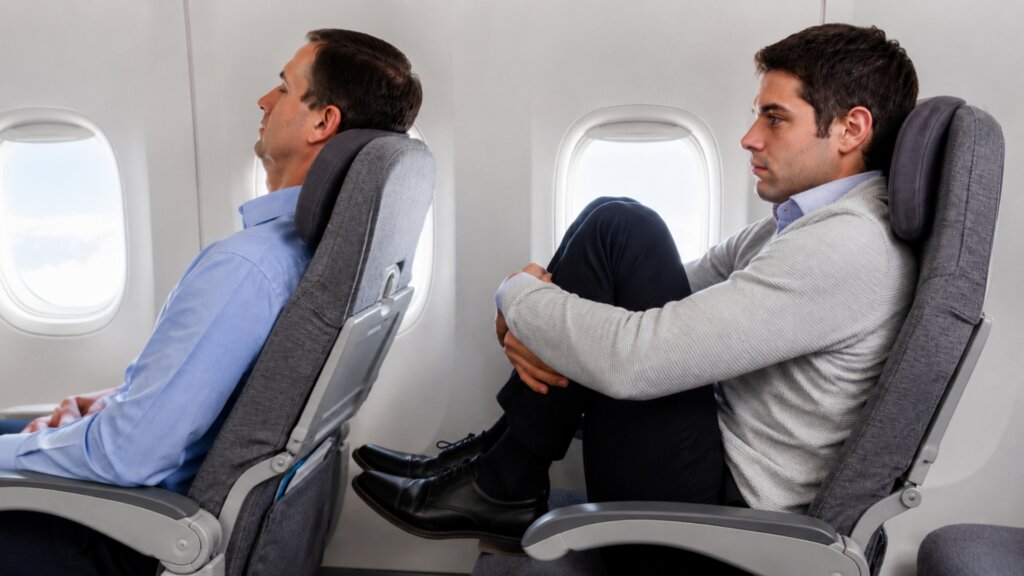
United Airlines just unveiled an economy option built around an empty seat. Passengers in Economy Plus on its new Airbus A321XLR jets will be able to book a row where the middle seat stays vacant, replaced by a fixed table stretching between the window and aisle passengers. United says it will be the only U.S. airline selling this.
This article was created with the assistance of AI and reviewed by our editorial team for accuracy and clarity.
A Fixed Table Replaces the Seat Nobody Wanted
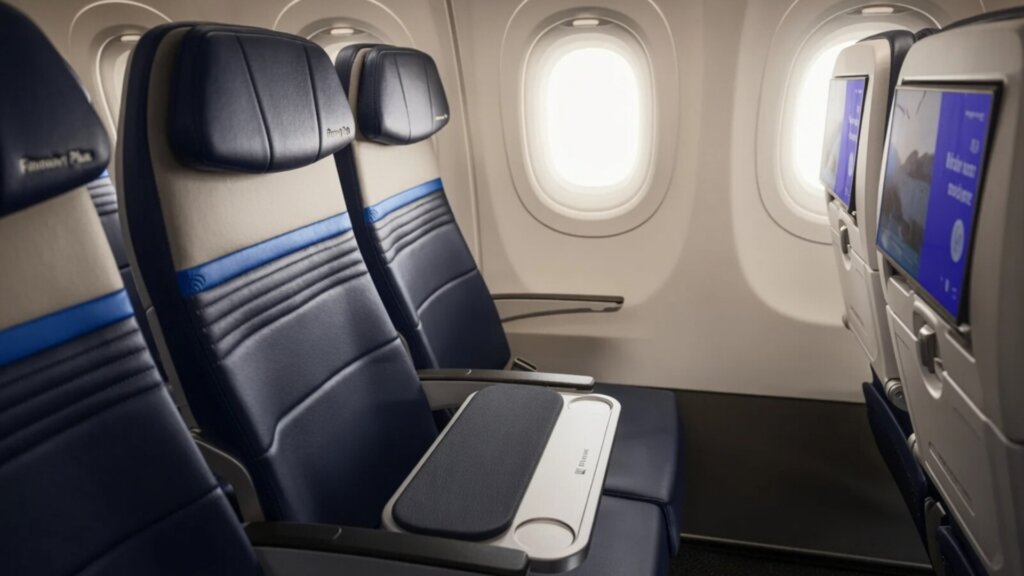
The new row features a custom table with a leather-like surface and two molded cup holders, spanning armrest to armrest across the open middle seat, according to CBS News. Window and aisle passengers share it. The setup adds to the three extra inches of legroom already built into Economy Plus seating on the A321XLR. It’s a small design change with a much bigger financial motive tucked behind it.
Only One Row Per Plane Gets the Empty-Seat Treatment
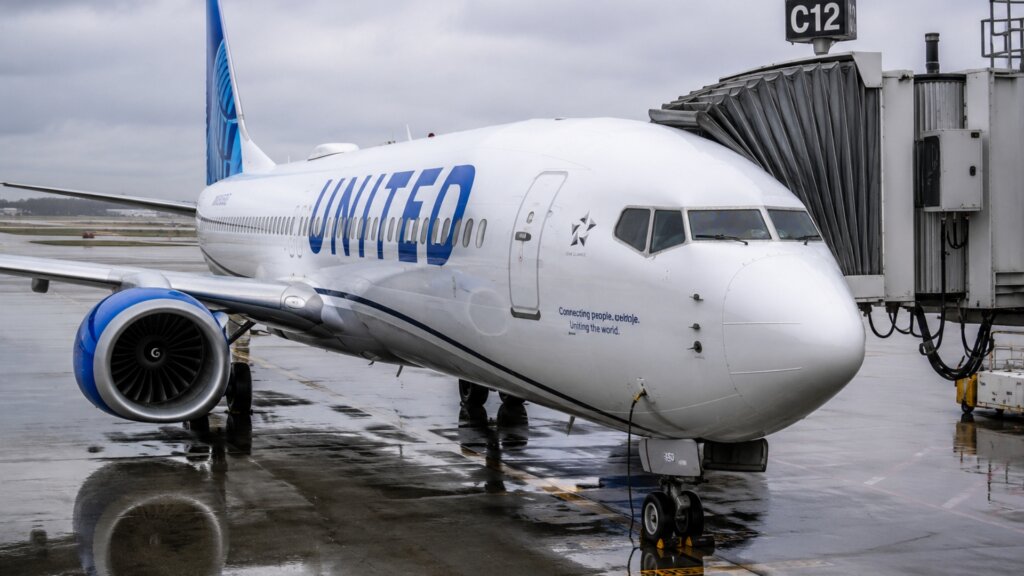
The option won’t apply across the whole cabin. United plans to install it in a single designated row on each of its 50 A321XLR aircraft, according to Fortune. The jets are expected to begin domestic flights this fall, with international routes following in early 2027. United hasn’t released pricing, though the airline says details will come closer to launch. Passengers eager to book won’t have long to wait to find out what it costs.
United Says It Beat Every Other U.S. Airline to This Idea
United is positioning the product as an industry first among American carriers, though the concept isn’t new globally. Several European airlines, including Lufthansa and Finnair, already block middle seats for business class passengers on short routes. United is essentially importing that model into economy, charging coach flyers what used to be a business class perk overseas. That borrowed idea points to a business logic that has little to do with what happens in the cabin.
Two Blocked Seats Solve a Staffing Problem, Not Just a Comfort One
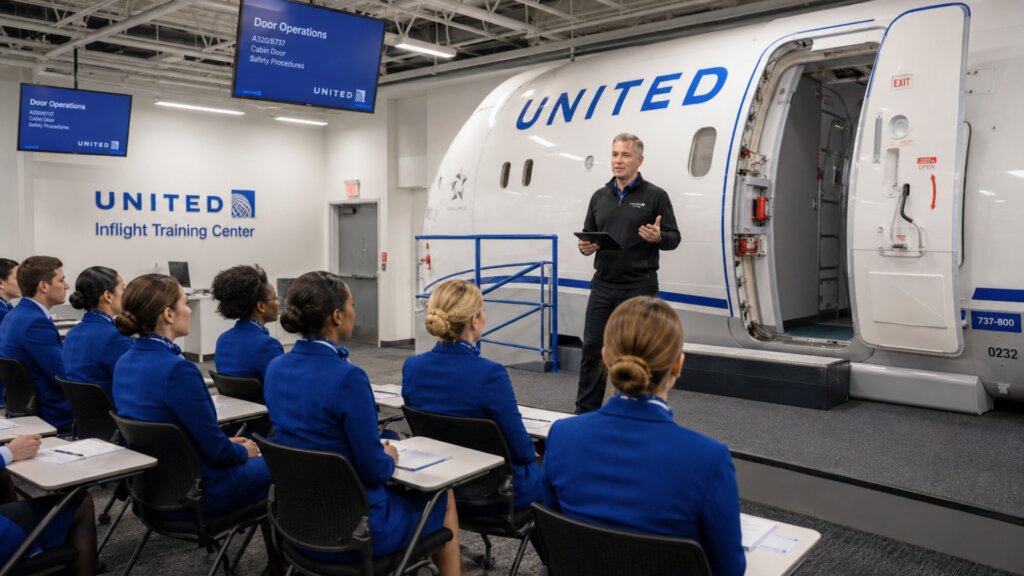
Federal Aviation Administration rules require one flight attendant for every 50 seats, plus an extra crew member for aircraft with business class suites that have doors, which the A321XLR has, according to View From The Wing. At 152 seats, United would need five flight attendants. Blocking two middle seats drops the count to 150, requiring only four. The seats being sold as a perk double as a way to cut a crew position.
The Move Fits a Pattern United Started With the Relax Row

United has been building out other new cabin experiments recently, including the Relax Row, a version of economy seating on Boeing 787 and 777 aircraft designed to convert into a lie-flat surface. That product is set to go on sale ahead of an early 2027 debut. Between the Relax Row and the blocked middle seat, United is carving its main cabin into finer tiers, each with its own price tag attached.
United’s Earnings Show Why Premium Seating Keeps Expanding

United reported second quarter 2026 earnings in mid-July, posting adjusted profit of $1.99 per share and $17.67 billion in revenue, beating Wall Street’s expectations. Premium revenue climbed 16% year over year, outpacing gains in basic economy. Those numbers help explain why the airline keeps investing in cabin tiers that flyers are willing to pay extra for, even when the product is, technically, an empty seat.
Delta Rolled Out Its Own Discount Business Class Days Earlier
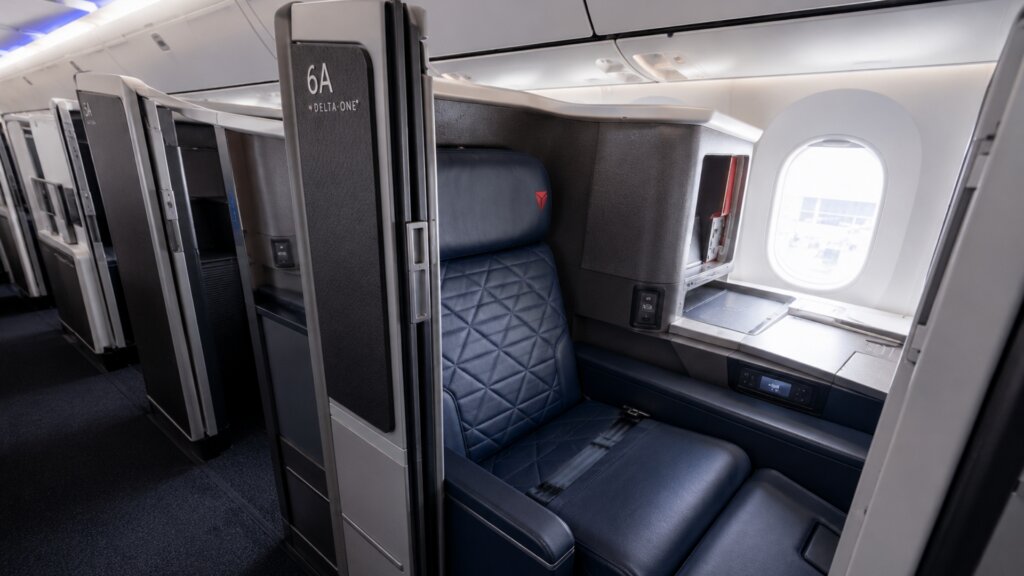
Delta announced its own unbundled premium fare, called Basic Business, on July 8, offering access to Delta One’s lie-flat cabin at a lower price in exchange for giving up perks like lounge access and advance seat selection, according to CNBC. The announcement came two days before Delta posted its own second quarter results. Delta’s move followed United’s earlier introduction of discounted Polaris business class fares.
Airlines Are Splitting Every Cabin Into Smaller Paid Tiers
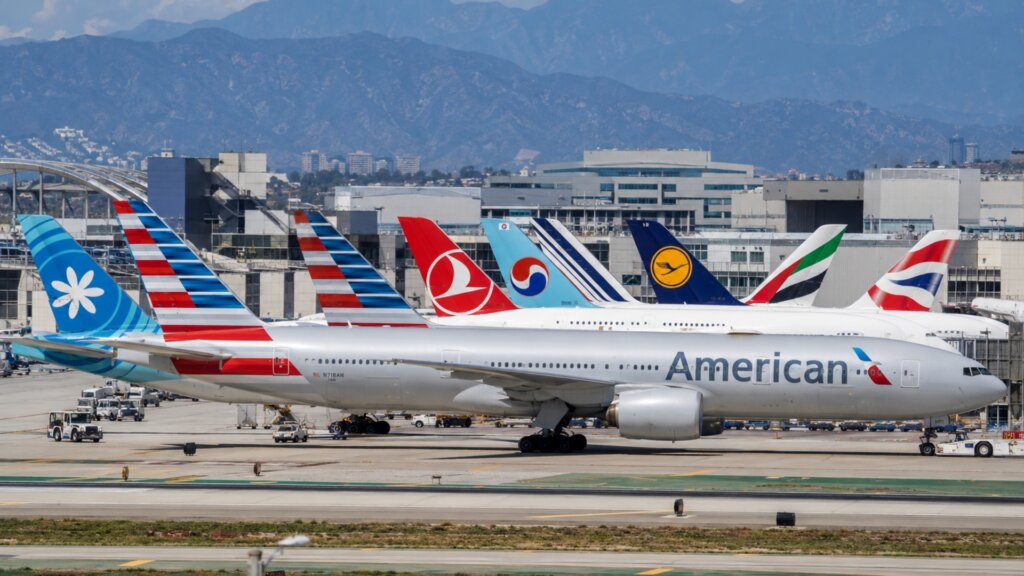
United and Delta aren’t alone. Across the industry, carriers are slicing coach, premium economy, and business class into narrower fare bands, each stripped of certain perks or padded with new ones. The strategy targets travelers willing to pay for marginal comfort gains, whether that means an empty middle seat or lounge access. It’s a shift reshaping what economy and business class even mean.
The Cabin You Fly In Is Becoming a Menu, Not a Fixed Class
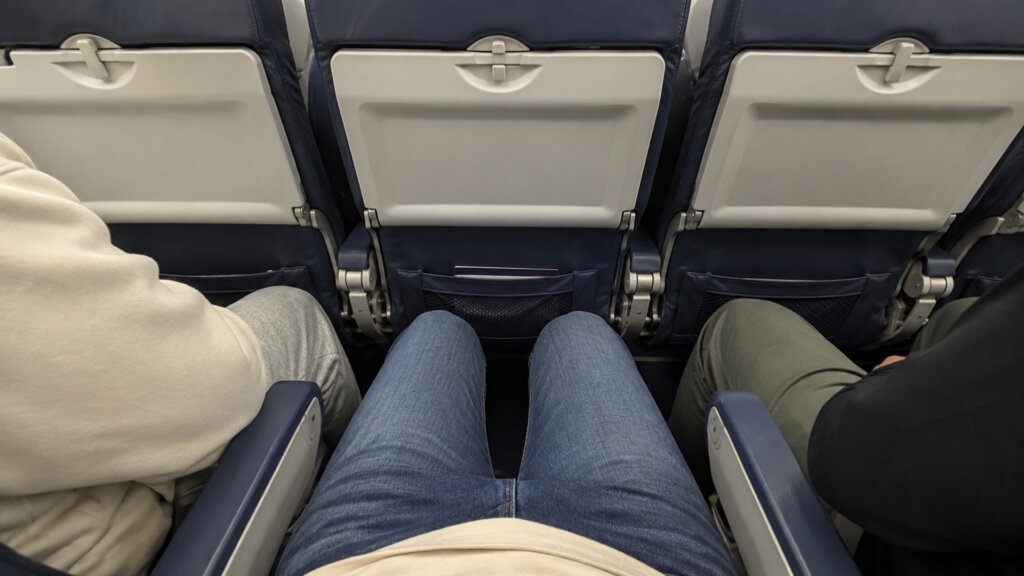
United’s empty middle seat and Delta’s discount business fare point to the same shift. Airlines are moving away from selling three or four fixed cabins toward selling dozens of combinations of space, service, and price, letting passengers assemble their own experience one paid add-on at a time. The plane hasn’t changed. What changed is how many ways there now are to pay for the same trip.