


Products are selected by our editors, we may earn commission from links on this page.

The U.S. government’s elimination of the $800 de minimis exemption on August 29, 2025, has created an unprecedented crisis for America’s largest courier service. UPS now destroys up to $10 million worth of packages daily due to missing customs documentation. This dramatic shift in trade policy, implemented under the Trump administration, requires tariffs and extensive paperwork on all imports regardless of value, fundamentally disrupting established shipping operations and affecting millions of packages.
The End of Duty-Free Shopping

For years, the de minimis rule allowed imports under $800 to enter the U.S. duty-free, facilitating cross-border e-commerce and international shopping. Originally set at $200, it increased to $800 in 2016 under the Trade Facilitation and Trade Enforcement Act. This exemption balanced trade facilitation with revenue protection, enabling small businesses and consumers to purchase foreign goods at affordable prices. The August 2025 revocation represents a significant regulatory rollback toward stricter border controls.
Why the Policy Changed

The Trump administration justified eliminating the exemption by citing concerns about drug trafficking, particularly fentanyl, counterfeit goods, and lost tariff revenues. The policy aims to protect American manufacturing and reduce dangerous imports while increasing scrutiny on foreign goods. These measures align with broader tariff increases on China and strategic partners, reflecting escalating trade tensions. Even small packages now require detailed origin documentation and tariff payments, dramatically increasing processing complexity.
UPS’s Logistical Nightmare

Thousands of packages face daily delays due to incomplete paperwork or unpaid duties. The surge in formal customs clearance requirements has increased operational workload, processing times, and costs substantially. Many packages cannot be returned due to cost disparities or perishability, forcing UPS to destroy them. This operational consequence threatens UPS’s market position amid fierce competition and declining profit margins, creating unprecedented compliance challenges for the nation’s largest courier.
Impact on Consumers and Businesses

Tariff enforcement raises landed costs for consumers and businesses, potentially increasing prices on common imported goods. Supply chain disruptions cause delivery delays that erode consumer trust. Small businesses relying on foreign suppliers face heightened barriers that could force closures or downsizing. The destruction of legal products raises ethical concerns about waste and inefficiency, potentially alienating customers accustomed to seamless delivery and affordable international goods.
Environmental and Ethical Concerns

Burning $10 million worth of packages daily creates significant environmental issues, particularly regarding carbon footprint and waste generation. In an era emphasizing sustainability, deliberate product disposal conflicts with corporate social responsibility and consumer environmental consciousness. This regulatory fallout creates a paradox where trade protectionism unintentionally produces preventable waste and pollution. The policy’s legitimacy faces scrutiny from environmentally conscious stakeholders questioning such massive destruction.
The Psychology of Lost Parcels

Parcel loss and uncertainty foster anger and mistrust toward shipping companies and international trade. This psychological stress shifts consumer buying habits, weakening brand loyalty and promoting switches to local products or alternative carriers. UPS’s destruction policy, though legally mandated, undermines consumer confidence and may accelerate market shifts. Customers increasingly seek reliability and transparency in international shipping, potentially reshaping the competitive landscape.
The Volume Explosion
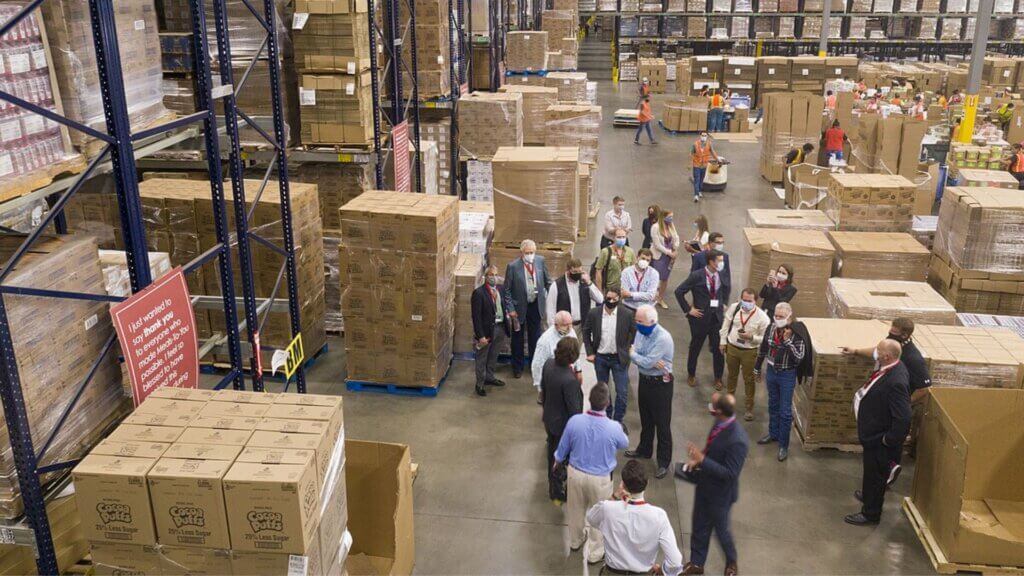
Low-value imports surged from 140 million packages in 2014 to an estimated 1.36 billion in 2024, largely due to the $800 exemption encouraging small parcel imports. With the exemption eliminated, all these shipments now require tariffs and compliance paperwork. This massive increase in workload exponentially raises UPS’s processing burden and the likelihood of clearance failures resulting in destruction, affecting millions of legitimate transactions daily.
Adaptation and Innovation
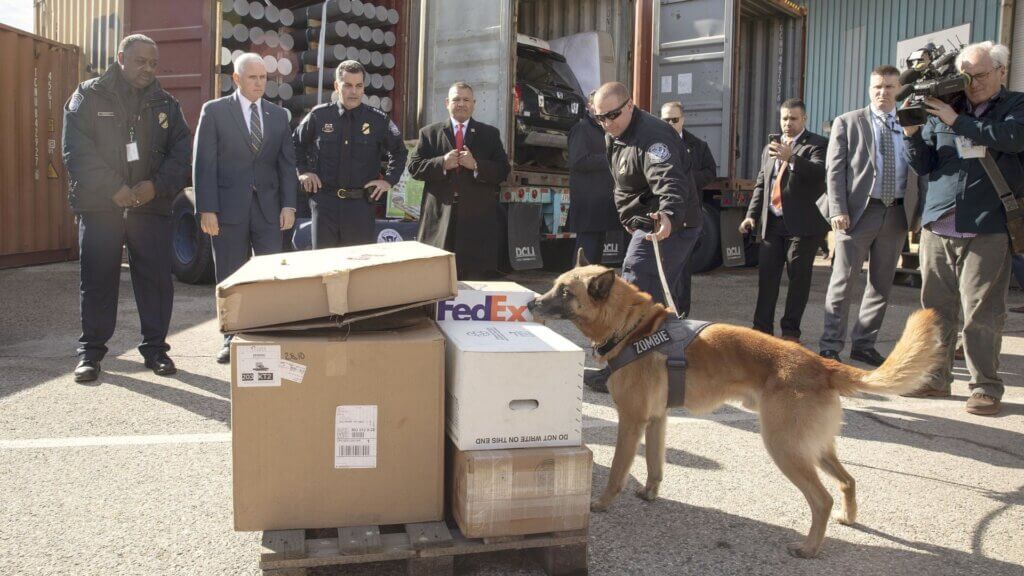
UPS and shipping partners are investing in enhanced customs technology and customer communication to mitigate impacts. Companies must improve tariff forecasting and supply chain documentation capabilities. New shipping routes and carriers better equipped for complex regulations may emerge. Governments and industry associations may review policies to minimize collateral damage without sacrificing enforcement rigor. Strategic adaptation and innovative solutions are essential for navigating this disruption.
Balancing Security and Commerce
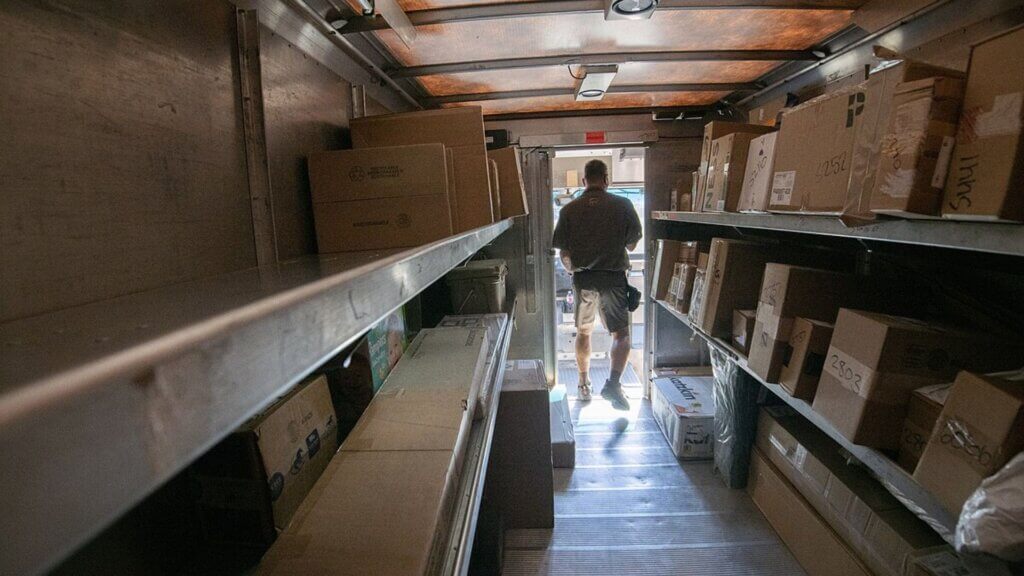
UPS’s forced destruction of $10 million in packages daily starkly illustrates the consequences of eliminating the de minimis exemption. While protecting domestic markets and strengthening customs compliance, the policy’s operational, financial, environmental, and psychological costs challenge all stakeholders. This situation demands creative solutions that balance border security with commerce effectiveness. The crisis questions how trade policies can achieve security goals without devastating legitimate international business and consumer access.