

Products are selected by our editors, we may earn commission from links on this page.
Picture two economic signals moving in opposite directions at the same time. That’s essentially what happened this spring. The U.S. economy grew at just 1.5% from April through June, a noticeable slowdown from the previous quarter’s 2.1% pace. At the very same time, Americans actually ramped up their spending sharply. Untangling why growth slowed even as consumers spent more reveals a lot about what’s really driving the economy right now, and what could shape your wallet next.
This article was created with the assistance of AI and reviewed by our editorial team for accuracy and clarity.
A Surging AI Trade Gap Dragged Overall Growth Down
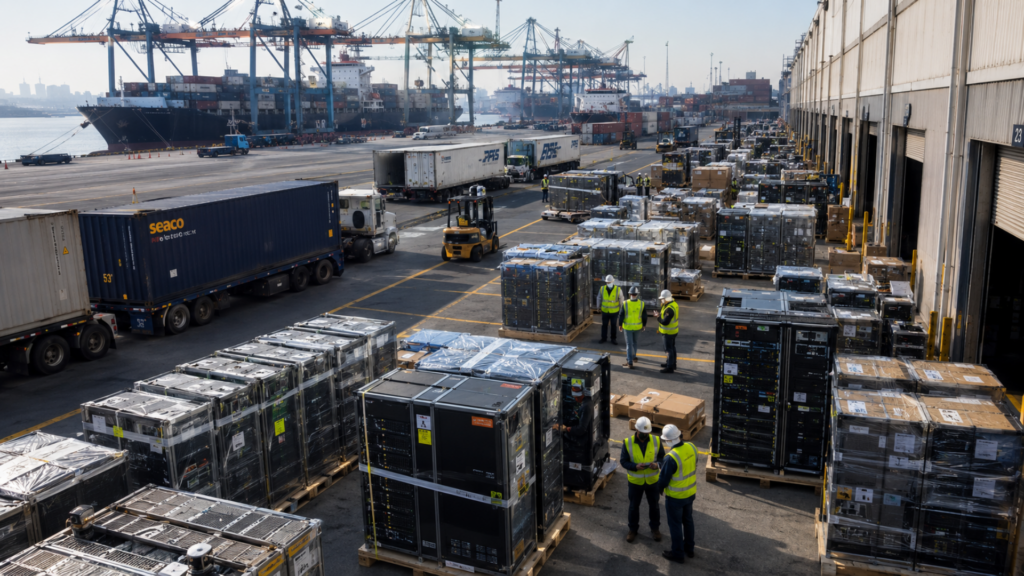
The biggest drag on growth came from an unexpected source: America’s own appetite for AI technology. The trade deficit jumped 42.2% to a seasonally adjusted $77.6 billion in May, according to Commerce Department data, the highest level in nearly a year. Imports of computer accessories, semiconductors, and other AI-related products far outpaced exports. That imbalance shrank slightly by June, but it still weighed heavily on the quarter’s overall growth number.
Consumer Spending Actually Had Its Best Quarter in Nearly a Year

While the trade gap dragged growth down, consumer spending told a much more encouraging story. Spending jumped to an annualized 3.2% rate in the second quarter, up sharply from just 0.5% in the first quarter. That marked the fastest pace of consumer spending growth in nearly a year, and it became the single largest contributor to GDP for the entire three-month period, effectively carrying the economy through a period of broader weakness elsewhere.
Several Factors Combined to Put More Cash in People’s Pockets
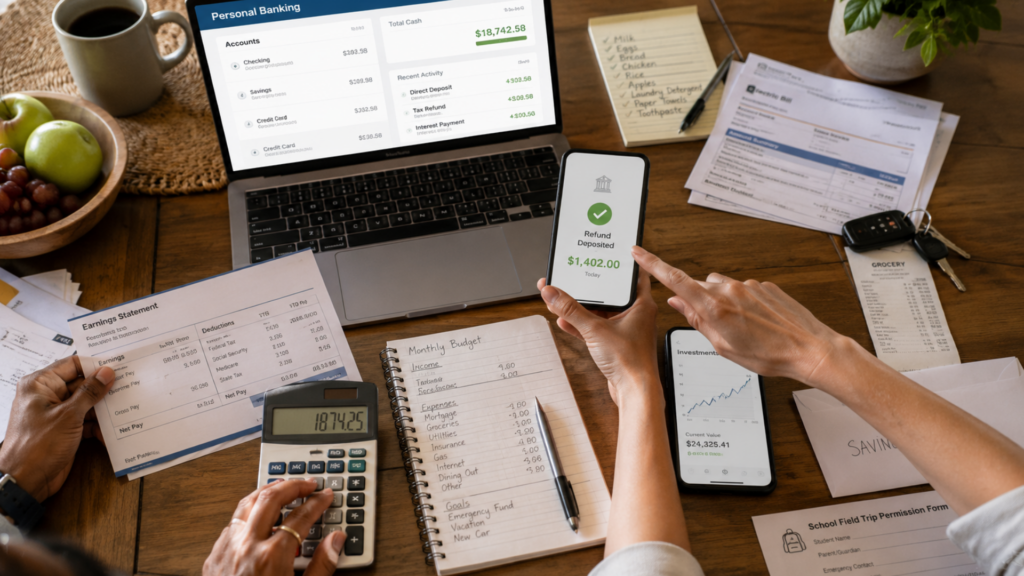
This spending surge didn’t happen randomly. “Americans benefited from a robust labor market, a buoyant stock market, bigger tax refunds and savings,” said Kathy Bostjancic, chief economist at Nationwide, in commentary issued Thursday. Multiple financial tailwinds arrived at once, giving households more room to spend even as other parts of the economy showed signs of strain, particularly around trade and energy costs.
Rising Energy Prices Pose a Real Threat to This Momentum
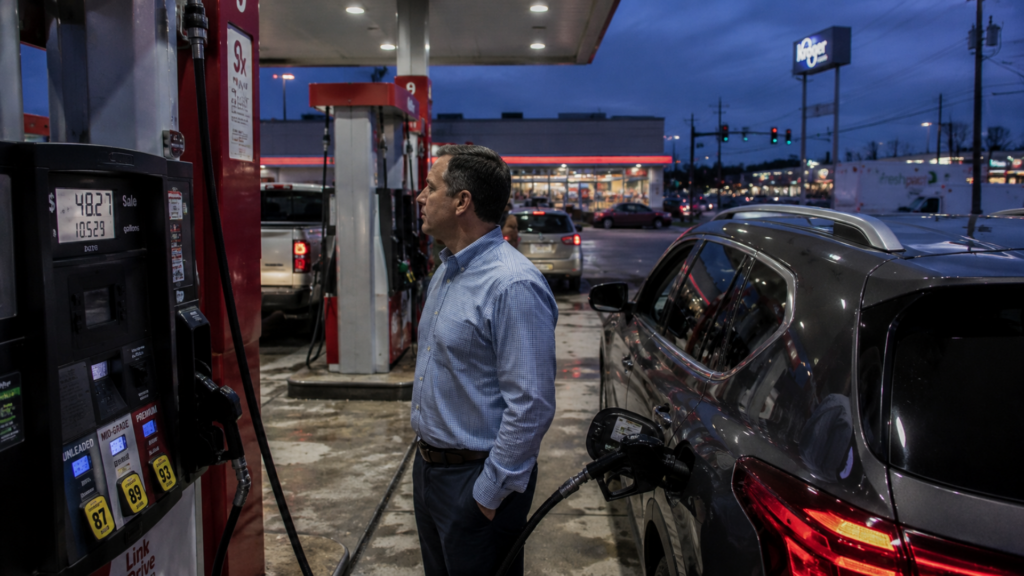
Bostjancic didn’t offer unconditional optimism. She specifically flagged rising energy costs as a genuine risk to household budgets going forward. “The renewed rise in energy prices presents a headwind for household budgets, but if the labor market stays strong and income gains solid, we anticipate consumers can continue to ride out the energy shock and maintain solid spending,” she said. Her outlook hinges directly on the labor market staying resilient in the months ahead.
A Key Underlying Growth Measure Actually Accelerated Sharply
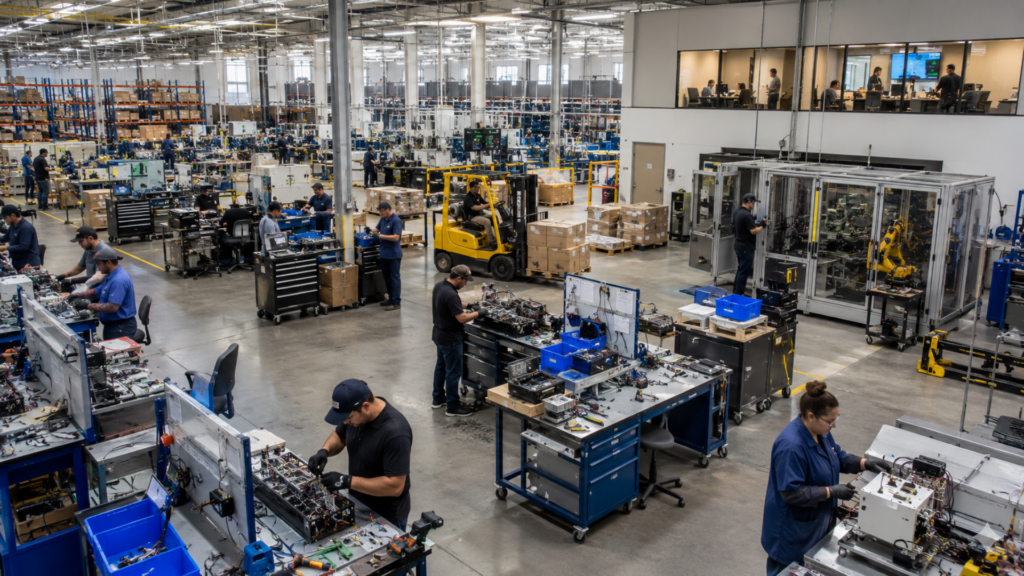
Beneath the headline number, a closely watched measure of economic strength told a more optimistic story. Core GDP, which strips out volatile components, accelerated to 3.9% in the second quarter, up sharply from just 1.7% in the prior quarter. That divergence suggests some of the headline slowdown reflects the AI-driven trade imbalance specifically, rather than genuine broad-based weakness across the underlying economy.
The World Cup Gave Host Cities a Real Economic Boost

An unexpected tourism boost added momentum through the summer months. In-person spending rose 5% year-over-year across cities that hosted World Cup games, according to Bank of America, with restaurants and bars showing some of the largest gains. Host cities included 11 of the largest American metro areas, including New York, Los Angeles, and Houston, meaning the tournament’s economic ripple effects reached well beyond ticket sales alone.
The War With Iran Has Complicated Planning for Everyone

Geopolitical tension has added real uncertainty to this economic picture. The ongoing war with Iran has made it difficult for consumers, businesses, and policymakers to plan ahead, and it has pushed inflation higher at points throughout the year. Consumer sentiment dropped sharply as the conflict escalated in spring, reaching a record low in May. Sentiment has since improved somewhat, largely thanks to falling gas prices, though it remains near historically low levels overall.
The Job Market Remains the Economy’s Steadiest Pillar
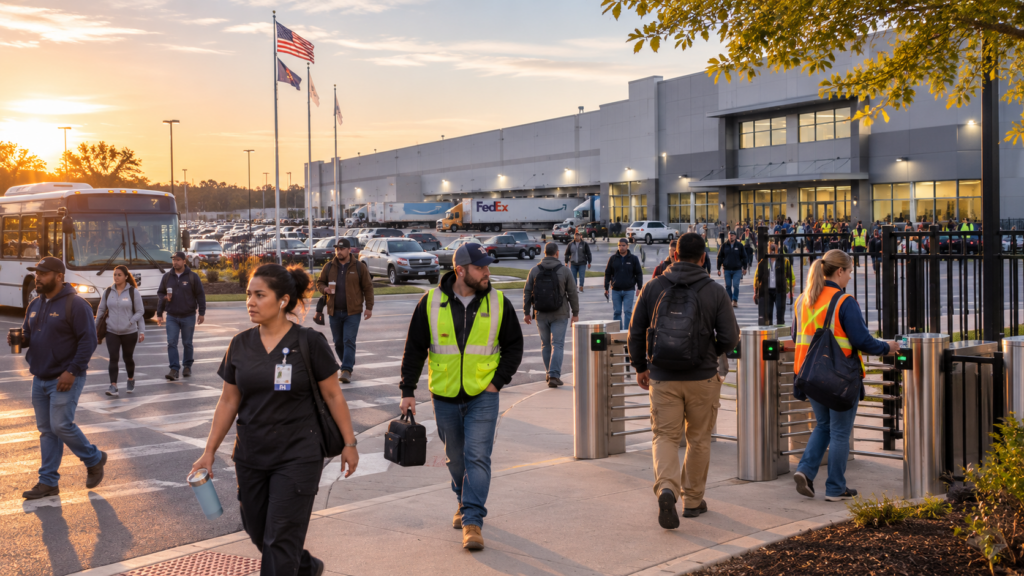
Despite all this turbulence, the labor market has held remarkably steady. New applications for unemployment benefits continued hovering at historically low levels last week, according to a separate Labor Department report. “We see the labor picture as really holding up pretty well, which sort of gives the Fed this luxury of hyper-focusing on inflation,” said Michael Reynolds, vice president of investment strategy at Glenmede, describing how job market strength gives policymakers room to focus elsewhere.
The Fed Is Watching AI Investment Reshape the Whole Economy
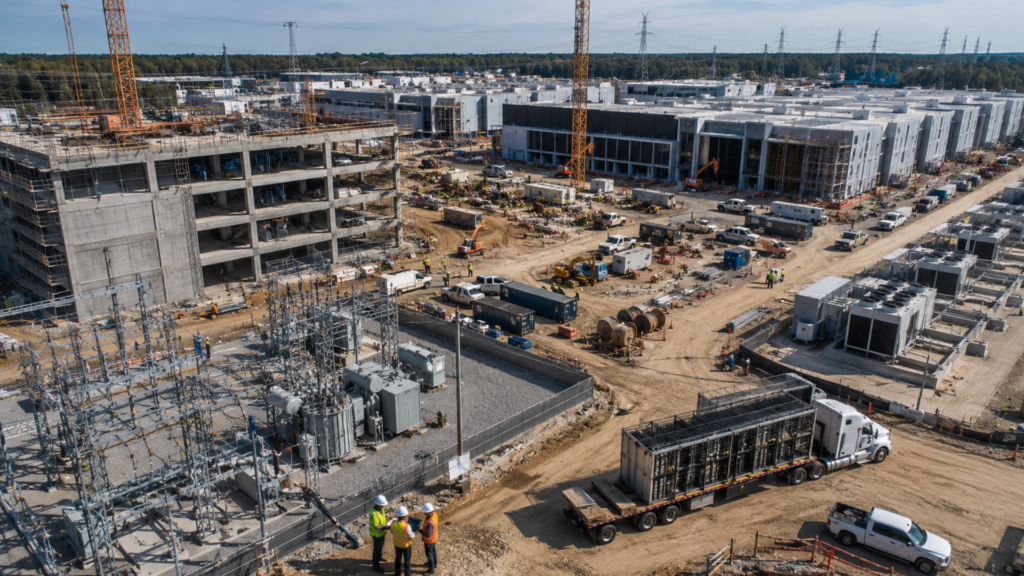
Business investment remained robust throughout this period, expanding at an annualized 8.4% rate, even as it cooled slightly from the prior quarter’s 10.6%. Much of that investment continues flowing into AI infrastructure and data centers. Federal Reserve Chairman Kevin Warsh addressed this shift directly in a recent congressional hearing. “We don’t know the extent to which the economy will benefit from the AI build-out,” he told senators. “Yet it seems inevitable that what is now called ‘AI investment’ will soon be called just ‘investment.'”