


Products are selected by our editors, we may earn commission from links on this page.

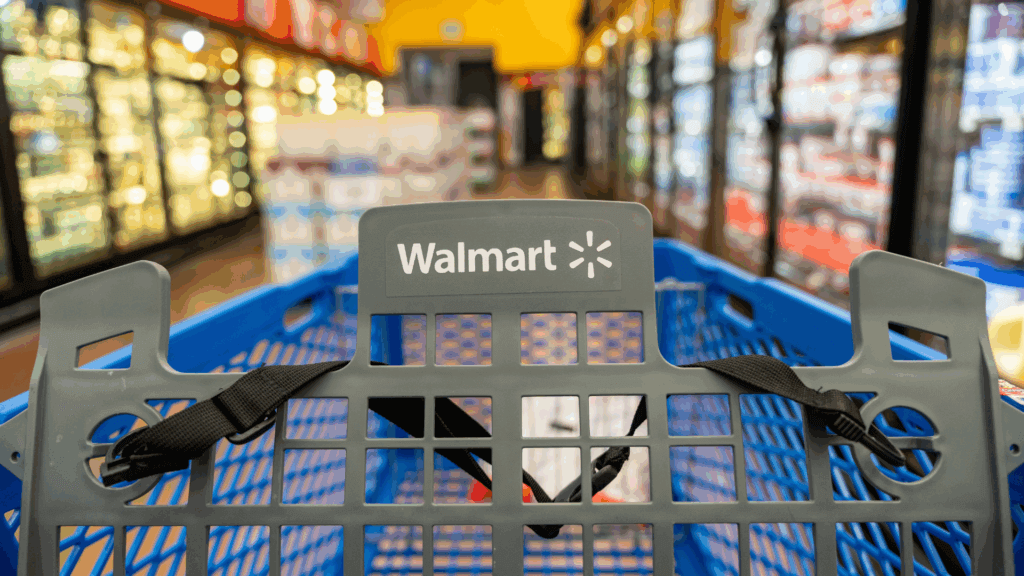
Walmart has started attaching a mysterious new device to the underside of some shopping carts in stores across the United States, and customers are noticing and sharing their reactions on social media. While Walmart has not extensively detailed the technology, shoppers quickly began debating what the device does and whether it raises privacy or tracking concerns. Videos and posts about the device have spread widely online, with many users speculating about its purpose and potential impact on customer data and in-store behavior tracking.
What the Device Looks Like

The device observed on Walmart shopping carts is a small, box-shaped unit bolted under the frame rather than in the traditional cup holder or cart grip area where customers normally expect attachments. Shoppers filming the device for social media have pointed out that it lacks visible barcode scanners or camera lenses, leading to confusion about its actual function. Despite the lack of obvious features, the presence of the device has sparked conversations about whether it could collect data.
What Walmart Has Said (and Not Said)

Walmart has not issued a detailed public explanation about the cart-mounted device, leaving many customers to fill in the blanks with assumptions and speculation. Some people have interpreted the lack of clear communication as a privacy concern, especially given growing awareness about data collection in retail spaces. Without an official statement clarifying its purpose, customers are left wondering whether the retailer is monitoring more than just lost carts or theft prevention.
Shoppers Raise Privacy Alarms

Many social media users fear that the device could be used to track shoppers’ movement patterns, purchase decisions, or even personal data without consent, even though no confirmation has been made that it records such information. The speculation is fueled by broader concerns about how big retailers use technology to collect insights on customer preferences and in-store behavior. This reaction shows how sensitive many consumers have become to anything resembling surveillance in everyday environments like grocery store aisles.
Possible Practical Purpose Behind the Tech

According to some reports and expert commentary, the device is likely a GPS-style location tracker intended to help Walmart monitor and recover shopping carts that are frequently lost, abandoned, or stolen, rather than a data-collection tool for consumer habits. Retailers often face high costs from cart loss and may use location tracking technology to cut down on replacements and logistical waste. Even so, a tool designed for operational efficiency can still feel intrusive if customers are unclear about how it works or what data it might collect.
How Similar Technology Is Used in Retail

Retailers have long experimented with technologies such as RFID tags, GPS tracking, and Bluetooth beacons to manage inventory, reduce shrinkage, and improve logistics, though these systems typically focus on products or equipment rather than individual shoppers. Tools like these can help stores understand where carts and merchandise are in real time, which aids in operations and loss prevention. The presence of new tech in everyday shopping environments reflects broader trends in retail toward using smart sensors and tracking for efficiency.
Why Some Customers Are Still Worried

Even if the device’s primary function is logistical, many customers fear that there is no clear boundary preventing additional data from being collected, such as patterns of movement or repeated visits to specific departments. In a time when consumers are increasingly aware of digital footprints and how data can be used for targeted advertising or profiling, anything that looks like tracking technology can trigger concern. This reaction highlights a gap between technological implementation and customer understanding or trust.
Retail Transparency and Consumer Trust

Experts say that when retailers introduce new technology, clear communication about its purpose, capabilities, and data policies is crucial to maintaining customer trust. Without transparency, even benign tools can be misinterpreted as invasive, especially when customers feel they have no choice but to interact with them while shopping. Retailers that proactively explain how technology works and address privacy concerns directly may face less backlash and confusion from shoppers.
How Shoppers Can Respond
Shoppers who feel uneasy about new technology in store environments can ask employees for more information or reach out to corporate customer support for clarification on how devices are used and whether any customer data is collected or stored. People should also review privacy policies and notices provided by stores, which often outline what data is gathered and how it is protected or shared. Being informed about privacy practices can help consumers make decisions about where and how they shop.
Walmart Shopping Carts Concern

In conclusion, the addition of a mysterious device to Walmart shopping carts has triggered widespread discussion and concern about privacy and data collection, even though its likely purpose is operational, such as tracking cart locations to reduce loss and improve logistics. The situation highlights how sensitive consumers are to new technology in retail spaces and underscores the importance of clear communication from companies about how such tools are used. As retail innovation continues, balancing technological efficiency with transparency and customer trust will remain a key challenge.