

Products are selected by our editors, we may earn commission from links on this page.

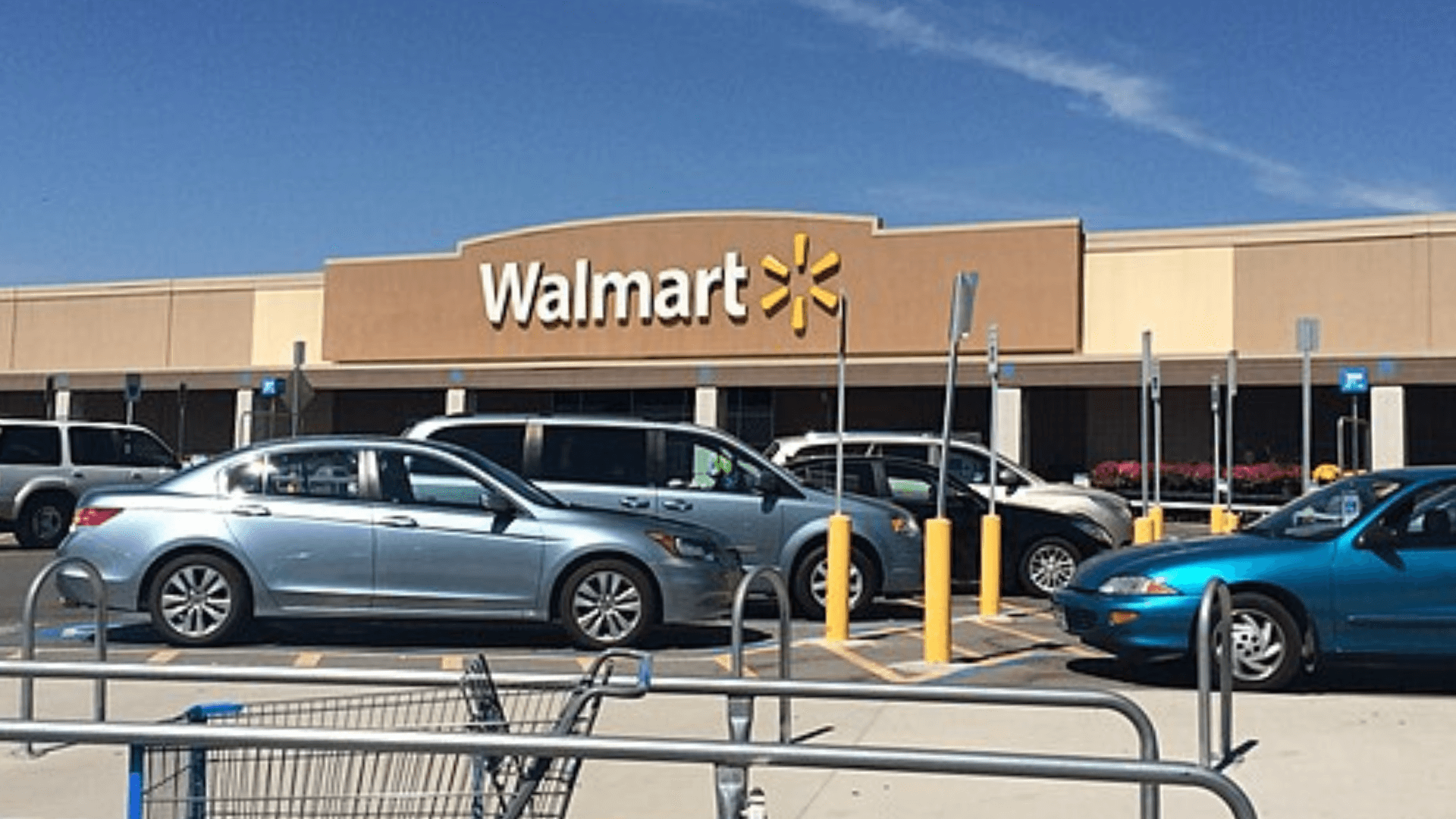
A widespread Walmart system outage disrupted shopping for thousands of customers across the United States, preventing many from completing purchases both online and through the company’s mobile app during a busy shopping period. Reports of technical problems began surfacing early in the day, with users describing frozen checkout screens, error messages, and repeated failures when attempting to finalize transactions.
The outage affected customers trying to buy groceries, household essentials, and last minute holiday items, amplifying frustration as carts filled up but purchases could not be completed. Many shoppers reported that the website and app would load intermittently, only to crash again once payment information was entered.
According to outage tracking services, thousands of complaints were logged within a short period of time, suggesting the issue was both widespread and sudden. A significant portion of reports pointed to failures within the Walmart mobile app, while others experienced similar issues on desktop browsers, indicating a broader system disruption rather than an isolated glitch.
What Caused the Walmart Checkout Disruptions

While Walmart did not immediately release a detailed explanation for the outage, the sudden spike in error reports suggested a backend systems failure affecting checkout and account access. Some users noted that product browsing worked normally, but payment processing and order confirmation repeatedly failed, which is often associated with server or infrastructure issues.
Technology analysts pointed out that large retailers rely on complex cloud based systems to handle high traffic volumes, especially during peak shopping periods, and even short disruptions can ripple quickly across multiple platforms. Any slowdown or interruption in these systems can prevent transactions from being completed, even if the rest of the site appears functional.
Outage monitoring data showed that the problem began to ease after roughly an hour, as reports steadily declined and users began regaining access. This pattern suggests that Walmart’s technical teams were able to stabilize the systems relatively quickly, though the disruption had already affected a large number of shoppers.
Shopper Frustration Spreads Online

As the outage unfolded, frustrated shoppers took to social media to share screenshots of checkout failures and vent about abandoned carts after spending time selecting items. Many described repeatedly refreshing the app or restarting their devices in hopes of completing purchases before items sold out or delivery windows closed.
For customers relying on Walmart for groceries and essential supplies, the timing of the outage added to the stress, particularly for those attempting same day pickup or delivery. Some users reported that scheduled orders could not be accessed or modified, leaving them uncertain about whether purchases had gone through at all.
The outage also highlighted how dependent modern retail has become on digital systems, as even short technical failures can disrupt shopping plans for thousands of households at once. For many shoppers, the experience served as a reminder of how quickly convenience can turn into inconvenience when technology falters.
What Happens After the Outage
In the aftermath of the disruption, shoppers were gradually able to return to normal purchasing as Walmart’s systems stabilized and checkout functionality was restored. Many customers reported that reinstalling the app or clearing browser data helped resolve lingering access issues once services were back online.
Industry experts say incidents like this often prompt internal reviews of system capacity and backup protocols, especially for retailers handling massive transaction volumes. Even brief outages can carry reputational costs, making reliability a critical priority during high demand shopping periods.
For customers, the outage underscores the importance of flexibility, whether that means using alternative retailers, shopping in person, or waiting for official updates before retrying purchases. As Walmart continues expanding its digital operations, shoppers will be watching closely to see how the company strengthens its systems to prevent similar disruptions in the future.