

Products are selected by our editors, we may earn commission from links on this page.
You’re standing in the cereal aisle when a voice comes over the intercom: “Code Brown, aisle twelve.” Nothing about that phrase sounds urgent. It almost sounds like a cleanup request. In reality, shoppers online say it can mean something far more serious than a spill. Walmart uses a system of coded announcements to alert staff to emergencies without triggering panic among customers, and Code Brown sits near the top of the list.
Widely circulated reports online claim Code Brown signals an act of severe violence or an active shooter inside the store. There is no official Walmart source confirming this meaning publicly. But a Reddit user posted a photo of an internal emergency procedures chart bearing the store’s logo, which appears to support that interpretation. One commenter responded, “I carried a card with similar codes when working at a hospital. Communication is always good.”
Some shoppers claim Walmart has since shifted this alert to a different phrase entirely, Code Green, which the same internal chart identifies as a robbery in progress. Either way, the advice for customers stays the same. If you hear either code, leave the area if it is safe to do so, and follow instructions from staff or emergency responders. Understanding what other codes mean can help you react faster the next time something feels off.
Walmart’s Emergency Code System Covers Everything From Fires to Missing Children
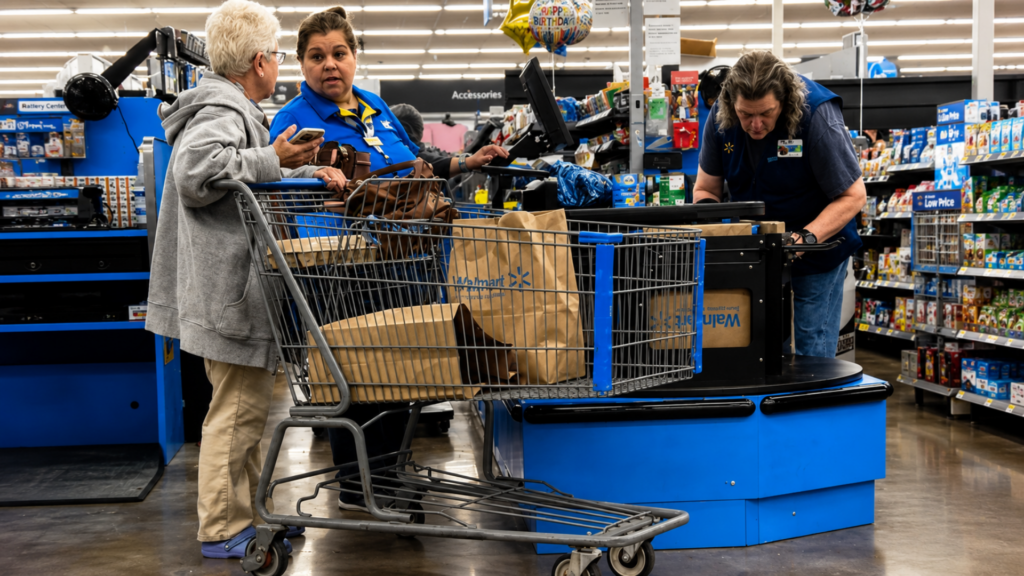
Code Brown is not an isolated alert. It exists inside a larger system of coded phrases that Walmart staff use to communicate emergencies discreetly over the intercom. Some of these codes address dangers just as serious as an active threat, while others handle far more mundane situations. Knowing the difference matters, because your response to a Code Red should look nothing like your response to a Code Sam.
Code Adam is likely the most widely recognized of these alerts across the retail industry. Walmart developed it in 1994 to signal a missing child inside the store, and many other retailers have since adopted the same code. Code White covers medical emergencies serious enough to require assistance, such as broken bones or burns, not minor cuts or scrapes that don’t need immediate intervention.
Several other codes handle physical hazards inside the store. Code Orange refers to chemical spills or hazardous materials. Code Red means there is an active fire somewhere on the premises. Code Blue signals a bomb threat serious enough to require full evacuation. Each of these codes exists to move staff and customers toward safety quickly, without the panic that a direct announcement might cause.
A Tornado Warning Sounds Just Like Any Other Code Over the Intercom
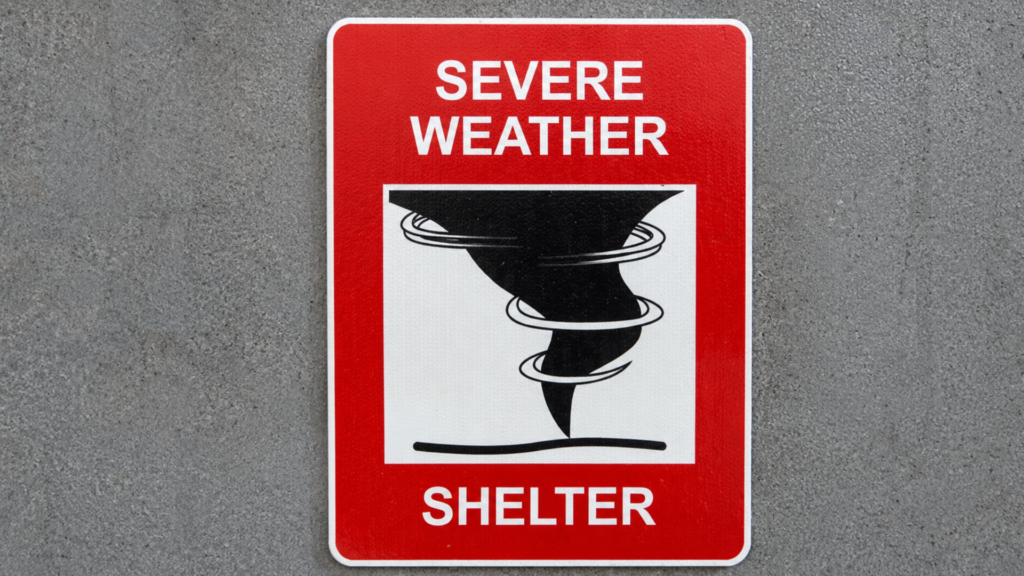
Severe weather gets its own coded alert too. Code Black refers specifically to dangerous weather conditions, most commonly a tornado warning, and it directs customers toward designated shelter areas inside the store. That single phrase can mean the difference between shoppers calmly continuing to browse and shoppers moving toward safety before a storm actually arrives outside the building’s walls.
Not every code on Walmart’s list points to danger. Code Sam prompts employees to approach the nearest customer and ask if they need help, echoing the store’s well-known “10-foot rule,” where staff are trained to greet and engage with any customer within ten feet of them. It’s a small, friendly reminder buried among alerts for fires, threats, and missing children.
That range, from tornado warnings to customer service reminders, shows just how much communication happens quietly over a store’s intercom system every single day. Most shoppers walk through a Walmart without ever registering these codes at all. But for employees, each phrase carries a specific, practiced response that most customers never notice unless they know exactly what to listen for.
The Safest Response to Any Emergency Code Is the Simplest One
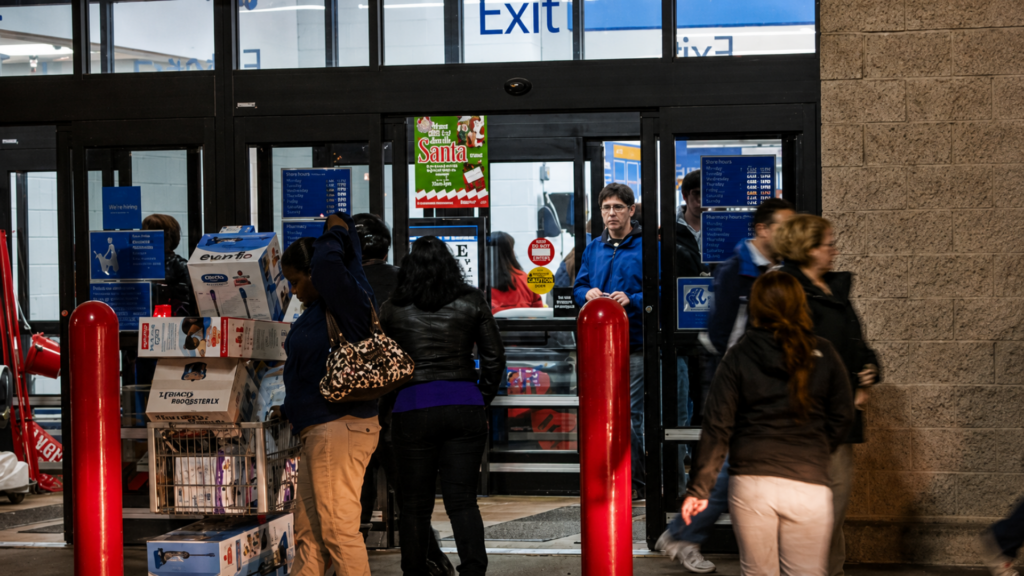
Situations tied to Code Brown or Code Green can range dramatically in severity. It might be a belligerent customer threatening an employee with a knife. It could be an armed and dangerous individual inside the store. There is no way for a shopper to know which scenario they’re facing just from hearing a phrase over the intercom, which is exactly why the recommended response stays the same regardless of the details.
Leave your cart behind. Move away from the area calmly if it’s safe to do so. Follow instructions from store personnel or emergency responders once they arrive. Pantry essentials and a half-finished shopping list mean nothing compared to getting yourself and your family to a safe location as quickly as possible during an unfolding emergency.
Most trips to Walmart end exactly the way they started: routine, forgettable, uneventful. That is precisely why these codes exist quietly in the background rather than as public knowledge. The moment they matter is rare, but rare does not mean impossible. Knowing that a seemingly harmless phrase like Code Brown could signal real danger is not paranoia. It’s the kind of awareness that costs nothing until the one day it matters most.