


Products are selected by our editors, we may earn commission from links on this page.

If you’ve ever walked past a group of teenagers and felt like you wandered into a foreign language class, you’re not alone. Gen Z, generally defined as anyone born from the late 1990s through the early 2010s, has built a sprawling vocabulary of slang that shifts practically by the month. Some words fade fast. Others, like the viral “6 7” chant that took over classrooms and TikTok in 2025, spread so widely that even NPR sent a reporter to investigate what it actually means. Spoiler: it doesn’t mean much of anything, and that might be the whole point.
The Viral Phrase That Has Adults and Teachers Completely Stumped
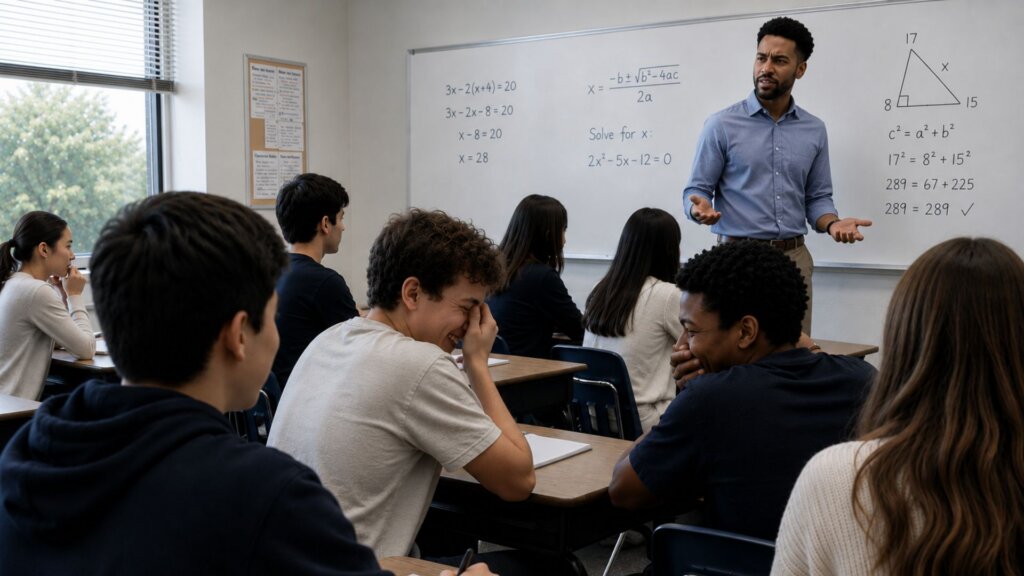
Say the numbers six and seven out loud to a group of middle schoolers and watch what happens. Chances are they’ll repeat it back, add a little hand gesture that looks like weighing invisible objects, and burst into laughter. The phrase exploded across schools nationwide in 2025, with teachers reporting they could barely finish a math lesson without students shouting it. According to NPR’s reporting, the trend has no real definition. It isn’t tied to a joke, a story, or a reference. It’s simply something kids say because everyone else is saying it, and that shared repetition is exactly what makes it fun.
Where the Numbers Actually Came From

The origin traces back further than most people realize. NPR intern Sanidhya Sharma first encountered the phrase in connection with NBA player LaMelo Ball, who stands six feet seven inches tall and became the target of “6 7” jokes on TikTok. From there, the phrase detached completely from basketball and took on a life of its own. Kids began using it anywhere the numbers appeared, whether in a grocery total, a locker combination, or a page number in class. The randomness became the appeal, turning an obscure sports reference into a phrase with no fixed meaning at all.
Why Meaningless Trends Spread Faster Than Ones That Actually Make Sense
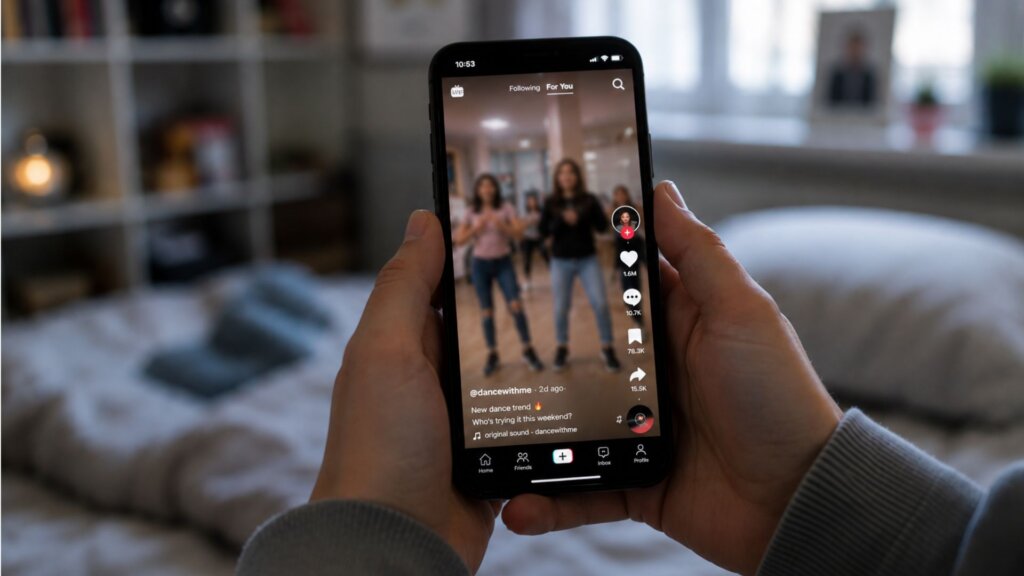
Researchers who study youth culture have a name for this kind of trend. Dr. Yalda T. Uhls of UCLA’s Center for Scholars and Storytellers describes it as a form of playful randomness that functions as a bonding tool and a signal of belonging among peers. Because “6 7” carries no real content, there’s nothing to misunderstand or explain to outsiders, which lets it travel across countries and languages without losing anything in translation. Professor Rebekah Willett of the University of Wisconsin-Madison points out that kids’ slang has always spread this way, just slower before the internet sped everything up.
Kids’ Slang Has Always Traveled This Way, Just Slower

Passing down cool new words between kids is nothing new. Willett recalls learning slang in the 1970s from a cousin who visited each summer. Before smartphones, trends moved through cousins, camp friends, and playground exchanges, often taking months to reach new regions. Now a phrase can circle the globe in days. Sharma, who grew up in New Delhi, remembers the early 2010s meme “Dat Boi” reaching Indian classrooms and being reworked into inside jokes far removed from its American origin. The mechanism hasn’t changed much. Only the speed has.
Ten Everyday Gen Z Words Worth Knowing

Beyond viral chants, plenty of Gen Z slang has settled into daily use. A “glow up” describes a major positive transformation, while calling someone the “CEO” of something means they’ve mastered it. “No cap” signals total honesty, and “cap” alone means a lie. “High key” emphasizes something openly, the opposite of doing it quietly. “Drip” refers to a standout personal style, and a “snack” describes someone attractive. “Bet” simply means yes or agreed. “Sus” is short for suspicious, and “touch grass” tells someone to step away from their screen and rejoin the real world.
Ten More Terms That Show Up in Everyday Conversation
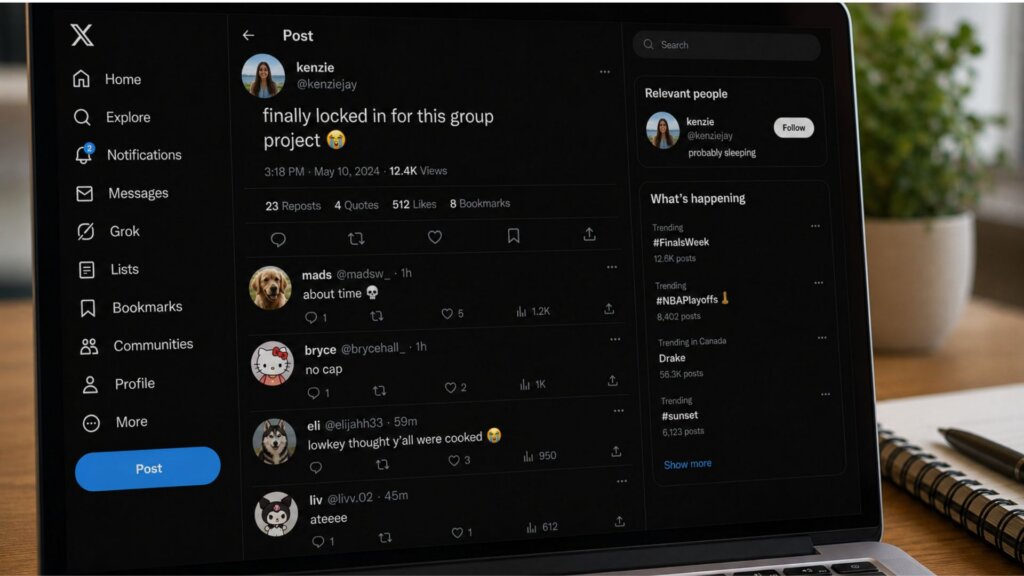
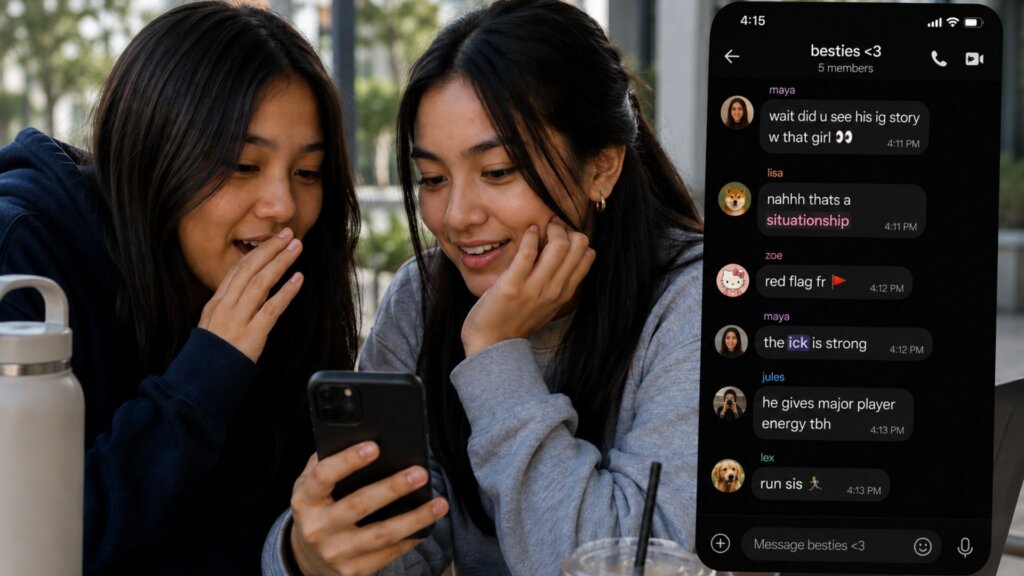
The list keeps growing. “Main character” describes someone naturally charismatic or the center of attention in a moment. “Delulu,” short for delusional, is often used lightheartedly about unrealistic hopes. “Ick” refers to a sudden loss of attraction triggered by a small habit. “Situationship” describes a romantic connection without a clear label. “It’s giving” introduces a vibe or aesthetic, as in “it’s giving nostalgia.” “Era” marks a defined phase of someone’s life or interests. “Gatekeep” means withholding information to keep something exclusive, while “red flag” warns of concerning behavior, usually in dating. “Real” simply confirms agreement, and “bussin” praises good food.
Adults Are Struggling to Keep Up, and There’s a Reason Why
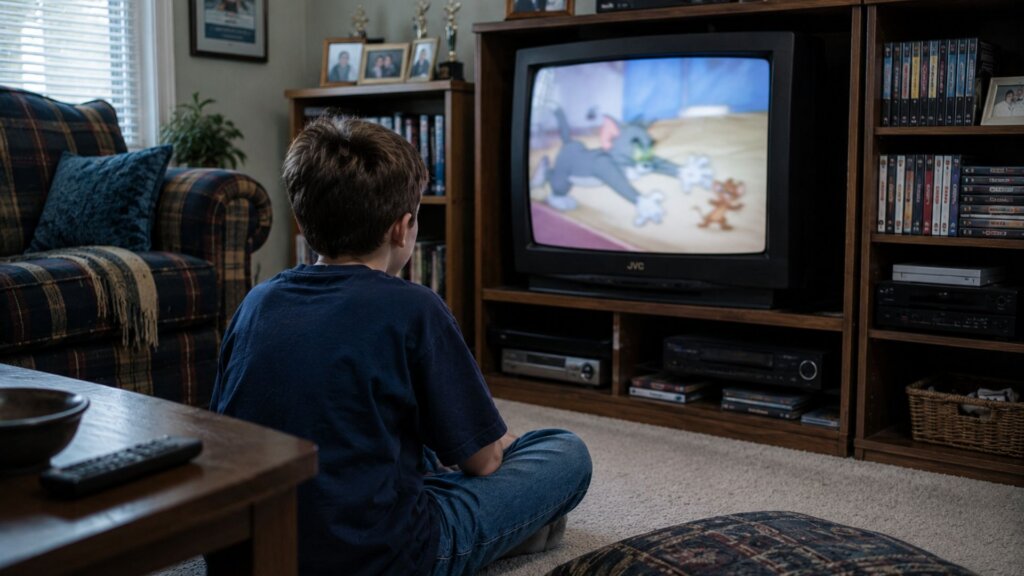
Part of what makes today’s slang harder for parents to track is a shift in where kids’ culture actually lives. Anna North, a senior correspondent at Vox who covers youth trends, notes that when television was the shared screen, parents could see what kids were watching simply by walking past the room. Phones changed that dynamic entirely, giving kids a private window into trends parents never see coming. Combined with constant online scrutiny of their generation, from viral criticism to nonstop tracking apps, researchers say kids are drawn to slang precisely because it creates a space adults can’t easily enter.
Slang Gives Kids a Small Piece of Privacy in a Very Public World

Willett compares kids’ culture to grass growing between paving stones, small pockets of creativity and independence that emerge within the structure adults build around their day. North makes a similar point, suggesting that in an era of heavy digital surveillance, having a phrase or joke that adults simply don’t get feels less like being excluded and more like reclaiming a little control. That may explain why trends like “6 7” thrive specifically because they resist explanation. The moment a trend gets fully decoded by outsiders, much of its appeal quietly disappears.
The Real Takeaway Behind All This Slang
Slang has never really been about the words themselves. It’s about who understands them and who doesn’t. Middle schoolers interviewed by NPR mentioned hearing early talk of a “great meme reset” expected in 2026, when current trends fade, and older references make a comeback. Whether or not that happens, one thing is consistent across generations: new phrases will keep appearing, old ones will keep cycling back, and staying current is less important than understanding the pattern. Language evolves fastest among the young, and that’s exactly how it’s supposed to work.