


Products are selected by our editors, we may earn commission from links on this page.

As the United States enters another potentially active hurricane and severe weather season, the White House has reportedly begun reversing some of the cuts and policy changes that weakened the Federal Emergency Management Agency (FEMA). The shift comes after months of proposals to shrink, restructure, or even phase out parts of the agency, raising concerns among emergency management experts and lawmakers. With hurricanes, floods, wildfires, and tornadoes threatening communities across the country, officials are now scrambling to ensure FEMA can respond effectively when disasters strike. Reports suggest the administration is attempting to restore staffing, funding, and preparedness efforts that had previously been reduced.
Trump Previously Called for FEMA to Be Scaled Back
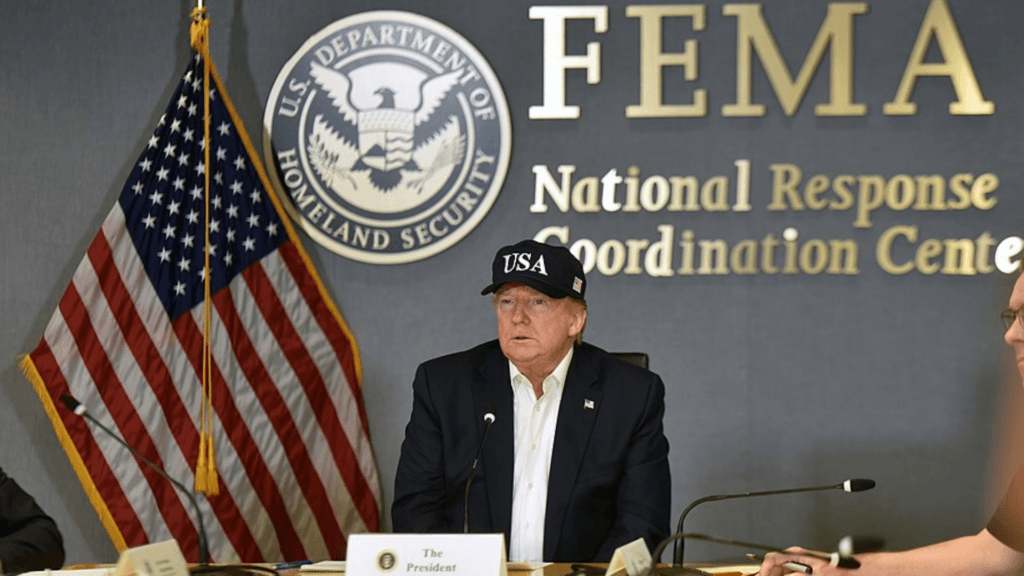
One of the biggest sources of controversy has been President Donald Trump’s long-standing criticism of FEMA. Trump has repeatedly argued that states should take greater responsibility for disaster response and has suggested that FEMA’s role should be significantly reduced. In 2025, he stated that his administration wanted to begin “phasing out” FEMA after hurricane season and shift more responsibility to state governments. Those comments sparked alarm among emergency management professionals who warned that many states lack the resources to handle major disasters without federal support.
Plans Emerged to Dramatically Restructure the Agency
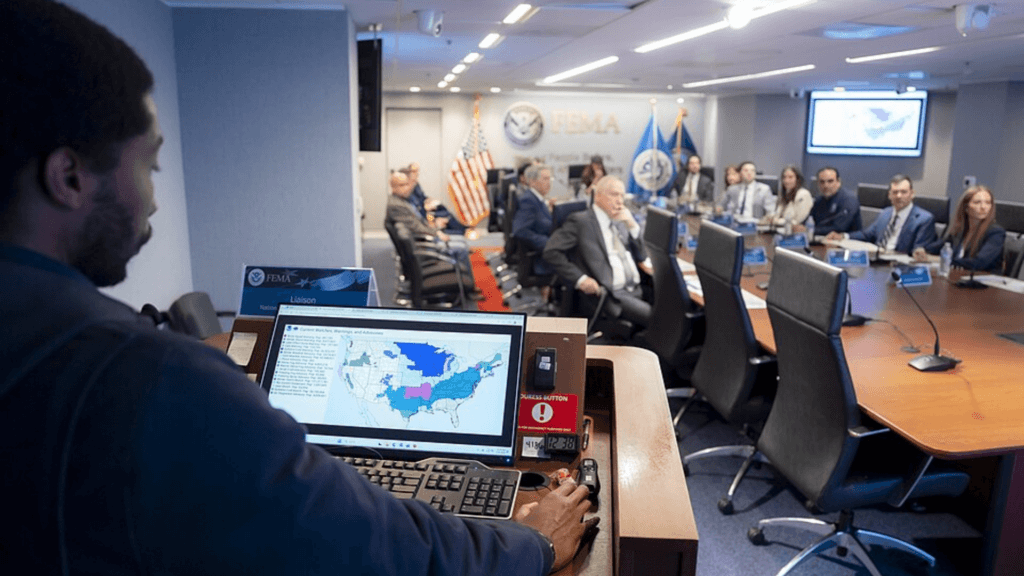
Documents and reports revealed that administration officials explored major changes to FEMA’s structure and mission. A March memorandum reportedly examined ways to dramatically reduce the federal government’s disaster response role, including limiting certain forms of aid and shifting more responsibilities to states. Additional proposals considered reducing FEMA’s workforce and restructuring key programs that communities rely on after hurricanes, floods, and other emergencies. Critics argued that such changes could weaken the nation’s disaster preparedness capabilities.
Staffing Reductions Raised Preparedness Concerns

One of the most controversial proposals involved significant staffing cuts. Draft recommendations reviewed by multiple news organizations suggested reducing FEMA’s workforce by thousands of employees, with some plans reportedly envisioning cuts of up to 50 percent. Emergency management experts warned that FEMA was already dealing with staffing shortages and that further reductions could slow disaster response efforts, delay aid distribution, and increase recovery times for affected communities.
Officials Are Now Rehiring and Restoring Operations

As concerns mounted, reports indicated that the administration began quietly restoring some of FEMA’s capabilities. Previously dismissed employees have reportedly been rehired, funding approvals have resumed, and preparations for the upcoming storm season have accelerated. According to reports, officials recognized that entering hurricane season with a weakened FEMA could create significant political and operational risks if a major disaster were to occur. The reversal has been viewed by some observers as an acknowledgment that FEMA remains essential to national disaster response efforts.
Hurricane Season Is Increasing the Pressure
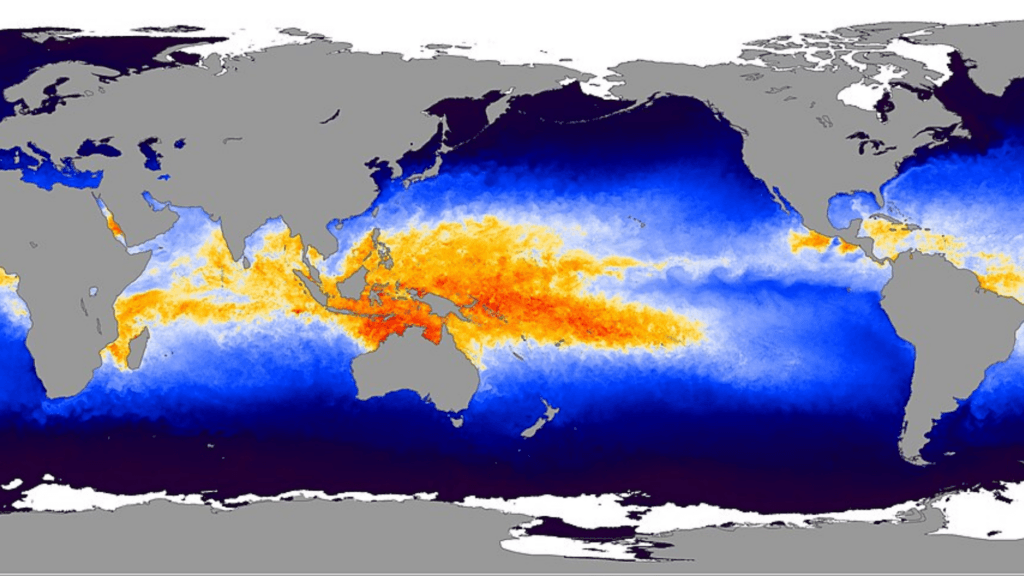
The timing of the reversal is particularly significant because the Atlantic hurricane season presents some of the country’s most expensive and destructive natural disaster risks. FEMA plays a critical role in coordinating federal assistance, distributing emergency funds, supporting evacuation efforts, and helping communities rebuild after storms. Experts warn that weakening disaster response capabilities immediately before peak hurricane season could leave millions of Americans vulnerable. The growing threat of extreme weather has only intensified calls for maintaining a strong federal emergency management system.
FEMA Funding Programs Have Also Been Affected
Beyond staffing issues, FEMA’s grant and mitigation programs have also faced uncertainty. One notable example involved the Building Resilient Infrastructure and Communities (BRIC) program, which helps states and local governments prepare for disasters before they happen. After the program was canceled and later challenged in court, FEMA resumed it and reopened approximately $1 billion in funding opportunities. Supporters argue that disaster prevention investments often save taxpayers money by reducing future recovery costs.
Critics Warn States Cannot Replace FEMA Alone
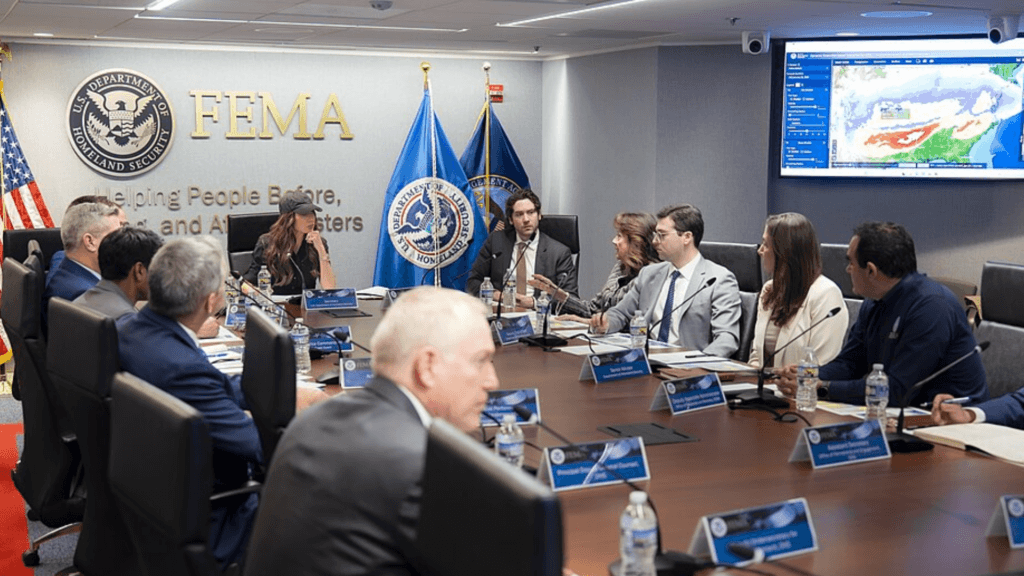
Many emergency management experts argue that state and local governments cannot fully replace FEMA’s resources, expertise, and logistical capabilities. While states handle much of the initial emergency response, FEMA often provides critical funding, personnel, equipment, and coordination during large-scale disasters. Critics of the proposed cuts say shifting too much responsibility to states could create uneven disaster responses across the country, particularly in poorer regions with limited emergency management budgets.
The Debate Reflects a Broader Fight Over Government’s Role
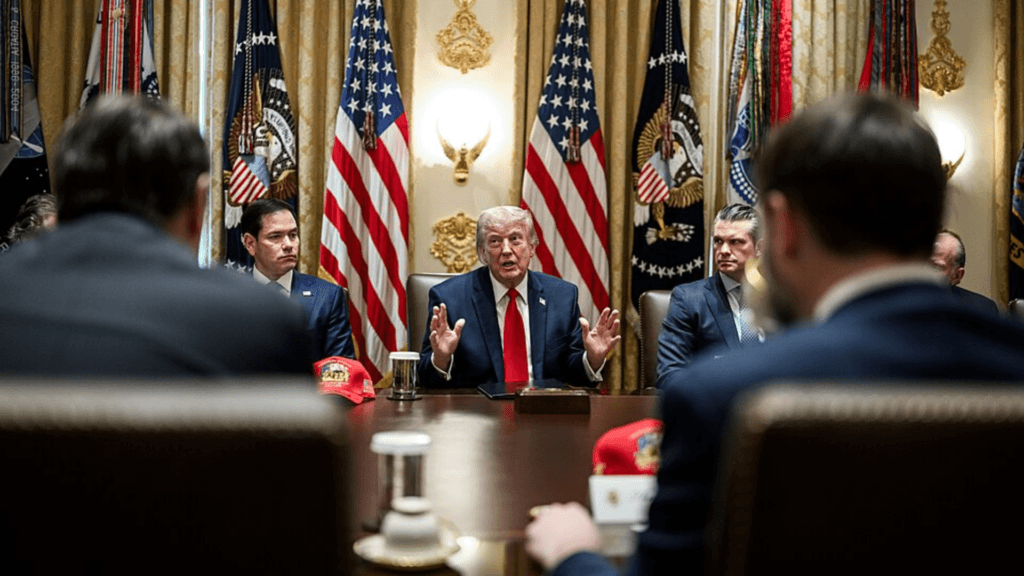
The controversy surrounding FEMA reflects a larger political debate about the federal government’s role in disaster recovery and public safety. Supporters of restructuring argue that states should have greater control over emergency response and that FEMA has become overly bureaucratic. Opponents counter that major disasters often overwhelm state resources and require coordinated federal assistance. Congress has also become involved, with some lawmakers proposing reforms that would strengthen FEMA rather than reduce its authority.
Storm Season Is Forcing a Reality Check

As hurricane season approaches, the White House appears to be reconsidering efforts that would have significantly reduced FEMA’s capabilities. Months of proposals to scale back the agency generated widespread concern among emergency management experts, lawmakers, and disaster-prone communities. The recent moves to restore staffing, funding, and preparedness efforts suggest that officials recognize the importance of maintaining a strong federal disaster response system. Whether FEMA ultimately faces major restructuring in the future remains uncertain, but for now, the approaching storm season has made disaster readiness an urgent national priority.