

Products are selected by our editors, we may earn commission from links on this page.
A controversial AI-generated image shared by “Star Wars” actor Mark Hamill ignited a fierce backlash online after depicting President Donald Trump lying in a grave beneath a tombstone reading “Donald J. Trump 1946–2024.” The image, posted to Hamill’s verified Bluesky account alongside the caption “If Only,” quickly spread across social media before being deleted.
Hamill expanded on the post with comments criticizing Trump and expressing hope that the president would eventually face political defeat and legal accountability. Critics, however, argued the imagery crossed a line by portraying the death of a sitting president, particularly amid heightened national tensions surrounding political violence and recent assassination threats against Trump.
The controversy escalated rapidly as screenshots circulated across major platforms, drawing reactions from political commentators, Trump supporters, and media outlets. The debate soon shifted beyond the image itself, becoming part of a larger national argument over political rhetoric, celebrity activism, and the growing use of AI-generated content in online discourse.
The White House Responds With Sharp Criticism
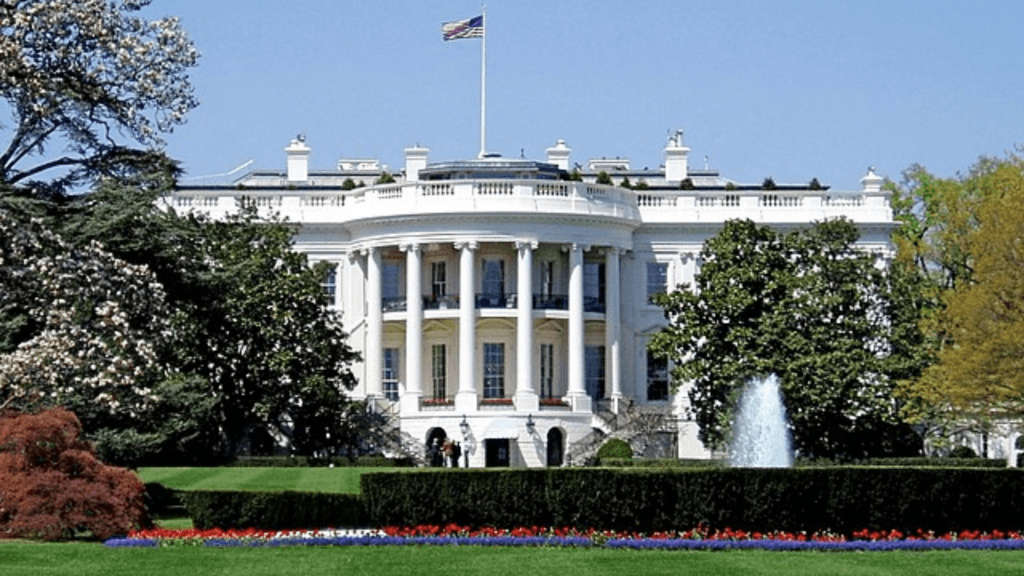
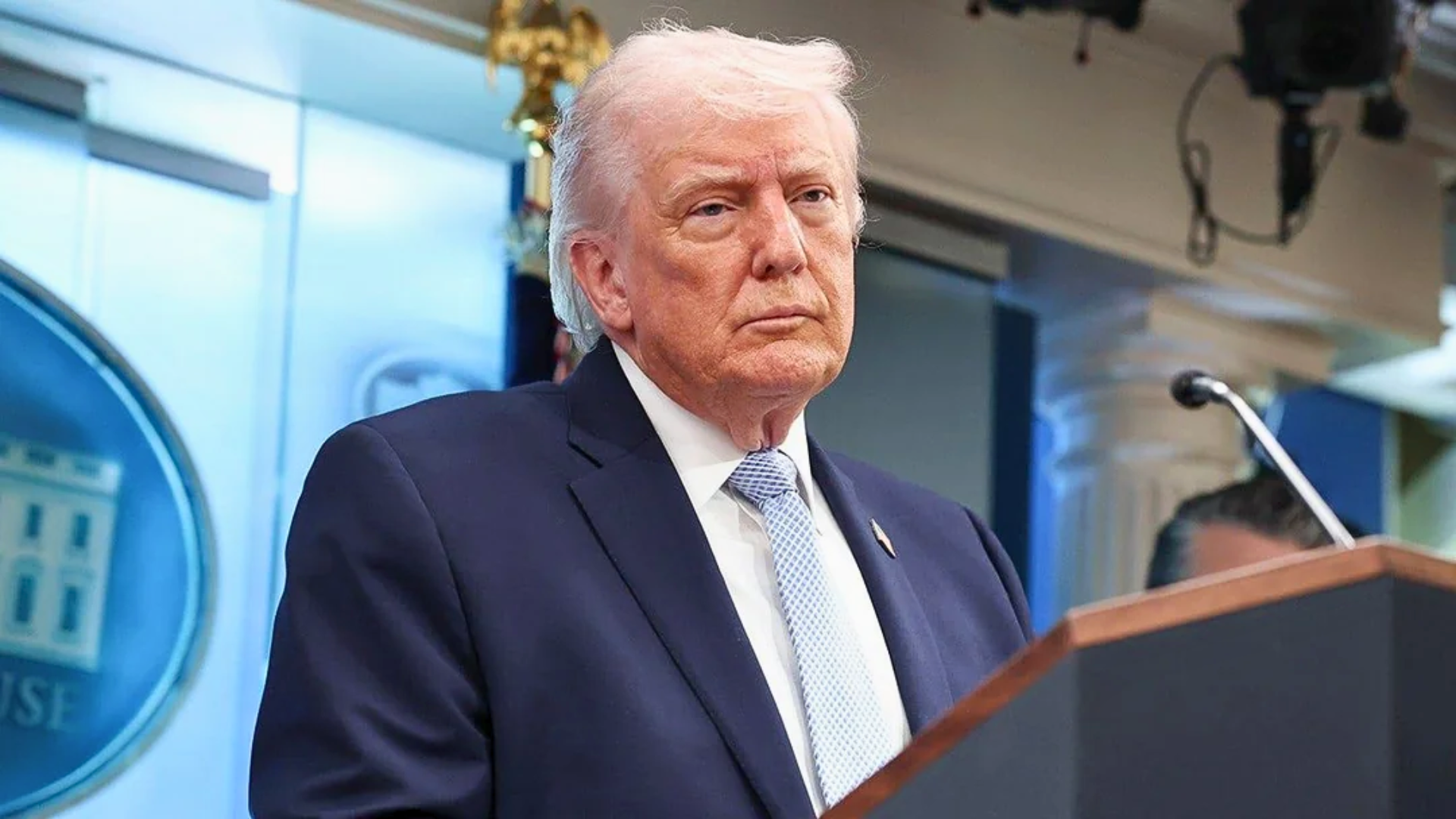
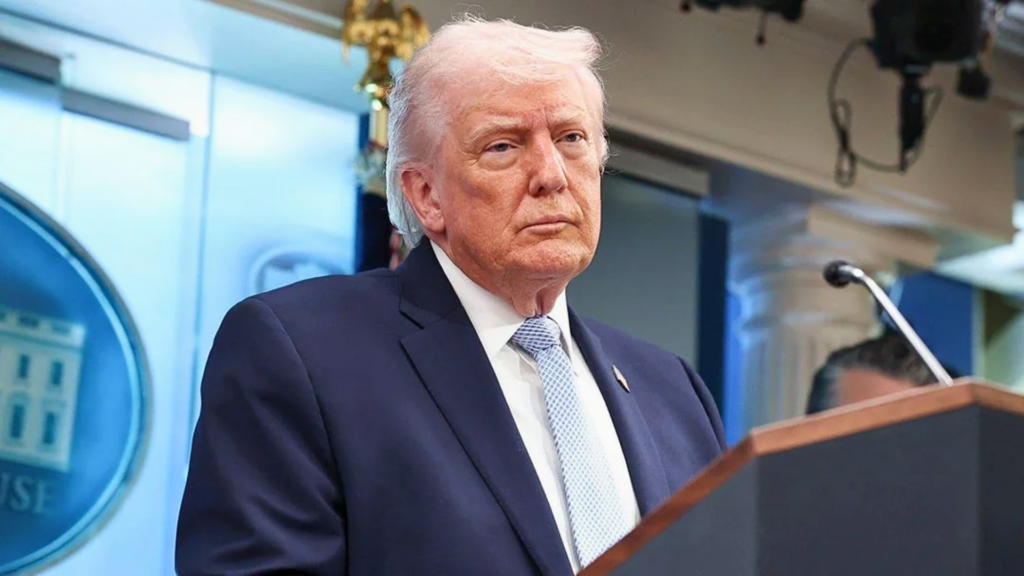
The White House issued an unusually direct response to Hamill’s post, condemning the actor and accusing him of contributing to dangerous political rhetoric. The administration’s Rapid Response account on X described Hamill as “one sick individual” and linked the type of imagery he shared to recent threats and assassination attempts involving Trump.
White House spokesperson Davis Ingle also criticized Hamill in statements to media outlets, pointing to the actor’s recent public appearance with former President Barack Obama during promotional events tied to the Obama Presidential Center. Ingle questioned why Democrats and Obama had not publicly condemned the post.
Administration officials emphasized that the backlash comes during an already tense political climate. Authorities recently charged a suspect accused of attempting to target Trump during the White House Correspondents’ Dinner in Washington, adding further sensitivity to discussions involving violent imagery or assassination references.
Hamill Deletes the Image and Issues an Apology
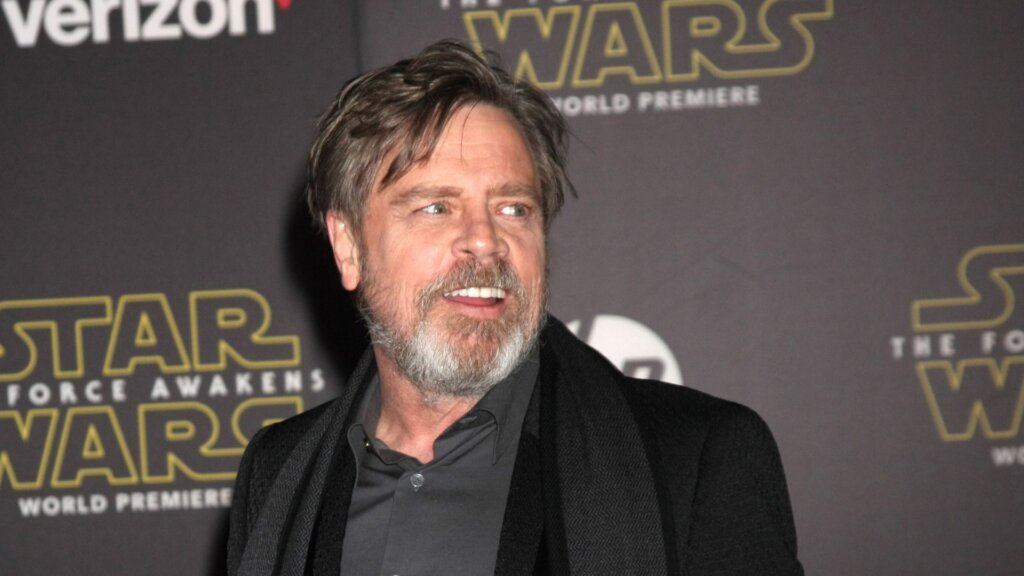
As criticism intensified, Hamill eventually removed the original post and published a revised message clarifying his intentions. In the updated statement, the actor said he was “wishing him the opposite of dead” and apologized to anyone who found the image inappropriate.
The replacement post omitted the grave imagery entirely and instead featured an unflattering photograph of Trump while repeating Hamill’s broader criticism of the President. Although some supporters defended Hamill’s explanation as political satire, others argued the apology did little to ease concerns about increasingly hostile online rhetoric.
Hamill, who has frequently criticized Trump and supported Democratic politicians publicly, has become one of several high-profile entertainment figures drawn into heated political disputes in recent years. The actor has often used social media to comment on elections, culture-war issues, and Trump administration policies.
The Incident Fuels a Wider Debate Over Political Rhetoric
The dispute involving Hamill also revived broader debates over political commentary in entertainment and media circles. The controversy follows recent backlash against late-night host Jimmy Kimmel after jokes involving Melania Trump prompted criticism from White House officials and the First Lady herself.
Supporters of tougher rhetoric restrictions argue that increasingly hostile language online can contribute to real-world threats and deepen political polarization. Others contend public figures should retain broad free speech protections, even when their comments are provocative or offensive. The rise of AI-generated imagery has added another layer to those concerns, making fabricated visuals more realistic and easier to spread rapidly across social platforms.
The clash between Hamill and the White House ultimately reflects how entertainment, politics, and internet culture have become deeply intertwined in modern public life. What began as a controversial social media post quickly evolved into a national conversation about free expression, political responsibility, and the role celebrity voices now play in shaping online discourse.