

Products are selected by our editors, we may earn commission from links on this page.
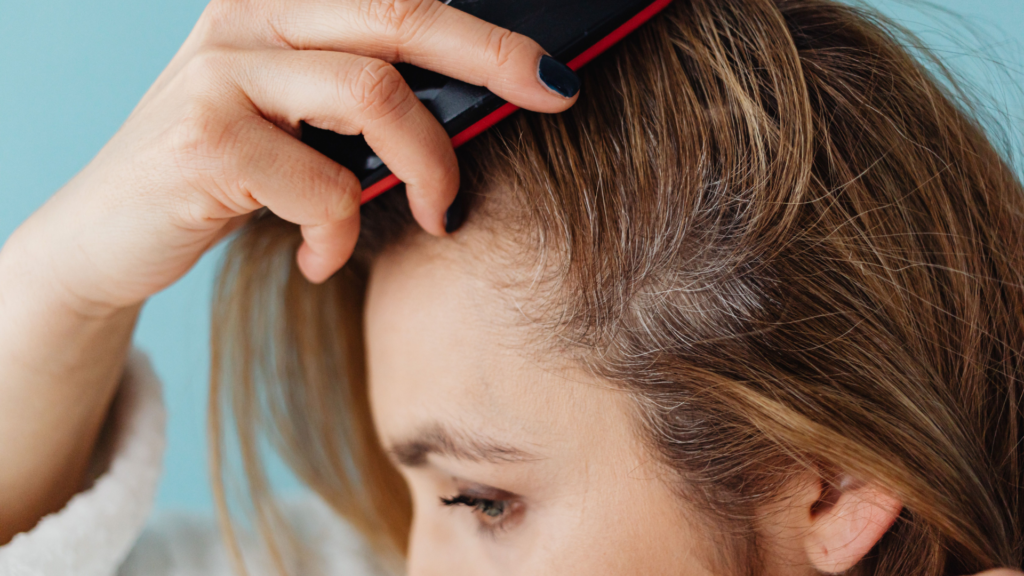
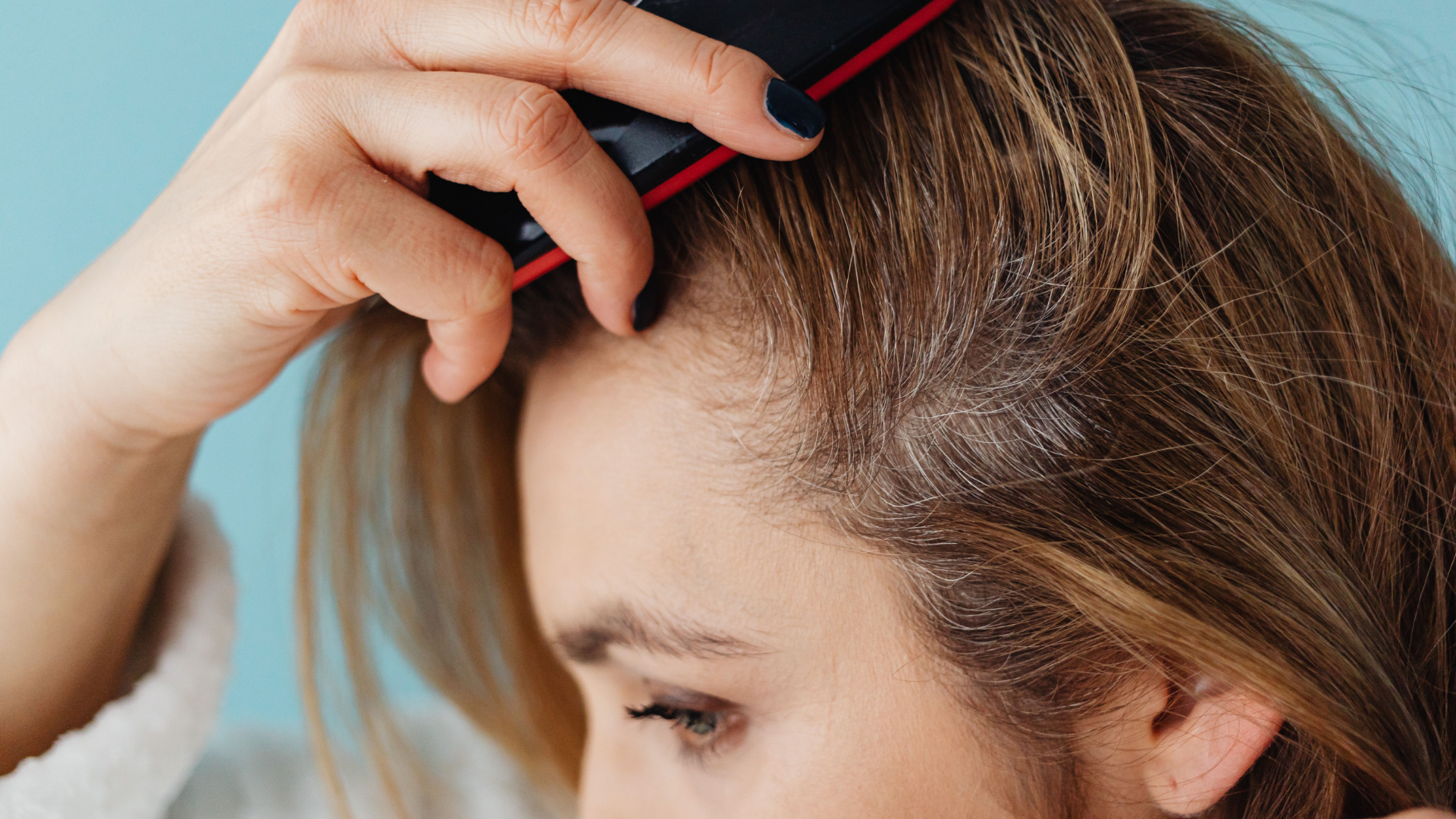
Hair loss in women may feel like it’s suddenly everywhere, but experts say it has always been remarkably common. About one-third of women experience hair loss at some point, and by age 50, up to 40% may have noticeable thinning. What appears to be changing is the number of women seeking help, alongside modern factors such as rapid weight loss, nutritional changes, chronic stress, and greater awareness that hair loss is something worth discussing with a specialist.
More Women Are Finally Talking About Hair Loss
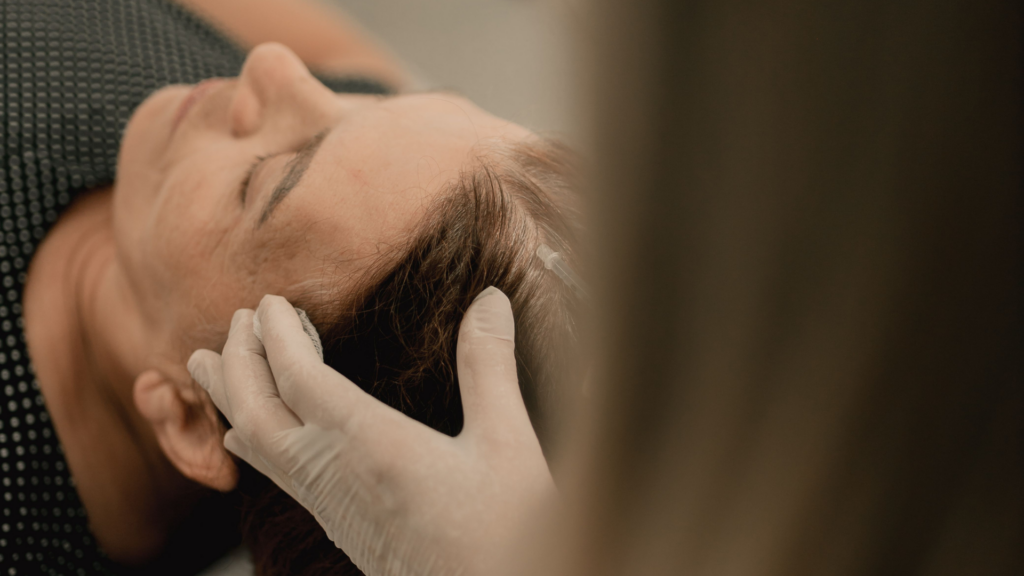
One reason hair loss seems more widespread today may simply be that fewer women are suffering silently. Experts interviewed by Yahoo say clinics are seeing more patients as women become increasingly willing to discuss shedding and seek professional help rather than treating it as an embarrassing cosmetic issue. Social media and broader conversations about women’s health have also made thinning hair much more visible than it was in previous generations.
Rapid Weight Loss Can Trigger Significant Shedding

Rapid weight loss can place the body under metabolic stress, and hair production may become a lower priority when the body believes resources are limited. This can push more follicles into a resting phase before the affected hairs eventually shed, often several months after the initial trigger. The American Academy of Dermatology similarly lists losing 20 pounds or more among events associated with excessive shedding known as telogen effluvium.
GLP-1 Medications Have Added a New Factor

The growing use of GLP-1 weight-loss medications may be contributing to the increase some specialists are seeing, although the relationship is often more complicated than blaming the medication itself. Experts say rapid weight loss and significantly reduced food intake can make it harder to consume enough protein, iron, vitamin B12, vitamin D, zinc, and other nutrients needed to support normal hair growth. Hair follicles are highly active, so nutritional or metabolic stress can eventually show up as increased shedding.
Hormonal Changes Can Affect Hair During Midlife
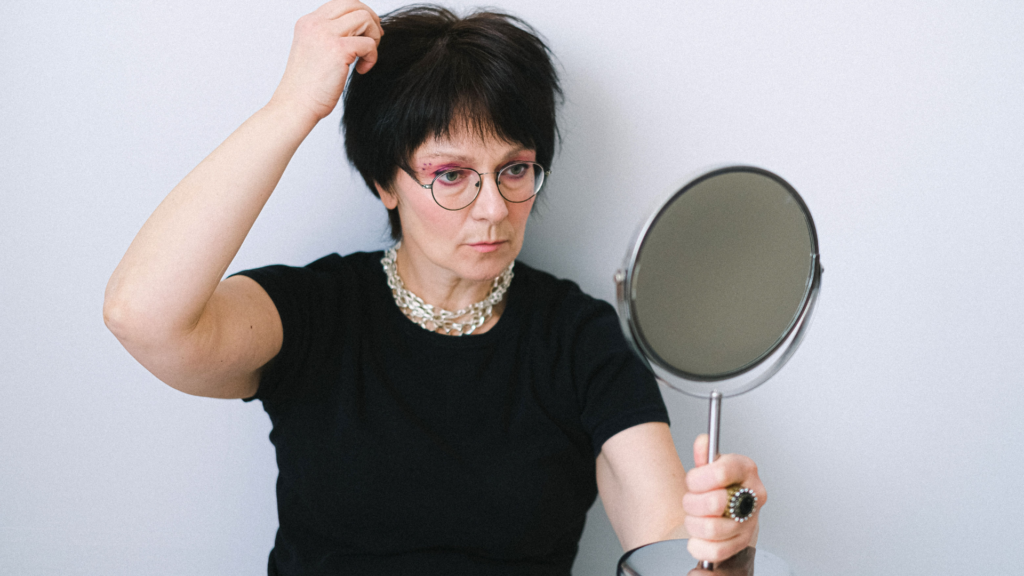
Perimenopause and menopause can also change the way hair grows because estrogen, a hormone that helps support the hair-growth cycle, begins fluctuating and eventually declines. Experts say this can shorten the growth cycle and contribute to finer strands, increased shedding, and reduced regrowth. Female pattern hair loss also commonly becomes noticeable during a woman’s 40s, 50s, or 60s, although it can begin earlier.
Chronic Stress Can Show Up Months Later in Your Hair

Periods of intense or prolonged stress can push a larger-than-normal number of hair follicles out of their active growth phase and toward shedding. The frustrating part is that the hair loss may not become obvious until two or three months after the stressful event, making the connection easy to miss. Illness, surgery, childbirth, major emotional stress, and other physical or psychological disruptions can all trigger this type of excessive shedding.
Nutrition Matters, but Supplements Aren’t Always the Answer

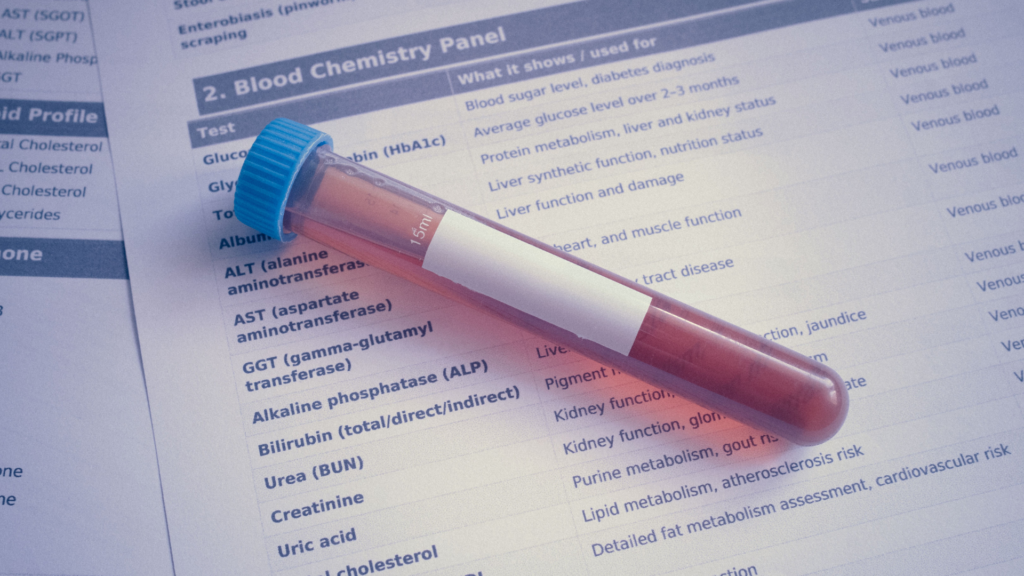
Hair follicles need adequate nutrition, so deficiencies involving iron, zinc, protein, and certain vitamins can contribute to noticeable hair loss in some people. However, that does not mean everyone experiencing thinning should immediately start taking hair supplements, because the underlying cause may have nothing to do with a deficiency. Dermatologists recommend using blood tests to identify actual deficiencies before taking high doses of nutrients such as iron or zinc, since unnecessary supplementation can also cause harm.
Hair Loss Is Often Caused by Several Things at Once
Experts caution against assuming that one stressful month, one dietary change, or one hormone is responsible for every case of thinning hair. Multiple factors can overlap, such as perimenopause occurring alongside stress, rapid weight loss, nutritional deficiencies, thyroid problems, or an inherited tendency toward female pattern hair loss. That complexity is why a personalized evaluation can be more useful than choosing a treatment based on what worked for someone else online.
The Right Diagnosis Should Come Before Treatment

Different forms of hair loss can look surprisingly similar, so experts recommend determining what is actually happening before investing in treatments, supplements, or expensive serums. A dermatologist who specializes in hair and scalp disorders may use a scalp examination, medical history, and blood testing to distinguish excessive shedding from female pattern hair loss or an underlying health issue. Even minoxidil, the best-known FDA-approved treatment for female pattern hair loss, may not address the underlying cause of every person’s shedding.
Hair Regrowth Takes Time, but Many Causes Can Be Addressed

Seeing more hair in the shower or noticing a thinner ponytail can be alarming, but increased shedding does not automatically mean the loss will be permanent. Once an underlying trigger is identified and addressed, experts say improvement may take three to six months to become noticeable because hair grows in long biological cycles rather than changing overnight. With hair loss becoming less stigmatized and more women seeking professional care, the apparent rise may ultimately help more people identify the cause and find an appropriate treatment sooner.