

Products are selected by our editors, we may earn commission from links on this page.
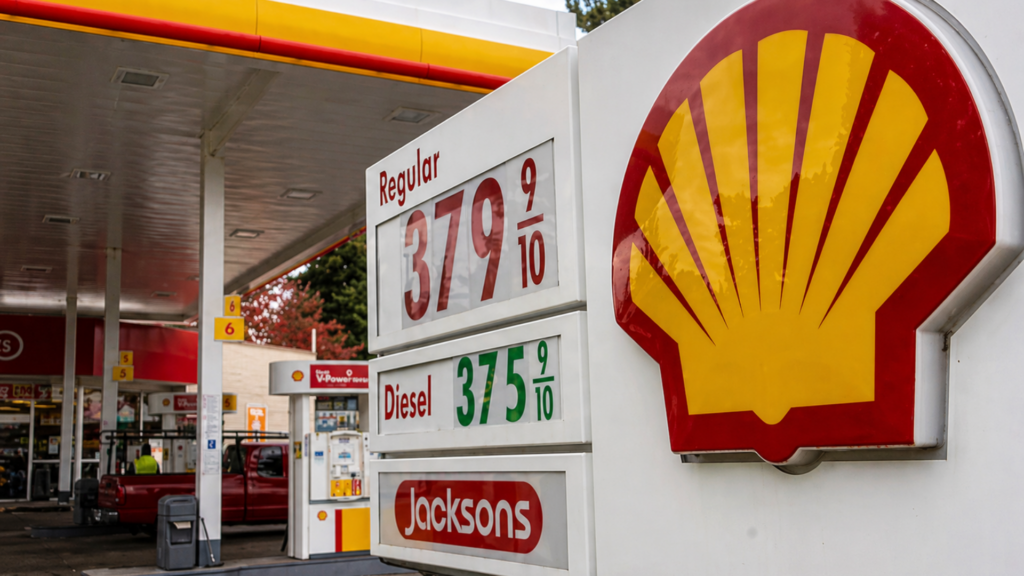
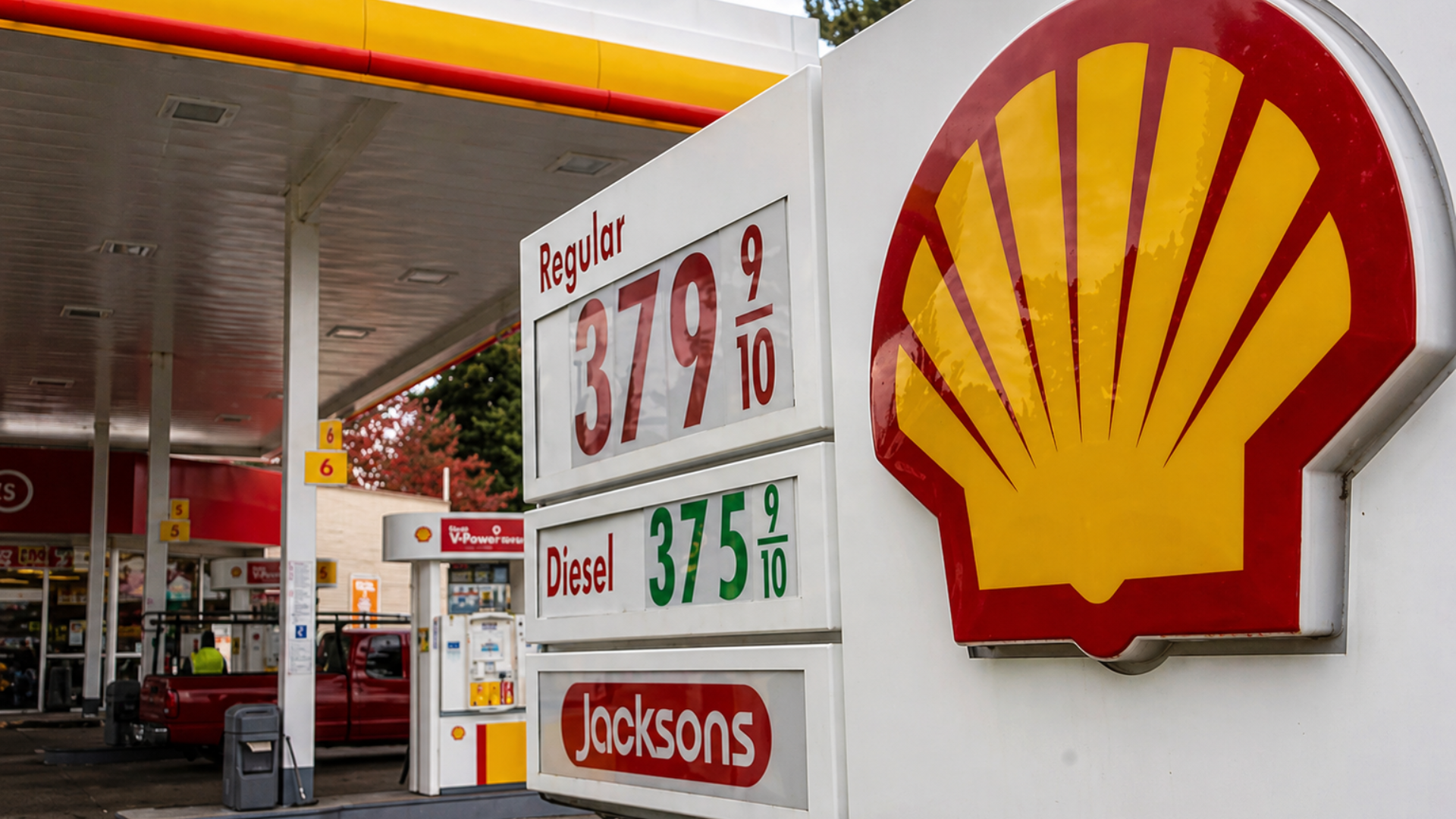
Americans are paying more than $4 a gallon for gasoline right now, the highest average price in four years, driven in part by the war in Iran pushing global oil markets higher. That feels painful at the pump. But drivers in Germany paid an average of $8.75 a gallon in March. Mexicans paid $5.07. South Koreans and most other developed nations paid more than Americans as well. The gap is not an accident, and it is not primarily about domestic oil production. It comes down to one factor more than any other: taxes.
According to S&P Global Energy, the United States government charges one of the lowest fuel tax rates in the world. American consumers paid an average of $3.64 a gallon in March, with only about 60 cents of that total made up of federal and state taxes combined. By contrast, in most European countries, taxes account for 50% to 60% of the retail price of fuel, according to Rob Smith, S&P Energy’s director of global fuel retail. That structural difference in how governments tax gasoline explains the majority of the price gap that American drivers see when they compare their receipts to those of drivers abroad.
The United States also benefits from producing more oil than any other nation in the world, a position that insulates it more than most countries from global supply shocks. That production base matters, particularly during periods of geopolitical disruption like the current conflict. But production volume alone does not explain why American gas prices remain below those of peer nations even in stable times. The tax structure is the more consistent and durable explanation, and understanding it requires looking at how different governments have historically decided to use fuel taxes and what purposes they have been designed to serve.
How Governments Use Fuel Taxes and Why the US Approach Is Different
In the United States, fuel taxes have historically served a narrow and specific purpose: funding the maintenance of roads and highways. The federal gas tax, which has not been raised since 1993, feeds into the Highway Trust Fund, which pays for infrastructure. State taxes follow a similar logic, with most states directing fuel tax revenue toward transportation infrastructure. The system is transactional in a straightforward way: drivers pay a tax, and that tax pays for the roads they drive on. The political resistance to raising gas taxes in the US has been strong and consistent for decades, keeping the rate low by international standards.
In Europe and many other developed countries, fuel taxes have historically served a much broader set of policy goals. Rob Smith of S&P Global Energy notes that other countries have used fuel tax revenue not only for road maintenance but also to fund public transportation systems and general government spending. Higher fuel taxes in Germany, France, and the United Kingdom have functioned as both a revenue source and, more recently, an environmental policy instrument, designed to discourage fossil fuel consumption and push consumers toward alternatives. That dual purpose has justified, politically, maintaining tax rates that would be considered extraordinary by American standards.
California represents the closest American parallel to the European model. The state has added carbon-related and environmental charges on top of standard fuel taxes, making California gas prices the highest in the continental United States. But even California’s approach remains considerably less extensive than what European governments apply. According to S&P Global Energy, such environmental fuel policies remain limited across the US and are far less developed than those in Europe. The federal government has not moved toward a carbon-linked fuel tax at the national level, leaving the US tax structure fundamentally unchanged in its basic design from decades past.
What the Numbers Look Like Country by Country
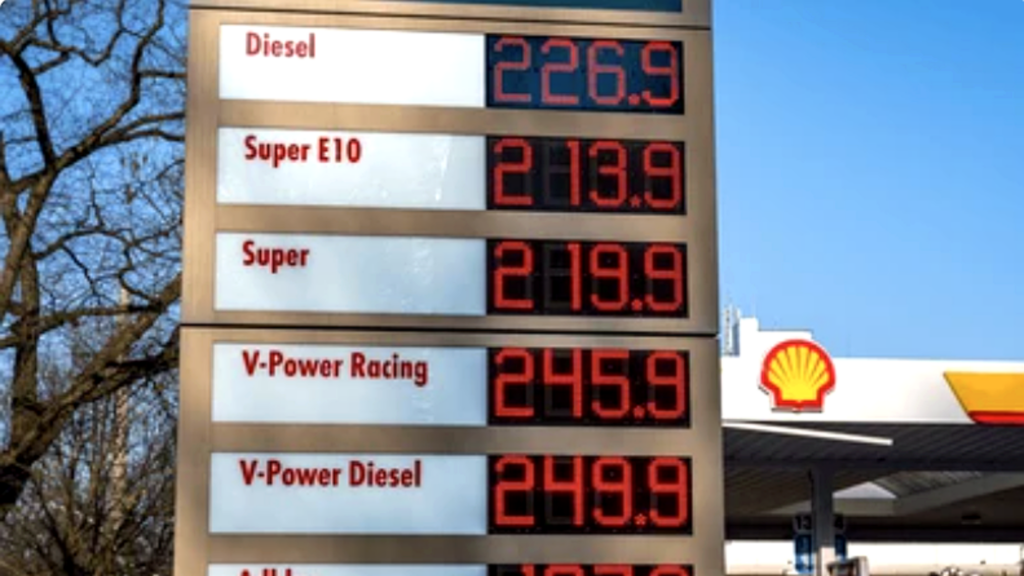
The German case is the most striking direct comparison available. Germans paid an average of $8.75 a gallon in March, more than double what American drivers paid at the same time. More than half of that German price came directly from value-added taxes and fuel excise duties, according to S&P Global Energy data. The fuel itself, before taxation, is priced on the same global market that American refiners access. The difference between $3.64 and $8.75 is almost entirely explained by what each government adds on top of that base price.
Mexico provides a different kind of comparison. At $5.07 a gallon in March, Mexican gas prices were higher than American prices despite Mexico being a neighboring country with its own oil production. Of that $5.07, nearly $2 was tax. The price difference is significant enough that Mexicans living near the US border regularly cross into Texas specifically to fill up their tanks in cities like El Paso and Brownsville. That cross-border fueling behavior is a direct and visible consequence of the tax differential, and it happens consistently enough that it has become a documented pattern rather than an occasional occurrence.
The average American drives approximately 13,000 miles per year, according to federal government data from the Federal Highway Administration. At that mileage, the difference between American and European gas prices translates into thousands of dollars annually for individual households. Americans are, as a result, particularly sensitive to gas price movements. A 50-cent increase at the pump generates significant public and political attention in the United States in a way that does not occur to the same degree in countries where fuel has always been taxed at a higher baseline. The sensitivity is shaped by the expectation of low prices, which itself was built by decades of low taxation.
What Higher Oil Prices and Global Disruptions Mean for Americans Going Forward
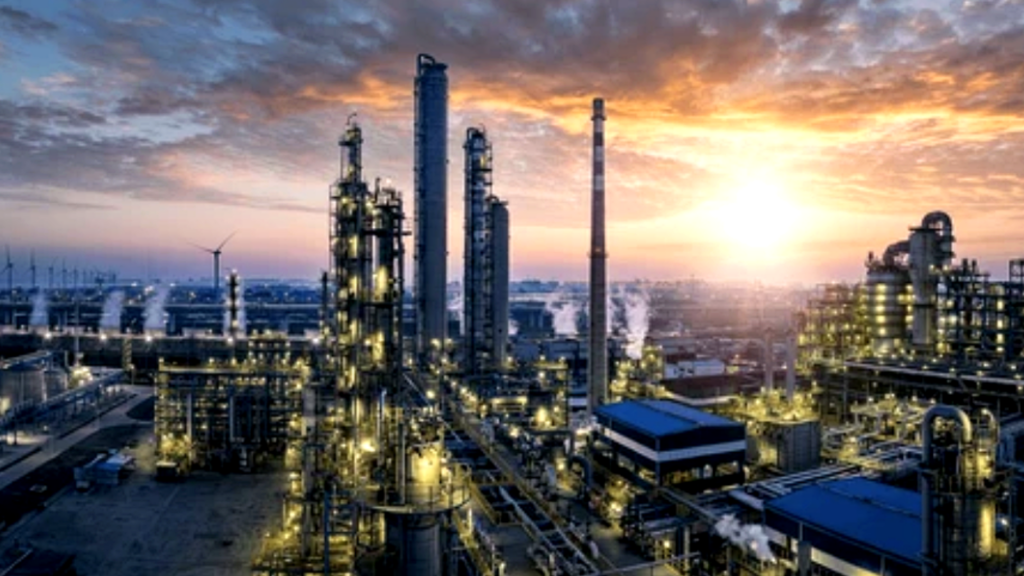
The current price increase above $4 a gallon is being driven by global oil market disruption tied to the Iran conflict, which has raised Brent crude prices and tightened supply chains affecting fuel availability in multiple regions. The United States is more insulated from those disruptions than most nations because it produces more oil than any country in the world, a position that has strengthened significantly since the domestic production constraints of the 1970s oil crisis. That production base does not make the US immune to global price movements, but it does mean American prices tend to spike less severely and recover faster than those of countries that depend heavily on imports.
The structural advantage of low fuel taxes also means that when global oil prices rise, American consumers absorb a smaller absolute increase than consumers in high-tax countries, because a larger share of the foreign price is fixed tax rather than floating commodity cost. A $1 increase in the underlying cost of a gallon of gasoline adds roughly $1 to an American’s pump price. In Germany, because the tax component is fixed in most cases, that same underlying increase also adds roughly $1 to the pump price, but German drivers are starting from a much higher baseline. The relative pain is comparable; the absolute numbers are very different.
Whether the US tax structure around gasoline will change in the coming years is an open political question. Road infrastructure funding from the Highway Trust Fund has faced recurring shortfalls as fuel efficiency improvements reduce the per-mile tax revenue collected from drivers. Electric vehicle adoption, while still a small share of the overall fleet, reduces gasoline consumption further. Some states and federal policymakers have discussed shifting toward mileage-based fees rather than fuel taxes to address that structural funding gap. For now, the combination of domestic production and low taxation keeps American gas prices below those of most developed nations even when global disruptions push them to multi-year highs.