

Products are selected by our editors, we may earn commission from links on this page.

A simple question about hobbies just exposed a generational divide. When 21-year-old Madison Taylor was asked what she does for fun, she skipped the usual answers entirely. No running. No hiking. No book clubs. Her video has now been viewed more than 5 million times, striking a nerve far beyond her own bedroom.
The Question Everyone Dreads
For Taylor, a content creator from San Diego, California, the question “what are your hobbies?” carries a familiar weight. She explained that people usually expect a specific kind of answer involving movement, achievement, or social activity. That assumption, she said, rarely matches her real life. Her honesty about the gap between expectation and reality set the stage for a much larger conversation about what counts as a hobby at all.
Filmed From the Sofa, Straight to the Point
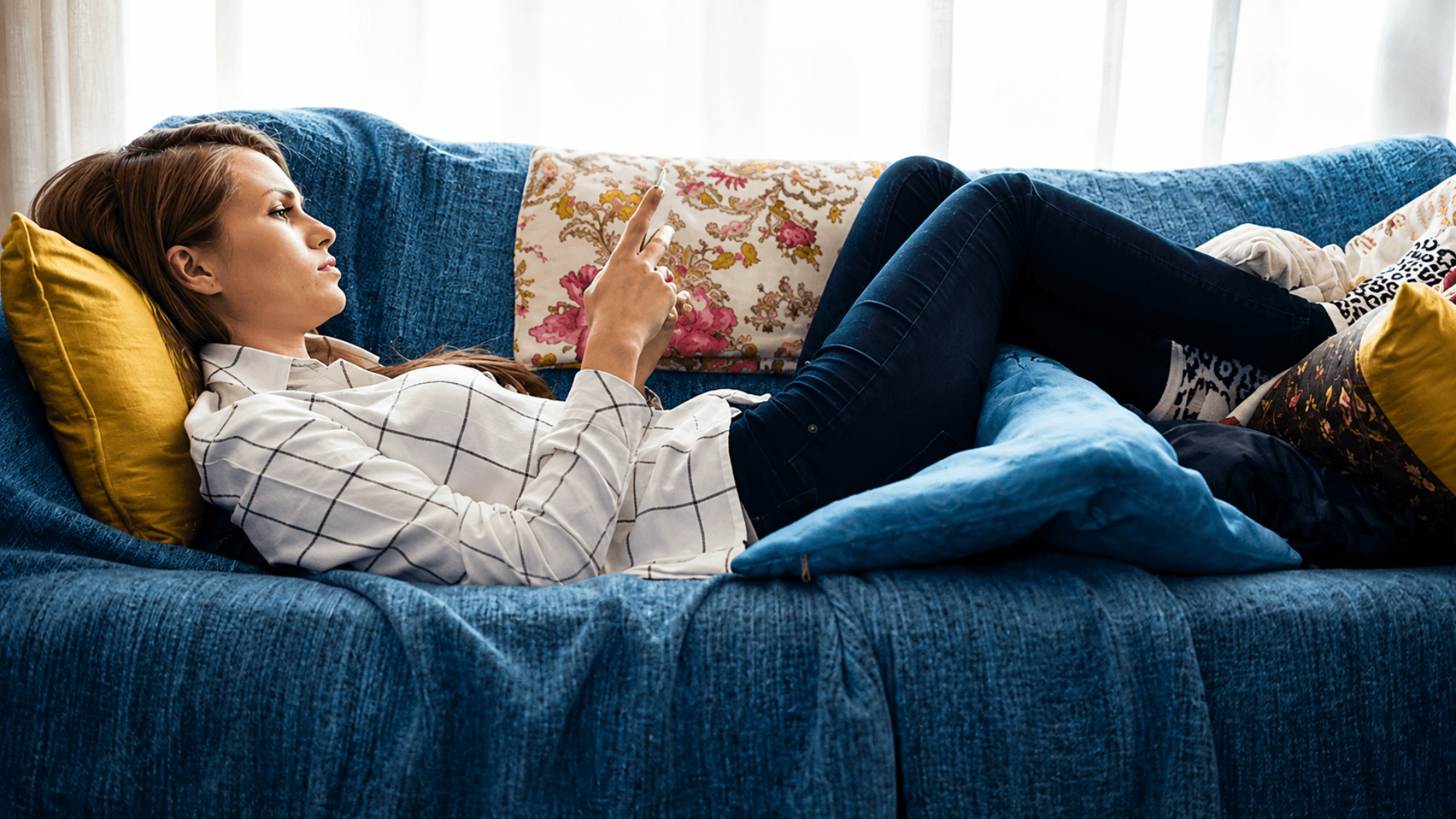
Taylor recorded her viral response right where she said she felt most herself: on her couch. She told viewers her real interests are simple. “Laying down, eating, chilling, and watching TikTok clips,” she said, describing her ideal day. The line that pushed the video over the edge came next.
“I’m Completely Content”
Taylor said she is fully satisfied “laying in my bed for eight hours a day and being far away from the public.” For many viewers, that sentence read less like an admission and more like a confession they had never said out loud themselves. It reframed rest not as laziness, but as a genuine preference worth defending. The response to Taylor’s video was immediate and overwhelming.
Millions Saw Themselves in Her
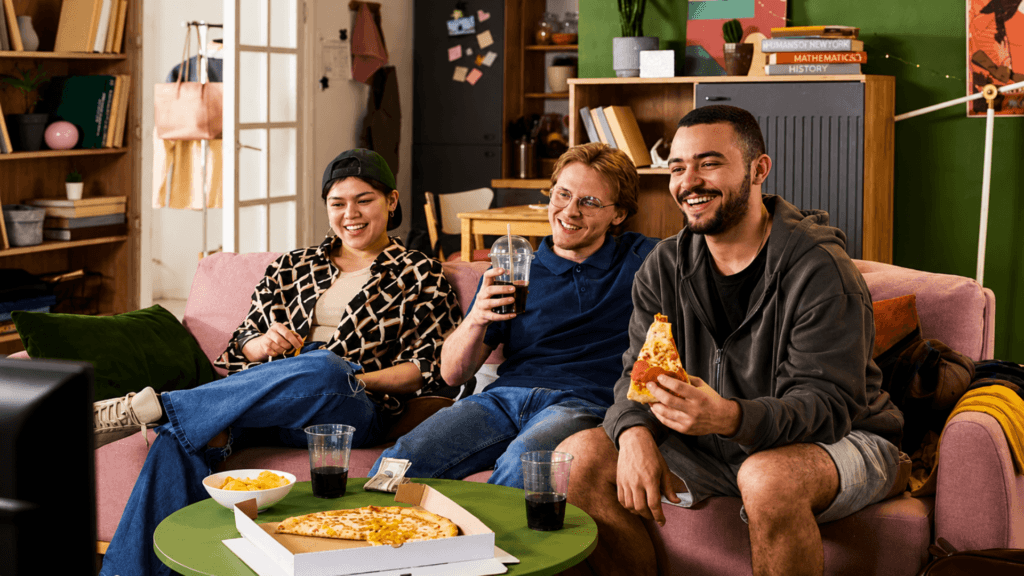
Thousands of viewers flooded the comments to say her words described their own lives perfectly. The reaction suggested her honesty had given people permission to stop pretending their downtime needed to look productive, social, or impressive to count as meaningful.
What the Comments Revealed
The replies told their own story. One person wrote, “My hobby is laying horizontal.” Another quipped about being “into resting” rather than interesting. A third comment, which gathered more than 45,000 likes, read: “I like relaxing, isolating, and not using my brain.” Together, these reactions painted a picture of a generation quietly rejecting the pressure to stay constantly busy.
The Numbers Behind the Trend
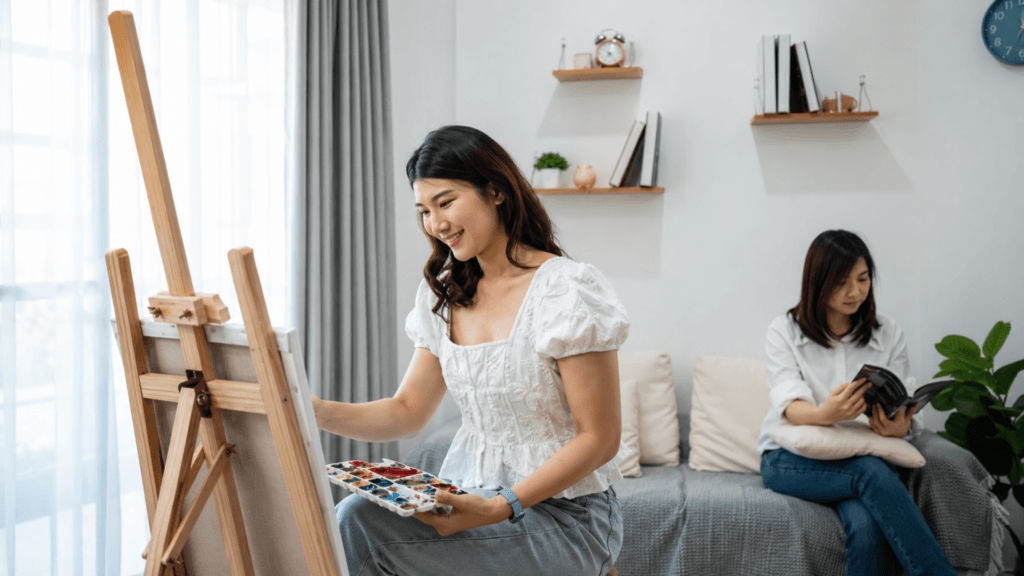
Research from data and analytics firm CivicScience shows that most Americans with hobbies spend less than five hours a week on them. Gen Z stood out in the data too, reporting the highest likelihood of spending six to ten hours weekly on hobbies, suggesting younger people engage differently, not necessarily less, than older generations.
Why Hobbies Don’t Have to Cost Anything

The same research found that low-effort, low-cost hobbies have become the norm. Many people now rely on free, self-paced resources instead of expensive classes or equipment. CivicScience noted that people often turn to hobbies simply to feel better or to escape stressful news cycles, framing them as emotional resets rather than achievements to chase.
Rest Counts as a Hobby Too
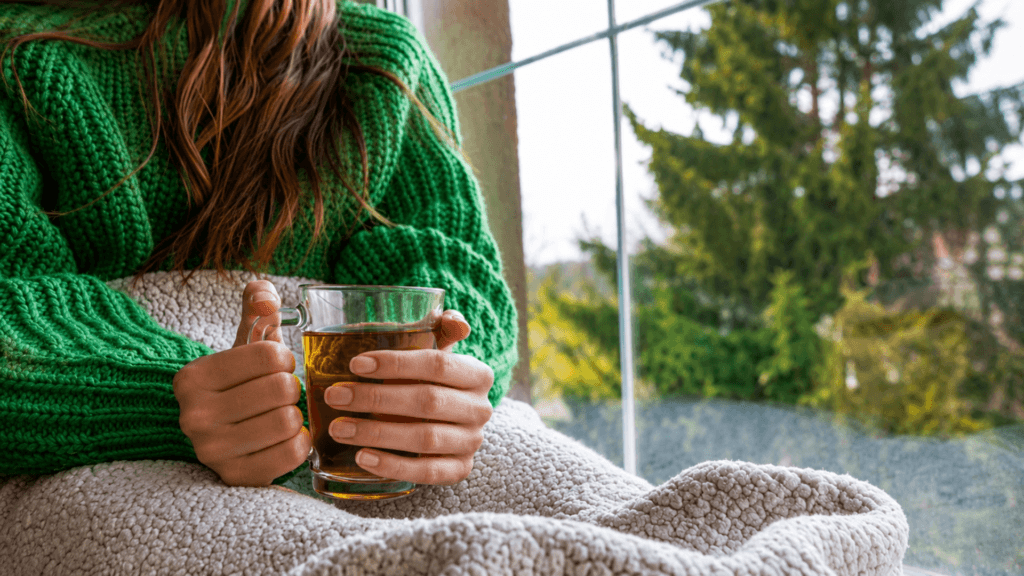
Traditional pastimes have not disappeared, but their nature has shifted. Watching television and movies remains one of the most common activities, alongside reading, cooking, and time outdoors. What unites them is comfort over intensity. Taylor’s video simply gave that shift a name and a face, turning a private preference into a shared cultural moment.
A Quiet Rebellion Against Burnout
Taylor never set out to start a movement. She just answered a question honestly. But her response tapped into something millions were already feeling: exhaustion with the idea that downtime must be earned or justified.