

Products are selected by our editors, we may earn commission from links on this page.
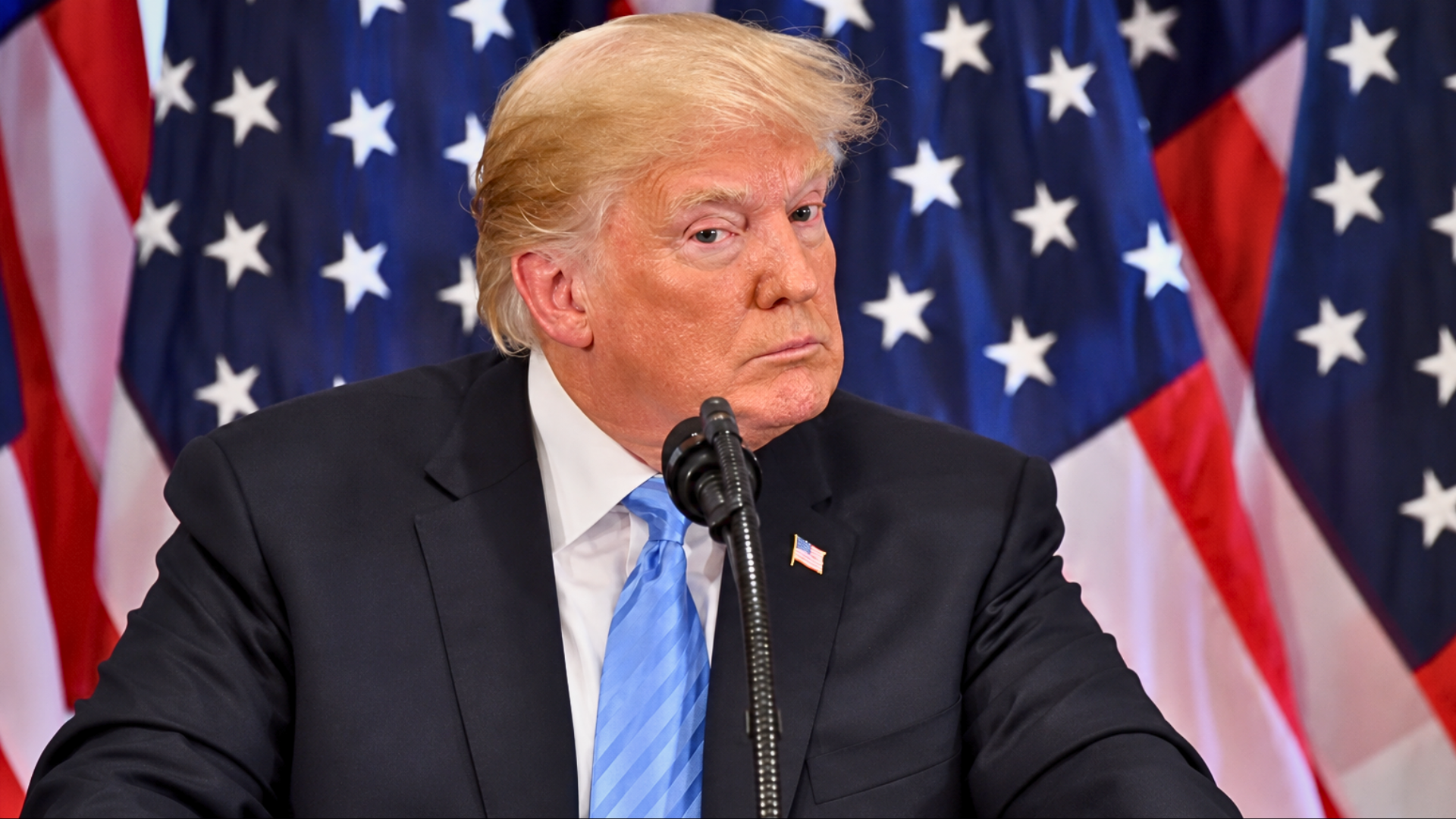
A federal gas tax holiday could save you about $2.76 on a 15-gallon fill-up, at best. That is because the tax is 18.4 cents per gallon, and the idea is to pause it. President Donald Trump has said he wants that, at a time when gas prices are about 50% higher than before the Iran war. It sounds like real relief. But a few things stand between that $2.76 and your wallet, and not all of them are small.
The idea is simple. In May, Trump told CBS News he wants the federal gas tax paused “for a period of time,” and added that it could return when prices fall. The tax is 18.4 cents a gallon on gasoline and 24.4 cents on diesel, and it has not changed since 1993. Lawmakers from both parties have introduced bills to pause it, including Democratic Sens. Mark Kelly and Richard Blumenthal and Republican Sen. Josh Hawley.
The first hurdle is Congress. Trump cannot pause the tax on his own, because only Congress can change taxes. Recent reporting by The Hill says fiscal hawks in the Senate sank the proposals, and many senators did not think any plan would lower prices before the Nov. 3 elections. So for now, the holiday is more of an idea than a plan. Even if it passed, the savings would be smaller than the headline number suggests.
Drivers Would Likely Save About $2 a Fill-Up, Because Not Every Penny Reaches the Pump

The savings would be small. At most, an 18.4-cent cut saves about $2.76 on a 15-gallon fill-up, according to NPR. That is roughly 4% of the price of a gallon. For the average driver, the Peter G. Peterson Foundation puts the savings at about $8.90 a month, and that assumes every cent is passed along. That is about one cup of coffee a month.
Even that may be too generous. The federal tax is collected from fuel suppliers and importers, not at the pump, so it is up to them to pass the savings on. Penn Wharton’s budget model expects drivers to see about 72% of the cut on gasoline and 60% on diesel. Mark Zandi, chief economist at Moody’s, called the relief “very modest,” closer to 10 to 12 cents after retailers take their cut.
In 2022, three states paused their own gas taxes, and drivers got most of the savings, but not all. Penn Wharton found drivers received between 58% and 87% of the cut, depending on the state, and the price drops often faded before the holiday ended. Put it together, and a driver might save about $2 a fill-up, or roughly $6 a month. That small gain has a price tag, and someone else pays it.
The Gas Tax Pays for Roads and Bridges, and a Holiday Would Cost Billions

The federal gas tax is not just a charge at the pump. It mainly pays for highways and bridges, plus some public transit. The tax has stayed at 18.4 cents since 1993, while the cost of road repairs has climbed, NPR reports. So the Highway Trust Fund, which collects the money, was already under strain before any holiday. Think of it as the fund behind the roads you drive on every day.
A pause would take real money out of that fund. The Motley Fool puts the loss at about $3.5 billion a month. Penn Wharton estimates a four-month federal holiday could cut revenue by $11.5 billion. The Committee for a Responsible Federal Budget has projected the fund will run short of money by 2028. For drivers, that could mean fewer repairs or higher costs later, unless Congress covers the gap another way.
Supporters see it differently. Sen. Josh Hawley, R-Mo., argued a pause would give workers and families “immediate relief.” Because the bills are temporary, backers say the cost to the fund would be limited. Critics, including some fellow Republicans, worry about adding to the deficit for a small benefit. Either way, the tax is only a small piece of the price you pay.
A Holiday Would Cover Only About One-Seventh of the Price Jump

The real driver behind your gas price is oil, and oil is tied to the Iran war. Since late February, the conflict has disrupted shipping through the Strait of Hormuz, a key route for a fifth of the world’s crude oil. Gas prices rose about $1.36 a gallon, or 49%, between Feb. 23 and Oct. 5, according to the American Action Forum. Diesel hit a record in September. The Motley Fool puts it at $6.53 a gallon.
A tax holiday would cover only a slice of that jump. Taking off 18.4 cents erases about one-seventh of the $1.36 increase, by simple math. Even then, a quick fix is unlikely. The Motley Fool notes that fuel prices could take several quarters to settle after the war ends. Trump has acted where he can: an Oct. 5 order expands tax-free red-dyed diesel for long-distance truckers, which could lower trucking costs.
Your gas bill would likely drop only a little, and only if Congress acts, which looks uncertain right now. That does not make the idea pointless, since a few dollars a month matters to some households. But the bigger swings come from oil. The tax is the one piece of your gas price that lawmakers can change quickly. The rest depends on a conflict that no gas tax vote can end.