

Products are selected by our editors, we may earn commission from links on this page.
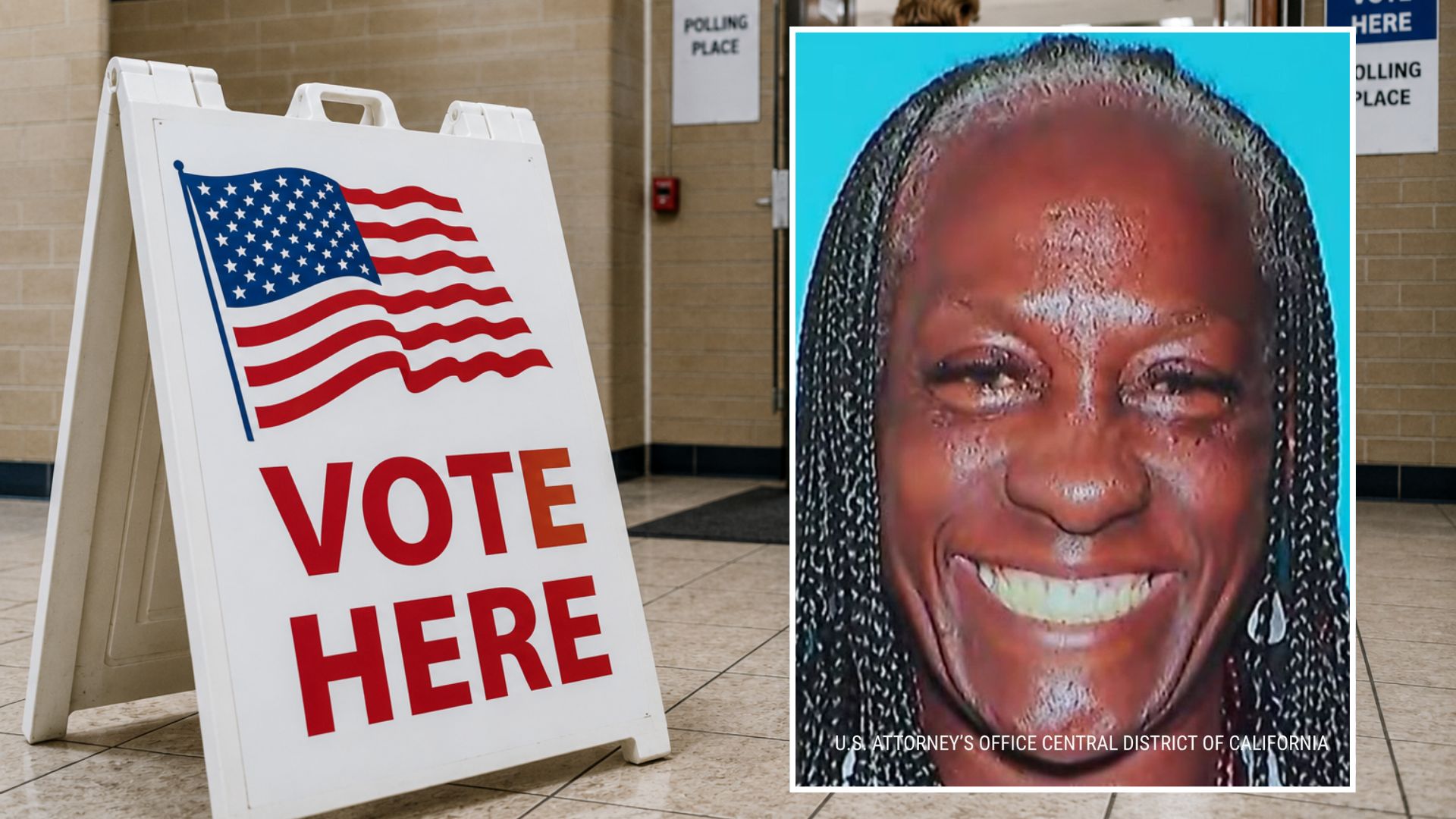
For $2 or $3 in cash, sometimes a cigarette or a prepaid phone card, Brenda Lee Brown Armstrong allegedly persuaded homeless people on Los Angeles’ Skid Row to fill out voter registration forms. Federal prosecutors announced the charges on May 19, 2026. Armstrong, 64, of Marina del Rey, is charged with one felony count of paying another person to register to vote, carrying a maximum penalty of five years in federal prison. She has agreed to plead guilty.
This article was created with the assistance of AI and reviewed by our editorial team for accuracy and clarity.
Twenty Years on the Streets, Collecting Signatures
For approximately 20 years, Armstrong periodically worked as a “petition circulator,” paid by coordinators to collect voter signatures on official petitions that qualify initiatives, referendums, and recalls for California state ballots. She drove around Los Angeles looking for registered voters willing to sign. After gathering enough signatures, she returned the petitions to her coordinators, who paid her a set amount for each registered voter’s signature. That pay structure created the incentive at the center of the case.
Why Skid Row Became Her Target
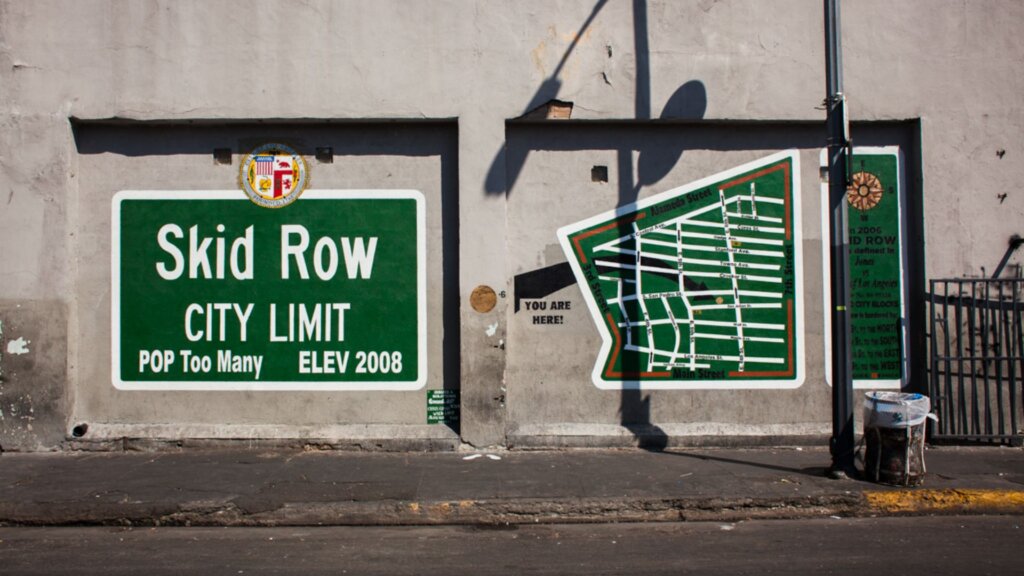
Skid Row was a convenient location for Armstrong because of its high concentration of people in a relatively small area who were willing to sign petitions in exchange for payment. There was a problem, though. Many of Skid Row’s homeless residents were not registered to vote, meaning their signatures had no value to her coordinators. To fix that, Armstrong began bringing something extra on her trips: a stack of voter registration forms from the Los Angeles County Registrar of Voters.
The Registration Scheme Begins
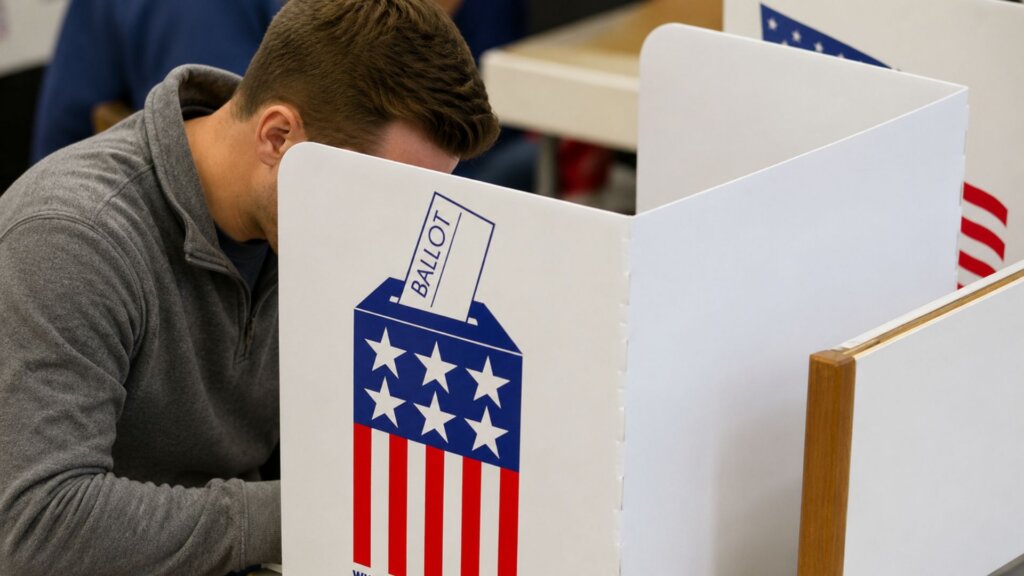
Starting no later than 2025, Armstrong began offering payment to individuals not only to sign her petitions, but also to complete a voter registration form. The logic was straightforward: she could only get paid for signatures from registered voters, so registering people on the spot solved that problem. “Before she could have a homeless person sign a petition, she first needed to get them to register to vote, and that’s what she paid them to do,” said First Assistant U.S. Attorney Bill Essayli.
Her Address on Someone Else’s Forms
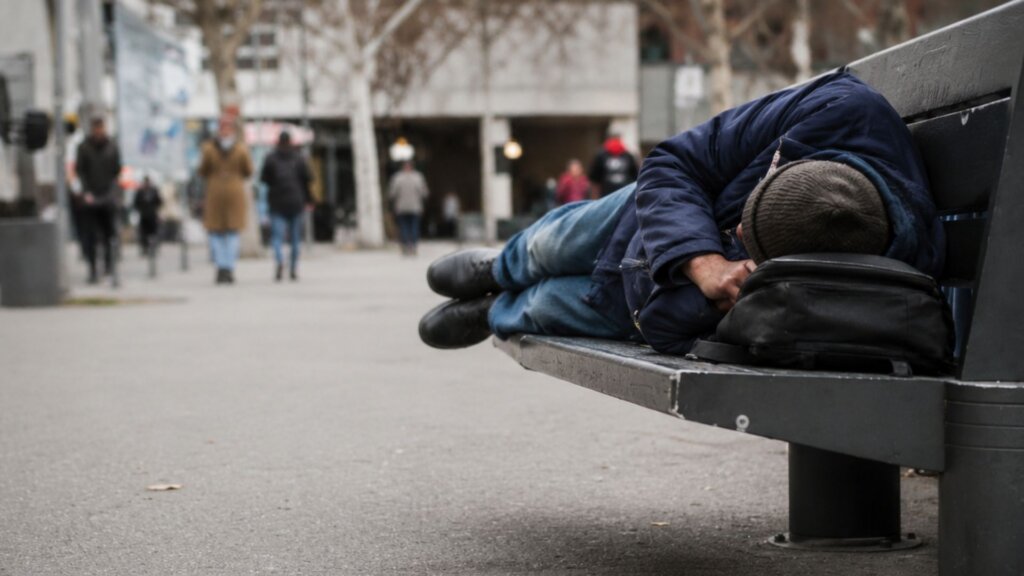
Many homeless individuals on Skid Row had no fixed address, a required field on voter registration forms. On several occasions, Armstrong provided a homeless individual with her own former Los Angeles address so they had something to write on the form. Because California automatically sends a mail-in ballot to every registered voter, this meant ballots in some homeless individuals’ names could potentially be sent to Armstrong’s former residence, where those individuals did not live or collect mail.
A Video Puts Her in the Crosshairs
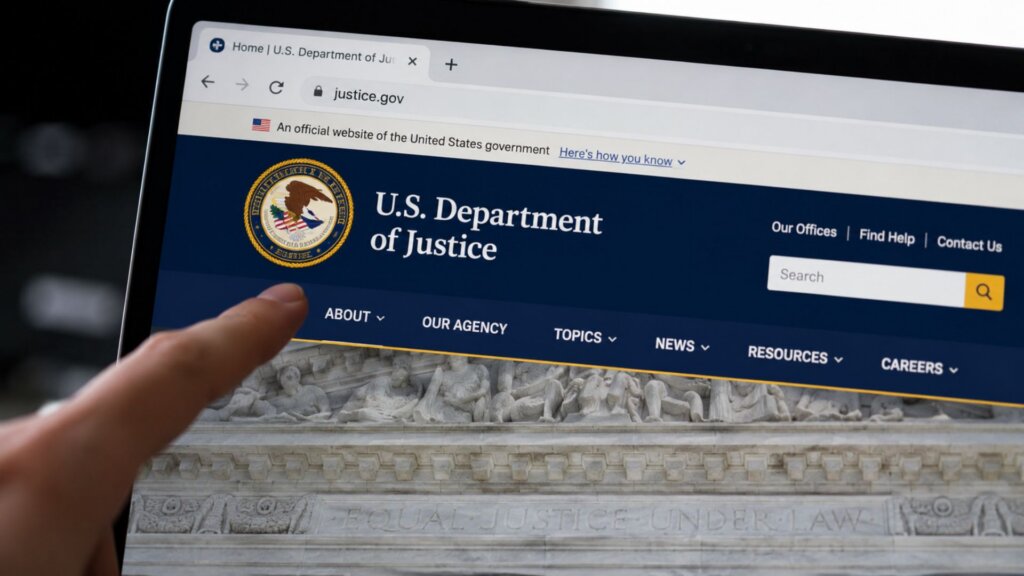
Federal authorities confirmed Armstrong became known to the DOJ after an undercover video was posted online by James O’Keefe, the founder of conservative nonprofit Project Veritas. The footage showed a woman handing cash to a homeless person. O’Keefe said publicly that his video led directly to Armstrong being charged. Prosecutors declined to reveal Armstrong’s party affiliation, calling it irrelevant to the case. The video, widely shared on social media, turned a street-level transaction into a federal criminal matter.
A Federal Charge With Serious Consequences
Armstrong faces a maximum penalty of five years in prison, three years of supervised release, and a $10,000 fine. She appeared in U.S. District Court in Santa Ana on May 19, 2026, and is expected to enter a formal guilty plea in the coming weeks. Prosecutors have not revealed how many individual registrations were involved, and no specific election was cited in Armstrong’s charging documents. The case is being handled at the federal level, not by California state authorities.
What Federal Officials Say About Election Integrity
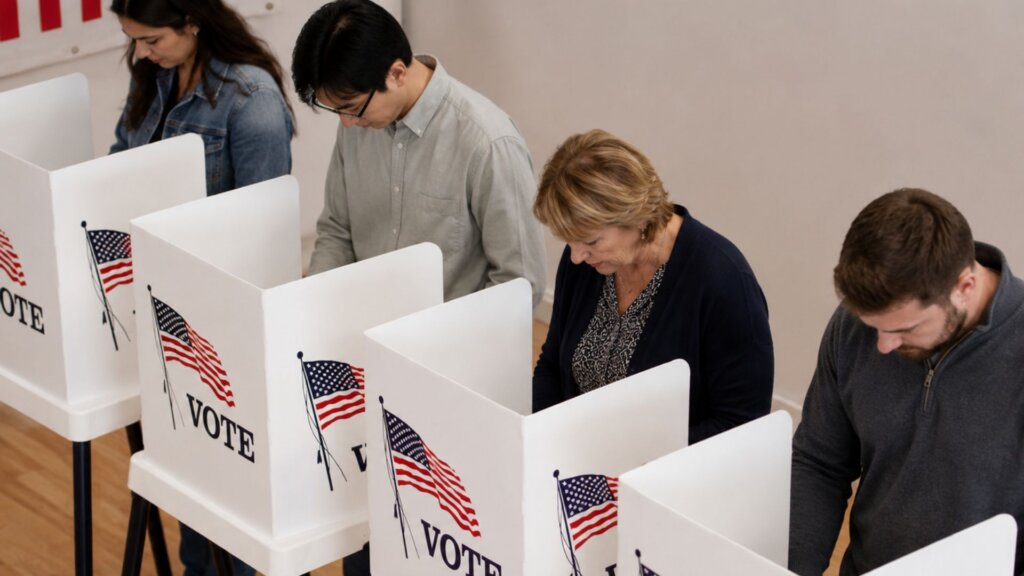
According to Assistant Attorney General Harmeet K. Dhillon, “False registrations undermine Americans’ faith in elections, even more so when payoffs are involved.” Dhillon added: “This Justice Department is committed to ensuring that all U.S. elections are fair and free from illegal meddling, so that all Americans can accept the results with confidence.” Dhillon also stated that more similar cases would be presented in the near future, warning that “untold numbers of fraudulent voter registrations can be created in California.”
How California’s System Made It Possible
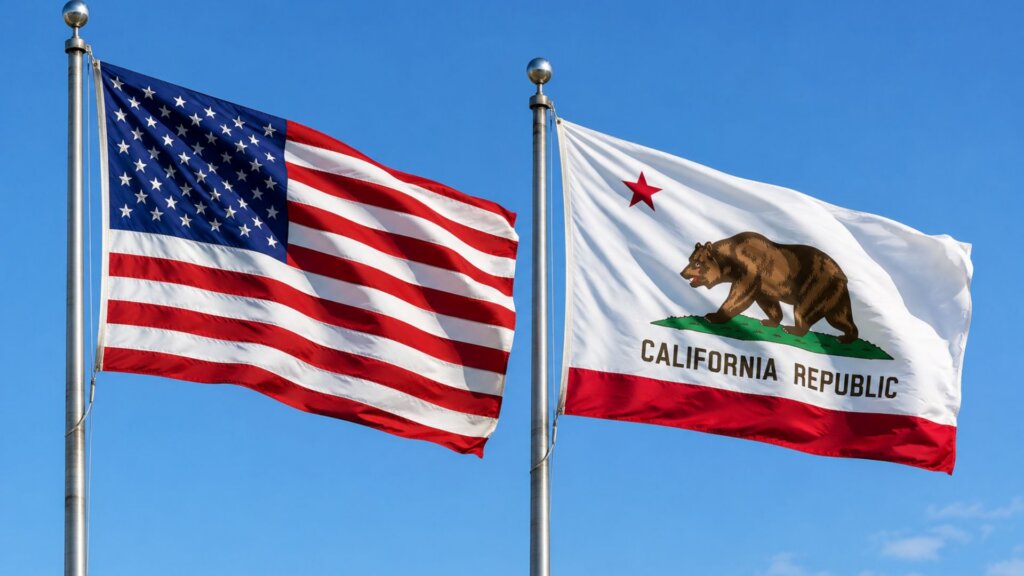
California’s voting laws played a direct role in how the scheme operated. The state’s automatic mail-in voting system meant that multiple ballots could be sent to Armstrong’s former address once she registered individuals there. Essayli said state officials should take note of the charges and called on California to welcome a voter roll audit. The case has reignited a broader debate about the safeguards built into California’s voter registration process and whether they are sufficient to catch this kind of manipulation.
Small Payments, Large Questions

At its core, this case involves a few dollars changing hands on a Los Angeles street. But the implications reach much further. A 20-year career in petition collecting, a handful of registration forms, and a former home address were all it took to expose gaps in one of the country’s most expansive voting systems. As federal prosecutors signal more cases are coming, the Armstrong case raises a question worth sitting with: how many similar arrangements have gone unrecorded, and undetected?