

Products are selected by our editors, we may earn commission from links on this page.
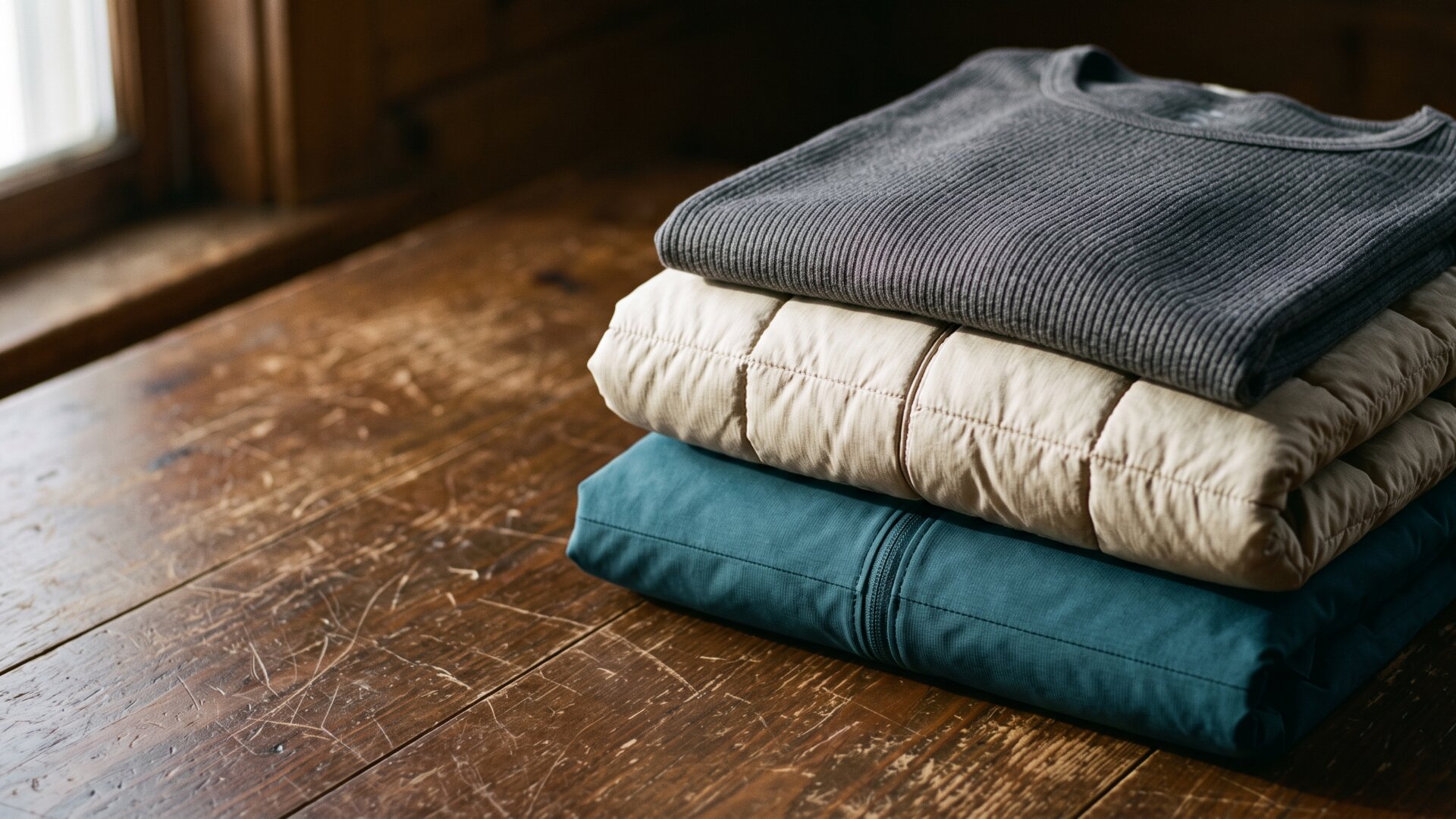
REI’s cold-weather guide builds everything around one idea: three layers working together, each assigned a single task. The base layer is long underwear, and its only job is pulling sweat off your skin. The middle layer, usually fleece or a puffy jacket, traps the heat your body produces. The outer layer, a shell jacket, blocks rain, snow and wind from reaching the two layers underneath. The reason it works is adjustability. You add and subtract pieces as your exertion or the weather changes, instead of committing to one coat and hoping it suits the whole day. REI calls this adjusting your body’s thermostat. Skip a layer and the system stops functioning as a system.
This article was created with the assistance of AI and reviewed by our editorial team for accuracy and clarity.
Cotton is banned from every layer, not just one
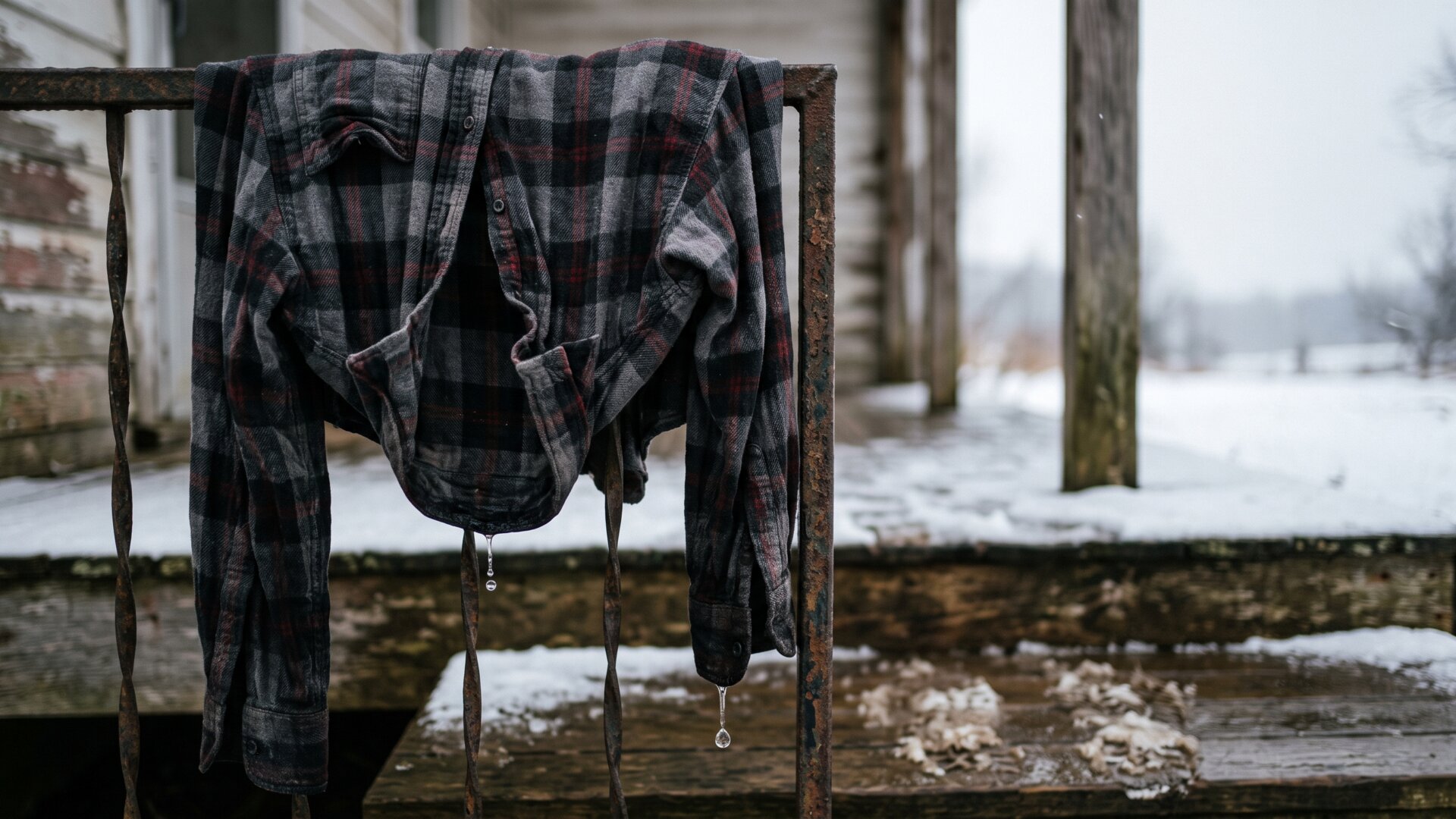
Most people assume a cotton flannel shirt counts as reasonable winter clothing. REI’s guide rules it out everywhere in the stack, base, middle and outer, without exception. The problem is absorption and drying time. Cotton fibers soak up water and hold it, and they take an extremely long time to release it. A wet cotton layer sitting against your skin pulls heat out of you continuously. REI names the consequence directly: hypothermia. Water conducts heat away from the body far faster than air does, which is why a damp base layer is more dangerous than no base layer at all. This one rule eliminates a large share of what people already own.
Wicking only happens where fabric touches skin
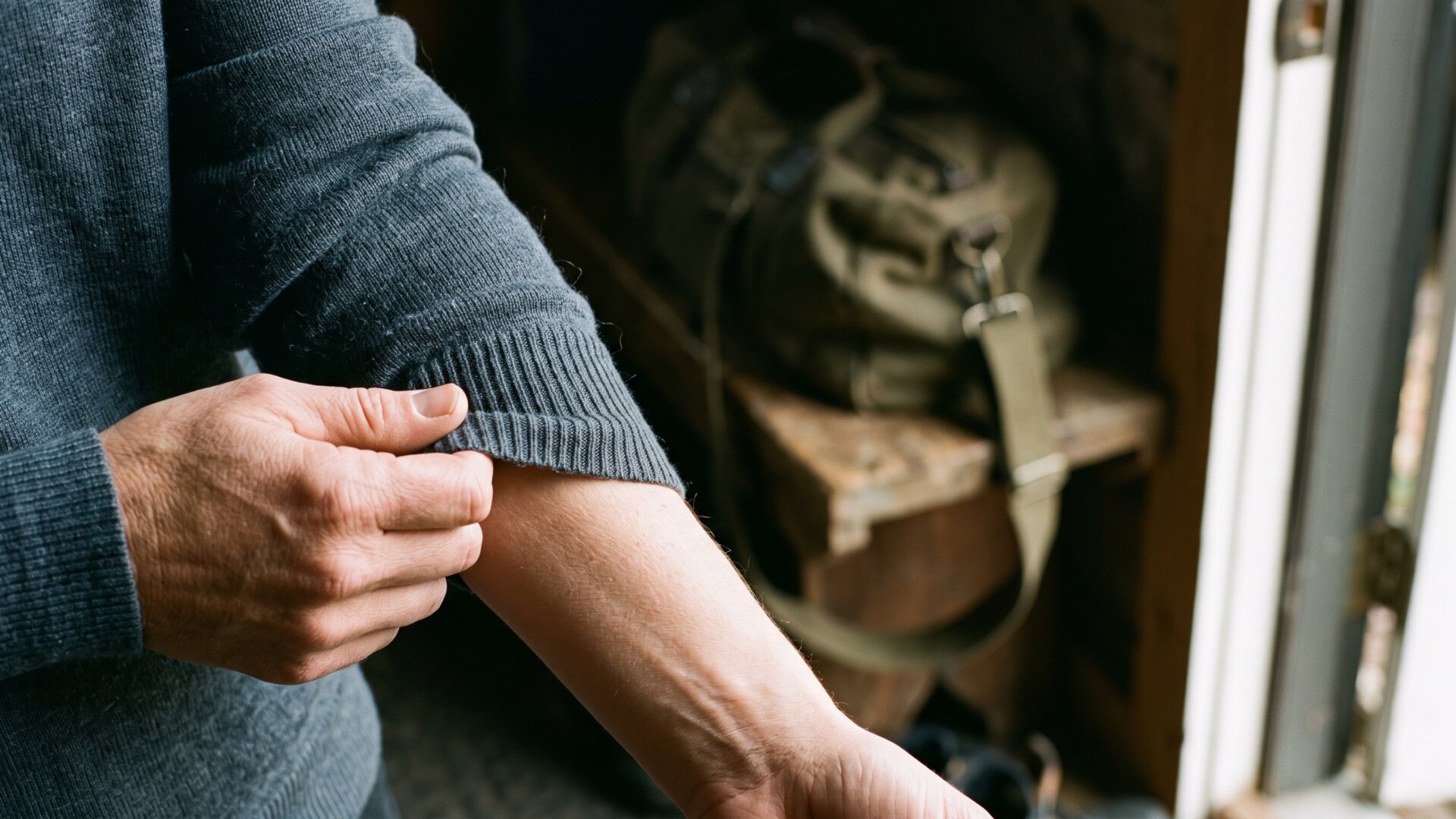
The base layer works by moving liquid sweat along fiber surfaces toward the outside of the fabric, where it can evaporate. That process has a physical requirement the guide spells out: the fabric has to be in contact with you. Wicking cannot happen across an air gap.That single mechanism drives the fit advice. REI recommends long underwear that is comfortably snug everywhere, not tight and not loose. Billowy base layers leave gaps where sweat simply sits on skin. On fiber choice, polyester handles both wicking and drying well. Merino wool is the natural option, and the guide specifies soft, nonitchy merino rather than coarse traditional wool.
Three weights cover three different scenarios
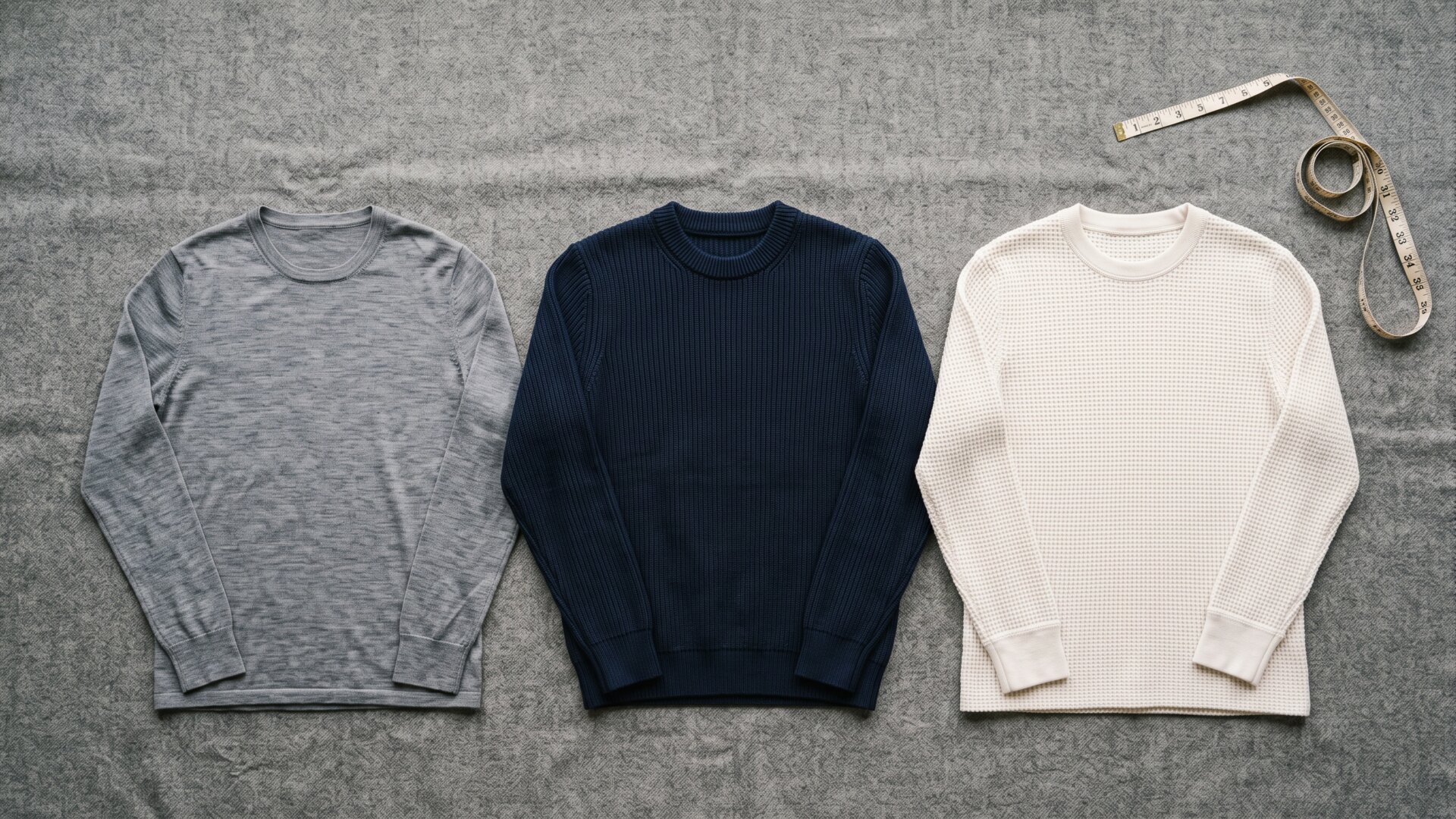
Base layers come in lightweight, midweight and heavyweight, and REI assigns each a range rather than treating thicker as better. Heavyweight is for below-freezing temperatures combined with low activity, think sitting in a duck blind or standing at a ski lift line. Midweight is the all-around pick for cold conditions and the safest default for someone buying one set. Lightweight belongs in milder weather. The variable the guide keeps returning to is personal: how hot or cold you run. Two people on the same trail in the same temperature can need different weights, because one is generating more heat and sweating more. Activity level matters as much as the thermometer.
Down is the gold standard until it gets wet
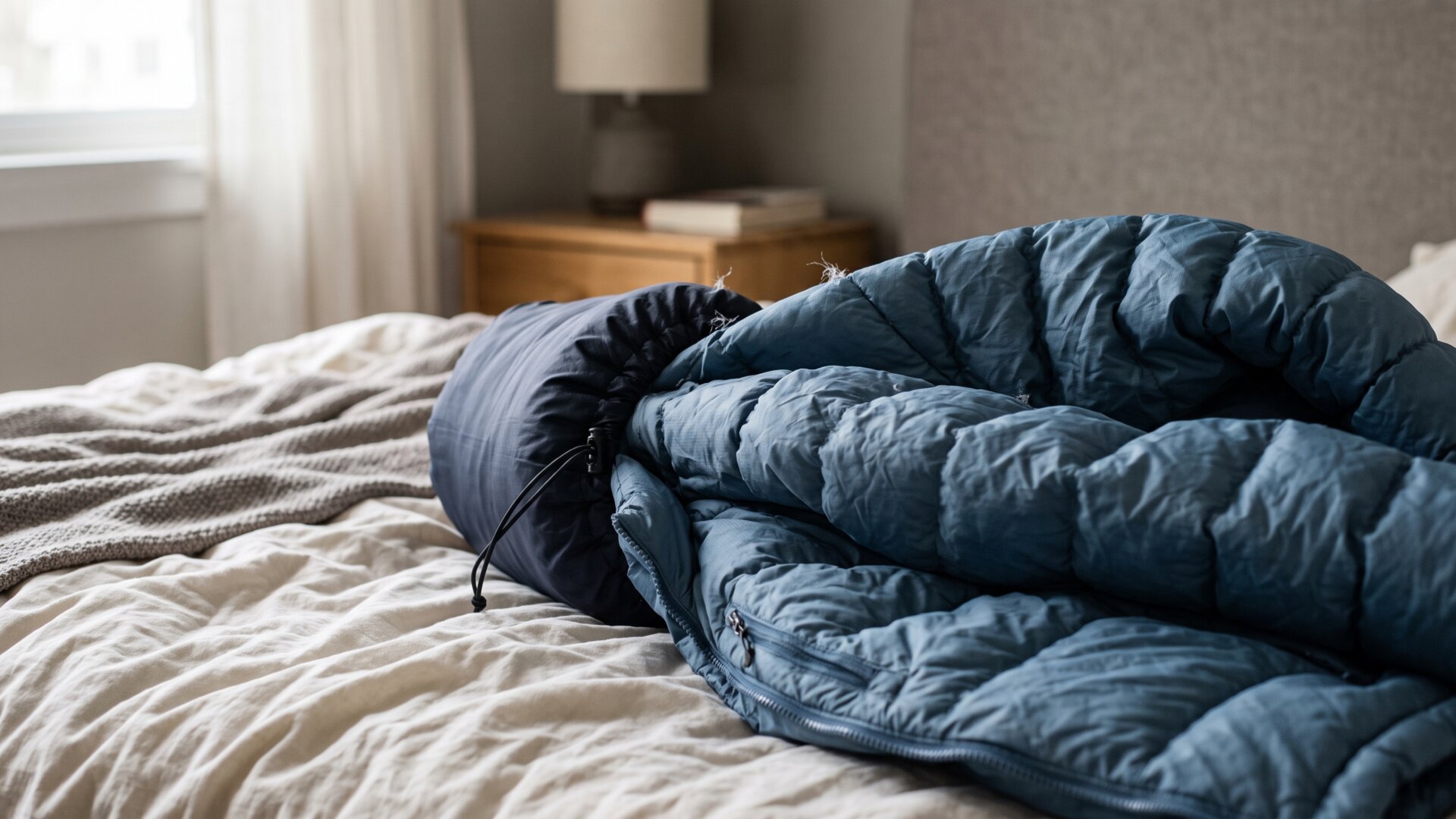
For the middle layer, REI’s guide separates fleece from puffy jackets by severity. Fleece fans should buy heavyweight fleece. For serious cold, puffy jackets take over. Within puffies, the fill decision is a tradeoff. The guide calls down the gold standard for warmth, then names its weakness plainly: down performs poorly when wet. Clumped down loses the loft that traps air, and trapped air is what insulation actually is. Synthetic fill is the better choice in damp conditions, or when you expect to sweat heavily. The guide also warns against judging warmth by thickness across different fill types. You can only compare puffiness between two jackets using the same insulation.
Check whether your shell says waterproof or water resistant
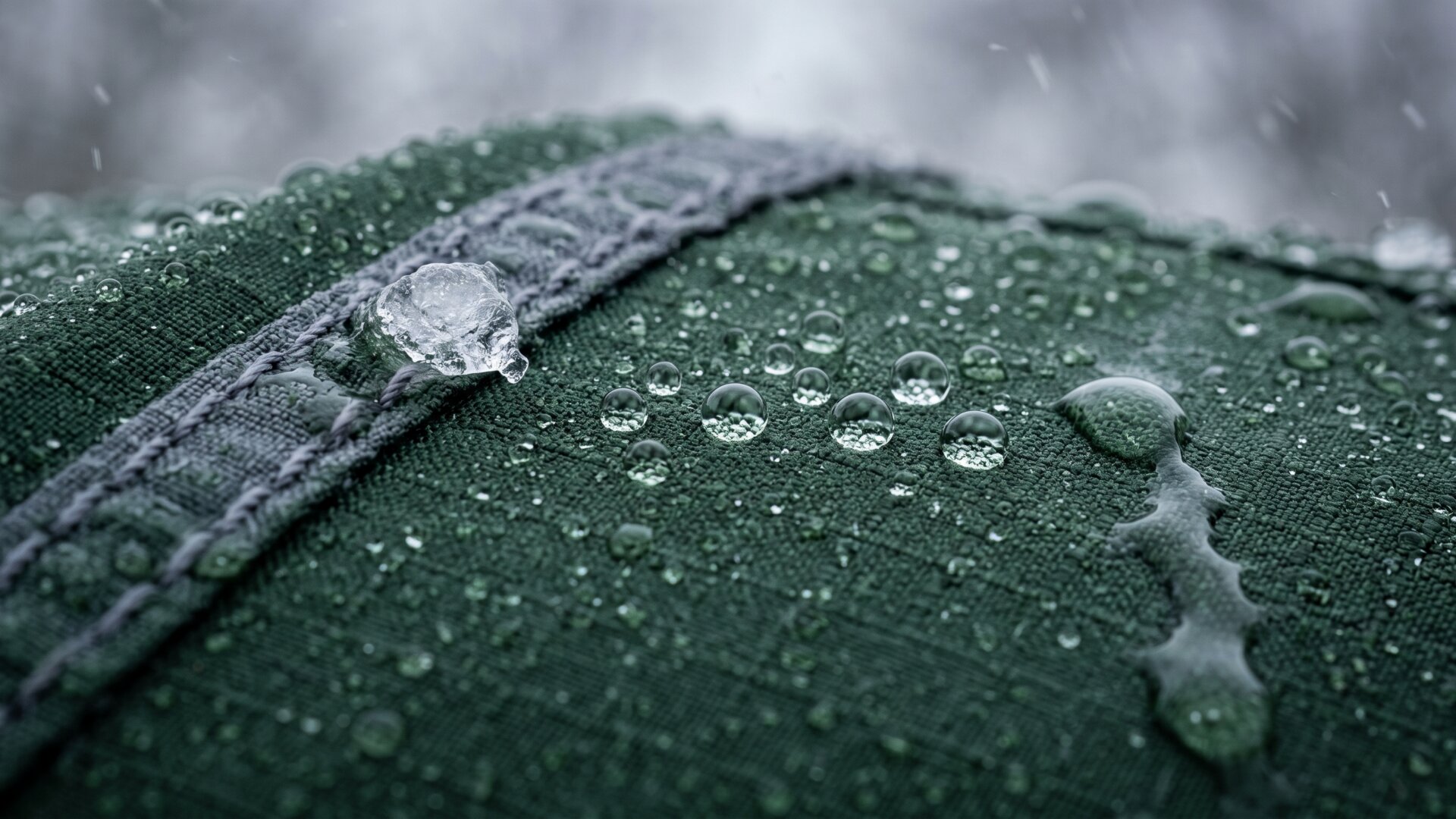
These two labels look interchangeable on a hangtag and are not. REI’s guide draws the line clearly: wear a shell marked waterproof, not merely water resistant, unless conditions are crystal clear and shelter stays close. The reasoning is about heat loss. A wicking base layer cannot keep your skin dry if precipitation soaks you from outside, and in winter you lose warmth to evaporative cooling you cannot afford. The second thing to check is breathability, so sweat your base layer moved outward has somewhere to go. The guide is explicit that you do not need the most expensive GORE-TEX option. Any shell labeled waterproof and breathable covers the requirement.
Most people buy a jacket and forget the legs
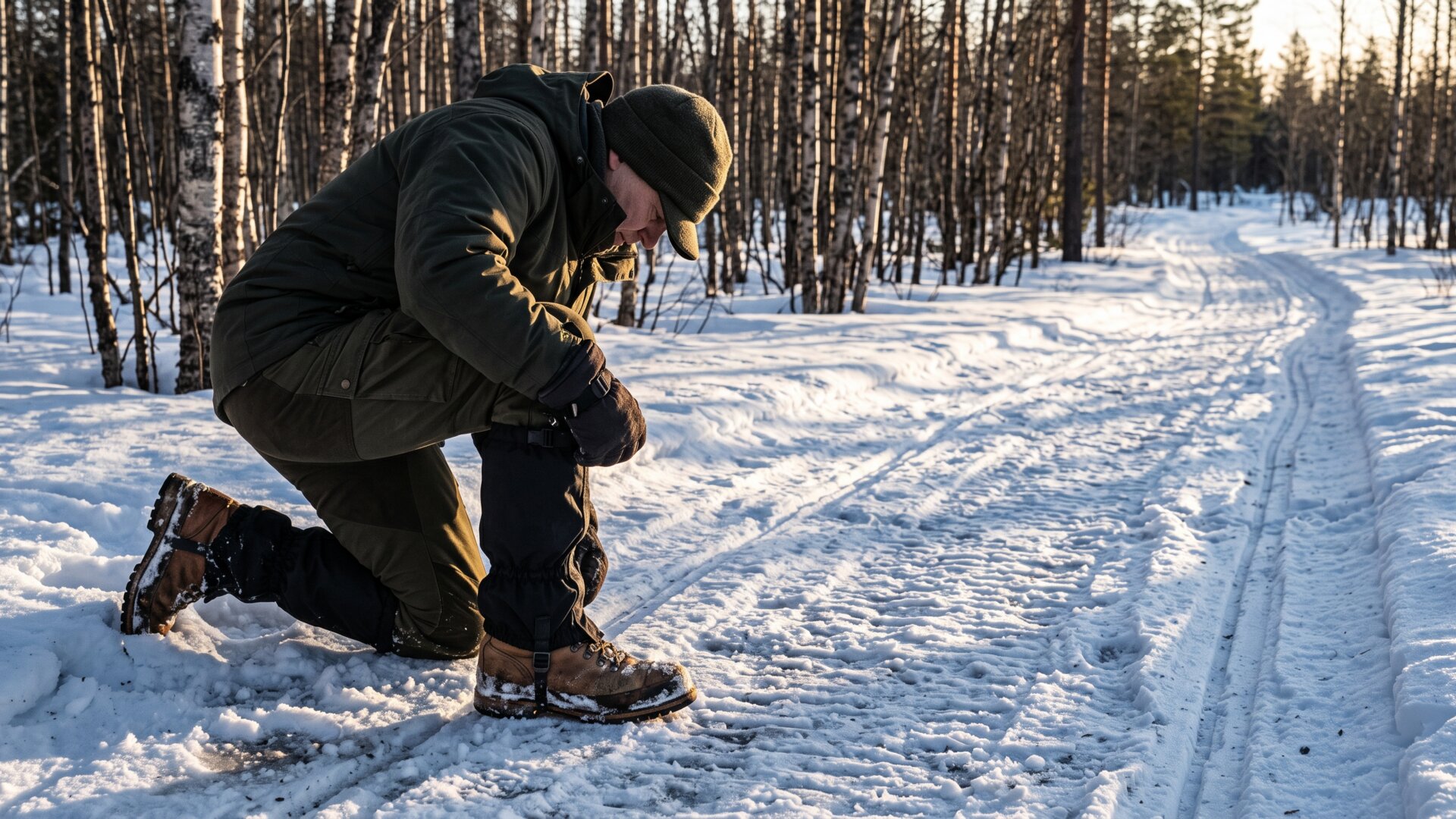
The guide identifies a specific and common error: becoming jacket obsessed. People invest heavily in upper-body insulation and leave their lower half in a single pair of pants. The fix is to apply the same layering logic below the waist. REI suggests packing fleece pants or insulated pants so your legs match your torso. Shell pants matter for the same reason shell jackets do, and the guide flags ankles specifically. Cold, wet ankles are miserable, so make sure your pants cover your boot tops. If they do not reach, gaiters close the gap. Gaiters are fabric sleeves that wrap from boot to lower leg and keep snow out.
Mittens beat gloves made of identical material
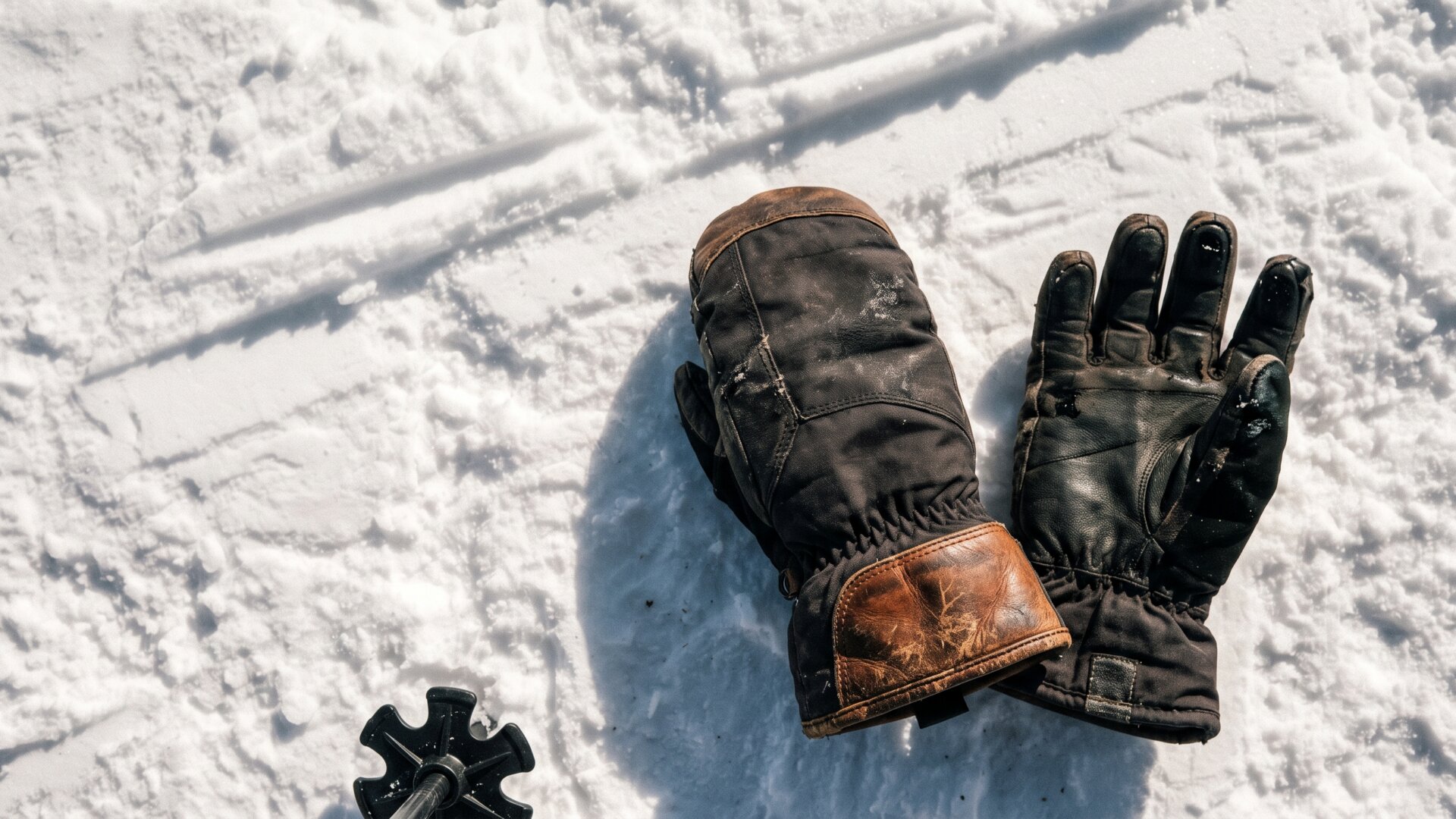
Here is the exception that explains how insulation works. REI’s guide states that a mitten will always be warmer than a glove built from the same materials. The reason is that mittens let fingers share warmth in a single chamber instead of isolating each one in its own sleeve. Separated fingers each present more surface area to the cold and have less of their own heat to work with. Beyond hand coverage, the guide ranks the rest: fleece gloves give basic warmth, insulated gloves do better, and insulated gloves with waterproof and breathable shells do best. For boots, thick non-cotton socks handle merely cold days, waterproof boots handle wet, and winter boots add insulation plus traction.
Warm hands start at your core, says REI
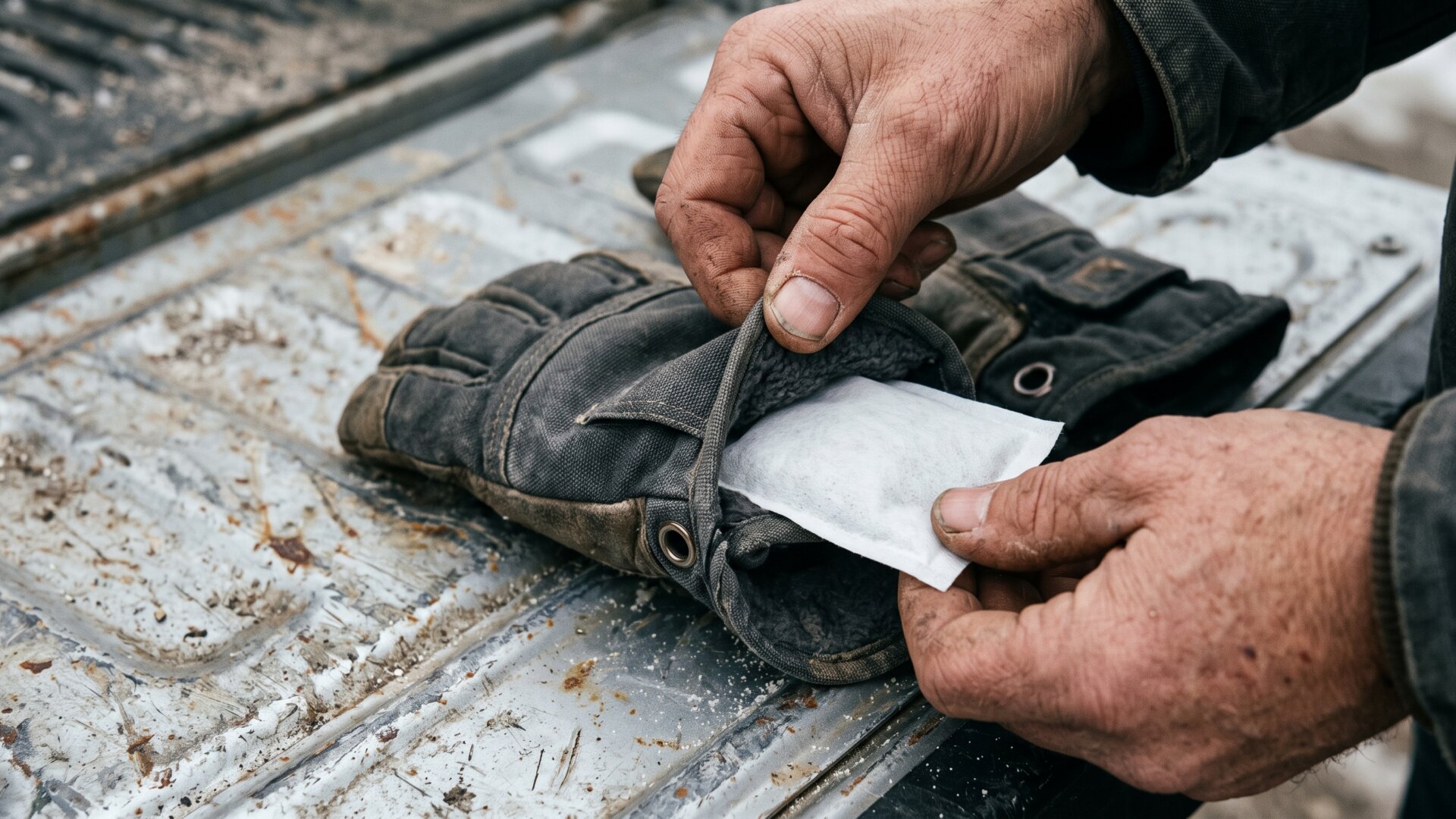
The guide offers a piece of practical physiology that reframes the usual approach to cold fingers. It describes a warmer coat as a twist on the phrase cold hands, warm heart: if your core is genuinely warm, it has plenty of warm blood to pump out to your hands and feet. That is the body’s own priority system. When you get cold, circulation to the extremities drops first to protect the vital organs. The practical takeaway is that buying heavier gloves may not fix chronically cold hands if the real shortfall is torso insulation. For people whose hands and feet stay cold regardless, the guide lists disposable warmers from brands like Grabber and Heat Factory, and notes that rechargeable electric gloves, socks and insoles exist at a steep price.
Adjust layers before you need to, not after
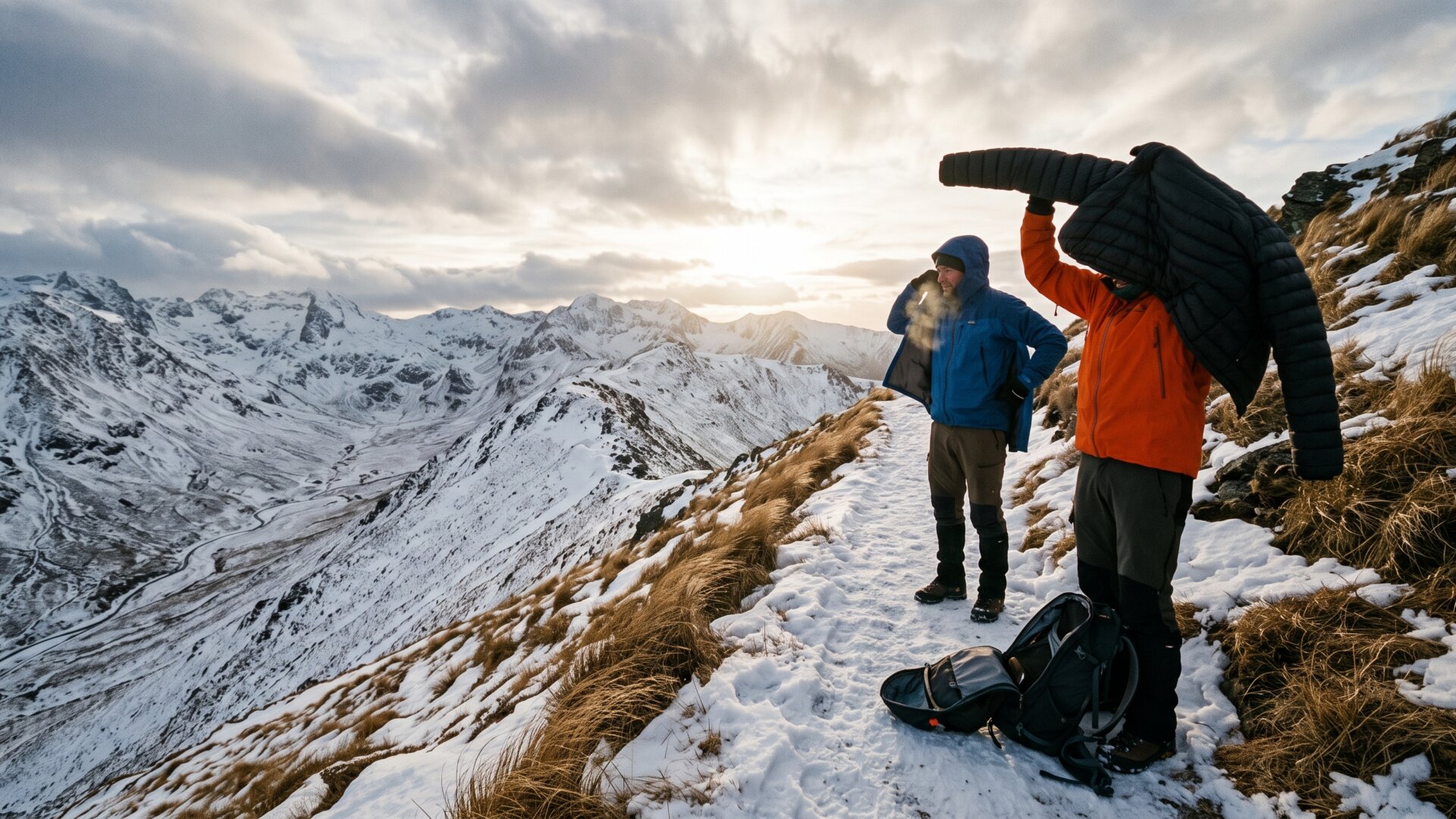
The guide’s closing advice is about timing, and it is the hardest habit to build. Put the shell on at the first sign of rain or wind. Take the insulating jacket off the minute you start sweating. Staying warm and dry is easier than warming up or drying out once you have failed at either. One more detail worth checking before you buy: layers have to fit over each other. Middle and outer pieces need to glide on and off. Jackets cut too close over the layers beneath become a chore to swap mid-activity, and the guide notes they can also constrict circulation, which works directly against keeping your hands and feet warm.