


Products are selected by our editors, we may earn commission from links on this page.
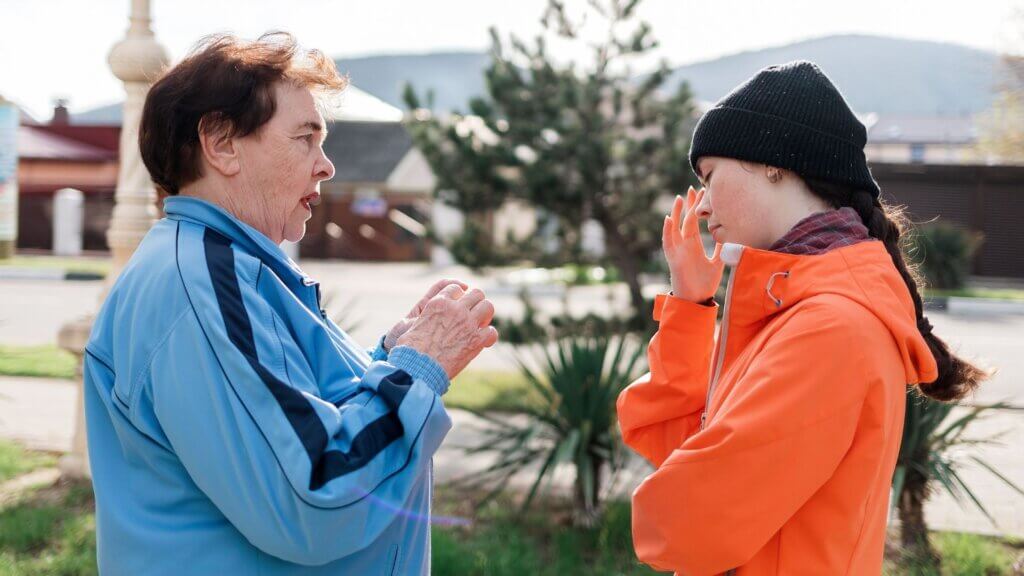
Generational divides have always existed, but today’s gaps feel particularly wide. When younger Americans were asked what they wish older generations understood, the responses were candid and sometimes, well… uncomfortable. But these issues raised reveal deep frustrations about systems that feel broken. Here’s what Gen Z and millennials want older generations to hear.
“Stop Running for Political Office”
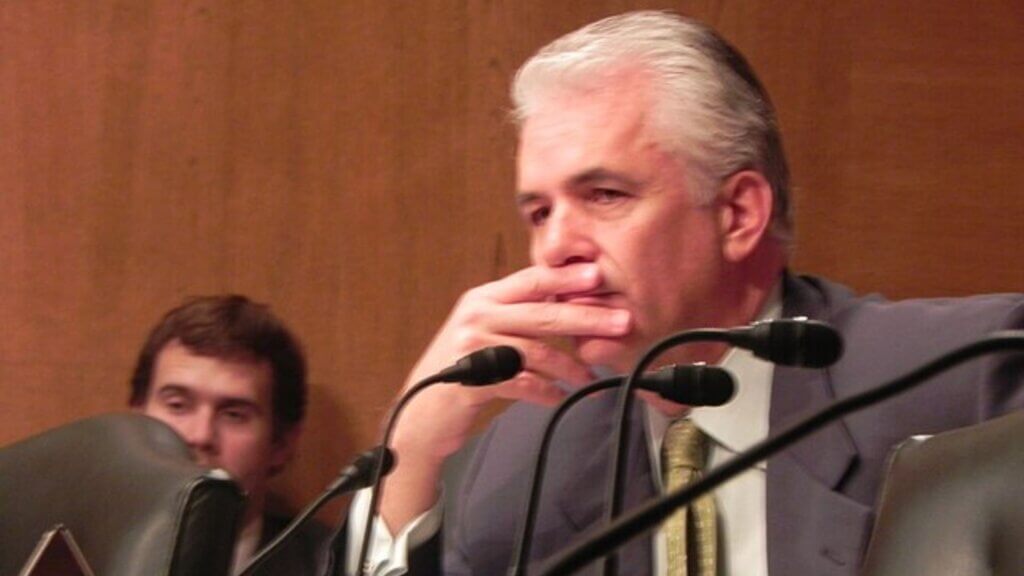
One commenter stated that older generations should exit politics entirely. They argued previous leadership damaged housing, education, and government systems. Now, younger people face criticism while attempting repairs. The frustration centers on resistance to necessary change. Another voice emphasized the irony: “Those who created problems now oppose solutions”.
“Stop Saying No One Wants to Work Anymore”

A 34-year-old from Arizona challenged the common complaint about worker shortages. Younger generations do want to work, but refuse to let careers dominate their lives. The key distinction: salaries are negotiable, but time is not. This reflects shifting priorities around work-life balance. Younger workers reject the idea that employment should consume all personal time. They seek meaningful work that allows space for living fully.
“We’re Not Exaggerating About Cost of Living”

A 22-year-old Oregonian explained that buying homes is genuinely “harder than during the Great Depression”. Wages no longer cover skyrocketing food costs, creating real desperation. They emphasized wanting comfort, not wealth, yet even that feels impossible. Inflation continues while older generations raise living standards they won’t experience. The frustration stems from being dismissed as dramatic when facing legitimate economic hardship that exceeds previous generations’ struggles.
“Stop Telling Us to Have Kids”

Multiple voices pleaded for respect regarding childbearing choices. When someone says they don’t want children, they mean it. Comments like “you’ll change your mind” or “you’ll end up alone” dismiss personal agency. A 37-year-old Illinoisan noted “happiness no longer requires marriage, careers, and children”. Fulfillment takes many forms, and childless people shouldn’t face judgment. The demand for grandchildren ignores individual autonomy and modern definitions of meaningful lives.
“Sexual Harassment Isn’t Something to ‘Get Used To'”

One person quit a job due to sexual harassment, only to be called a “snowflake” by their boomer father. They were told to simply “get used to it”. This response highlights a dangerous generational divide about workplace standards. But sexual harassment is never acceptable, regardless of era or custom. Younger workers refuse to tolerate abuse in the name of toughness. This represents progress in workplace dignity that older generations should embrace.
“Show More Investment in Your Grandchildren”

A Xennial parent described grandparents with ample time who barely engage with grandchildren. Despite living nearby, they visit “rarely” and show “little concern” about the world being left behind. When discussing climate change, responses are ambivalent. Plans with grandchildren get canceled for newer friendships. This contrasts sharply with previous generations, who served as secondary parental figures. Many millennials feel isolated, lacking the extended family support their parents once received.
“Stop Blaming Our Financial Problems on Extravagant Living”

A 39-year-old professional drives a 13-year-old car and hasn’t flown since 2005. Vacations mean camping or budget motels, with strict budgeting and zero debt. All spare income goes to savings and retirement. Despite this discipline and a good career, saving for a house downpayment remains impossible. The claim that younger people just need to “sacrifice as they did” ignores dramatically increased disparities between wages and living costs over the past 50 years.
“Consciously Try to Get to Know Younger Generations”

A 34-year-old New Yorker wishes older people would genuinely engage with younger perspectives. Their parents only trust their grandparents’ advice, rejecting new ideas as invalid. The commenter actively learns from Gen Z and Alpha, discovering valuable insights like working to live rather than living to work. Normalizing therapy and mental health represents progress. The plea: stop dismissing younger voices with “back in my day” or “kids these days” and actually listen.
“Stop Thinking You’re Owed Something for Being Nice”

This brief but pointed comment addresses entitlement among older people. Simply being polite doesn’t create obligation or debt. Younger generations reject the idea that courtesy from elders requires special gratitude or deference. Respect should flow both ways without strings attached. Niceness is a baseline expectation, not a currency to be traded. This reflects changing dynamics around authority and interpersonal expectations across age groups.
“Understand the Job Market Has Changed”

Parents believe you can distribute CVs around town and secure employment by day’s end. This outdated understanding ignores modern hiring realities. Online applications, automated screening, and lengthy processes dominate current job searches. Despite genuine desire to work, opportunities don’t materialize through old methods. The disconnect creates frustration when older generations can’t comprehend why finding work takes months. Their advice no longer applies to today’s employment landscape.
“At Least Try to Learn Technology at Work”

A millennial described a coworker who refuses to use shared Excel documents and Teams. Instead, she handwrites tracking information, then becomes angry when digital copies don’t match. She doesn’t understand why digital records matter for team collaboration. This resistance to basic workplace technology creates inefficiency and conflict. What they wanted: if you’re working age, make genuine efforts to learn the necessary tools. Technology adaptation is now essential, not optional.
“Stop Treating Us as a One-Trait Hivemind”

An 18-year-old Californian noted how quickly older people default to the worst stereotypes. When generation gets mentioned, assumptions follow: lazy, entitled, politically monolithic. An individual’s character gets erased by their birth year. There’s far more to people than generational labels. Younger voices want recognition as individuals with diverse perspectives, values, and work ethics. Reducing entire age groups to stereotypes prevents genuine understanding and connection across generational lines.
“Just Be Normal in Retail Environments”

A 22-year-old retail worker expressed frustration with older customers’ behavior. Many act nasty when employees honestly don’t know certain answers. These customers once worked jobs themselves and should remember the anxiety of new positions. The constant “if it doesn’t ring up, it must be free” joke has become unbearable. Older generations should draw on their own work experience to show patience and understanding toward young employees learning their roles.
“Stop Resisting Innovation with ‘If It Ain’t Broke’ Mentality”

A 37-year-old Illinoisan identified resistance to change in business environments. Many older people think things don’t need fixing unless broken. But improvement doesn’t require failure first. We progressed from typewriters to computers, fax machines to email, paper checks to direct deposit. “If you’re not personally on board with innovation, fine. But stop actively blocking progress that benefits everyone. Things can always be better, even when functional.”
“Stop Buying Investment Properties”

A 31-year-old Arizonan made a direct request: stop purchasing investment properties and private housing equities. Retirement investments for older generations directly destroy younger people’s ability to own homes. The housing crisis isn’t abstract—it’s created by specific financial decisions treating homes as profit vehicles rather than shelter. This generational wealth extraction leaves younger people permanently locked out of homeownership. The retirement security of one generation shouldn’t eliminate housing access for the next.
“Remember We’re Adults Now, Not Just Your Kids”

A 34-year-old requested recognition as a full adult. Younger people have experienced, survived, and learned significant things. Continuing to see and treat them as children they once were offers nothing positive. Growth and development deserve acknowledgment. Older generations gain nothing by refusing to recognize who younger people have become. Respect requires seeing the present adult, not the past child. This applies to family dynamics and broader intergenerational interactions.
“Stop Blaming People for Being Unemployed”

A 31-year-old explained that you cannot force someone to hire you. They spent years unlearning the belief that unemployment equals moral failure despite their best efforts. Job seekers face countless rejections beyond their control. Economic conditions, employer preferences, and timing all influence outcomes. Blaming individuals for systemic employment challenges adds shame to genuine hardship. Older generations should recognize that hard work doesn’t guarantee employment in modern economies with structural barriers.
“Quit Giving Financial and Political Advice”

One commenter stated that previous generations failed to address wealth inequality, destroying the current quality of life. Unbridled greed and lobbying corrupted systems meant to protect everyone. Older generations normalized wealthy influence, dismantling protections while worshipping those exploiting others. They should have united across differences to prevent the current wealth gap. Instead, division was encouraged. Their financial and political guidance lacks credibility given these failures. The damage done undermines their authority to advise.
“Remember Younger Generations Are What You Made Them”

A 40-year-old Wisconsinite reminded older people that subsequent generations reflect their choices. Politicians they voted for, school referendums they decided, lifestyles they modeled, and child-rearing approaches all shaped outcomes. Younger generations deal with that fallout. Grace is needed. Another voice clarified their rage targets those who caused problems, not progressive activists. When boomers acknowledge their cohort’s mistakes, it brings relief. Most want simple acknowledgment that things are broken, and it happened before they were born.