

Products are selected by our editors, we may earn commission from links on this page.

After years of leading relocation trends, Texas has been overtaken, as new 2026 data from MoveBuddha’s moving trends report places Idaho at No. 1, highlighting a clear shift in where Americans are choosing to live and signaling strong nationwide demand for the state.
This surge is not entirely unexpected. Idaho has been a popular destination before, but its current momentum stands out. The state’s in-to-out move ratio climbed to 2.05 in early 2026, its highest level in years, reflecting a renewed wave of migration into the region.
Much of Idaho’s appeal comes down to lifestyle. Open space, access to nature, and lower population density are increasingly attractive to movers seeking alternatives to crowded urban centers. For many, it represents a balance between affordability and quality of life that larger states are struggling to maintain.
Texas Drops to No. 17 But Remains a Major Player
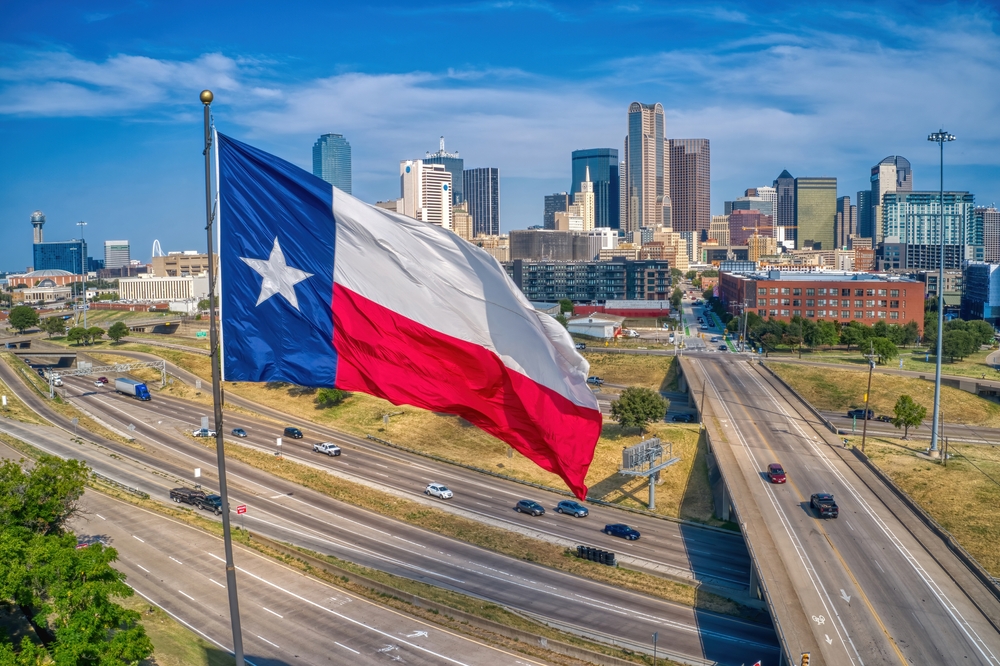
While Idaho climbs, Texas has slipped significantly in the rankings. Once the top destination for new residents, the Lone Star State now sits at No. 17, a sharp decline from its peak earlier in the decade.
The drop reflects shifting priorities rather than a sudden collapse. Texas still attracts newcomers and maintains a positive inflow of residents, with more people moving in than out. However, the pace has slowed, and the state no longer dominates the relocation landscape as it once did.
Rising housing costs in major metro areas such as Austin, Dallas, and Houston have played a role. As affordability tightens, some prospective movers are reconsidering their options. The data suggests that while Texas remains influential, it is now competing with a broader range of destinations offering similar benefits at lower costs.
The Rise of the Mountain West and Emerging Alternatives
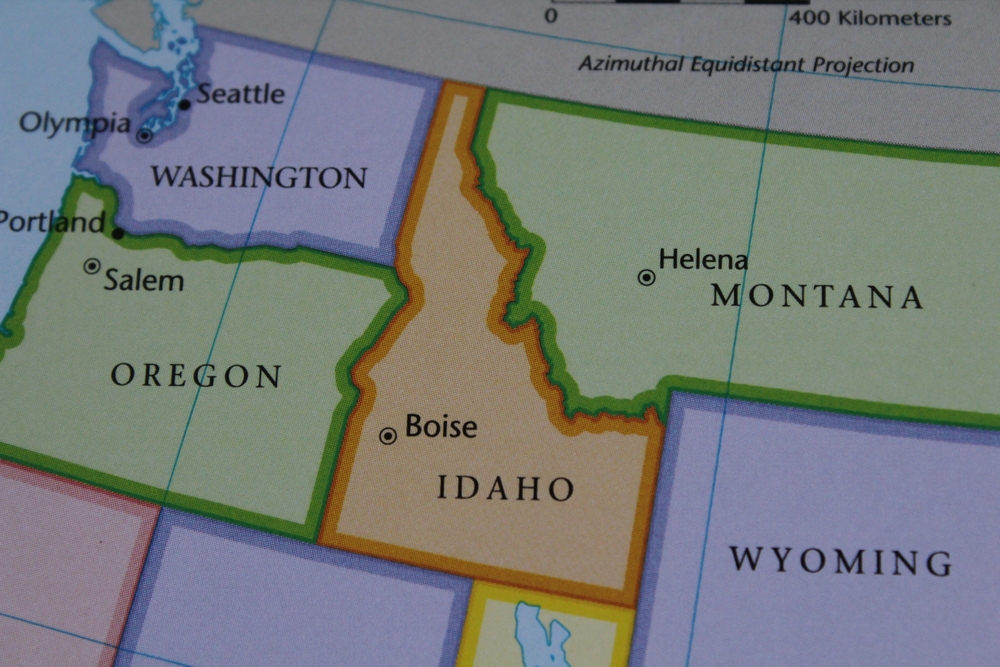
Beyond Idaho, a broader regional shift is underway. States across the Mountain West, including Montana, Arizona, and New Mexico, are seeing some of the fastest growth in inbound interest. Montana alone recorded one of the largest year-over-year increases in moving demand, signaling expanding appeal beyond traditional hotspots.
This trend highlights a growing willingness among Americans to explore less conventional destinations. These states offer many of the same advantages that once defined Sunbelt migration—warmer climates, outdoor access, and relatively affordable housing—but with fewer crowds and lower price pressures.
At the same time, southern states like South Carolina and North Carolina continue to perform strongly, maintaining high inbound move ratios. Florida also remains a dominant force in terms of sheer volume, capturing the largest share of inbound searches, even if it is no longer the only standout option.
Smaller Cities and Lifestyle Choices Drive the Shift

The changing map of migration is not just about states—it’s also about cities. Data shows a strong preference for smaller and mid-sized cities, where daily life is often more manageable and costs are lower. Myrtle Beach, South Carolina, leads the list of most popular cities, followed by destinations like St. Augustine, Florida, and Bellingham, Washington.
Many of these cities share common traits: access to outdoor recreation, a slower pace of life, and housing markets that remain within reach for middle-income buyers. Retirement-friendly locations, particularly in coastal and Sunbelt regions, continue to draw significant interest as well.
At the same time, several larger or more expensive cities are seeing higher outbound movement. Places like Bakersfield and Riverside in California rank among the top “exit” cities, suggesting that affordability challenges and job market pressures may be influencing decisions.
A New Era of U.S. Migration Patterns

The latest data points to a broader recalibration in how Americans choose where to live. Affordability, space, and lifestyle considerations are now outweighing the traditional pull of large, fast-growing states like Texas.
While Texas remains an important destination, its decline in the rankings signals a more competitive landscape. States like Idaho and others in the Mountain West are stepping into the spotlight, offering alternatives that align with evolving preferences.
If these patterns continue, migration in the U.S. may become more distributed, with smaller states and cities playing a larger role in shaping where Americans settle next.