

Products are selected by our editors, we may earn commission from links on this page.
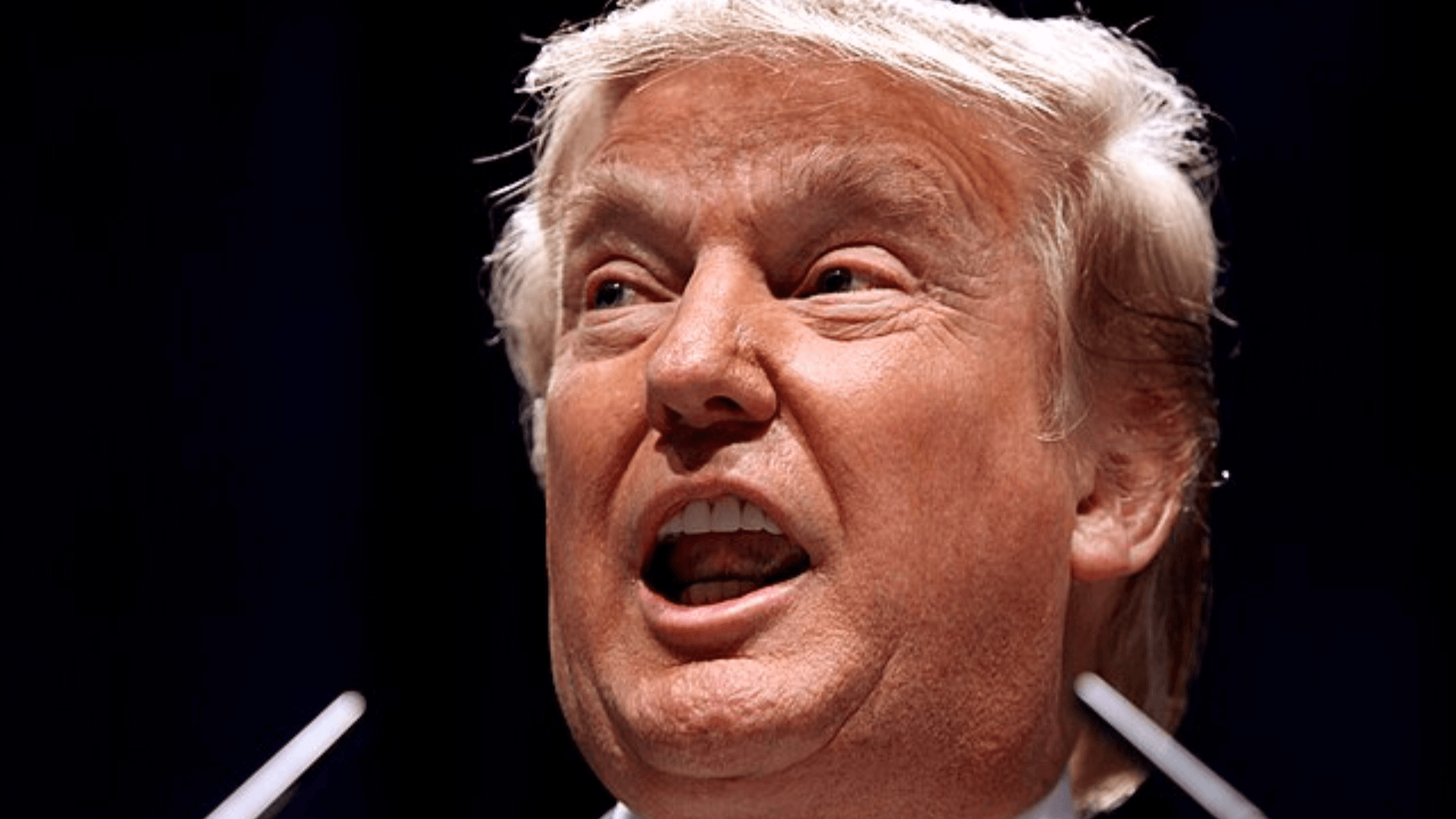
When the world’s most powerful political voice collides with one of its most influential spiritual leaders, the fallout doesn’t stay quiet. The latest flashpoint came after former President Donald Trump launched a sharp public criticism of Pope Leo, questioning his leadership and accusing him of being weak on major global issues. The remarks quickly escalated beyond politics, striking a nerve across religious communities.
What followed wasn’t silence. It was pushback—from within Trump’s own base and far beyond it. Catholic leaders across the United States responded swiftly, calling the comments inappropriate, disrespectful, and deeply concerning.
At the center of it all is a growing tension that feels bigger than one exchange: where does political authority end, and where does spiritual leadership begin?
Why Bishops Are Speaking Out
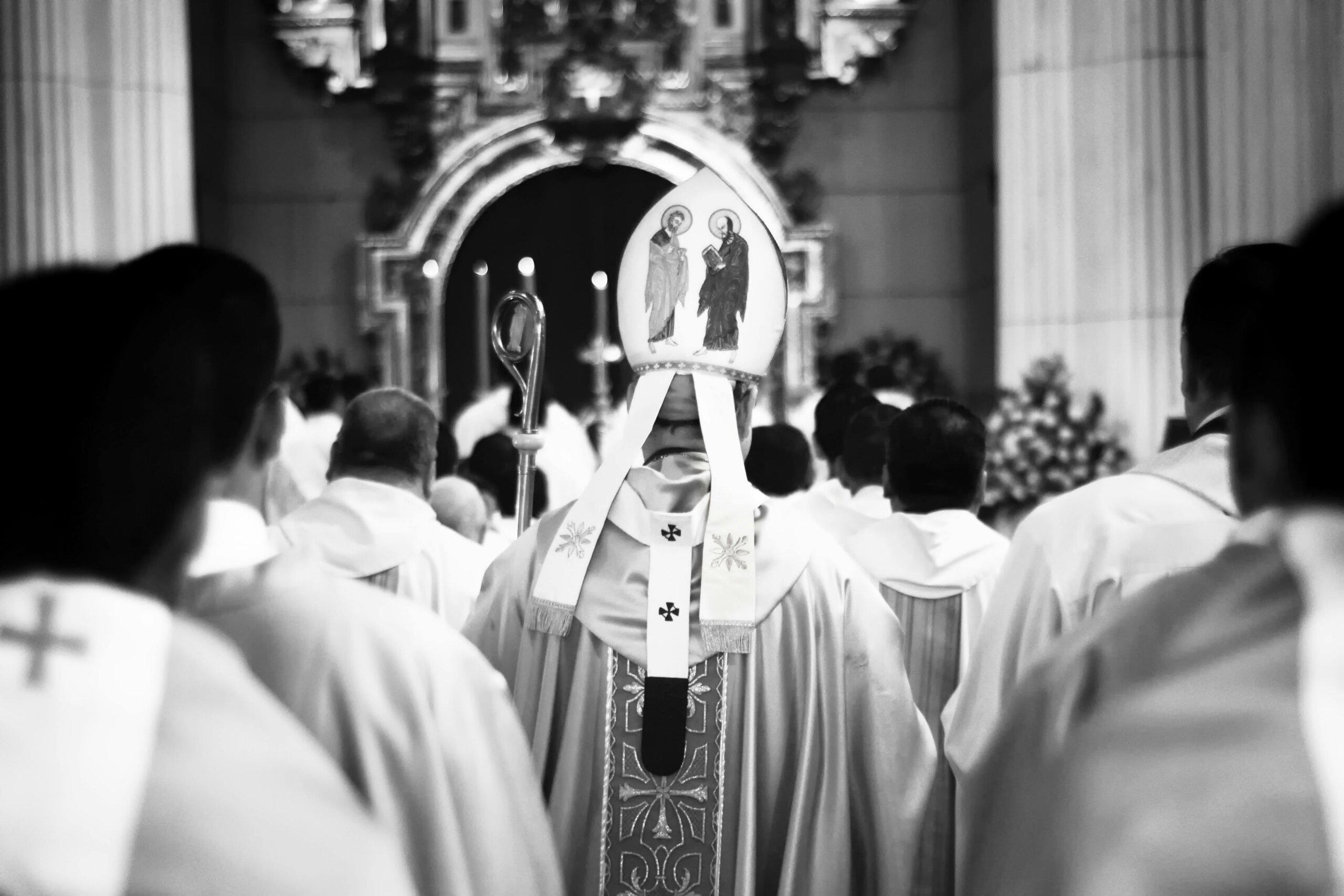
For many Catholic leaders, the issue isn’t just what was said. It’s what it represents. Archbishop Paul Coakley, speaking on behalf of U.S. bishops, said he was “disheartened” by the remarks, emphasizing that the Pope is not a political rival but a spiritual leader whose mission goes beyond government debates.
Other bishops went further, warning that the rhetoric reflected a “troubling lack of respect” for the faith of millions. They stressed that Pope Leo’s role is rooted in promoting peace, human dignity, and moral guidance, not engaging in partisan conflict.
Even voices that have previously supported Trump joined the criticism. Some called for an apology, while others urged a more constructive dialogue, signaling that this moment has cut across typical political lines.
The Pope Isn’t Backing Down
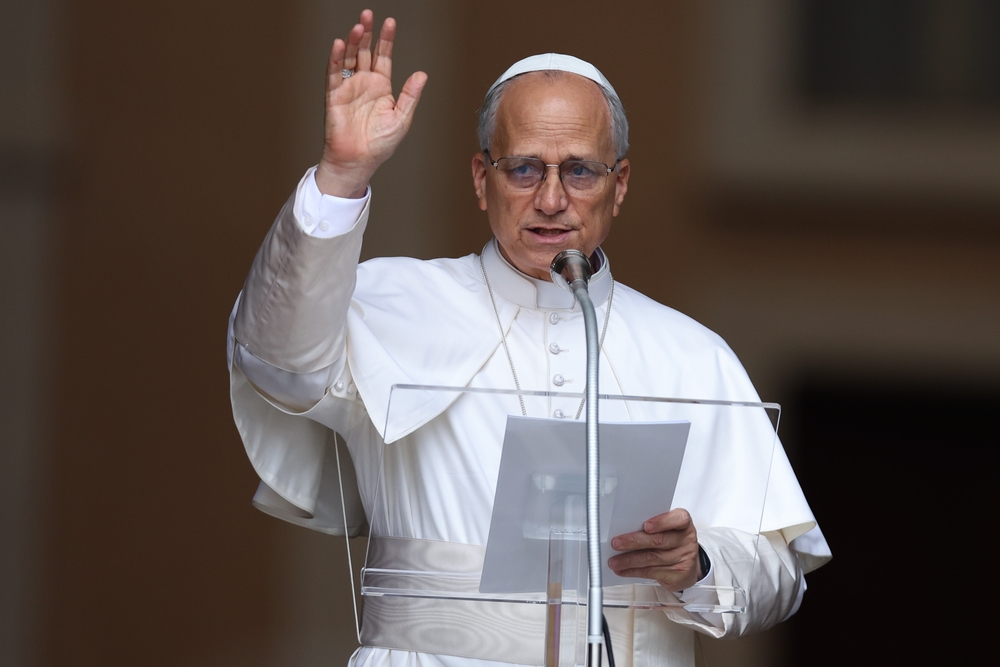
If the expectation was that the Pope would soften his stance, that hasn’t happened. Pope Leo has made it clear that his message is not about politics, but about principle. Speaking during his travels, he emphasized that he is not afraid to speak out and will continue advocating for peace, even in the face of criticism.
His comments have consistently focused on the human cost of war and the need for dialogue. In one statement, he stressed that “too many innocent people have been killed” and that someone must stand up and say there is a better way forward.
What should have been a deeply personal religious visit was overshadowed by the feud, yet the Pope remained steady in his message.
What This Means Moving Forward
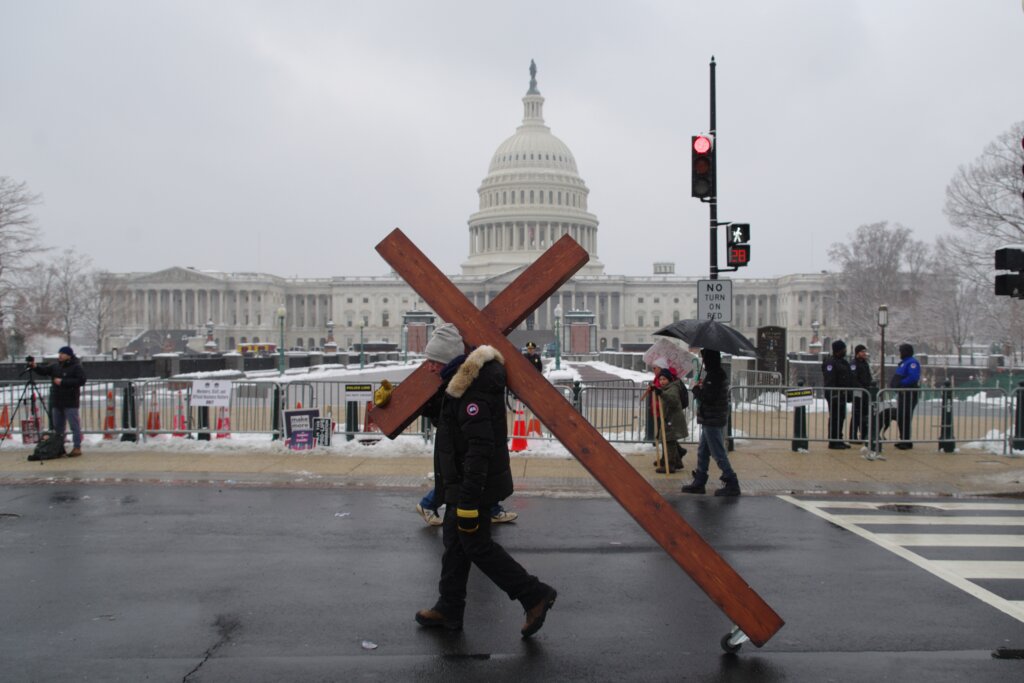
This moment is about more than a disagreement, it’s about influence. Roughly 20% of Americans identify as Catholic, making this a significant intersection of faith and politics. When tensions like this surface, they don’t just stay at the top—they ripple through communities, shaping opinions and conversations nationwide.
At the same time, this conflict highlights a deeper shift. Religious leaders are increasingly willing to challenge political power when moral issues are at stake, while political figures are more openly responding in kind. The line between the two worlds is becoming harder to define. The real question is what comes next.
Will this escalate into a longer-term divide between political leadership and religious authority? Or will it force a reset, one that redefines how both sides engage with each other in a world that’s already deeply polarized? One thing is certain. This isn’t just a headline. It’s a signal of where public discourse may be heading.