

Products are selected by our editors, we may earn commission from links on this page.
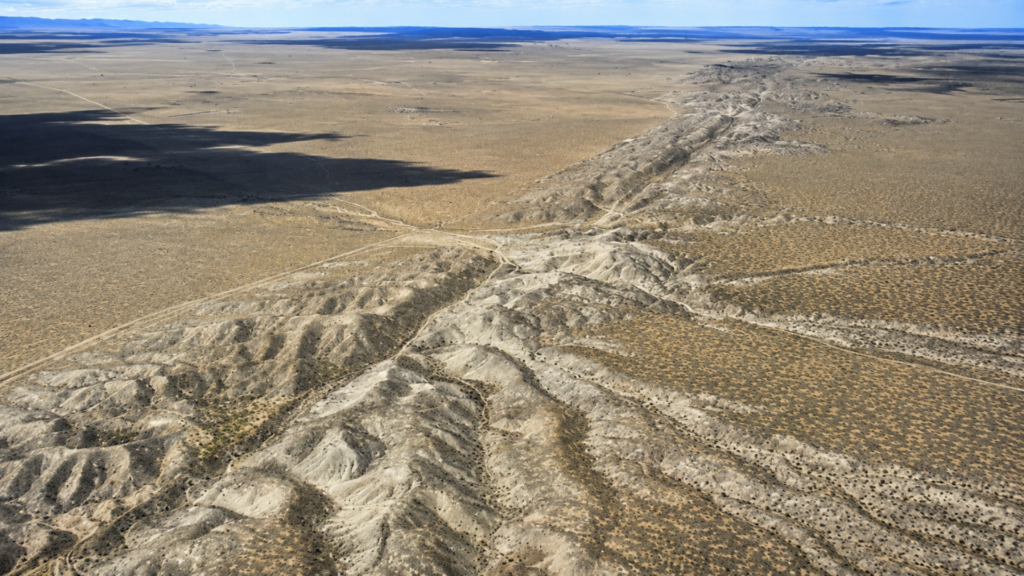
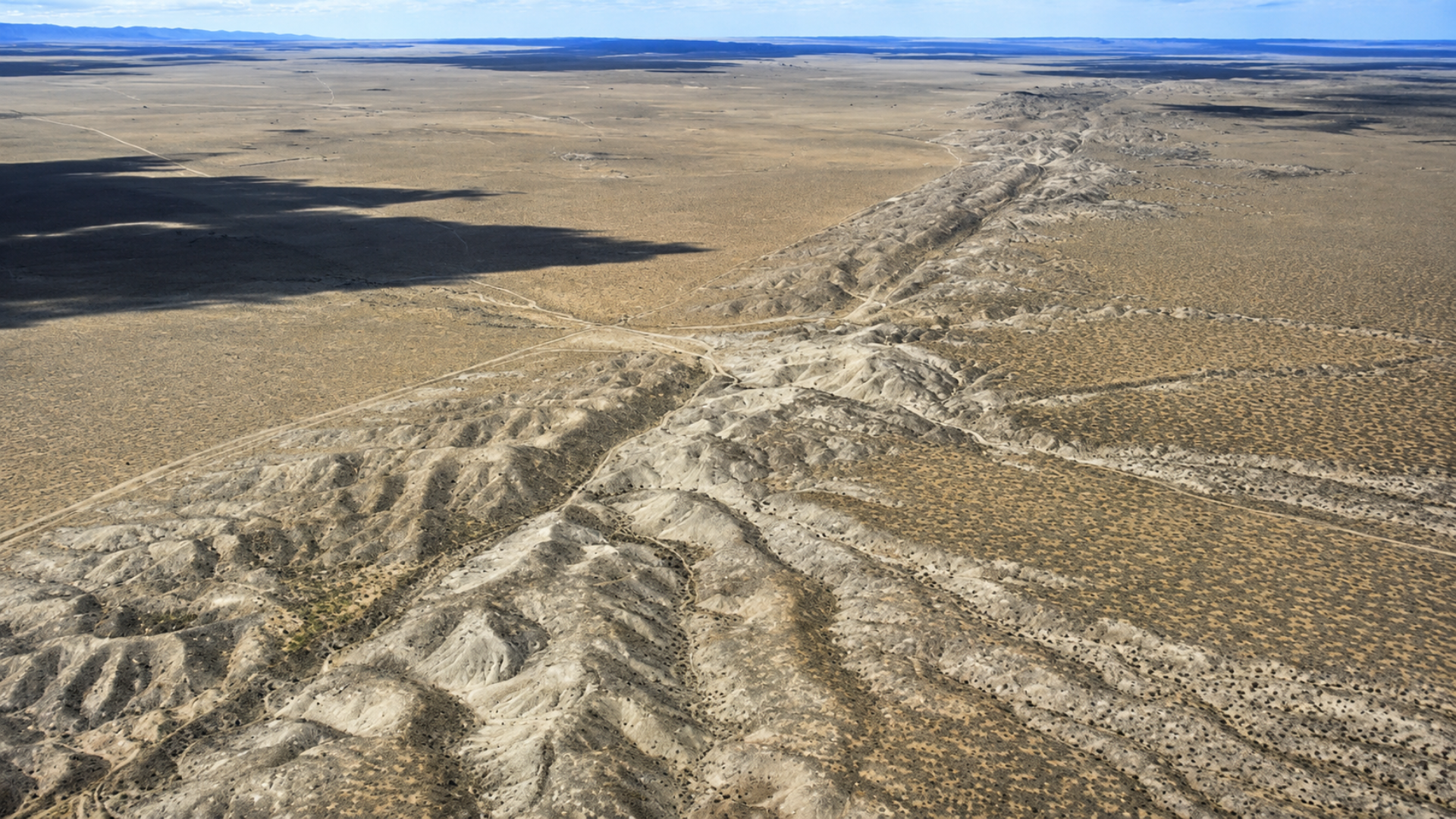
Southern California has not had a major earthquake in more than 150 years. Most people would call that good news. Scientists just found out it might mean the opposite. Deep underground, along two of the region’s biggest faults, pressure has been quietly building the entire time nobody noticed a big quake. That silence, researchers say, is not the same thing as safety.
One Meeting Point Decides How Bad a Quake Could Get
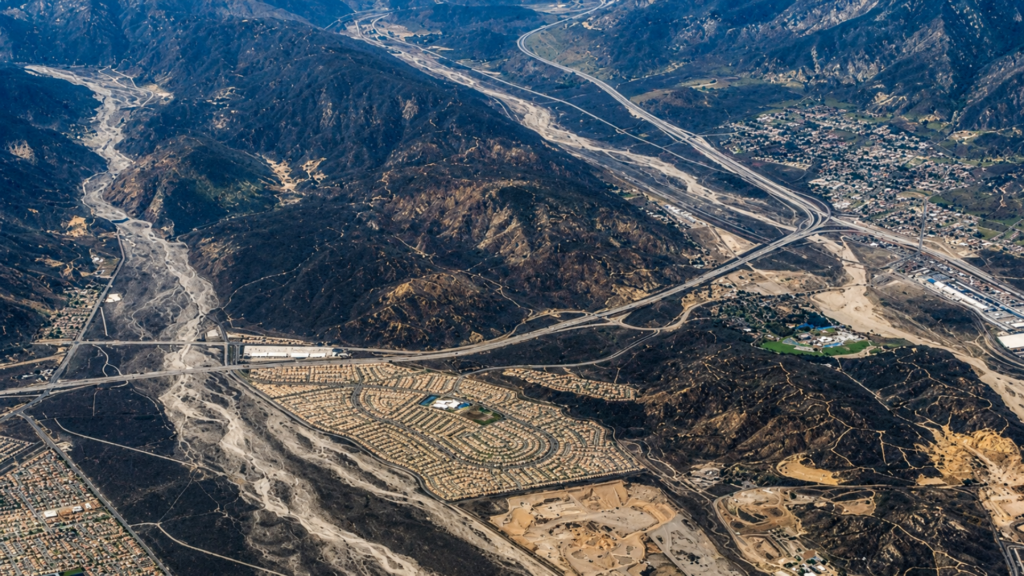
Two major faults are doing most of the work beneath Southern California. The San Andreas and San Jacinto faults help absorb the slow grinding motion between the Pacific and North American tectonic plates. Northeast of Los Angeles, these two faults meet at a spot called Cajon Pass. Scientists have studied that junction for years, since a rupture on one fault could potentially jump onto the other. What happens at that single meeting point matters more than most people realize.
The Last Big Quake Was in 1857. That’s the Problem.
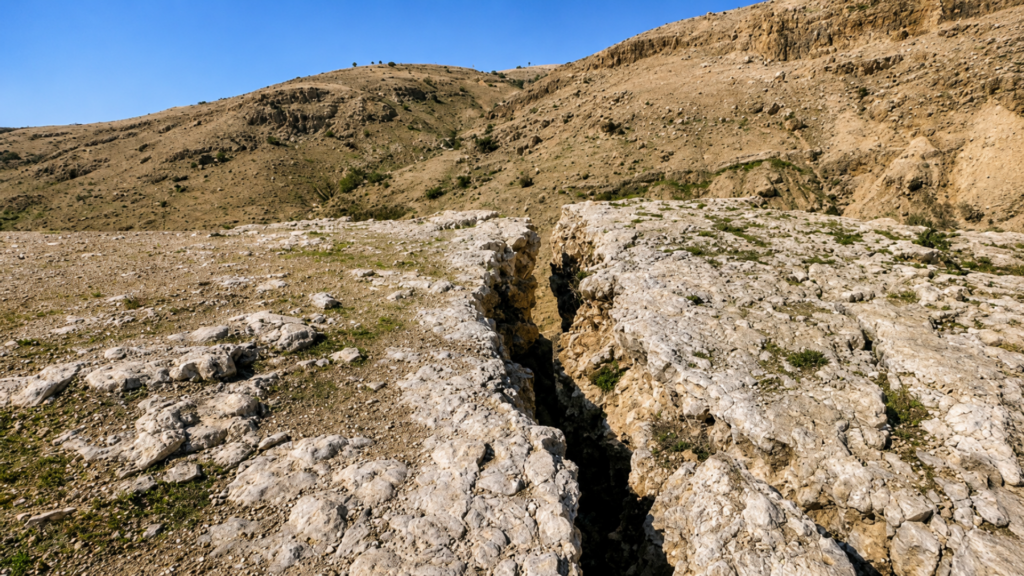
The last truly major earthquake to hit this region happened in 1857. The magnitude 7.9 Fort Tejon earthquake struck that year, and nothing close to it has happened since. More than a century and a half of relative quiet followed. Geologists do not see that quiet as reassuring. Long gaps between big earthquakes usually mean stress is building somewhere underground instead of releasing. Where has all that built-up stress actually gone?
A Thousand Years of Earthquake History Went Into One Model
A new study set out to measure exactly how much stress has piled up. Dr. Liliane Burkhard of the University of Bern led a team that included researchers from the University of Hawaii, the U.S. Geological Survey, and Scripps Institution of Oceanography. They built a physics-based model covering three dimensions of space plus time. The model ran on a reconstructed 1,000-year earthquake record built from tree rings, radiocarbon dating, and historical ground rupture data.
The Stress Hasn’t Been This High in a Thousand Years
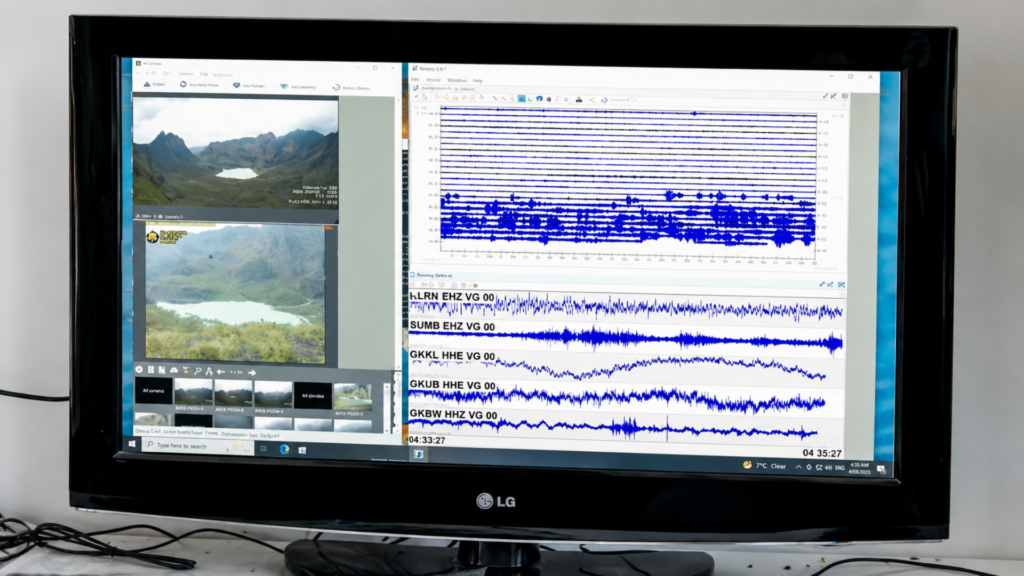
Stress along these faults has now reached a level not seen in a thousand years. The study found that tectonic stress in the region has hit, and in some spots surpassed, the highest points recorded in a millennium of modeled history. That is not a small technical detail. It means the two faults are holding more built-up pressure right now than at almost any point researchers can measure. What does that pressure actually decide when it finally releases?
This Junction Has Stopped Quakes Before, and Let Them Through Too
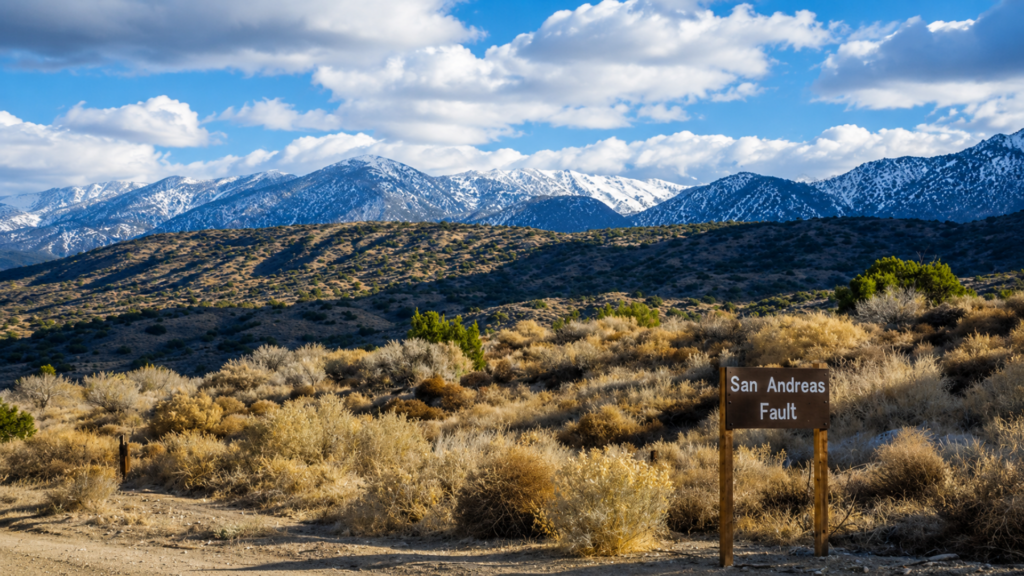
Cajon Pass does not just sit between two faults, it decides what happens next. Researchers describe the junction as an earthquake gate, a spot that can either stop a rupture or let it spread onto the neighboring fault. History shows both outcomes are possible. The 1857 Fort Tejon quake stopped right at Cajon Pass. The 1812 Wrightwood earthquake passed straight through, rupturing both fault systems in a single continuous event.
Two Faults Rising Together Is the Real Warning Sign
The real danger is not just how stressed one fault is, it is whether both faults are stressed the same way at once. Researchers found the San Jacinto Bernardino section currently holds 3.6 megapascals of stress, the highest value in the entire 1,000 year simulation. The nearby Mojave South section of the San Andreas fault sits close behind at 2.8 megapascals. When both numbers rise together like this, history shows it often comes before a rupture that crosses both faults.
“The System Is Critically Stressed,” but It’s Not a Countdown
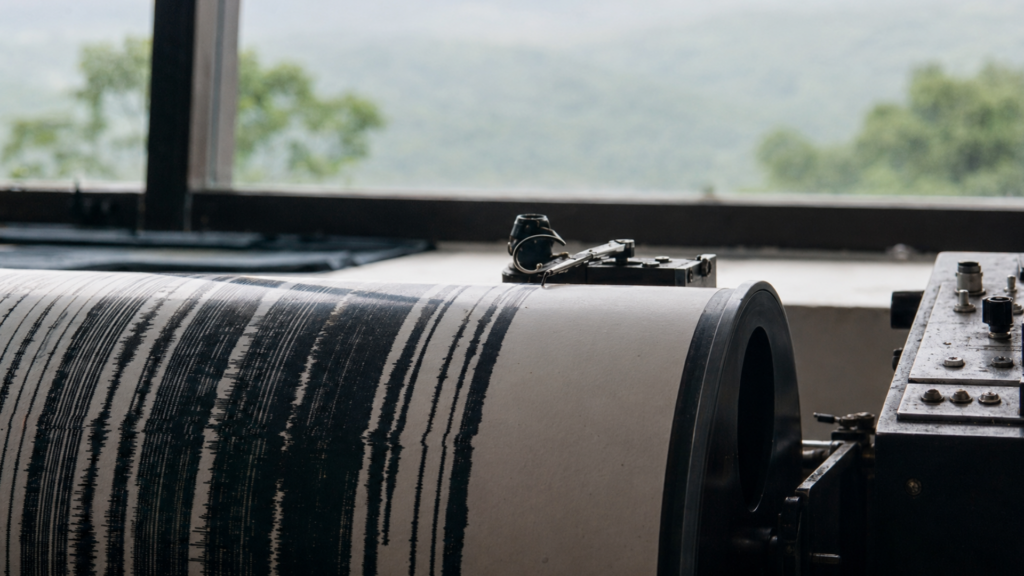
Burkhard is careful about what these numbers actually mean. According to Burkhard, “the system is critically stressed.” She is quick to add that the study does not predict exactly when an earthquake will strike. What the model does offer is a clearer physics-based picture of current conditions. That distinction matters for anyone trying to separate real risk from panic. Understanding stress levels is not the same as knowing the calendar date of the next quake.
Millions of People Sit Directly in the Path of This Gate
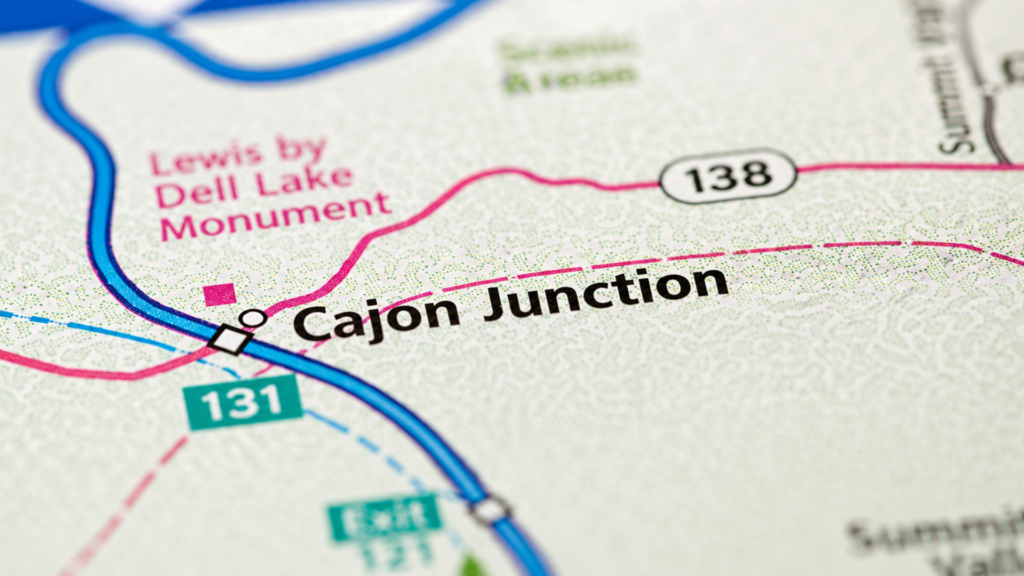
A rupture that crosses both faults would not stay contained to empty desert. The area at risk includes greater Los Angeles, San Bernardino, Riverside, and the Coachella Valley, some of the most densely populated corridors in the country. Cajon Pass itself carries major highways, rail lines, and energy infrastructure that millions of people rely on daily. A quake that jumps the gate would not just be bigger. It would hit where the most people and the most systems are.
The Quiet Was Never the Absence of Danger
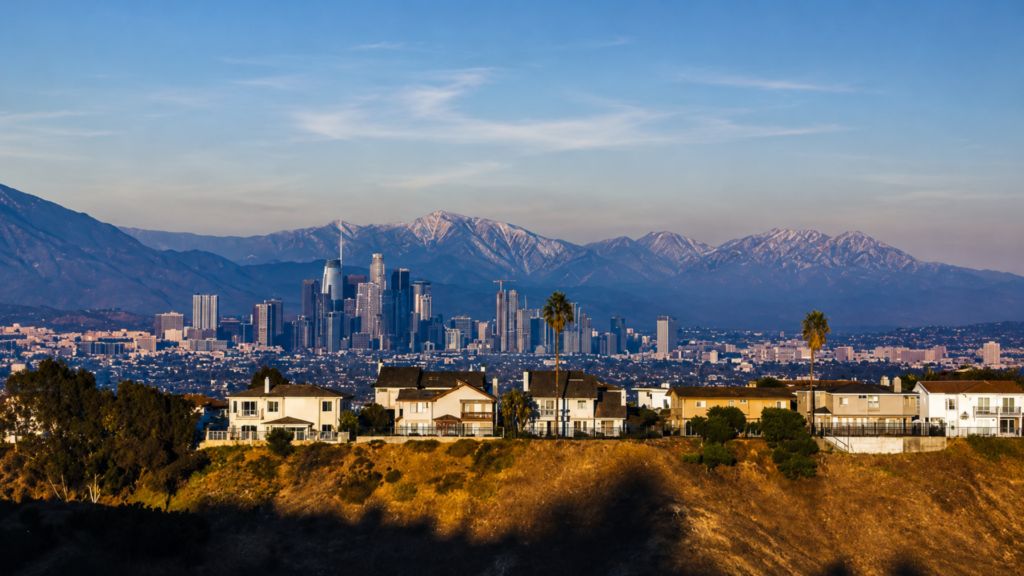
A century and a half of quiet never meant Southern California was in the clear, it just meant the pressure had nowhere to go yet. Researchers now have a clearer picture of exactly how much stress is sitting beneath the region and what conditions tend to come before the biggest ruptures. Nobody can say when the ground will finally move. What has changed is how clearly scientists can now see the pressure building underneath everyone’s feet.