

Products are selected by our editors, we may earn commission from links on this page.
Farm groups spent months defending Bayer’s weedkiller Roundup in a Supreme Court case, warning that a loss could limit farmers’ access to a product they consider essential for weed control. Days after Bayer won, its subsidiary Monsanto asked federal officials to impose steep duties on glyphosate imported from China. The request would raise costs for the farmers who had backed the company in court.
The Ruling Ended a Wave of Cancer Lawsuits
Handed down in late June, the ruling shielded Bayer from a wave of state-court claims that it had failed to warn Roundup users about a possible cancer link. The American Farm Bureau Federation and eleven other agricultural organizations had urged the court to side with Bayer beforehand. Bayer chief executive Bill Anderson framed the decision as clearing the way for continued development of farm technology.
Monsanto Wants Duties as High as 446%

Monsanto responded five days later, teaming with an affiliate, Ruveon LLC, to petition the Commerce Department and the International Trade Commission over glyphosate imported from China. Their ask: duties ranging from 68.9% up to 446.47%, on the argument that Chinese producers are selling below fair market value. Monsanto remains the sole U.S. glyphosate manufacturer, accounting for roughly 60% of what’s sold domestically.
A Farm Leader Says Bayer Blew Farmers Off

National Corn Growers Association president Jed Bower had called the court ruling a win for farmers everywhere. His tone shifted once the duties petition surfaced days later. “We went to bat for them for so long in those court cases … And then they literally win the case and just completely blow us off in one of our worst crises,” Bower told DTN.
Wheat and Soybean Growers Warn of Higher Costs
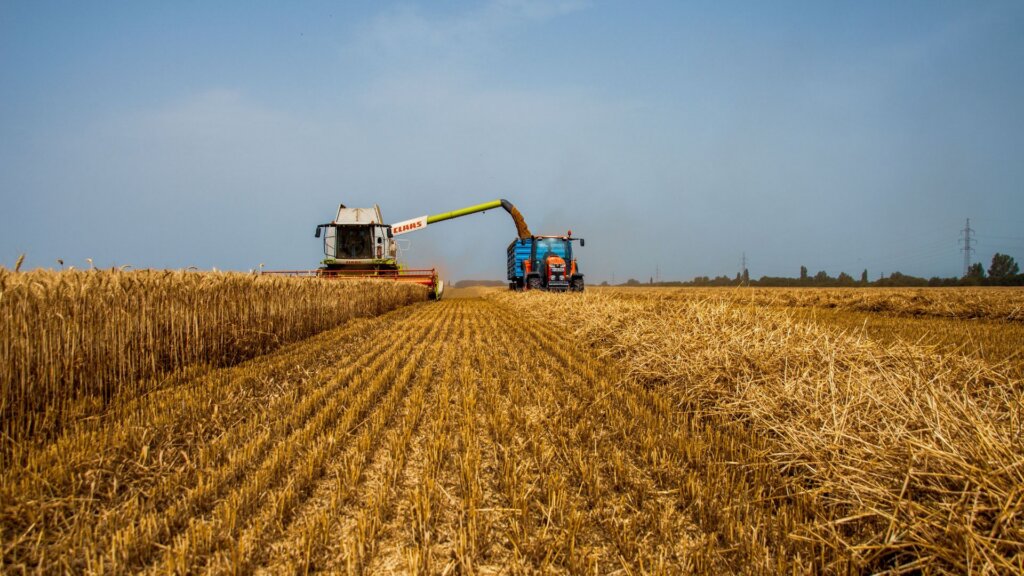
Other farm groups echoed the frustration. Sam Kieffer, chief executive of the National Association of Wheat Growers, said tariffs on imported glyphosate would be felt directly by wheat growers already facing high input costs and weak commodity prices. The American Soybean Association said new duties would limit market competition and threaten cost spikes for producers already contending with tight margins.
Bayer Says Its Glyphosate Business Isn’t Sustainable
Monsanto defended the petitions in a statement, saying the action addresses predatory trade practices and subsidized imports. “The domestic glyphosate business as it stands today is not sustainable,” the company said, adding that the move supports long-term production for American farmers. A spokesperson gave Fortune a similar explanation, framing the request as protection for domestic supply.
The Timing Followed a Separate Tariff Reversal

Timing added to farmers’ frustration. Monsanto filed its petition one day after President Trump suspended certain duties on Moroccan phosphate fertilizer, a barrier farm groups had pushed to eliminate. Trump had separately signed a February executive order invoking the Defense Production Act, directing the Agriculture Department to protect domestic glyphosate producers and ensure a steady supply of the herbicide.
Farmers Point to a $6.9 Billion Warning Sign
Farm groups point to a recent precedent for how costly such duties can become. A Texas A&M study estimated that duties on imported phosphate fertilizer cost crop growers about $6.9 billion between 2021 and 2025. Corteva won a separate countervailing duty case last year covering imported 2,4-D, with rates ranging from 5.29% to 169.63% depending on the company involved.
Glyphosate Still Powers a Multibillion-Dollar Business

Glyphosate remains one of the most widely used herbicides in American row-crop farming. Bayer reported the chemical generated $2.4 billion in revenue in 2024, even as the company weighed discontinuing Roundup sales over lawsuit exposure. Federal data on current glyphosate use is limited, though U.S. Geological Survey figures from 2016 showed roughly 287 million pounds applied across 315 million acres.
The Bayer Farmer Alliance Faces an Uncertain Future

Nothing is decided yet. The International Trade Commission has about two months to issue a preliminary determination, and a final Commerce Department decision could take up to a year. Whether the coalition that helped Bayer prevail in court will now oppose it in a trade case remains uncertain, according to agricultural economist Patrick Westhoff, who told Fortune the outcome could shape the relationship for years.